 11
11
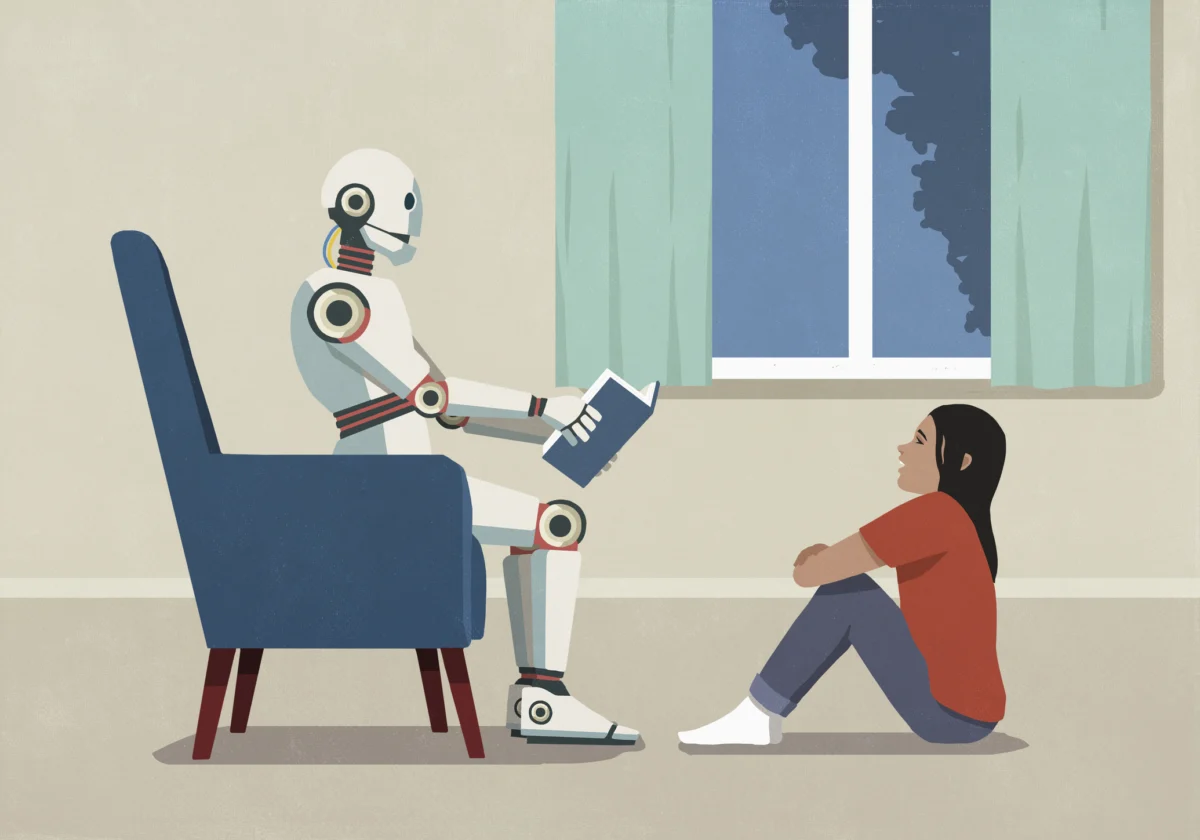
Meta, the technology giant, has embarked on a new venture into artificial intelligence with the development of StoryKit, an application designed to generate personalized children’s stories. The app, currently in a pilot phase in select countries, aims to simplify bedtime routines for parents by leveraging AI to craft unique narratives. As detailed in its App Store listing, StoryKit promises an effortless experience, assuring parents, "You don’t need to write a single word." This initiative represents a significant step for Meta into the realm of AI-powered creative content, particularly for a younger audience.
The existence of StoryKit first came to public light through a report by 9to5Mac, which identified the app on the App Store. Following this discovery, Meta confirmed its development to TechCrunch, characterizing StoryKit as a "creative storytelling app" intended to produce "personalized, imaginative storybooks for children." A spokesperson for Meta emphasized that the app incorporates robust AI safety filters, lacks social features, and is exclusively available to users aged 18 and older, underscoring the company’s focus on safety and parental control in its design.
The core functionality of StoryKit revolves around user-driven customization. To initiate a story, users first select a character. This can be achieved by utilizing the app’s unique feature to "snap a photo of their favorite toy or person to bring them to life," as described in the App Store. This allows for a high degree of personalization, potentially making stories more engaging and relatable for children. Following character selection, users are prompted to describe the world or setting of their story. A crucial element of StoryKit’s design is the ability to choose a specific lesson or moral. This feature allows parents to "weave in values like kindness, courage, or empathy without it feeling like a lecture," providing an educational dimension to the entertainment. The stories are further enriched with AI-generated music, aiming to create an immersive experience for young listeners.
The introduction of StoryKit by Meta occurs amidst a broader industry trend of integrating artificial intelligence into various aspects of daily life, including creative endeavors. While Meta has previously launched a range of AI-driven products and features, from generative AI tools for content creation to AI assistants, StoryKit specifically targets the family and children’s content market. This move highlights Meta’s commitment to exploring the applications of its advanced AI models, such as Large Language Models (LLMs) and generative image technologies, in consumer-facing products. The emphasis on "personalized" content aligns with a growing demand for tailored digital experiences that cater to individual preferences and needs.
The development of StoryKit, however, also sparks broader discussions about the role of artificial intelligence in human imagination and creativity, particularly in the context of children’s development. Critics often raise questions about the potential implications of outsourcing traditionally human activities, such as imaginative storytelling, to algorithms. The act of inventing and narrating stories has long been considered a fundamental human pastime, a vehicle for fostering creativity, critical thinking, and emotional connection between parents and children.
Compared to some of Meta’s past experimental features, which have sometimes faced public scrutiny—such as controversial Instagram deepfake generators or earlier iterations of augmented reality devices—StoryKit appears to be positioned with a more cautious and child-centric approach. The inclusion of AI safety filters and the restriction to adult users demonstrate an awareness of the unique vulnerabilities associated with children’s content. However, the underlying philosophical debate persists: whether AI-generated narratives, even when personalized, can truly replicate the nuances, spontaneity, and emotional depth inherent in human-told stories.

Humanity’s rich history of storytelling, spanning millennia from ancient myths and fables to modern blockbuster films, underscores the profound significance of narrative in cultural transmission and personal development. Oral traditions, passed down through generations, have always served as a means of entertainment, education, and moral instruction. The recent success of films based on ancient myths, for instance, illustrates the enduring power of these human-originated narratives. This historical context provides a backdrop against which the advent of AI-generated stories is evaluated, prompting considerations about the evolving nature of creativity and connection in an increasingly technologically mediated world.
For many parents, the demands of busy lives can make improvising engaging bedtime stories a challenge. The allure of an app like StoryKit, which can instantly generate a personalized tale about, for example, "an intergalactic turtle and a hedgehog solving space mysteries," is undeniable. It offers a convenient solution to a common parental dilemma, providing on-demand content tailored to a child’s specific interests. Yet, this convenience comes with a trade-off, as some argue it risks replacing moments of genuine, whimsical human interaction and imaginative play with the consumption of algorithmically produced scripts from a smartphone.
The pilot program in select countries is crucial for Meta to gather feedback on StoryKit’s reception among parents. This phase will likely inform future iterations of the app, addressing concerns related to content quality, user experience, and the broader impact on family dynamics. The success of StoryKit will hinge not only on its technical capabilities but also on its ability to strike a balance between convenience and preserving the intrinsic value of human storytelling.
Ultimately, the availability of tools like StoryKit presents a choice. While technology offers unprecedented solutions for efficiency and personalization, the decision of how to integrate these tools into fundamental aspects of child-rearing, such as bedtime stories, remains with individuals. The discourse around StoryKit highlights an ongoing tension between technological advancement and the preservation of deeply human experiences. As Meta continues to explore and shape the future of digital interaction, the trajectory of apps like StoryKit will reflect broader societal attitudes towards artificial intelligence’s role in nurturing imagination and fostering connection.
When you purchase through links in our articles, we may earn a small commission. This doesn’t affect our editorial independence.
Amanda Silberling is a senior writer at TechCrunch covering the intersection of technology and culture. She has also written for publications like Polygon, MTV, the Kenyon Review, NPR, and Business Insider. She is the co-host of Wow If True, a podcast about internet culture, with science fiction author Isabel J. Kim. Prior to joining TechCrunch, she worked as a grassroots organizer, museum educator, and film festival coordinator. She holds a B.A. in English from the University of Pennsylvania and served as a Princeton in Asia Fellow in Laos.
You can contact or verify outreach from Amanda by emailing [email protected] or via encrypted message at @amanda.100 on Signal.