 11
11
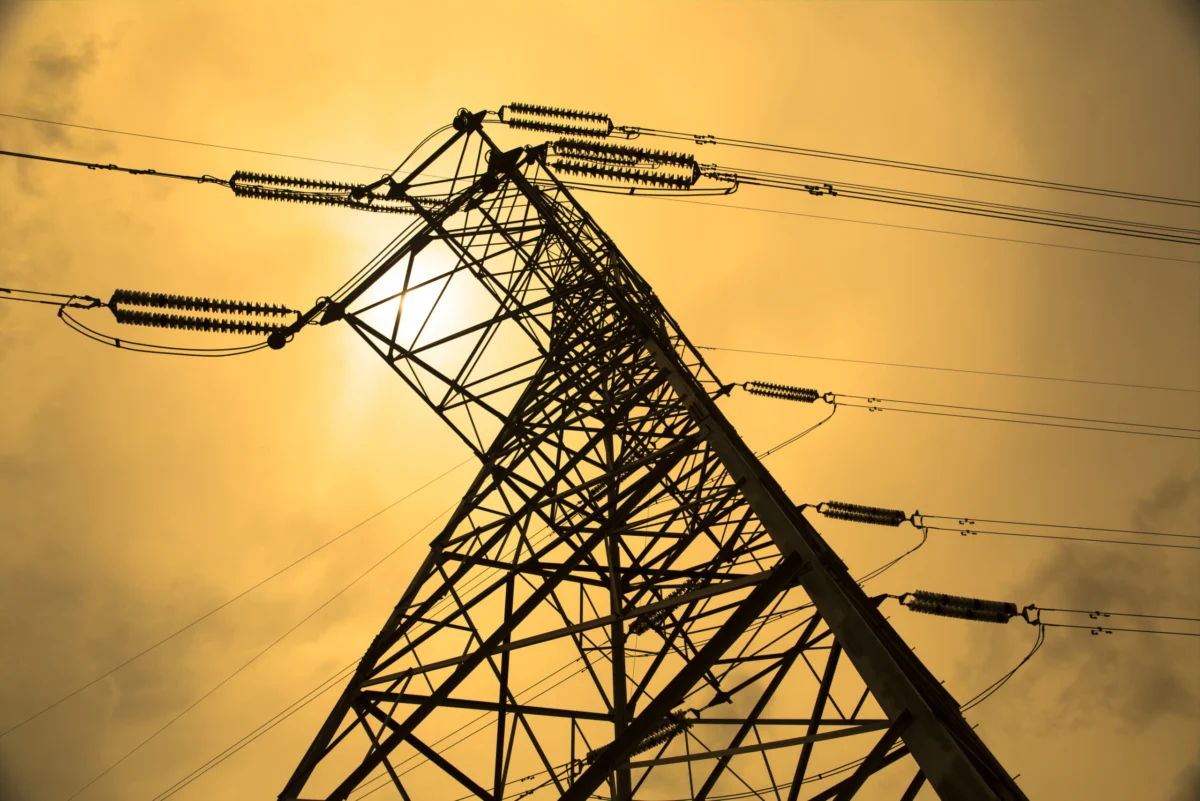
A critical power line failure outside of Washington, D.C., this week led to an unusual and concerning delay in the regional grid’s recovery, stretching over 10 minutes. Typically, the sophisticated infrastructure of the electrical grid is designed to self-correct within mere seconds following such an incident. However, this particular disruption was exacerbated by the nearly simultaneous cessation of power draw from more than 3 gigawatts (GW) of data centers, plunging the system into an unexpected imbalance.
The ripple effect of this event was felt across a vast expanse of the PJM Interconnection grid, causing significant voltage spikes that stretched from Northern Virginia all the way to Chicago. This critical data was meticulously collected and analyzed by Ting Labs, an innovative startup leveraging an IoT sensor network embedded within residential electrical sockets. While the incident did not culminate in a widespread blackout, it undeniably caused lights to flicker across the affected regions, serving as a stark demonstration of the profound impact that the burgeoning data center industry can exert on grid stability. Experts widely believe that such events are poised to become an increasingly frequent challenge for grid operators.
Northern Virginia, strategically located within PJM’s operational territory, holds the distinction of hosting the world’s highest concentration of data centers. This unique geographical aggregation makes it a crucial bellwether for the energy challenges of the digital age. Ricardo de Azevedo, the Chief Technology Officer at ON.Energy, a company at the forefront of grid-friendly solutions, underscored the gravity of the situation in an interview with TechCrunch, stating, "It’s the canary in the coal mine." He further emphasized that instances involving large electrical loads, particularly from data centers, are "happening more and more," indicating a growing trend that demands immediate and innovative solutions.
This week’s incident bore a striking resemblance to a similar event that occurred just two years prior, also impacting the PJM grid. Such occurrences could serve as a ominous precursor to larger, more disruptive events if data centers are not engineered to more gracefully manage and "ride through" disruptions to their power supplies. The PJM Interconnection stands as the largest grid operator in the United States, overseeing electrical networks from New Jersey to Illinois and reliably serving a colossal customer base of 67 million individuals and businesses. Its expansive reach and critical role make the stability of its operations paramount to national infrastructure.
The sequence of events unfolded rapidly: when the power line initially failed, it acted as a trigger for a multitude of data centers to initiate their automatic switch-over to backup power systems. This immediate response, while ensuring the continuity of their own operations, resulted in an abrupt removal of approximately 3.1 gigawatts of electrical load from the grid within a mere 30-second window, according to official PJM data. The grid showed initial signs of recovery, but this was short-lived. A subsequent wave of load disconnections followed shortly thereafter, further compounding the problem. At its peak, the PJM grid found itself grappling with an unprecedented surplus of 3.49 gigawatts of electricity. It took a protracted 11 minutes for the system to finally stabilize and return to equilibrium. The sheer scale of this disconnection is highlighted by Reuters, which reported that the suddenly disconnected data centers accounted for approximately 3% of PJM’s total electricity demand at the time of the incident.
While a few percent may not immediately sound like a significant figure, the fundamental principle governing the operation of an electrical grid is the imperative of maintaining a state of near-perfect balance. This delicate equilibrium requires that electricity supply and demand are meticulously matched at all times. Any deviation from this precise balance can lead to critical consequences: if demand outstrips supply, voltages can sag dramatically; conversely, if supply overwhelmingly exceeds demand, as was the case this week, voltages can spike dangerously. Both scenarios pose substantial threats. Although the grid and its myriad connected devices are designed to tolerate minor fluctuations, if these variations grow too large or persist for too long, they inevitably trigger failsafes. These safety mechanisms, embedded within the grid infrastructure itself or within individual facilities like data centers, are designed to protect equipment and prevent broader system collapse by causing affected components to disconnect from the grid.
In the recent incident, when data centers located throughout Northern Virginia detected the voltage fluctuation caused by the initial power line failure, their automated systems promptly initiated the switch to backup power. This action, crucial for their operational continuity, simultaneously removed their substantial electrical load from the grid. As more and more data centers across the region made this instantaneous transition, they collectively removed progressively larger amounts of load. What began as a relatively contained drop in electricity supply due to the power line failure rapidly transformed into an even more substantial and unexpected drop in demand. This dramatic shift sent the remaining supply surging through the grid, directly causing the widespread flickering of lights observed across the region.
The design philosophy of most modern data centers prioritizes rapid response, often making critical decisions in split-second intervals. The facilities that disconnected this week appeared to adhere to this principle. Ali Zain Banatwala, a senior market models specialist at the Independent Electricity System Operator (IESO), explained to TechCrunch that when the voltage dip reached these data centers, they all independently and almost simultaneously decided to disconnect within a few seconds of each other. This synchronized, protective response, while rational for individual facilities, creates a systemic challenge for grid operators.
Banatwala articulated a crucial need for a more coordinated approach, stating, "We need to figure a way for these loads that are located next to each other to sequentially either disconnect or reconnect." He emphasized that establishing a more orderly and predictable process would empower grid operators to develop and implement more robust and effective operational procedures in advance, mitigating the severity of future disruptions.
An alternative, and increasingly viable, approach involves designing and equipping data centers to proactively absorb grid disruptions rather than reacting by disconnecting from them. One pioneering startup, ON.Energy, has been actively developing a product specifically engineered to enable data centers – and by extension, the grid itself – to seamlessly "ride through" events similar to the one experienced this week.
ON.Energy has innovated a comprehensive uninterruptible power supply (UPS) system designed for an entire data center campus, extending its protective umbrella beyond just servers to include critical auxiliary equipment such such as chillers and other essential infrastructure. At its core, the company’s system effectively "hides" the inherent variability of the data center’s power consumption behind a substantial bank of advanced batteries, seamlessly integrated with sophisticated power conversion equipment. From the grid’s perspective, this means it no longer "sees" the dynamic, fluctuating peaks and valleys of individual data center components. Instead, it perceives a single, consistent, and impeccably well-behaved electrical load. This groundbreaking system not only allows data centers to effortlessly ramp computing workloads up and down, including demanding AI training operations, without creating disturbances on the grid, but it also provides a critical buffer.
Perhaps even more significantly, ON.Energy’s solution empowers data centers to actively absorb power fluctuations emanating from the grid. Rather than instinctively disconnecting in response to grid instability, the system can intelligently utilize any excess power available on the grid to charge its batteries. Conversely, if the grid’s power flow experiences a dip, the system can instantaneously dispatch stored power from its batteries to the servers and other equipment, ensuring uninterrupted operation. Furthermore, its advanced controls enable it to precisely follow the grid’s lead within milliseconds, actively preventing the very sags or surges that precipitated this week’s problem for PJM. Ricardo de Azevedo confirmed that ON.Energy is currently in the process of installing a total of 3 gigawatts worth of its innovative systems across four distinct data center campuses, demonstrating significant market adoption.
Grid managers across the nation have undeniably recognized the escalating nature of this problem and are beginning to implement proactive measures. For instance, ERCOT, the grid operator for most of Texas, is reportedly moving towards mandating that large loads, including data centers, possess the capability to "ride through" disruptions, as noted by de Azevedo. This regulatory shift signals a broader industry recognition of the need for greater resilience and cooperation between large consumers and grid operators.
However, the clock is ticking. The mass disconnection event this week was twice as large as a comparable incident in 2024, when 60 data centers simultaneously disconnected, pulling 1.5 gigawatts of load from the grid. Back then, data centers accounted for approximately 6% of PJM’s total electrical load, according to a report by Synapse Energy Economics. Projections indicate a dramatic increase, with data centers expected to comprise a staggering 24% of PJM’s load by 2040. If the fundamental issues surrounding data center grid integration and their reactive disconnection mechanisms are not addressed with urgency and innovative solutions in the near future, the consequences for grid stability and reliability could become far more severe, potentially leading to more frequent and widespread power disruptions across critical regions.