 11

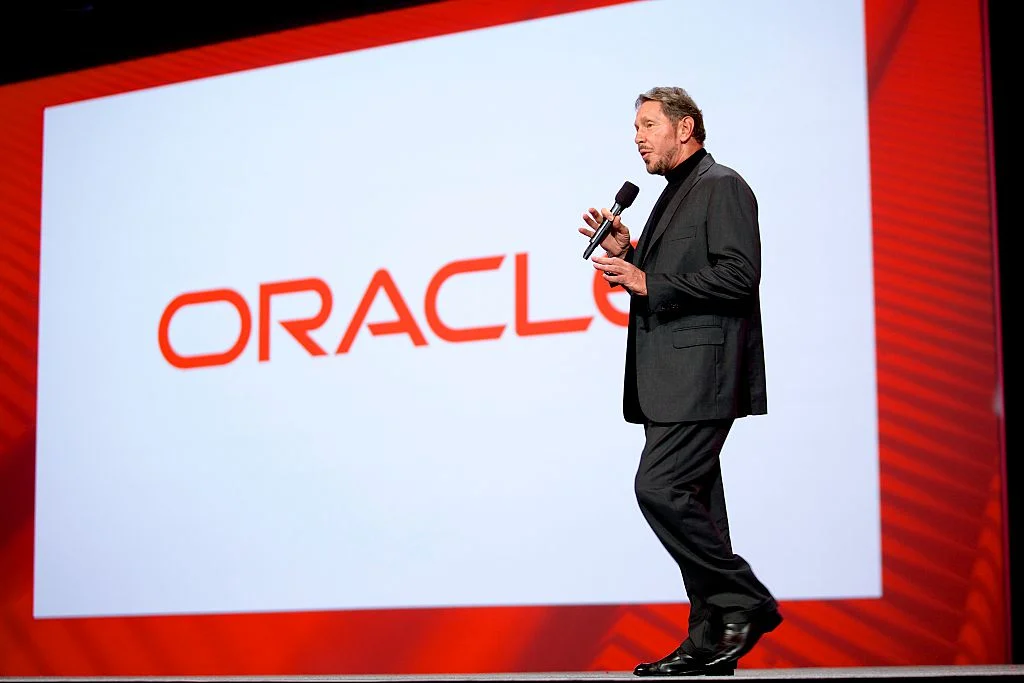
Oracle co-founder and executive chairman Larry Ellison has canceled a previously announced plan to sell a significant portion of his Oracle stock, the company officially confirmed on Saturday. The decision comes as Oracle navigates a period of substantial strategic investments and market fluctuations, while Ellison himself continues to be a prominent figure in various high-profile business dealings beyond the tech giant.
The canceled transaction involved a substantial 50 million shares of Oracle stock, a holding that had an estimated value of approximately $7.5 billion at the time of its initial disclosure. The original intent to sell these shares had been revealed in a regulatory filing, drawing considerable attention given Ellison’s status as one of Oracle’s largest individual shareholders and a globally recognized figure in the technology industry. However, Oracle’s announcement on Saturday provided no specific rationale for the abrupt change in plans, leaving market observers to consider the potential implications.
In its official statement regarding the reversal, Oracle was unequivocal about the status of the planned sale. "No Oracle stock was sold under that plan, and he has no other plans to sell any of his Oracle stock," the company asserted. This definitive declaration from Oracle aims to put to rest any speculation regarding Ellison’s immediate intentions concerning his substantial equity stake in the company he co-founded. For a figure of Ellison’s stature, whose wealth is largely tied to his Oracle holdings, any move to divest such a large number of shares would typically be scrutinized for insights into his long-term confidence in the company’s trajectory or for personal financial strategy. The cancellation, therefore, sends a contrasting signal, suggesting a renewed or sustained commitment to his existing ownership structure.
The backdrop to this development includes a challenging period for Oracle’s stock performance. As of Sunday afternoon publication time, Oracle’s shares had experienced a notable decline of 22% since the beginning of the year. This dip reflects broader market trends impacting tech companies, but it also occurs during a phase where Oracle is making substantial and costly investments aimed at reshaping its future. The company has been heavily focused on expanding its data center infrastructure, a critical component of its strategy to compete in the fiercely contested cloud computing market. These investments are designed to bolster Oracle Cloud Infrastructure (OCI), positioning it as a robust alternative to established players like Amazon Web Services (AWS), Microsoft Azure, and Google Cloud. The significant capital outlay for these data centers is a strategic bet on the burgeoning demand for cloud services, particularly those supporting artificial intelligence (AI) workloads, which require immense computational power and storage.
Oracle’s aggressive push into data center expansion is a testament to its ambition to capture a larger share of the enterprise cloud market. By investing heavily in global data center regions, Oracle aims to provide low-latency, high-performance computing resources to its vast customer base, many of whom rely on Oracle’s foundational database and enterprise software solutions. This strategic shift is crucial for the company’s long-term growth, as traditional on-premise software models face increasing competition from cloud-native solutions. The substantial spending, while potentially impacting short-term profitability or stock performance, is viewed by the company as an essential step to secure future relevance and revenue streams in the evolving digital landscape.
Beyond its core cloud infrastructure initiatives, Oracle has also cemented its position in another high-profile tech arrangement. The company recently emerged as one of the major owners and security partners for TikTok’s U.S. operations. This deal, born out of geopolitical tensions and data security concerns surrounding the popular social media platform, saw Oracle stepping in to provide a "trusted technology partner" role. In this capacity, Oracle is responsible for hosting all of TikTok’s U.S. user data and ensuring its security, thereby addressing concerns raised by U.S. government officials. This partnership not only diversifies Oracle’s revenue streams but also elevates its profile as a secure and reliable cloud provider capable of handling sensitive data for a massive user base, showcasing its capabilities in a politically charged environment. The agreement highlights Oracle’s commitment to expanding its influence beyond traditional enterprise software into new, high-growth areas of the digital economy.
Larry Ellison’s influence, however, extends beyond his direct responsibilities at Oracle. He has also notably leveraged his considerable personal wealth to back other significant ventures, including his son David Ellison’s acquisition of Warner Bros. This ambitious deal, which involves a major Hollywood studio, underscores Ellison’s broad financial reach and his willingness to support large-scale investments in diverse industries. The acquisition, however, has not been without its complexities, as it is currently being contested in court. The legal challenge adds another layer of scrutiny to Ellison’s multifaceted financial activities and demonstrates his continued engagement in high-stakes business dealings, even as he remains a pivotal figure at Oracle.
Larry Ellison’s decision to cancel the stock sale, therefore, is not an isolated event but rather a piece of a larger narrative involving Oracle’s aggressive strategic repositioning and Ellison’s own extensive business engagements. For a company that has been a bedrock of enterprise technology for decades, Oracle is now in a transformative phase, investing heavily in cloud infrastructure and AI capabilities to maintain its competitive edge. Ellison, as co-founder and executive chairman, remains central to this transformation, and his reaffirmed commitment to his Oracle holdings sends a strong signal to investors about his enduring confidence in the company’s direction, despite recent market headwinds and the substantial costs associated with its ambitious growth strategies. The company’s future performance will undoubtedly be closely watched as these significant investments in data centers and strategic partnerships like the one with TikTok begin to yield their intended results in a rapidly evolving technological landscape.






