 11
11
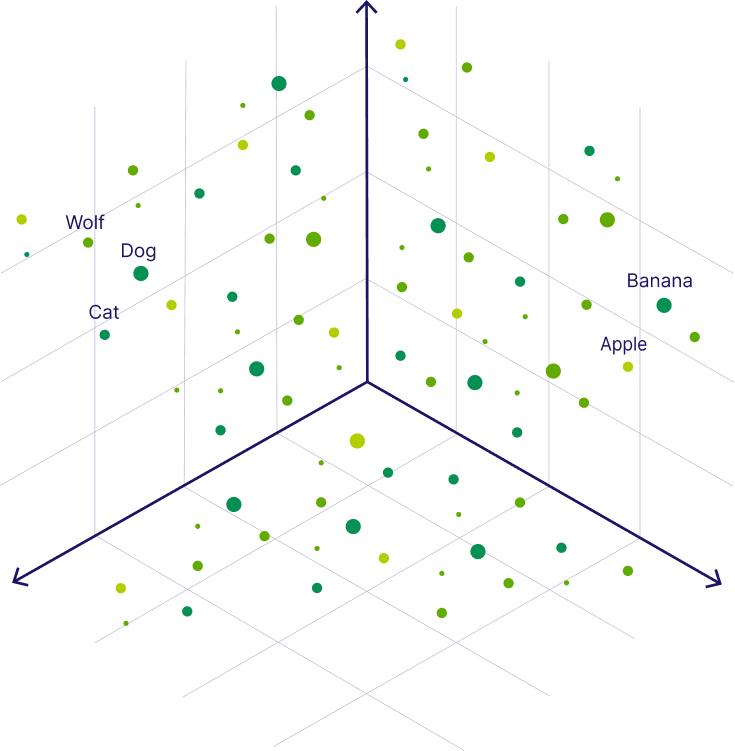
The digital marketing landscape is abuzz with the declaration that "keywords are dead, topics are the new keywords." While this sentiment, often championed by online influencers, may oversimplify the reality, it points to a significant shift in search engine optimization (SEO) strategy. The focus is moving from optimizing for individual search queries to establishing authority and relevance within broader conceptual areas. This evolution is driven by modern search engines and AI systems that map meaning in "semantic spaces," understanding how concepts relate to each other through techniques like vector embeddings.
Understanding Keywords vs. Topics
A keyword is the precise phrase a user enters into a search engine, such as "best running shoes for flat feet." It’s explicit and measurable. A topic, however, is the overarching concept that encompasses a group of related keywords and ideas, like "running footwear." In the analogy of celestial bodies, a keyword is a single star, while a topic is the entire galaxy it belongs to. Search engines and AI models operate within these semantic spaces, mapping not only keywords but also content, multimedia, and even brands to understand relationships and meaning. Knowledge graphs, databases that connect real-world entities and their relationships, further strengthen these associations, influencing which brands appear for a given topic.
The Three-Tier Approach to Topic Optimization
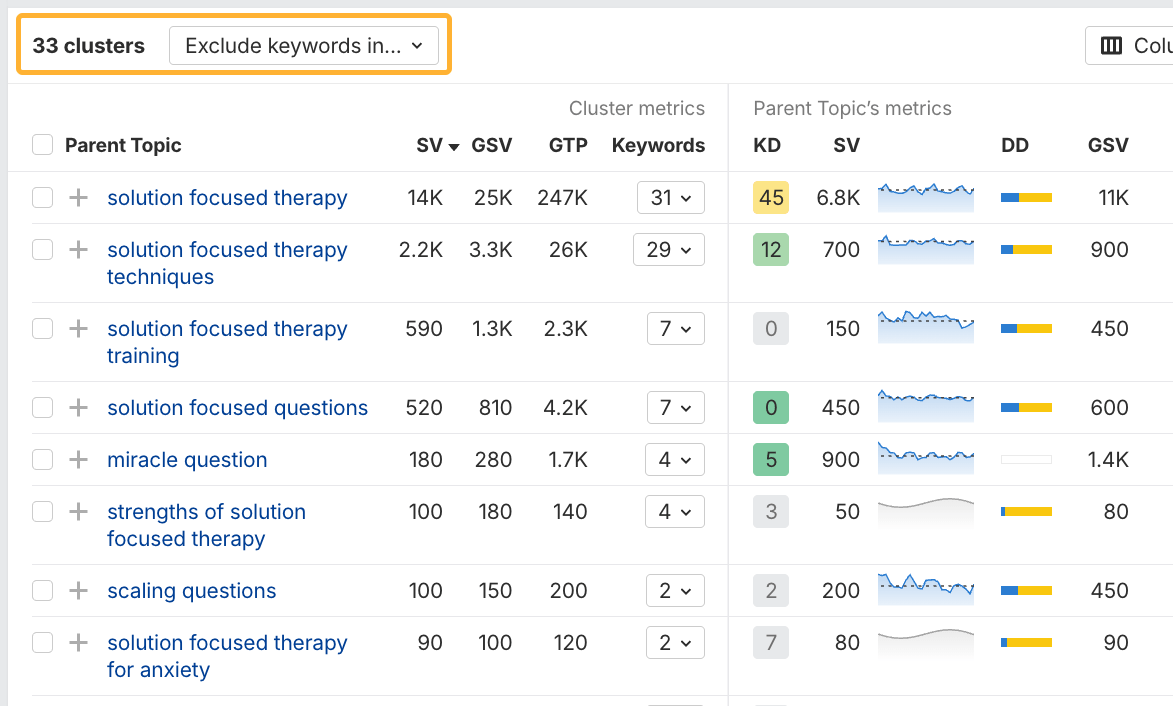
The complexity and scale of a topic dictate the optimization approach. A systematic, three-tier method helps manage this complexity:
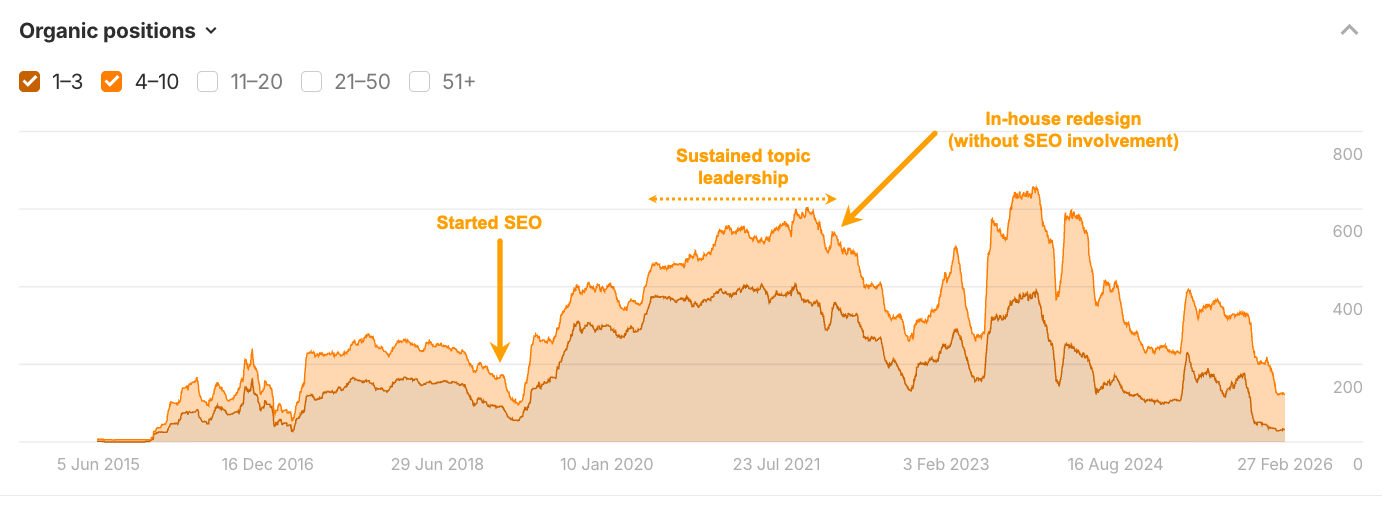
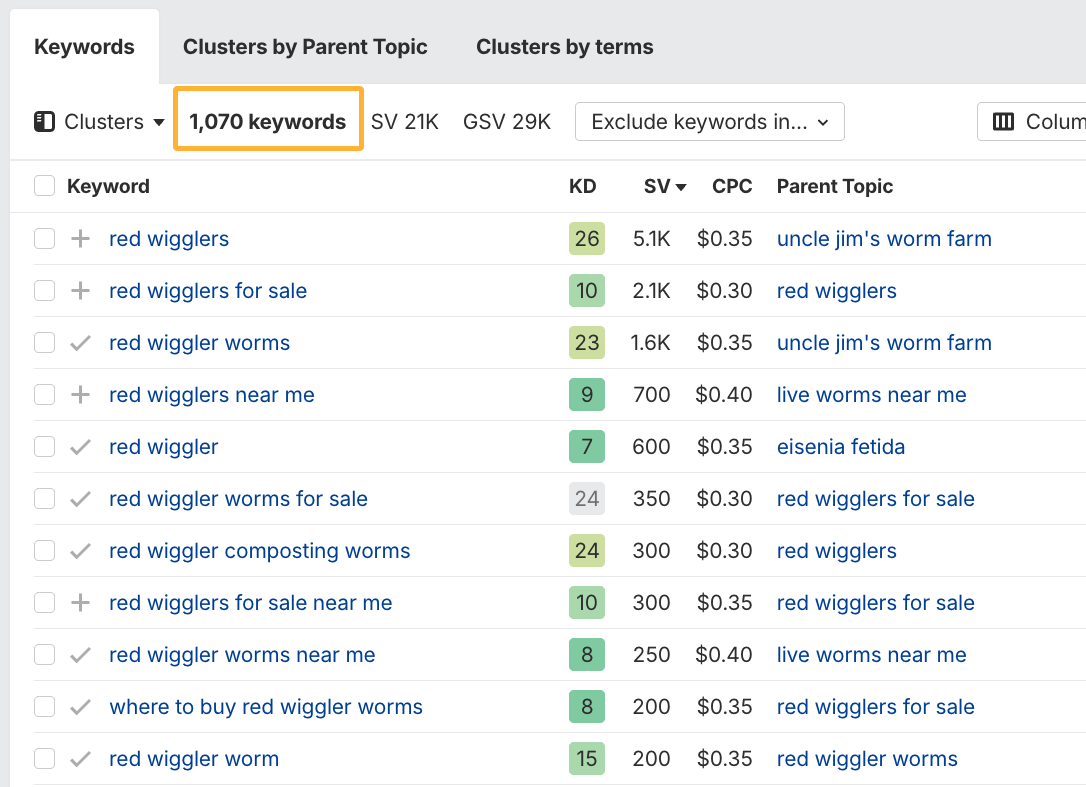
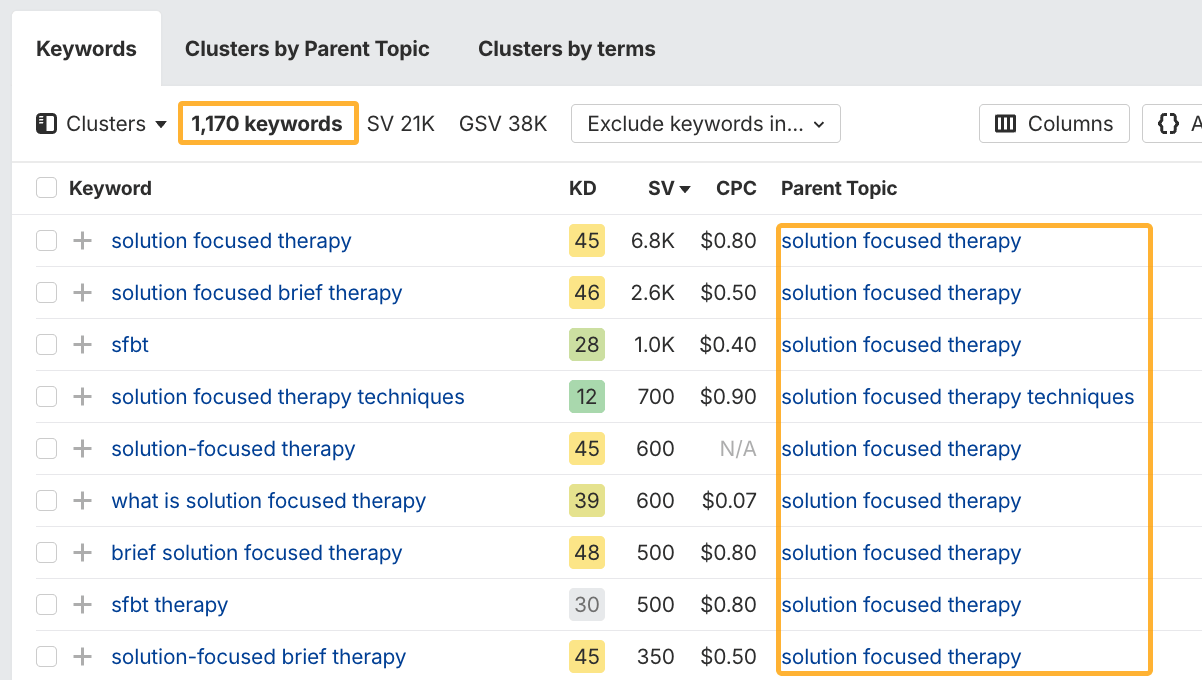
Tier 1: Clearly Defined Topics: These topics have distinct boundaries, a manageable number of relevant keywords, and consistent user intent. They are like small, contained solar systems. For example, a worm farmer specializing in red wigglers might only need to target around 1,070 keywords, coverable with a modest number of blog posts and e-commerce pages. Success in this tier involves comprehensive coverage of the niche and building brand authority within it, rather than expanding into unrelated areas that dilute focus. A B2B company selling specialized uniforms achieved topic leadership in its country with just 114 e-commerce pages covering about 2,500 keywords. Maintaining this leadership plateau is key, focusing on brand authority and awareness.
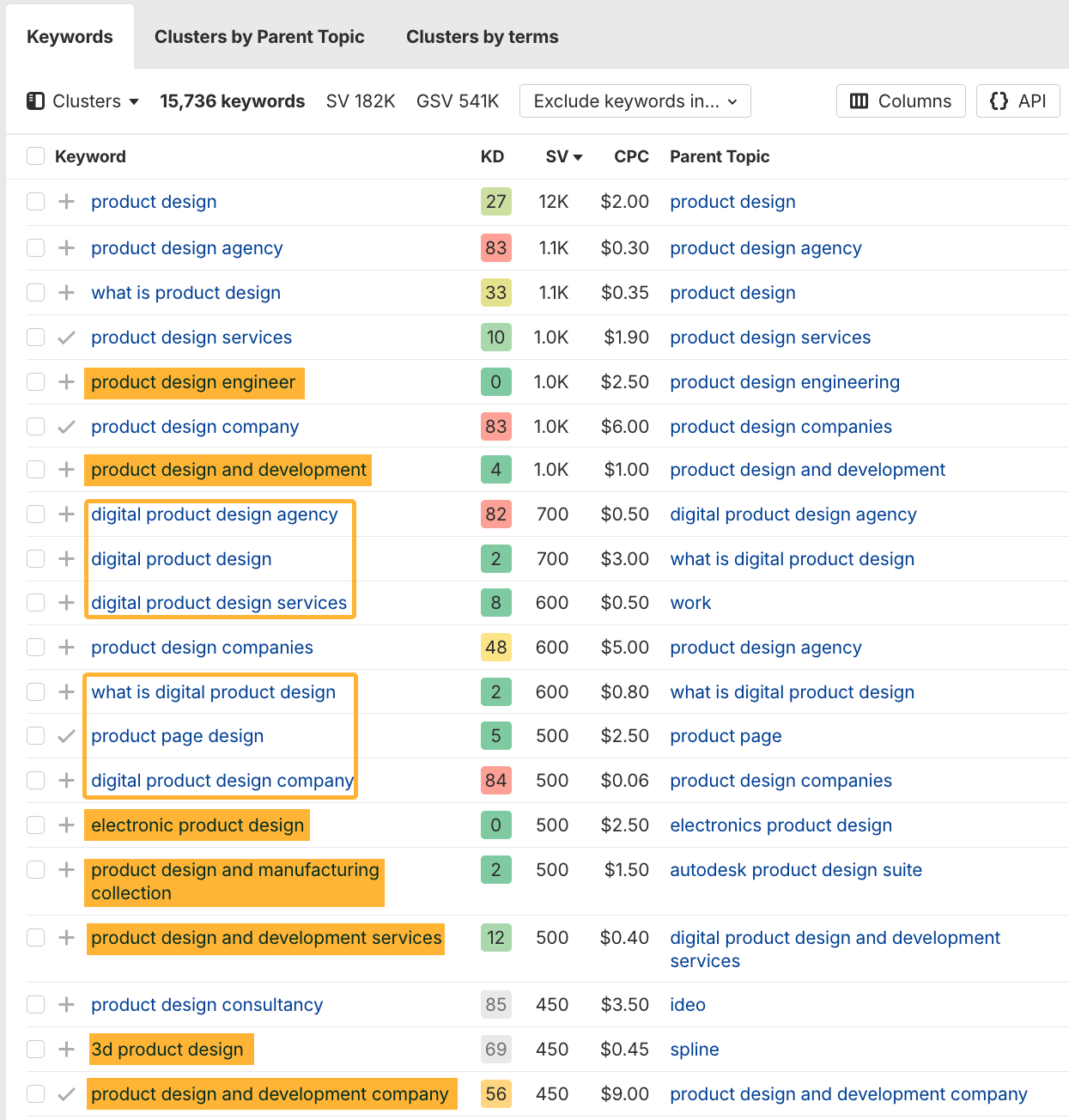
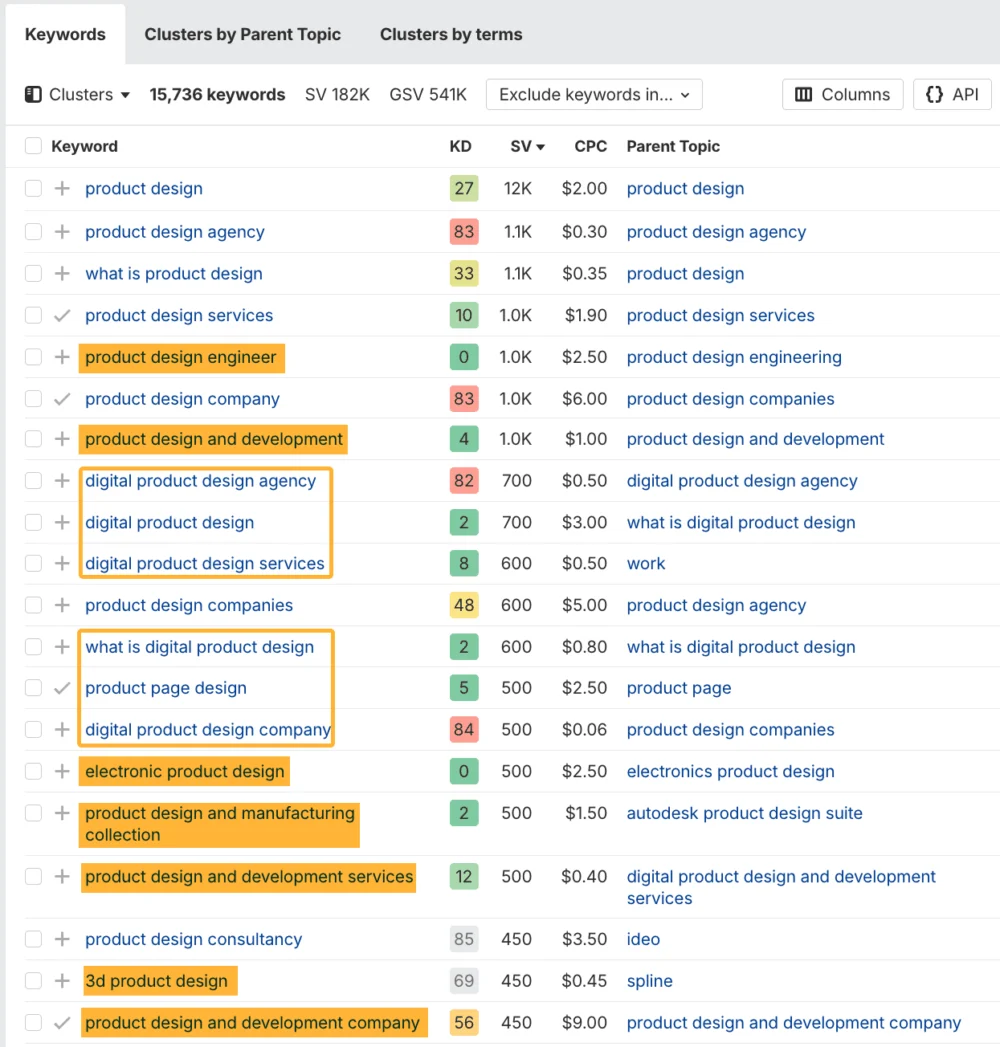
Tier 2: Ambiguous Topics: These topics appear straightforward but quickly become complex, with larger keyword sets, mixed user intent, and fuzzy boundaries. They are akin to the solar system, with multiple orbiting bodies and unclear connections. "Product design" is an example, encompassing both UX/prototyping and physical manufacturing. Search engines and users can find it difficult to disambiguate these keywords. Brands can become leaders in relevant sub-areas but may not be able to "own" the entire ambiguous topic due to its inherent complexity. Success here requires a nuanced semantic SEO approach, understanding the relationships between concepts rather than solely focusing on keyword volume.
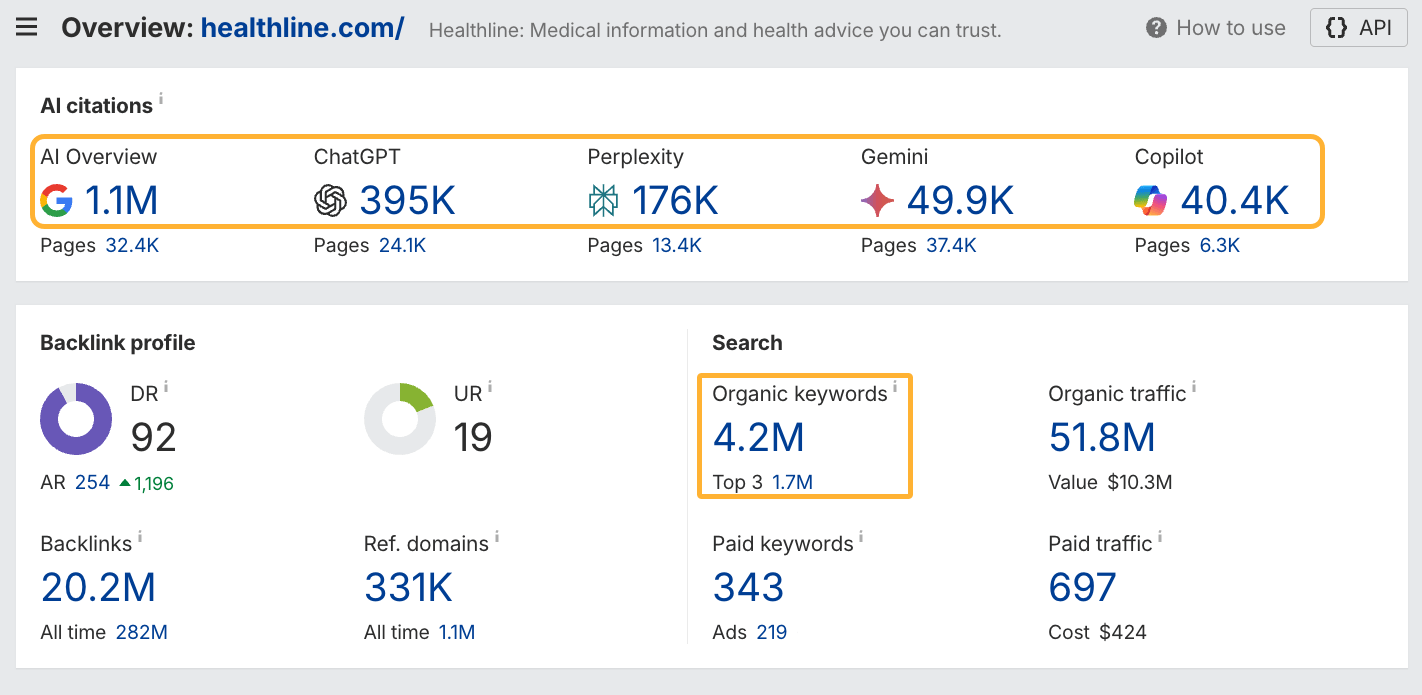
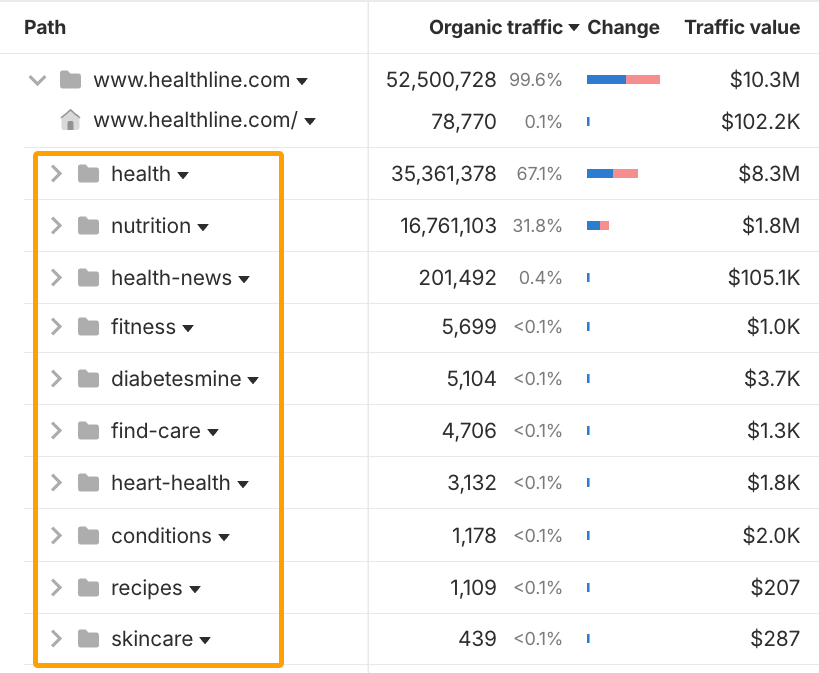
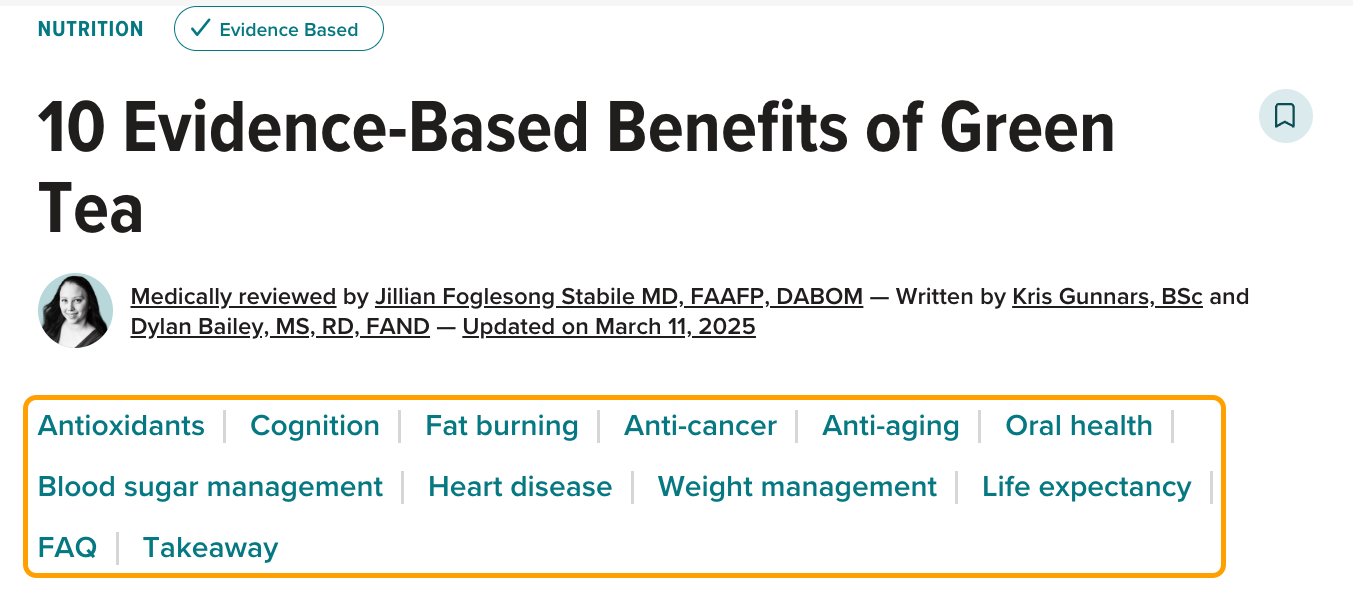
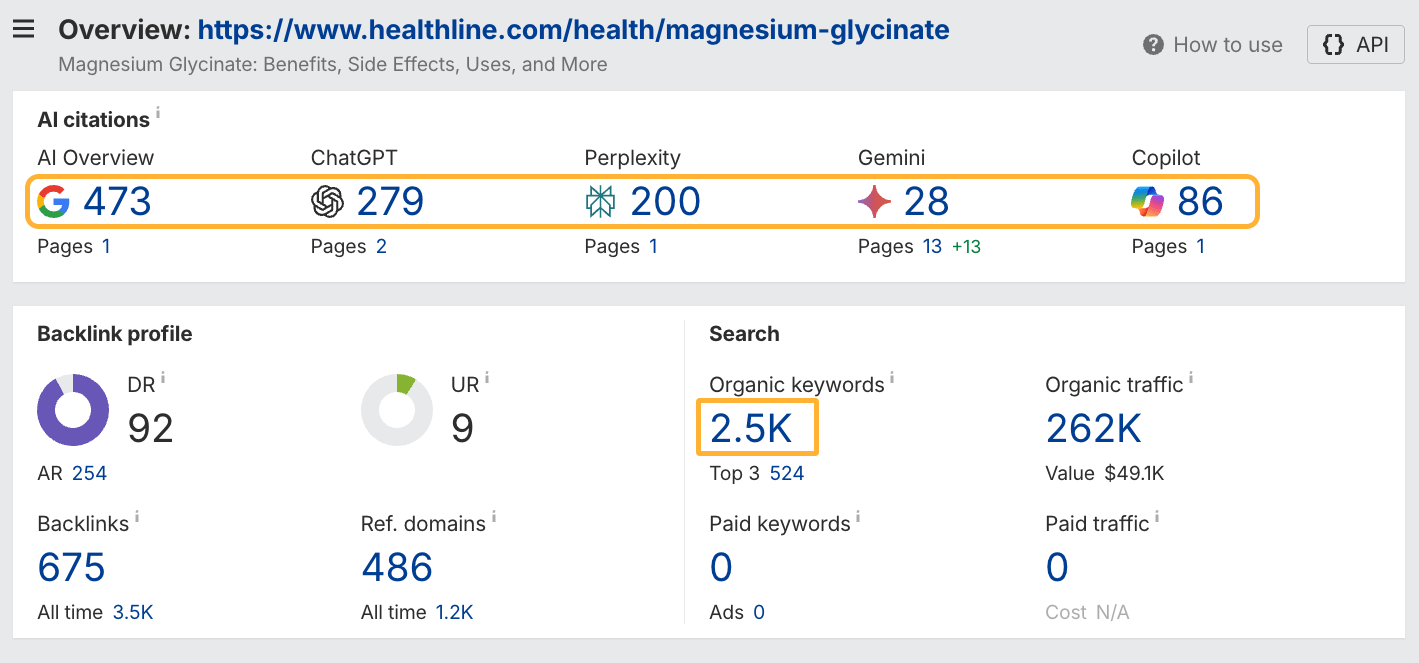
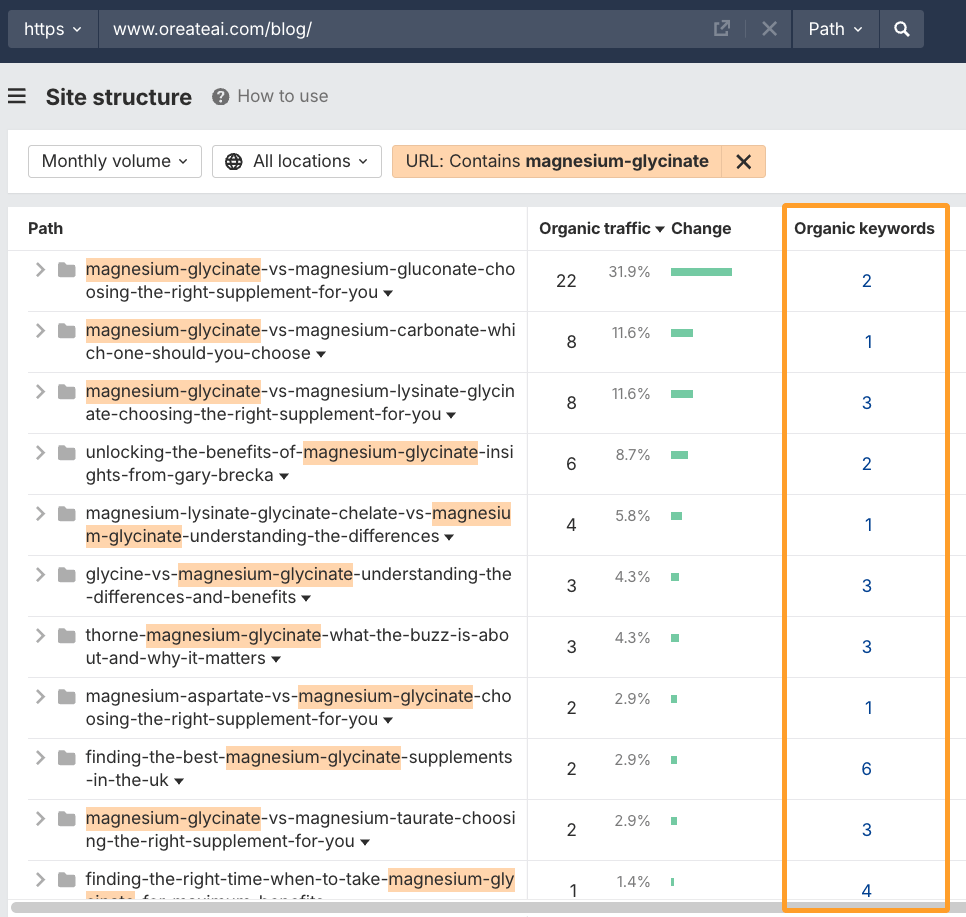
Tier 3: Expansive Topics: These topics have no discernible boundaries and are constantly evolving with new queries, driven by user behavior and AI advancements. They are like galaxies, vast and ever-growing. Examples include broad health information sites like Healthline or large marketplaces like Amazon. The keyword universe here spans hundreds of thousands, if not millions, of terms. Manual keyword research is impractical. Instead, the focus shifts to identifying structural patterns and clusters within large datasets. Healthline, for instance, achieves broad visibility by creating a comprehensive resource for health questions across various medical subjects, with different content pillars for health, nutrition, and fitness. Their approach prioritizes structural topical coverage, building authority that transcends individual keywords. In contrast, a strategy focused on optimizing for individual keywords, like Oreate AI’s numerous pages for "magnesium glycinate," can be less efficient than a holistic topical approach.
A Step-by-Step Process for Topic Optimization
Start with Your Brand Lens: Before diving into keyword research, define the topic territory that is most relevant to your brand. Audit existing rankings using tools like Ahrefs Site Explorer to understand current associations. Analyze your business offerings, target audience, and competitive landscape to identify core topics and potential gaps or misinterpretations by search engines. This step ensures that your SEO efforts attract qualified customers.
Choose Your Optimization Approach: Based on the complexity of your chosen topics and your brand’s goals, select the appropriate tier. For Tier 1 topics, manual keyword research within tools like Ahrefs Keywords Explorer is effective. For Tier 2 and Tier 3, advanced tools like the Ahrefs MCP (Massive Content Plan) combined with AI language models like Claude can help cluster keywords semantically and identify gaps in expansive keyword universes. The goal is to build comprehensive topical authority, not just rank for isolated keywords.
Measure Your Topic Coverage: Track progress using metrics that reflect overall topic ownership, not just individual keyword rankings. Tools like Ahrefs Brand Radar can monitor keyword breadth, Share of Voice, and AI Share of Voice. By analyzing the "Topics" report in Brand Radar, you can see how semantic and AI search systems associate your brand with various topics and explore sub-topics within a broader subject area. The objective is to become a recognized authority for relevant topics, ensuring visibility across the entire semantic landscape.

In conclusion, while keywords remain a fundamental component of search, the strategic emphasis has shifted towards building deep topical authority. By understanding the nuances of keywords and topics, and by adopting a structured, tiered approach to optimization, brands can establish themselves as trusted sources of information, securing sustained visibility in an increasingly AI-driven search environment.