11

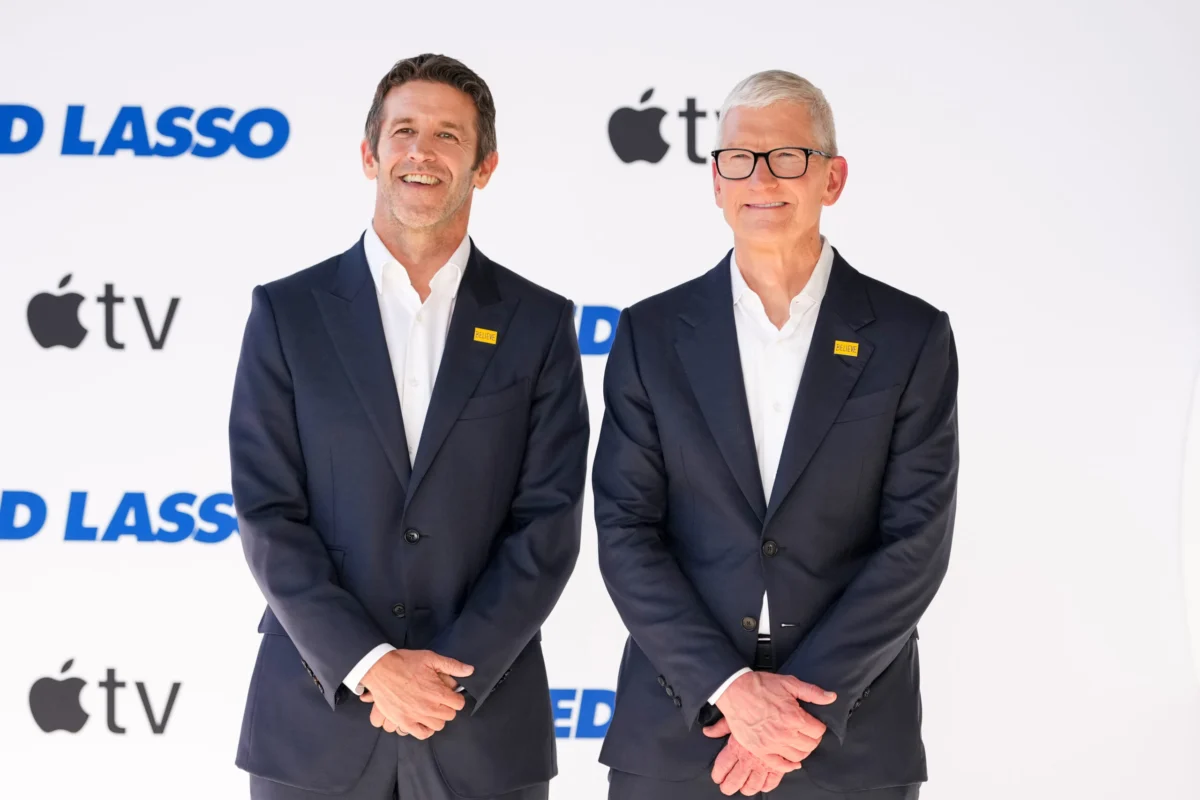
The official transition of leadership at Apple has taken place, marking the commencement of the John Ternus era. Tim Cook, after a distinguished tenure, stepped down as Chief Executive Officer this week, passing the baton to Ternus, formerly the company’s highly regarded hardware chief. The change in leadership comes at a pivotal moment, with Ternus’s inaugural memo to employees promising a "huge launch next week," indicating that Apple’s significant annual iPhone event will be his immediate, high-profile responsibility, even before he has fully acclimated to his new position.
While the CEO role has changed hands, Tim Cook is not entirely departing from Apple’s executive structure. He will remain deeply involved with the company, transitioning into the role of Executive Chairman. In this capacity, Cook is expected to concentrate on critical policy relationships, an area where his extensive experience and global network have proven invaluable. This focus was recently highlighted by the intricate handling of a seemingly minor issue, such as a map label, which escalated into a complex public balancing act, underscoring the delicate nature of Apple’s global operations and its interactions with various stakeholders. The leadership transition prompts an immediate and pressing question across the tech industry and financial markets: What will define the Ternus era at Apple, and to what extent will shareholders grant him the autonomy and time needed to fully articulate and implement his strategic vision?
The appointment of John Ternus to the helm of one of the world’s most influential technology companies represents a significant shift from the leadership style and operational focus that characterized Tim Cook’s fourteen-year tenure as CEO. Cook, who succeeded co-founder Steve Jobs in 2011, masterfully navigated Apple through a period of unprecedented growth, expanding its global footprint, diversifying its product portfolio with the introduction of new categories like the Apple Watch and AirPods, and, critically, scaling its burgeoning services division. His leadership was often praised for its operational excellence, supply chain optimization, and a steady hand that steered Apple to become the first company to achieve a $3 trillion market valuation. Cook’s decision to step down as CEO, while remaining as Executive Chairman, suggests a carefully planned succession designed to ensure continuity and leverage his unique expertise in navigating the complex geopolitical and regulatory landscape that increasingly impacts global tech giants. His focus on "policy relationships" in his new role is a testament to the growing importance of these external factors in Apple’s strategic planning and overall success.
John Ternus, prior to his elevation to CEO, served as Senior Vice President of Hardware Engineering, a role he held since 2021. His career at Apple spans over two decades, having joined the company in 2001. Throughout his tenure, Ternus has played a critical role in the development of numerous groundbreaking Apple products, including every generation of iPhone and iPad, as well as the Mac, and more recently, the innovative Vision Pro. His deep expertise in hardware design and engineering has positioned him as a quintessential "product builder," a characteristic that Tim Cook himself highlighted in his parting message, suggesting that Apple remains "in the hands of a product builder." This background indicates a leadership likely to emphasize robust product innovation and engineering excellence, which have always been core tenets of Apple’s philosophy.
The immediate challenge facing Ternus is the "huge launch next week." This almost certainly refers to Apple’s annual fall event, traditionally dedicated to unveiling the latest iPhone models alongside new Apple Watch iterations and other hardware or software updates. For a new CEO, launching the company’s most important product line so early in their tenure presents both immense pressure and a unique opportunity. The iPhone remains Apple’s primary revenue driver and its most recognizable product globally. The success or perceived success of this launch will inevitably shape initial perceptions of Ternus’s leadership, setting an immediate tone for his era. It will be a crucial test of his ability to execute seamlessly on the company’s established product roadmap while also hinting at any potential new directions or subtle shifts in strategy he might bring.
The question of "what the Ternus era looks like" is multifaceted. Apple operates in a rapidly evolving technological landscape, characterized by intensifying competition, particularly in the realm of artificial intelligence. While Apple has historically integrated AI capabilities into its products (Siri, Face ID, computational photography), the recent surge in generative AI applications from competitors has created a new urgency for the company to demonstrate its leadership in this domain. Ternus, with his hardware background, might seem initially more inclined towards tangible product improvements. However, industry analysts, as discussed on TechCrunch’s "Equity" podcast, suggest he may actually be better positioned to make progress on software in this new AI era. This perspective stems from the understanding that cutting-edge AI often requires deep integration between custom hardware and optimized software to deliver superior performance and user experiences. Ternus’s intimate knowledge of Apple’s silicon and hardware architecture could enable him to foster a more cohesive and powerful AI strategy that leverages Apple’s end-to-end control over its ecosystem. This contrasts with a purely software-focused approach that might struggle to optimize for underlying hardware.
Furthermore, the "Ternus era" will undoubtedly be shaped by Apple’s continued navigation of global regulatory scrutiny, particularly concerning antitrust issues, app store policies, and data privacy. Cook’s new role as Executive Chairman, focused on policy, is a strategic move to address these challenges, allowing Ternus to concentrate more on product and internal operations. However, the ultimate responsibility for Apple’s overall strategic direction, including how it responds to these external pressures, will rest with the new CEO. Shareholders will be closely watching for signs of how Ternus intends to balance innovation with profitability, and how he plans to maintain Apple’s competitive edge in a saturated market while adhering to increasing demands for transparency and fairness from regulators worldwide.
The "map label" incident serves as a pertinent example of the complex policy landscape Apple operates within. While the specifics of this incident are not detailed, it can be inferred that a seemingly innocuous geographical label on Apple Maps likely touched upon geopolitical sensitivities or sparked public debate, necessitating careful diplomatic navigation. Such situations, where a seemingly minor product detail can have significant international implications, underscore the importance of the policy relationships that Tim Cook will now prioritize as Executive Chairman. His experience in engaging with governments, industry bodies, and international organizations will be crucial in mitigating risks and shaping a favorable operating environment for Apple globally, thereby allowing Ternus to focus on the core business of product development and market expansion.
The "Equity" podcast, a flagship program from TechCrunch, provided insightful analysis into these developments. Hosted by Kirsten Korosec and Sean O’Kane, the podcast is known for its in-depth discussions on venture capital, startups, and the broader tech news landscape. On this particular episode, they delved into the intricacies of Ternus’s new role, examining the immediate challenges he faces and speculating on the strategic directions Apple might take under his leadership. Their discussion regarding Ternus’s potential to drive software advancements despite his hardware background, particularly in the context of AI, offers a nuanced perspective on the future of Apple’s product strategy. The hosts likely explored how Apple’s integrated ecosystem, where hardware and software are designed in tandem, could give Ternus a distinct advantage in delivering sophisticated AI features that are deeply embedded and highly optimized for Apple devices.
The transition from a long-serving, highly successful CEO to a new leader is always a moment of intense scrutiny for any major corporation. For Apple, a company that commands immense cultural and economic influence, the change is particularly significant. John Ternus steps into a role laden with expectations, inheriting a legacy of innovation and unparalleled market success. His immediate task of overseeing a critical product launch will be a public demonstration of his leadership. Beyond that, the tech world will be watching closely to see how he shapes Apple’s strategy in the face of burgeoning AI competition, evolving regulatory landscapes, and the ever-present demand for groundbreaking products. The balance between maintaining Apple’s established strengths and charting new territories will define the early years of the Ternus era, and the "rope" shareholders grant him will depend heavily on his ability to articulate a compelling vision and deliver tangible results in a rapidly changing industry.
Listeners interested in tracking these developments and more from the tech industry can subscribe to the "Equity" podcast on various platforms including YouTube, Apple Podcasts, Overcast, and Spotify. The podcast also maintains a strong presence on social media, with updates available by following @EquityPod on X (formerly Twitter) and Threads. The show continues to be a vital resource for understanding the complex dynamics of the technology world, offering timely analysis and expert commentary on the most impactful news stories, such as this significant leadership change at Apple. The production of such insightful audio content is facilitated by dedicated professionals like Theresa Loconsolo, an audio producer at TechCrunch, who plays a key role in bringing these discussions to a wide audience.