 11
11
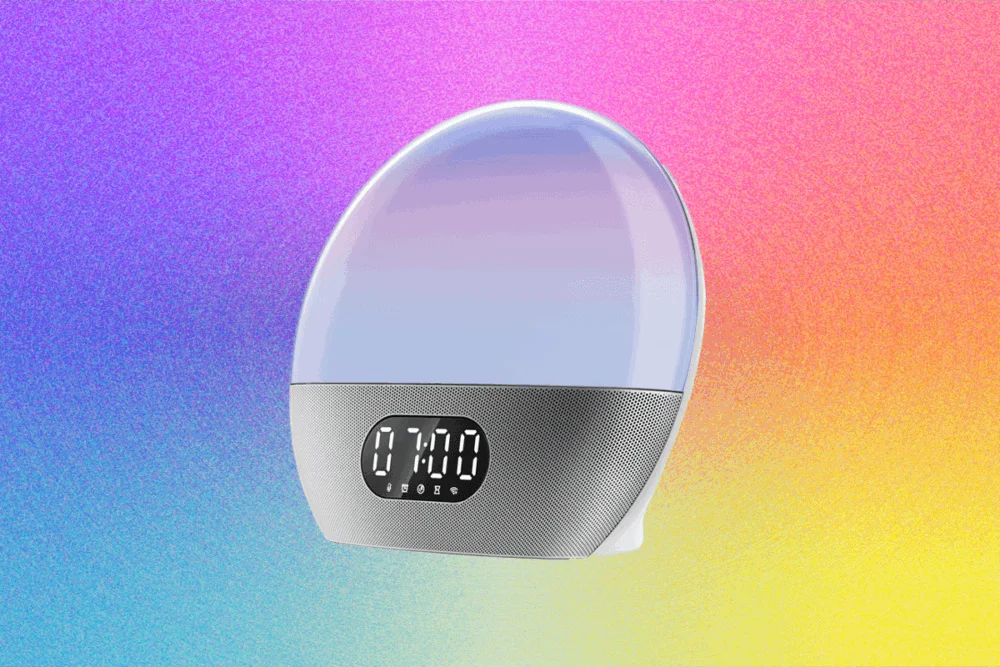
The jarring disruption of loud beeping and harsh tones, a common experience with traditional alarms, is far from an ideal or natural way to begin the day. For individuals who frequently hit the snooze button, a sunrise alarm clock, also known as a wake-up light, offers a remarkably effective alternative. This technology aids in establishing a healthier circadian rhythm by gradually increasing light, signaling to the body that it’s time to awaken. Crucially, a steadily brightening light is significantly harder to ignore than a repetitive noise that can be easily silenced with a quick tap of the snooze button.
Over the past two years, extensive testing involving nearly a dozen different sunrise alarm clocks has consistently demonstrated their transformative potential for morning routines. Understanding the mechanisms behind these devices and identifying the most effective models is key to unlocking a more refreshed start to the day.
How Do Sunrise Alarm Clocks Work?
The human body is intrinsically designed to align its waking and sleeping patterns with the natural light cycles of the sun. This biological clock, known as the circadian rhythm, responds to specific light cues. Morning light, particularly at sunrise, is characterized by warm, golden tones that gently signal the body to begin its waking process. Conversely, the warm, dimming light of sunset prompts the body to prepare for sleep. This stands in contrast to the bright, slightly blue-tinted light of midday, which is known to enhance alertness and suppress melatonin production.
A sunrise alarm clock ingeniously mimics this natural transition from dawn to full daylight. It features a built-in light source that can be programmed to gradually brighten at a specified time. This isn’t an instantaneous flick of a switch; instead, the light intensity slowly increases over a customizable period, typically ranging from 10 minutes to an hour. The most advanced models allow users to precisely select their preferred brightening window, enabling a gentle "crescendo" of light that progressively rouses the body from sleep. This slow light exposure helps to naturally suppress melatonin, the sleep hormone, and increase cortisol, preparing the body to wake up feeling more alert and less groggy.
Beyond light, many sunrise alarms incorporate sound effects. These devices often include a selection of relaxing nature sounds, ambient tones, or classic alarm sounds that typically begin playing as the light intensifies. While some users might prefer the light to precede the sound, allowing for a purely visual wake-up, this sequential activation isn’t always an available option across all models.
Furthermore, some sophisticated sunrise alarms offer a "sunset routine" feature. This allows users to activate the device at night, where it will slowly dim its light into darkness. This gradual reduction in light serves as another powerful visual cue, signaling to the brain and body that it’s time to wind down and prepare for sleep. Users often find greater utility in sunrise alarms like the Hatch and Lumie models that offer flexible activation for these routines, allowing them to initiate the dimming process with a simple button press, rather than requiring adherence to a fixed bedtime schedule.
Ultimately, these multi-functional lights can serve various purposes beyond just waking. They can double as sound machines, facilitate both waking and falling asleep, and even function as regular bedside lamps if their light output is sufficiently bright. However, it is important to note that not all sunrise alarms possess the full suite of these features. Therefore, prospective buyers must consider their budget and prioritize which functionalities are most crucial for their needs.
What Features Should You Look for in a Sunrise Alarm Clock?
The market offers a wide array of sunrise alarm clocks, each boasting a different set of features, with more expensive models typically including a broader range. To navigate these options effectively, consider the following questions to pinpoint the most relevant features for your lifestyle:
Which Sunrise Alarm Clocks Are Best?
After extensive evaluation, several models stand out for their performance and feature sets:
Lumie Bodyclock Luxe 700FM
This particular model consistently emerges as a top contender. Its substantial size and impressive brightness make it a highly effective wake-up light. The stylish exterior ensures it looks good on any bedside table, and a dedicated button for lamp mode allows for easy conversion into a regular, bright bedside lamp capable of illuminating an entire room. The Luxe 700FM boasts a rich selection of 27 sound options, along with a built-in radio that allows users to save five favorite stations. It supports both sunrise and sunset settings, providing comprehensive light-based routine management. The primary drawbacks include its exclusive 24-hour clock display and the absence of Wi-Fi or app control, meaning time adjustments (e.g., for daylight saving) must be made manually. For those seeking a slightly more affordable option with similar core functionality, the Lumie Shine 300 ($169) is a smaller alternative with fewer sounds but retains much of the Luxe 700FM’s effectiveness.
Hatch Restore 3
The Hatch Restore 3 and its predecessors are arguably the most widely recognized and recommended sunrise alarm clocks, frequently appearing in gift guides and social media. Its popularity is well-founded. The Restore 3 operates via the intuitive Hatch app, which offers an extensive array of sounds, light settings, and customizable routines for both morning wake-up and evening wind-down. Released in early 2025, the Restore 3 features enhanced physical buttons and controls, allowing users to easily activate their preferred settings without constantly resorting to the app. Its compact size is convenient for bedside tables, though it may not be as intensely bright as some users might desire for a forceful wake-up. A notable consideration is the optional Hatch+ membership, which unlocks the full library of audio content; however, a substantial amount of free content is still accessible without a subscription.
WiiM Wake-Up Light
For budget-conscious consumers who still prioritize a wide range of sound and color options, the WiiM Wake-Up Light is an excellent choice. Despite being one of the smallest models tested, it delivers sufficient brightness to effectively aid in waking. It offers a spectrum of colors, akin to a smart light bulb, allowing for personalized ambiance. The device connects to the WiiMLight app, which provides an impressive 102 free sounds and stations, a significant advantage. Both sunrise and sunset routines are supported. While it promises Alexa connectivity, this feature did not consistently work in testing, and its small stature limits its utility as a primary bedside lamp. Nevertheless, its extensive features for the price point make it an unbeatable value.
Honorable Mentions
FAQs
Do Sunrise Alarms Work for Heavy Sleepers?
Yes, sunrise alarms can be highly effective for heavy sleepers. The gradual increase in light, unlike an abrupt sound, is designed to slowly pull you out of deep sleep, making the wake-up process feel more natural and less jarring. Heavy sleepers might find it beneficial to select a model that allows for the longest possible gradual increase in brightness (e.g., a 60-minute window) to maximize the time their body has to adjust to the light and slowly rouse from sleep.
What’s the Difference Between a Sunrise Clock and a SAD Lamp?
While both devices involve light, their primary functions are distinct. Sunrise alarm clocks, or wake-up lights, are specifically designed to facilitate a gentle wake-up process by mimicking the natural sunrise. They aim to regulate your circadian rhythm by signaling to your body that it’s morning.
A SAD (Seasonal Affective Disorder) lamp, on the other hand, is a medical device used for light therapy to combat seasonal depression, particularly during darker months. SAD lamps emit a much brighter light (typically 10,000 lux) and are meant to be used for a sustained period during the day (e.g., 20-30 minutes in the morning) to simulate natural sunlight and help alleviate symptoms of seasonal depression. While both can influence your circadian rhythm, a SAD lamp performs a therapeutic function that a sunrise alarm clock is not guaranteed to replicate. Using a sunrise clock to stay on all day might provide some light, but it does not offer the same intensity or proven benefits as a clinically designed SAD lamp.
How Does WIRED Choose Sunrise Clocks to Test?
WIRED employs a rigorous selection process, beginning with extensive research into available models to ensure they meet specific testing criteria. Key factors include the presence of gradual wake-up features (distinguishing them from basic SAD lamps or nightlights) and a representation of various price points and additional functionalities. This approach allows for a comprehensive comparison between more affordable, feature-limited options and high-end models, ensuring that recommendations are well-rounded and cater to diverse user needs.
How Does WIRED Test Sunrise Clocks?
Each recommended sunrise clock undergoes practical, real-world testing. The reviewer places each device on their bedside table in a room equipped with blackout curtains to accurately assess its ability to brighten the space during its sunrise routine. Each model is used for sleeping for a duration ranging from one to seven nights, depending on its performance consistency. The testing protocol also includes evaluating the various sound options for speaker quality and overall pleasantness for both waking and falling asleep. If a model offers a nighttime wind-down routine, that feature is also thoroughly tested for its effectiveness.