 11

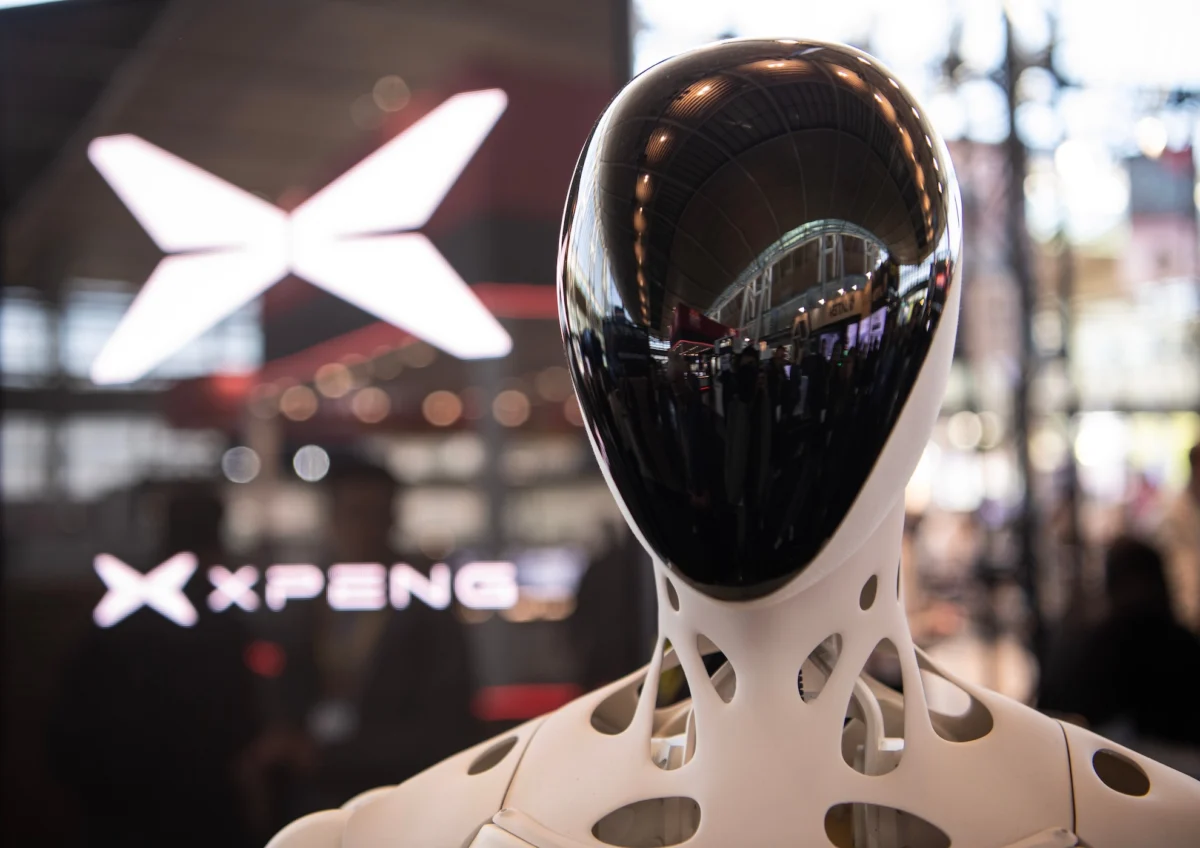
The long-standing fascination with humanoid robots, fueled by figures like Tesla CEO Elon Musk and his Optimus project, alongside the captivating demonstrations by Boston Dynamics’ Atlas robot, continues to generate significant public interest. Beyond this persistent hype, however, substantial and tangible progress is being made in the field. Roboticists and researchers are witnessing continuous advancements in the physical capabilities of these machines, coupled with a groundbreaking belief that the sophisticated AI techniques powering large language models (LLMs) can empower complex robots to learn and execute virtually any task. This integration promises a leap from rigid, pre-programmed actions to adaptable, context-aware learning, making robots far more versatile and useful across diverse environments.
These powerful tailwinds, combining improved hardware with advanced AI, have sparked a new wave of investment, drawing numerous companies into the burgeoning market for humanoid robots, enticed by the prospect of significant future profits. Notably, a considerable number of the latest entrants originate from China’s robust automotive sector. These automakers, already adept in large-scale manufacturing and complex engineering, are now strategically pivoting or expanding into the robotics domain.
Earlier this week, Xpeng’s dedicated robotics unit made headlines by successfully raising over $900 million in a single financing round. This impressive investment propelled the unit’s post-money valuation to more than $6.3 billion, underscoring strong investor confidence in its potential. The round, which was led by prominent venture capital firm IDG Capital, also saw significant participation from Gaorong Ventures, Tencent, and Alibaba. Xpeng characterized this achievement as the largest single-round private financing ever recorded within China’s rapidly expanding "embodied AI" industry. Embodied AI refers to artificial intelligence systems that are directly integrated into physical machines, enabling them to interact with and navigate the real world, rather than existing solely as software.
The trend extends beyond Xpeng. This month, AiMOGA, the robotics arm of China’s automotive giant Chery Automobile, reportedly initiated preparations for an initial public offering (IPO), with ambitions to target overseas markets by 2026. Simultaneously, another major player, BYD, a global leader in electric vehicles, unveiled its own humanoid robot named Xiao Di, signaling its commitment to the sector. The list of Chinese automakers venturing into humanoid robot development continues to grow, with prominent names such as Changan, GAC, Li Auto, SAIC, and Seres also actively pursuing their own robotic initiatives. This collective movement highlights a strategic shift within the Chinese auto industry to diversify and capitalize on the future of intelligent machines.
Among these numerous players, Xpeng stands out as the Chinese automaker most closely aligned with and observant of Tesla’s pioneering endeavors, according to insights from Michael Dunne, CEO of Dunne Insights, an advisory firm based in San Diego and Singapore. Dunne elaborated on Xpeng’s distinctive position, stating, "It’s the most focused on autonomy, it’s the first to commit in a big way to humanoid robots." He further highlighted the entrepreneurial drive of Xpeng’s founder, He Xiaopeng, describing him as a tech billionaire renowned for his agility and willingness to make quick strategic adjustments. Dunne suggested that Xiaopeng perceives "razor-thin profit in cars on the near horizon," making the humanoid robot sector appear "much more promising" as a future revenue stream and technological frontier.
The commitment from Xpeng’s leadership is not merely corporate but also personal. Both He Xiaopeng and Xpeng co-president Brian Gu have demonstrated their profound belief in the robotics unit’s prospects by investing their own substantial funds into the recent financing round. According to a report by the Wall Street Journal, the duo collectively contributed approximately $100 million to the fundraising, an extraordinary show of confidence from the company’s top executives. Xpeng’s specific bet in the humanoid space is on a robot named "Iron," designed with a realistic human shape and engineered specifically for commercial deployment, indicating a clear focus on practical, real-world applications rather than purely research-oriented prototypes.
One significant advantage that Chinese automakers like Xpeng bring to the table is their formidable manufacturing prowess. Dunne acknowledged this strength, noting, "They have all the hardware to get the job done." This encompasses extensive supply chains, advanced production facilities, and deep expertise in scalable manufacturing, which are critical for producing complex robots at volume. However, Dunne also identified a key challenge for these companies: "Question is if they can catch Tesla on the AI side of the equation." This highlights the crucial distinction between hardware capability and the sophisticated software and artificial intelligence necessary for truly intelligent, autonomous humanoid robots.
The race for commercial deployment at scale is not limited to Chinese automakers. Numerous other companies worldwide are also intensely focused on developing advanced humanoid robots. Prominent players include Agility Robotics, Apptronik, and Figure, all of whom share the overarching goal of bringing functional, cost-effective humanoid robots to widespread commercial use. These companies are exploring various applications, from logistics and manufacturing to domestic assistance.
Hyundai-owned Boston Dynamics, a long-standing leader in advanced robotics, is making significant strides toward this goal with its Atlas humanoid robot. Hyundai, a major global automaker, plans to integrate Boston Dynamics’ Atlas robot into its Georgia factory as early as this year. The ultimate vision is to deploy these advanced robots for critical tasks such as parts sequencing by 2028, signaling a profound shift in manufacturing automation. To accelerate the development of Atlas, the Korean automaker forged a strategic partnership with Google’s renowned AI research lab, DeepMind. Furthermore, Hyundai is establishing a dedicated U.S. facility this year, dubbed the "Robot Metaplant Application Center," specifically designed to teach robots how to execute complex movements, including precise lifts and intricate turns, thereby refining their practical utility in industrial settings.
Beyond these dedicated robotics firms and automotive giants, other companies within the broader automotive ecosystem are also making significant moves into the humanoid robot space. Mobileye, a leading provider of advanced driver-assistance systems and autonomous driving technologies, recently demonstrated its commitment by acquiring humanoid robot startup Mentee Robotics earlier this year for an estimated $900 million. This acquisition positions Mobileye to leverage its expertise in perception and AI for robotic applications. Even Rivian, the electric vehicle manufacturer, is dabbling in robotics through its spinout company, Mind Robotics. However, Rivian’s approach appears to be distinct, as its robots are not expected to adhere to the conventional human-like form factor being developed by many other companies, suggesting an exploration of alternative robotic designs for specific functions.
The convergence of advanced physical robotics and sophisticated AI, particularly the capabilities offered by large language models, is creating an unprecedented opportunity for humanoid robots to transition from experimental marvels to commercially viable, adaptable tools. The significant investment from Chinese automakers, leveraging their manufacturing might, underscores a global belief in this future, even as the challenge of matching AI sophistication remains a critical hurdle. The coming years are poised to witness a transformative era as these intelligent machines begin to integrate into various industries, redefining automation and human-robot collaboration.






