 11

House Democrats are reportedly preparing to unleash a formidable arsenal of oversight investigations and leverage the potent "power of the purse" should they secure a victory in the upcoming midterm elections, aiming to compel compliance from the Trump administration. Sources close to Inner Loop indicate that potential targets for budget cuts include funding for President Trump’s West Wing renovations and his ambitious proposal for a triumphal arch in Washington D.C. This strategic shift underscores a growing determination within the Democratic party to reassert congressional authority over the executive branch.
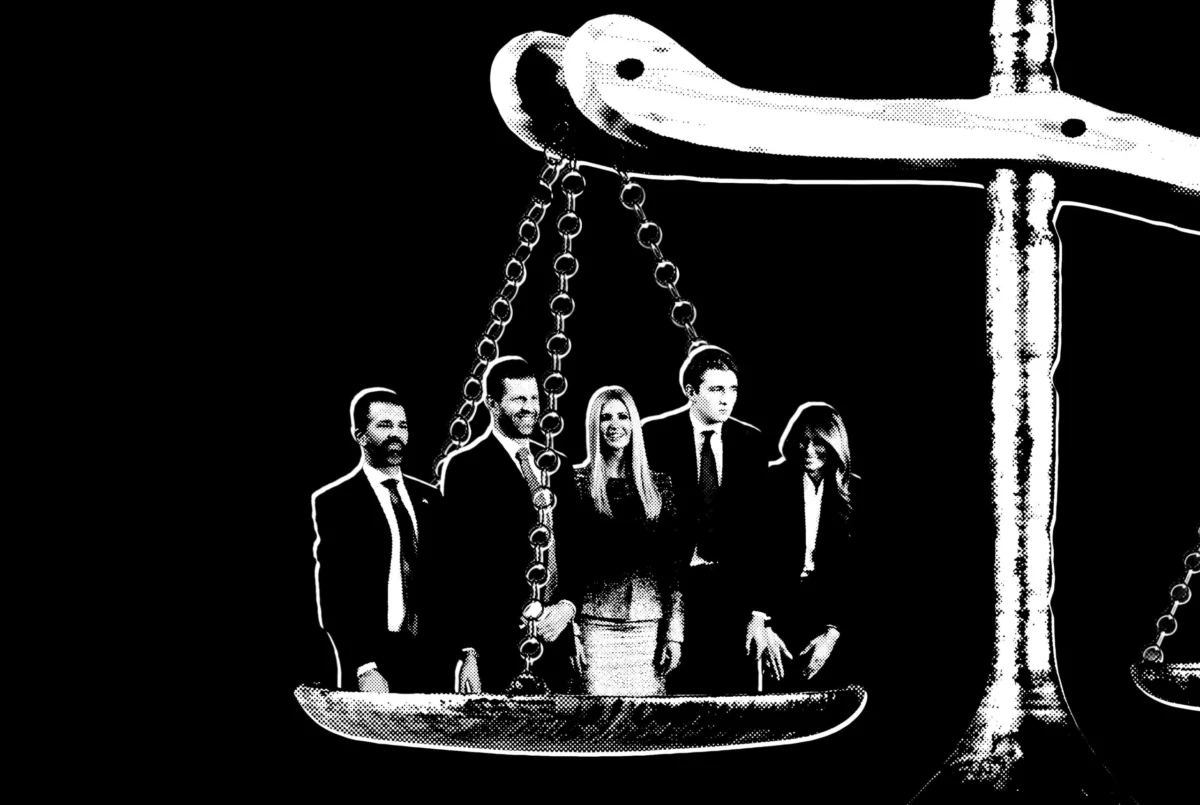
The prospect of regaining control of the House of Representatives has galvanized Democratic lawmakers, prompting them to begin contemplating the scope and nature of potential investigations for the next legislative session. While acknowledging that a House majority is not a guaranteed outcome, a comprehensive framework for challenging the executive branch is already taking shape. Congressional committee aides, working behind the scenes, have been actively exploring various mechanisms to ensure that uncooperative officials and members of the Trump family comply with future subpoenas, signaling a more aggressive stance than in previous legislative periods.
A central theme guiding these preparations is President Trump’s widely reported focus on personal legacy and "vanity projects" during his term. Democrats are considering a more assertive application of congressional appropriations power, specifically threatening to defund the President’s construction endeavors. This approach directly addresses concerns that the President has prioritized personal architectural ambitions over traditional governmental functions or accountability, often at significant public expense.
The "power of the purse" is a foundational constitutional authority vested in Congress, granting it the exclusive right to appropriate funds for federal spending. This means no federal money can be spent without congressional authorization. By controlling the allocation of funds, Congress can effectively dictate which executive branch initiatives move forward and which are halted. If President Trump attempts to obstruct a congressional investigation or disregards legislative directives—such as proceeding with renaming federal buildings without explicit approval—House Democrats are contemplating severe financial repercussions. These could include cutting off funding for any proposed future West Wing renovations or blocking appropriations for the controversial "triumphal arch" project, which has been reported as a significant personal interest for the President.
While routine West Wing renovations typically involve essential maintenance, technological upgrades, and functional improvements to support presidential operations, the phrase "personal vanity projects" suggests undertakings that extend beyond these standard requirements, potentially reflecting the President’s personal aesthetic preferences or legacy ambitions. The proposal for a "triumphal arch" in Washington D.C., a monumental structure often associated with commemorating military victories or significant national achievements, represents another large-scale construction initiative that would undoubtedly require substantial federal funding and congressional approval. Such projects, given their symbolic and financial implications, would be particularly vulnerable to congressional intervention through the appropriations process. This direct financial leverage represents a powerful tool to bring the executive branch into alignment with congressional demands.
Jamie Raskin, the top Democrat on the House Judiciary Committee, has publicly articulated this strategy, emphasizing the constitutional authority of Congress over federal spending. Raskin recently suggested that this fiscal power could even be retroactively applied to projects already underway. "We have the power of the purse, and we will make sure Donald Trump doesn’t destroy any other federal buildings or landmarks," Raskin stated to reporters. His comments came in the wake of a deeply divided Supreme Court decision that permitted President Trump to continue construction on a controversial ballroom, highlighting the ongoing tensions between the branches of government regarding presidential prerogatives and the limits of executive power over federal property.
Raskin further elaborated on the constitutional principle at stake, asserting, "Congress established the appropriation for the White House, and it’s up to Congress to decide, and it’s not up to the president to decide to bulldoze half of the White House because he wakes up that day thinking it’s a good thing to do." This statement underscores the Democratic argument that presidential actions concerning federal property, especially iconic structures like the White House, are not unilaterally determined by the executive but are subject to congressional approval and funding. The implication is that unchecked presidential discretion in modifying federal assets poses a threat to established governmental processes, historical preservation, and the constitutional separation of powers.
The challenges inherent in enforcing congressional subpoenas against a resistant administration have long been a point of contention and frustration for the legislative branch. Traditional legal avenues for compelling testimony or document production through the courts are notoriously time-consuming. A typical subpoena enforcement case must navigate the federal district court in Washington D.C., followed by a potentially lengthy series of appeals, often extending for years. This protracted legal process frequently means that a resolution is not reached until after the targeted official, or even the administration itself, has left office, effectively rendering the subpoena moot and undermining congressional oversight capabilities.
A prominent example of this delay was seen during President Trump’s first term when his administration asserted executive privilege to prevent former White House counsel Don McGahn from complying with a congressional subpoena for documents and testimony. Despite the subpoena, McGahn did not testify while Trump was still in office, with his testimony only occurring behind closed doors in June 2021, long after Trump had left the presidency. This case vividly illustrates how the executive branch can exploit legal delays to stonewall congressional oversight, frustrating legislative inquiries and undermining the legislature’s constitutional role to hold the executive accountable.
Recognizing these systemic obstacles, Democratic aides have been actively exploring alternative and more immediate methods to make subpoena noncompliance a less attractive option for executive branch officials. One such idea, discussed by sources familiar with Inner Loop, involves the implementation of cumulative monetary fines through the House rules’ inherent contempt provision. This rarely invoked power allows Congress to directly enforce its own subpoenas without relying on the judicial or executive branches. While historically used sparingly due to its political implications and potential for inter-branch conflict, the threat of direct financial penalties could serve as a significant deterrent against stonewalling and a more immediate form of accountability.
However, many legal experts contend that the most effective way to imbue congressional subpoenas with real enforcement power is through comprehensive legislative reform that accelerates judicial review for contested subpoenas. The aim is to ensure that such disputes are resolved expeditiously, ideally while the president responsible for the noncompliance is still in office. This would close the loophole that allows administrations to run out the clock on investigations by leveraging judicial delays.
The most viable legislative proposal to gain traction in recent years suggests a specialized judicial pathway for subpoena disputes. Under this framework, a subpoena dispute would be immediately referred to a panel of federal district court judges, bypassing the usual single-judge assignment and potentially expediting initial rulings. Crucially, any appeal from this panel’s decision would go directly to the Supreme Court, bypassing the circuit court level entirely. This fast-track mechanism is designed to provide definitive legal answers on congressional subpoena power within a presidential term, thus making oversight more effective and timely.
Despite its promise, this legislative solution is not considered a "panacea." A significant limitation lies in the fact that the Justice Department, which typically prosecutes subpoena noncompliance, would be unlikely to prosecute its own officials or those of the administration it serves. This inherent conflict of interest means that even with a streamlined judicial process, ultimate enforcement against executive branch figures might remain challenging without a political will within the executive to cooperate or a truly independent mechanism for prosecution.
The current political landscape suggests a looming confrontation between the legislative and executive branches if Democrats reclaim the House. The potential conflict pits congressional oversight, rooted in the constitutional power of appropriations and investigation, against presidential authority, particularly concerning personal projects and executive privilege. As one source succinctly put it, President Trump might soon face a stark choice: "subpoena or arch." This encapsulates the high stakes and the direct leverage Democrats intend to wield, aiming to force accountability and compliance through financial and investigative means. The upcoming midterms are not just about legislative control; they are about redefining the balance of power within the federal government and the limits of presidential action, particularly regarding public funds and federal property.
This is an edition of Hugo Lowell’s Inner Loop newsletter. Read previous newsletters here.






