11
11
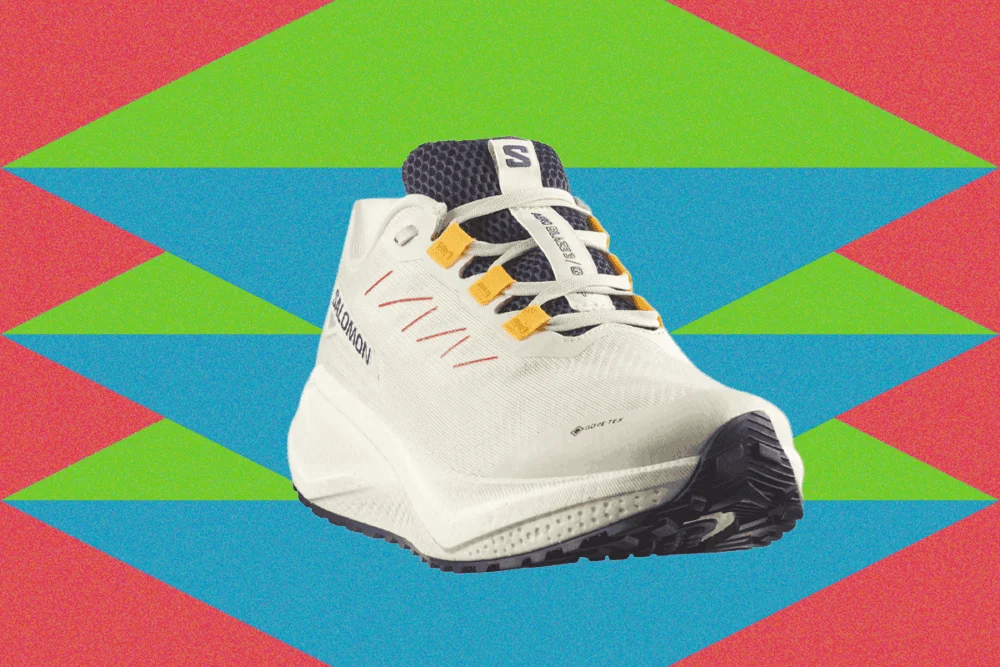
Gravel running shoes represent the latest innovation in athletic footwear, now prominently featured on shoe store shelves, addressing a growing demand within the running community. This emerging niche in performance footwear is meticulously engineered to cater specifically to mixed-terrain runs, establishing a novel hybrid category that skillfully combines the robust durability and traction required for off-road environments with the smooth responsiveness and comfort essential for on-road performance. These versatile, do-it-all shoes are designed to excel across a spectrum of running conditions, proving equally effective whether a runner is embarking on less technical off-road excursions or simply using paved roads for a warm-up en route to a trailhead.
The development of gravel running shoes signifies a significant evolution in the athletic footwear market, acknowledging the reality that many runners do not confine their activities to a single type of surface. Instead, a considerable segment of the running population regularly logs miles that traverse diverse landscapes within a single outing. This could involve starting a run from home on pavement, transitioning to a compacted gravel path, continuing onto a hardpack trail through a forest, and then returning via more paved roads. Traditional road running shoes often lack the necessary grip and protection for anything beyond smooth surfaces, while highly specialized trail running shoes can feel cumbersome, over-engineered, and less efficient when used on extensive stretches of pavement. Gravel running shoes bridge this gap, offering a singular solution that adapts seamlessly to these varied demands.
For individuals who consistently incorporate mixed-terrain miles into their training regimens, navigating surfaces such as compacted gravel paths, less technical forest roads, firm hardpack trails, and conventional asphalt or concrete roads, these specialized shoes could well be the ultimate tool they have been seeking. The inherent design philosophy behind gravel running shoes focuses on delivering a balanced performance profile. This means providing sufficient cushioning and flexibility for comfortable road running, coupled with enhanced traction, durability, and a degree of underfoot protection crucial for tackling less predictable off-road conditions.
Extensive testing has further demonstrated the capabilities of these hybrid shoes beyond their primary mixed-terrain function. In various assessments, some models have proven remarkably effective in maintaining accessibility and safety on routes during more challenging winter conditions. This particular attribute suggests that their outsole designs and material compositions offer superior grip on wet, slushy, or lightly snow-covered surfaces compared to standard road running shoes, without necessarily adopting the extreme features of dedicated winter or extreme-weather trail shoes. This added resilience makes them a valuable asset for runners looking to sustain their training through less-than-ideal weather, offering an improved sense of security and stability when roads become slick or partially obstructed.
The unique characteristics of gravel running shoes are manifest in their construction, where each component is optimized for versatility. The outsole, a critical element, typically features a lug pattern that is more aggressive than that found on road shoes but less pronounced and deep than those on technical trail shoes. These lugs are often multi-directional, providing reliable grip on loose gravel and dirt while still allowing for a smooth and unobtrusive ride on pavement. The rubber compounds used are carefully selected to offer a balance between durability for sustained road use and stickiness for traction on varied off-road surfaces. This thoughtful design minimizes the jarring sensation often associated with trail shoes on pavement and reduces the risk of slipping on uneven or loose ground.

The midsole technology in gravel running shoes is also engineered for dual performance. It generally incorporates responsive cushioning materials that absorb impact effectively on hard surfaces, ensuring comfort over long distances on roads. Concurrently, the midsole is designed to provide adequate stability and a degree of ground feel, which is essential for navigating uneven terrain confidently. While some models may integrate a flexible rock plate for minor underfoot protection, this is usually less rigid and extensive than in full-fledged trail shoes, preserving the shoe’s pliability for road sections. This allows for an energetic toe-off on pavement while still offering a buffer against stones and roots encountered on trails.
The upper construction of gravel running shoes aims for a blend of breathability and protection. Materials are often durable yet lightweight, providing sufficient ventilation for comfort during warmer road runs, while also offering some resistance to abrasions from trail debris. Reinforcements are strategically placed in high-wear areas to enhance longevity without adding excessive bulk or rigidity. The fit is typically designed to be secure enough to prevent foot slippage on uneven terrain but comfortable and accommodating enough for prolonged periods on roads, often striking a balance between the snugness of a trail shoe and the roominess of a road shoe.
The emergence of gravel running shoes reflects a broader trend in athletic pursuits towards cross-disciplinary activities and the desire for fewer, more versatile pieces of gear. Runners are increasingly exploring varied landscapes, from urban parks with gravel paths to rural roads that transition into forest trails. The convenience of a single pair of shoes that can handle these transitions without compromising performance or comfort is a compelling proposition. It eliminates the need to carry an extra pair of shoes or to make a choice that sacrifices optimal performance on one surface for another.
To identify the most effective options in this burgeoning category, experts have undertaken rigorous evaluation processes. These involve logging hundreds of miles across various terrains in the latest gravel shoe models from a wide array of brands, encompassing both established industry leaders and innovative smaller manufacturers. This comprehensive testing protocol assesses critical performance metrics such as overall comfort, cushioning responsiveness, grip efficacy on different surfaces, durability of materials, stability across varied terrains, and the seamless transition experience between road and trail. The objective is to provide runners with an expert-curated selection of the best gravel shoes currently available on the market, ensuring that recommendations are based on extensive, real-world performance data.
For those interested in optimizing their running experience, exploring complementary gear is often beneficial. In addition to insights on the best gravel running shoes, comprehensive reviews and guides are available across various health and fitness product categories. These include detailed analyses of the Best Running Shoes for different foot types and running styles, selections of the Best Running Socks designed to enhance comfort and prevent blisters, and evaluations of the Best Fitness Trackers to monitor performance metrics and overall well-being. These resources collectively aim to equip runners with the knowledge and tools necessary to make informed decisions about their gear, ultimately enhancing their training, performance, and enjoyment of the sport.