11

Generative AI tools such as ChatGPT, Claude, and Letaido have seen remarkable advancements over the past year, transforming previously unimaginable aspects of marketing into automatable processes, accessible without specialized technical expertise. This comprehensive guide details 37 straightforward and impactful ways marketers are leveraging AI across various disciplines, from SEO to international marketing, with each workflow backed by real-world application and demonstrable results.
All these AI-powered workflows can be implemented using Letaido, an AI marketing agent from Ahrefs. Ahrefs customers can access a free one-month trial.
SEO
SEO, often characterized by its tedious and complex nature, involving crawl exports, Search Console data, and intricate spreadsheet analysis, is an area where AI offers significant advantages. However, experts caution against unrealistic promises of complete automation for minimal cost, emphasizing that AI tools are augmentations, not replacements, for marketing acumen.
Google Quality Rater Page Assessment: Dan Hinckley of Go Fish Digital has developed an AI agent that emulates Google’s quality raters. It analyzes a webpage against Google’s 168-page rater handbook, cross-referencing it with keyword search results and user intent, providing a detailed report on guideline adherence. This tool can also analyze competitor pages to identify areas of strength.
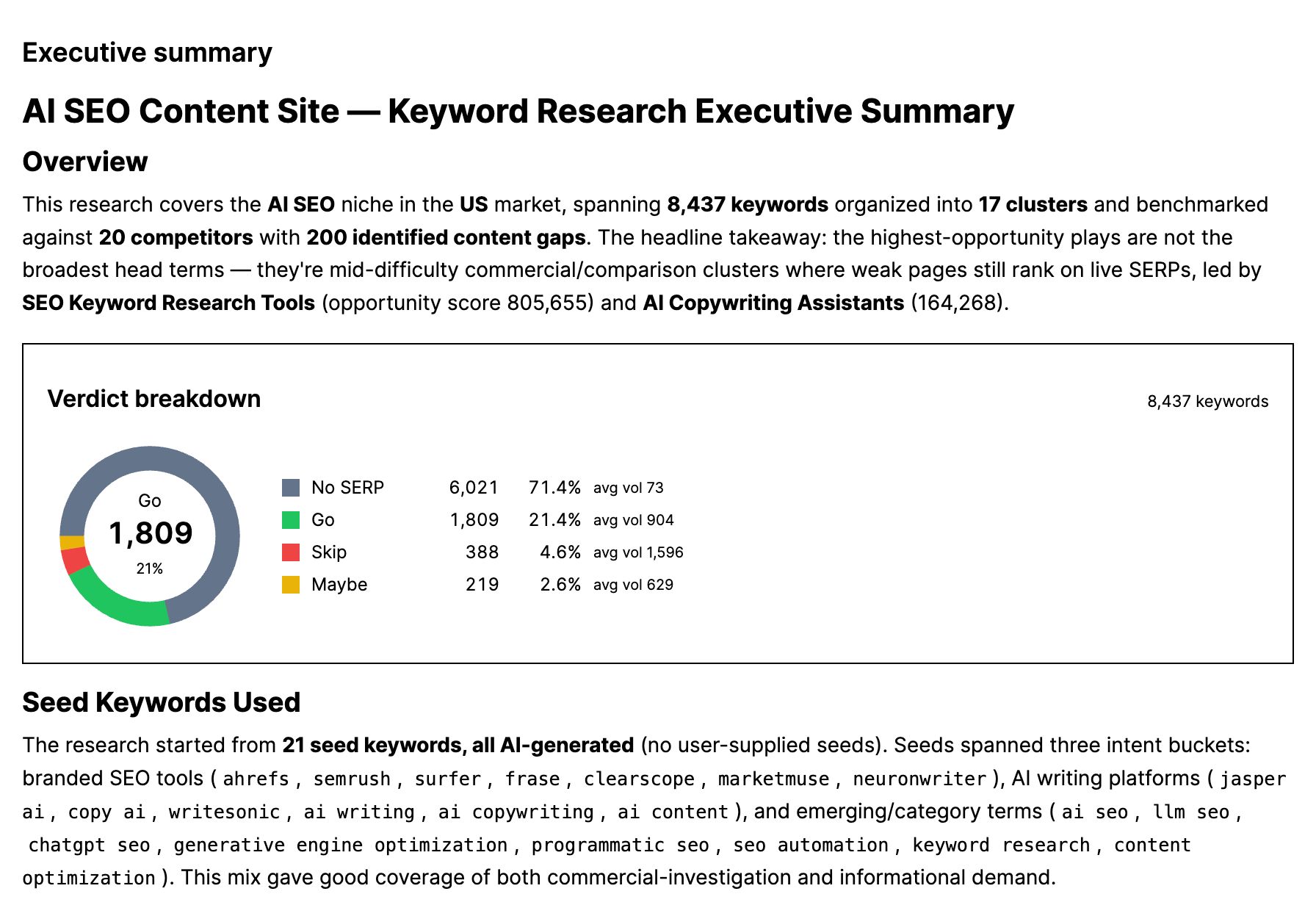
Accelerated Keyword Research: Ahrefs’ VP of Marketing, Sam, utilized Letaido to create a keyword research tool that condenses an afternoon’s work into twenty minutes. By inputting a niche, the AI expands it, extracts real-time volume data, analyzes SERPs for intent and difficulty, and identifies page types ranking for each keyword, grading them as "Go," "Maybe," or "Skip," and clustering them into topics with competitor gap analysis.
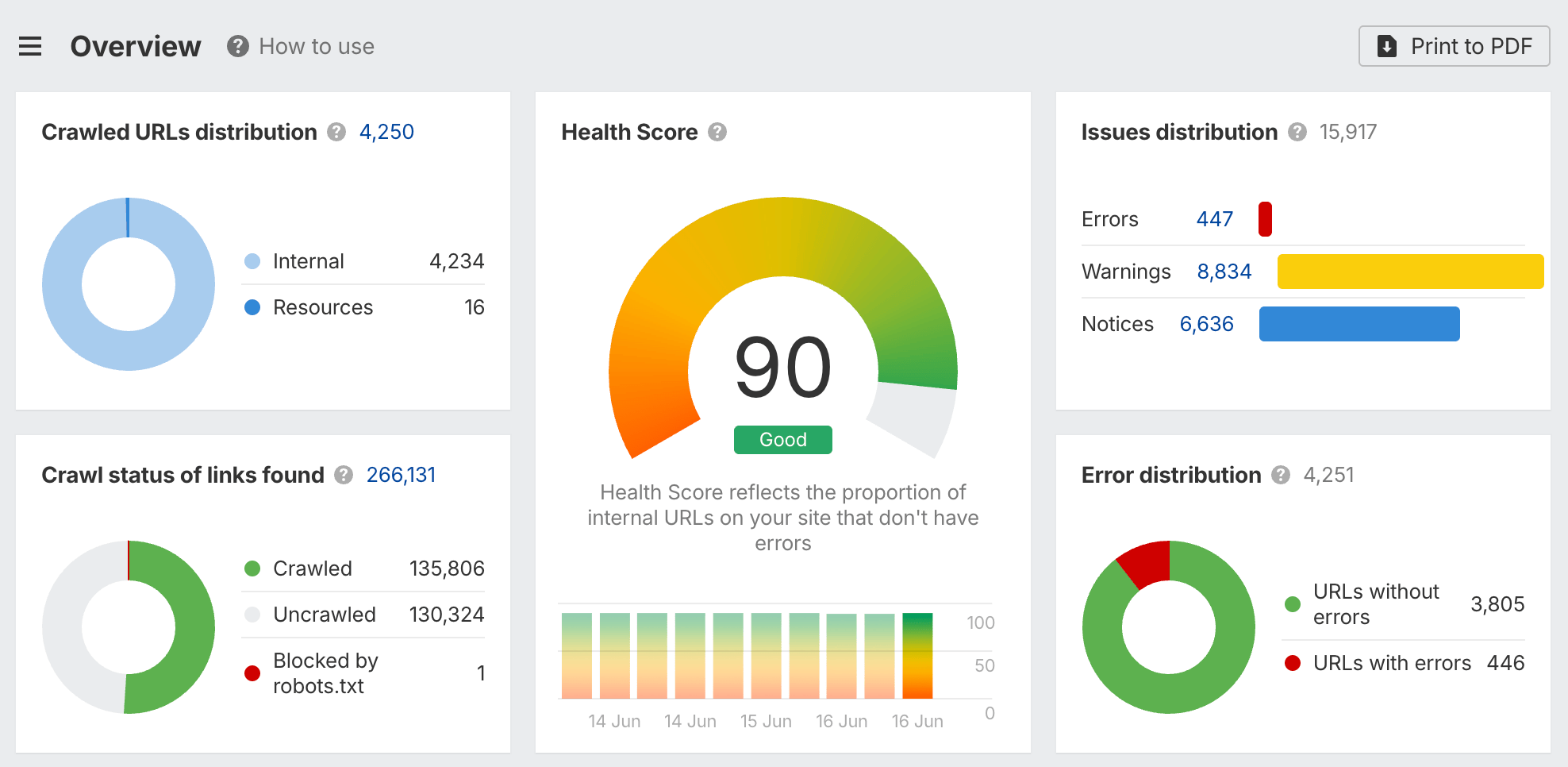
Developer-Actionable Site Audits: The Ahrefs team integrated generative AI with their Site Audit tool to generate GitHub pull requests for technical SEO issues. This process ranks issues by severity, creating actionable checklists for developers, streamlining the fixing of critical problems like indexability errors and broken links.
AI-Generated FAQs Boost Traffic: Steven Macdonald demonstrated a 32% average traffic increase on 21 existing blog posts by using ChatGPT to generate relevant FAQs and their answers. This strategy also led to an increase in keyword rankings, with some posts seeing an improvement of 180%.
Internal Linking Engine Construction: This article’s author developed a tool that suggests internal links by converting blog articles into vector embeddings. By comparing a given URL against all others, it identifies pages on similar subjects, a process that typically requires holding hundreds of articles in mind simultaneously. Ahrefs’ Site Audit offers a similar "Internal link opportunities" report, providing specific text passages for link placement.
Automated Internal Link Insertion: John Iwuozor created a Python script that not only identifies relevant internal links but also inserts them directly into the webpage’s HTML. This automates the often time-consuming task of editing pages to incorporate new links.
Search Console Data to Prioritized Plans: Rudiger Dalchow developed a tool that analyzes Search Console exports to generate actionable plans for content creation. It groups pages by topic, identifies search intent, flags competing internal pages, and generates briefs for writers. Ahrefs’ Site Explorer’s Opportunities report offers similar functionality for any site.
AI Search Optimization
Ensuring visibility in AI-powered search results, such as those generated by ChatGPT, presents new challenges. While complex terminology abounds, many effective strategies are rooted in established SEO principles. AI proves invaluable for processing the vast amounts of data required to optimize for these new search paradigms.
LLM Page Perspective Tool: Aimee Jurenka created a tool that analyzes a URL’s raw HTML and rendered screenshot, then uses GPT to assess how a language model perceives the page. It provides feedback on content clarity, cite-worthiness, and issues related to JavaScript rendering.
Fan-Out Query Mapping: Chris Long developed a script that dissects user queries into narrower questions that AI assistants often employ. It then scores existing website pages against these sub-queries, identifying gaps in coverage.

Rewriting Pages Based on AI Search Queries: Wil Reynolds utilizes Bing’s webmaster tools to identify the specific questions that trigger AI answers referencing his pages. He then rewrites the pages to directly address these queries, transforming content optimization from guesswork into a data-driven process.
AI-Quoted Page Template Design: Adina Timar rebuilt her listicle and comparison page templates based on data from AI citations across multiple platforms. By analyzing which page elements are quoted by AI assistants, she created templates that are more likely to be recognized and utilized.
Content Prioritization from AI Citations: Ross Hudgens’ team at Siege Media prioritizes article topics based on which pages are most frequently cited in AI answers for sales-driving queries. This approach combines AI citation data with ordinary Google search demand to identify high-impact content opportunities.
Content Marketing
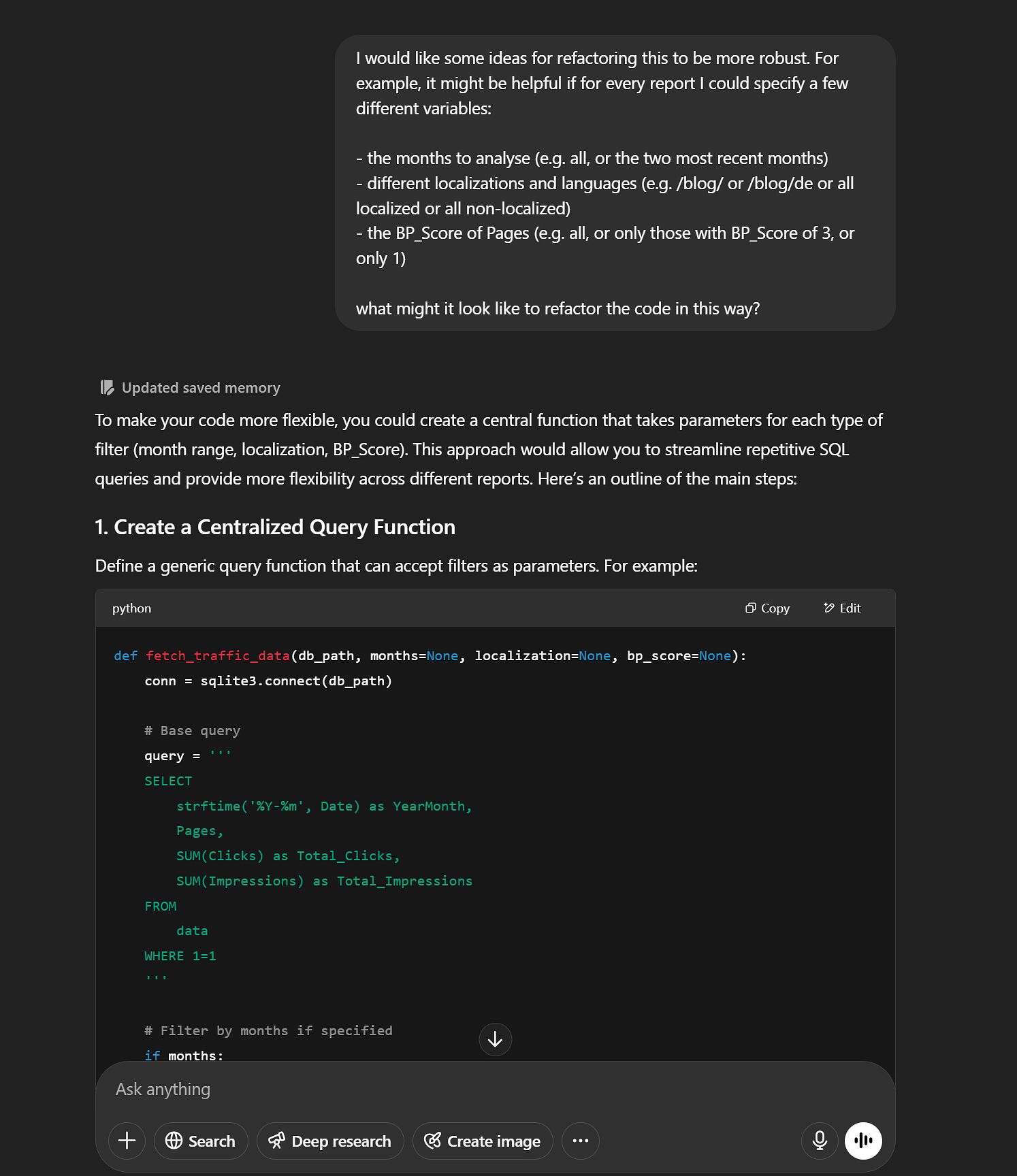
While AI-generated blog posts often lack depth and originality, AI excels at various stages of the content marketing workflow, including research, briefing, outlining, editing, fact-checking, and formatting.
Two-Hour Publishable Draft Process: This article’s author outlines a process that reduces the time to produce a publishable blog post from days to approximately two hours. This is achieved by breaking down the editorial process into discrete steps, each handled by AI and overseen by a human editor.
Democratizing Web Page Creation: Kelsey Libert learned to build 30 landing pages for her company’s AI agent products within a month using Cursor, a code editor with integrated AI. This empowers marketers to create and deploy web pages without relying on development teams.
AI-Powered Data Study Execution: Mateusz from Ahrefs’ content team used AI to write the code for a study correlating organic traffic with stock prices. AI handled API integrations, data stitching, and initial analysis, significantly accelerating the research process, though human data scientists refined the final analysis.
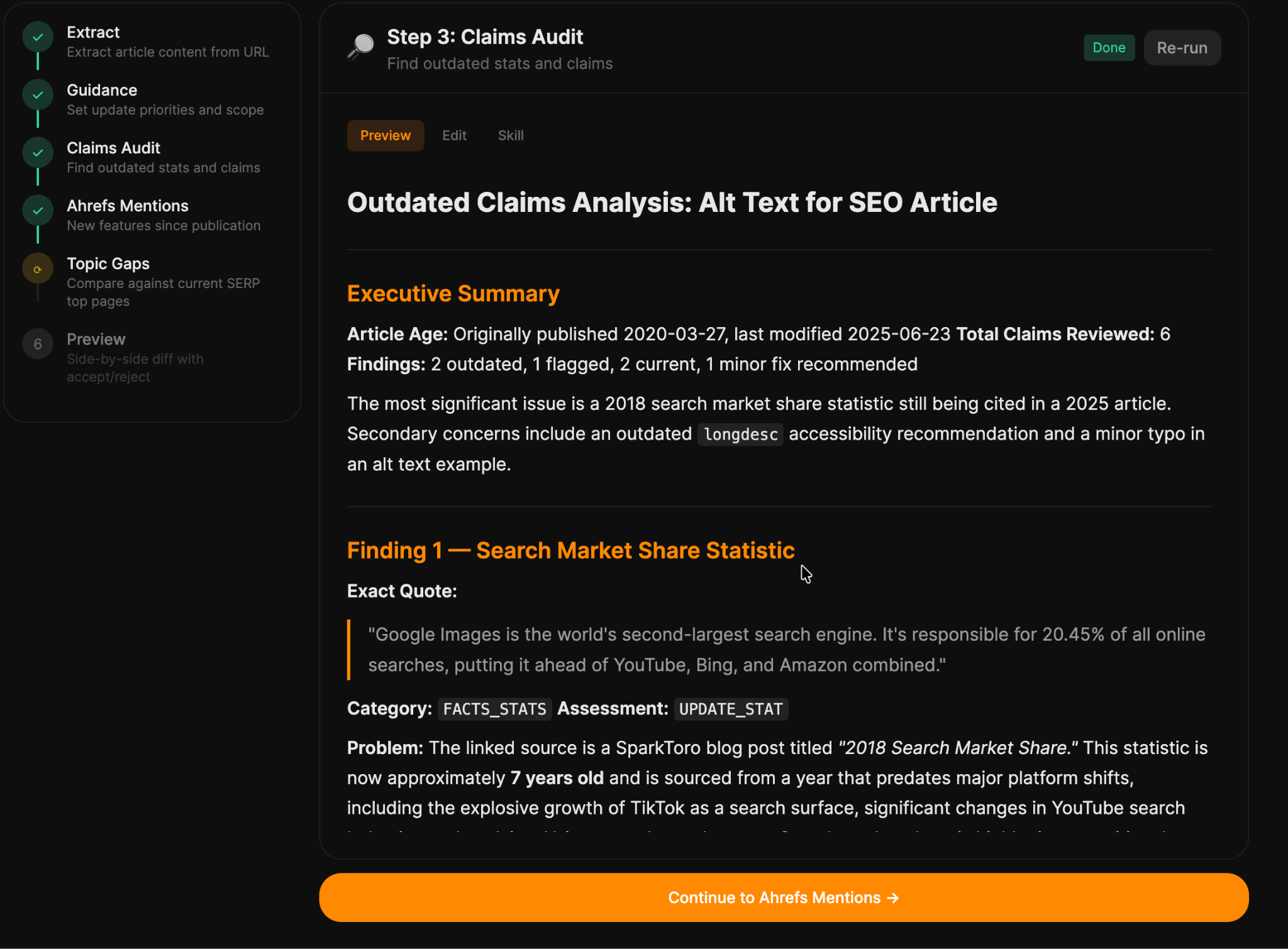
Eliminating ChatGPT’s Boilerplate Language: Myriam Jessier employs an "Absolute Mode" system prompt to remove filler, conversational elements, and repetitive summaries from ChatGPT’s output, allowing for more direct and concise responses.
Idea-to-Deck Generation: Wil Reynolds records himself explaining a concept, transcribes the audio, and uses an LLM to develop a story arc. Tools like NotebookLM and Gamma then transform this structure into presentation decks, providing a foundational draft for further refinement.
Managing a Large Content Refresh Backlog: Ahrefs’ "Update Pipeline" uses AI to identify outdated statistics and missing information in existing blog posts. It presents changes side-by-side with the original content for easy review and approval, making a backlog of a thousand articles manageable.
Discovering Undiscovered Statistics: An AI tool scans PDFs, Word documents, and PowerPoint decks to unearth statistics that are not readily available on web pages. This provides unique data points that can earn backlinks and differentiate content.
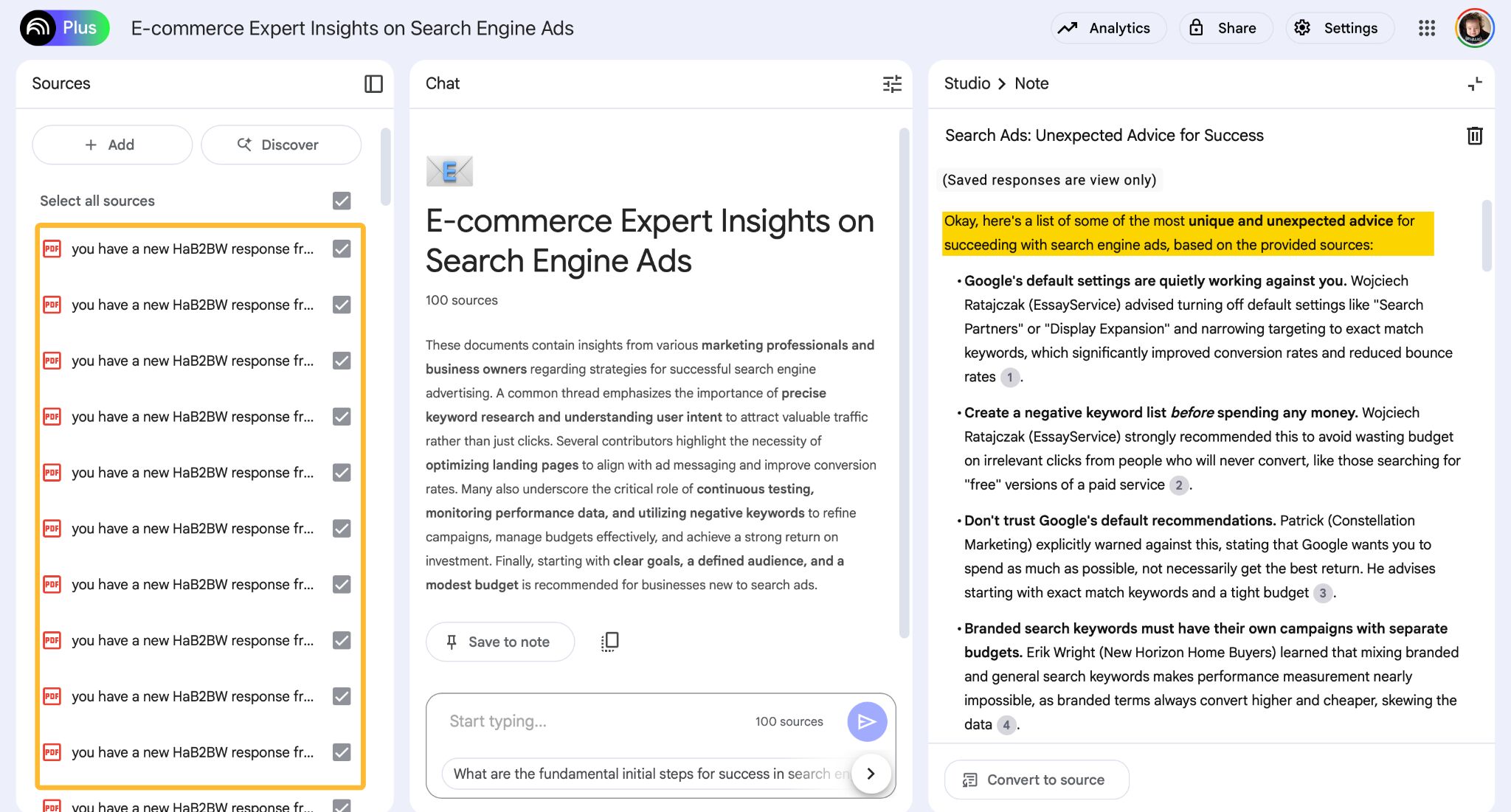
Querying Expert Quotes Efficiently: Mateusz Makosiewicz uses NotebookLM to upload and query collections of expert quotes from email submissions. This allows for efficient retrieval of relevant insights without manually sifting through individual responses.
Repurposing Webinars into Multiple Content Assets: An AI workflow transforms webinar recordings into blog outlines, highlight clip guides, and social media briefs. It also analyzes sales and customer calls to extract pain points, objections, and customer quotes, creating valuable content assets.
Marketing Analytics
Reporting, a traditionally time-consuming and error-prone task, is highly automatable with AI. AI can manage data extraction, consolidation, and table generation, ensuring consistency and saving significant time. However, the interpretation of this data remains a human responsibility.
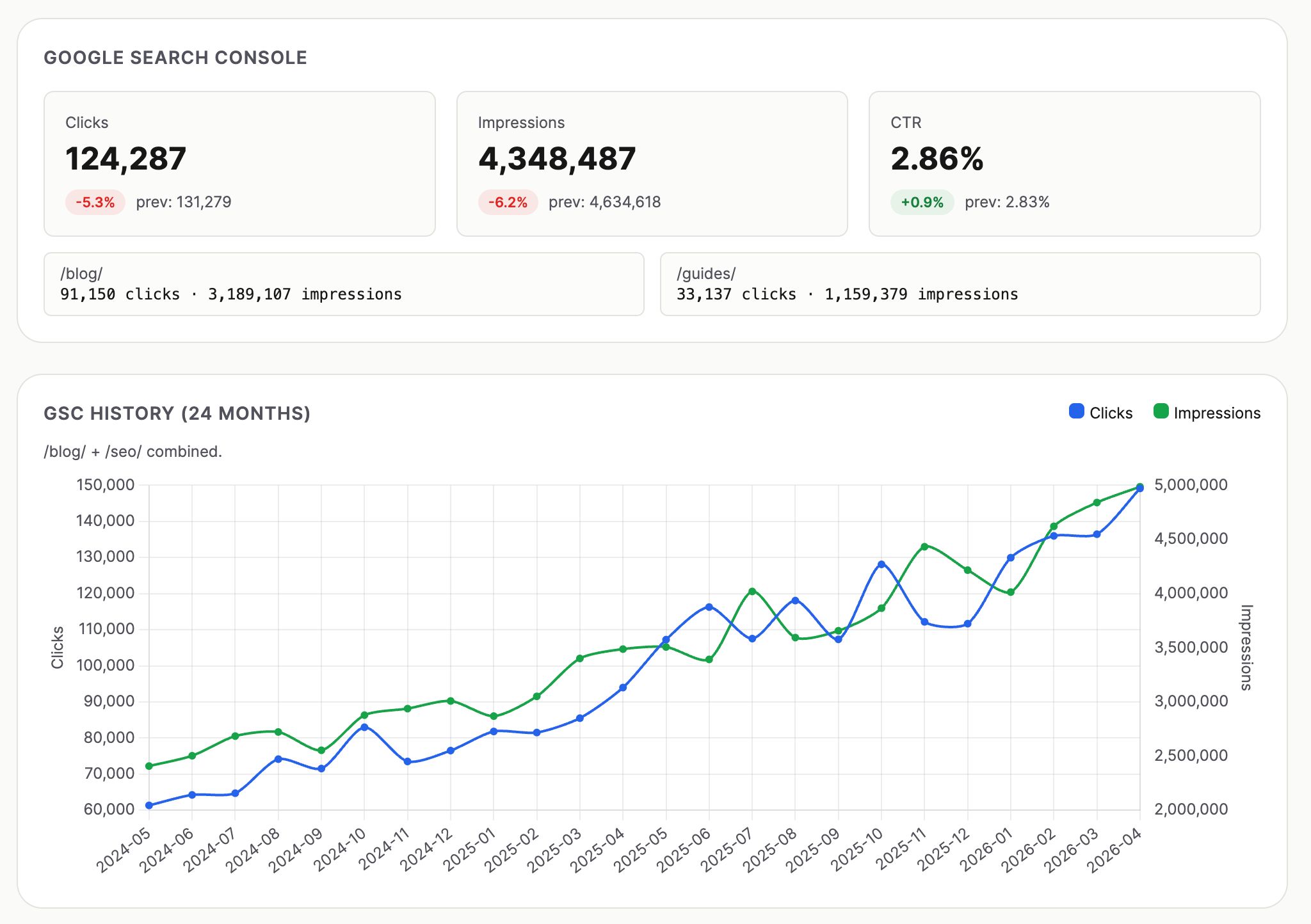
Automated Monthly Reporting: Letaido generates Ahrefs’ monthly blog performance report automatically, consolidating data from Google Search Console and Ahrefs Web Analytics. It includes KPI tiles, trend charts, and candidate analysis bullets for commentary.
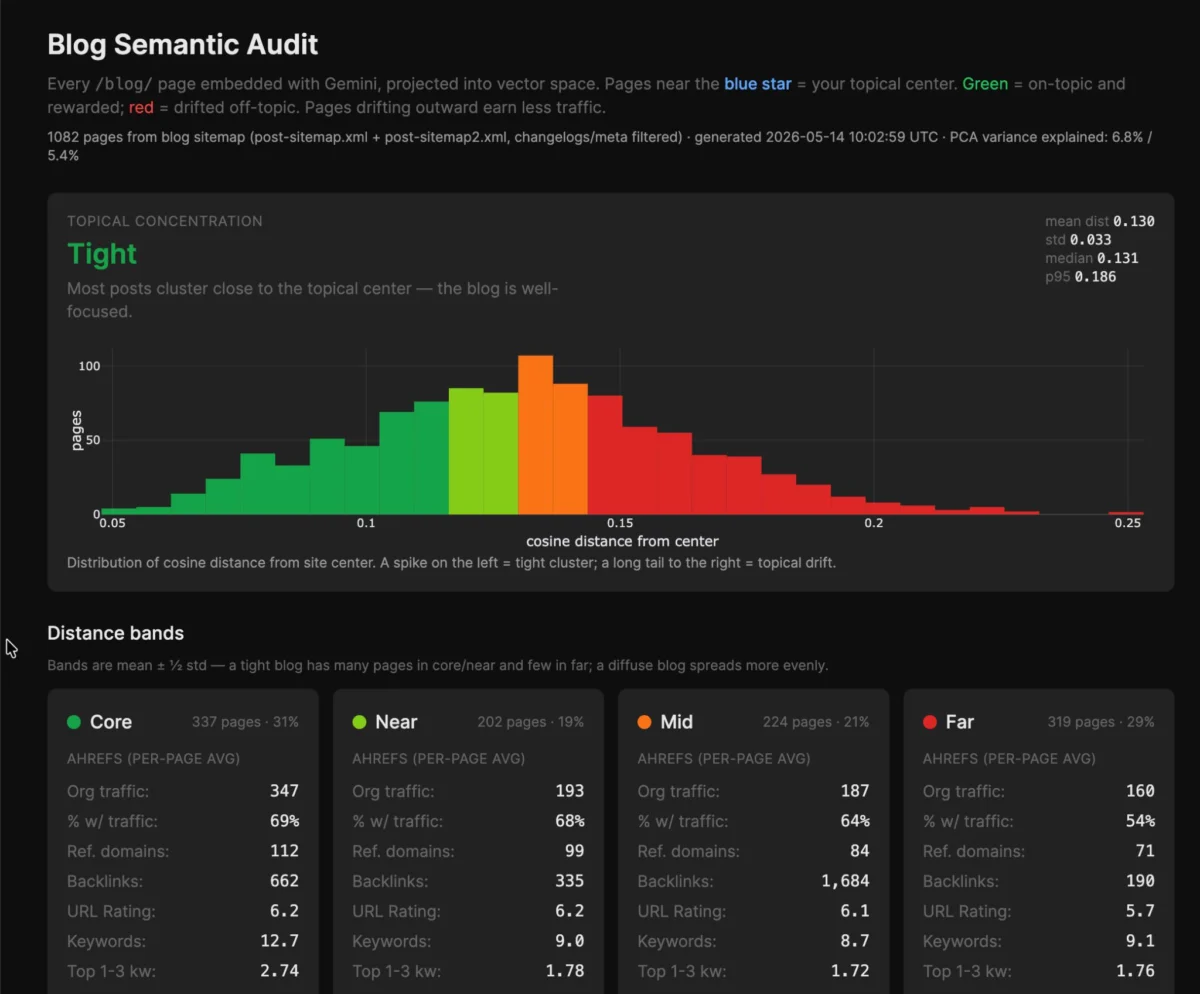
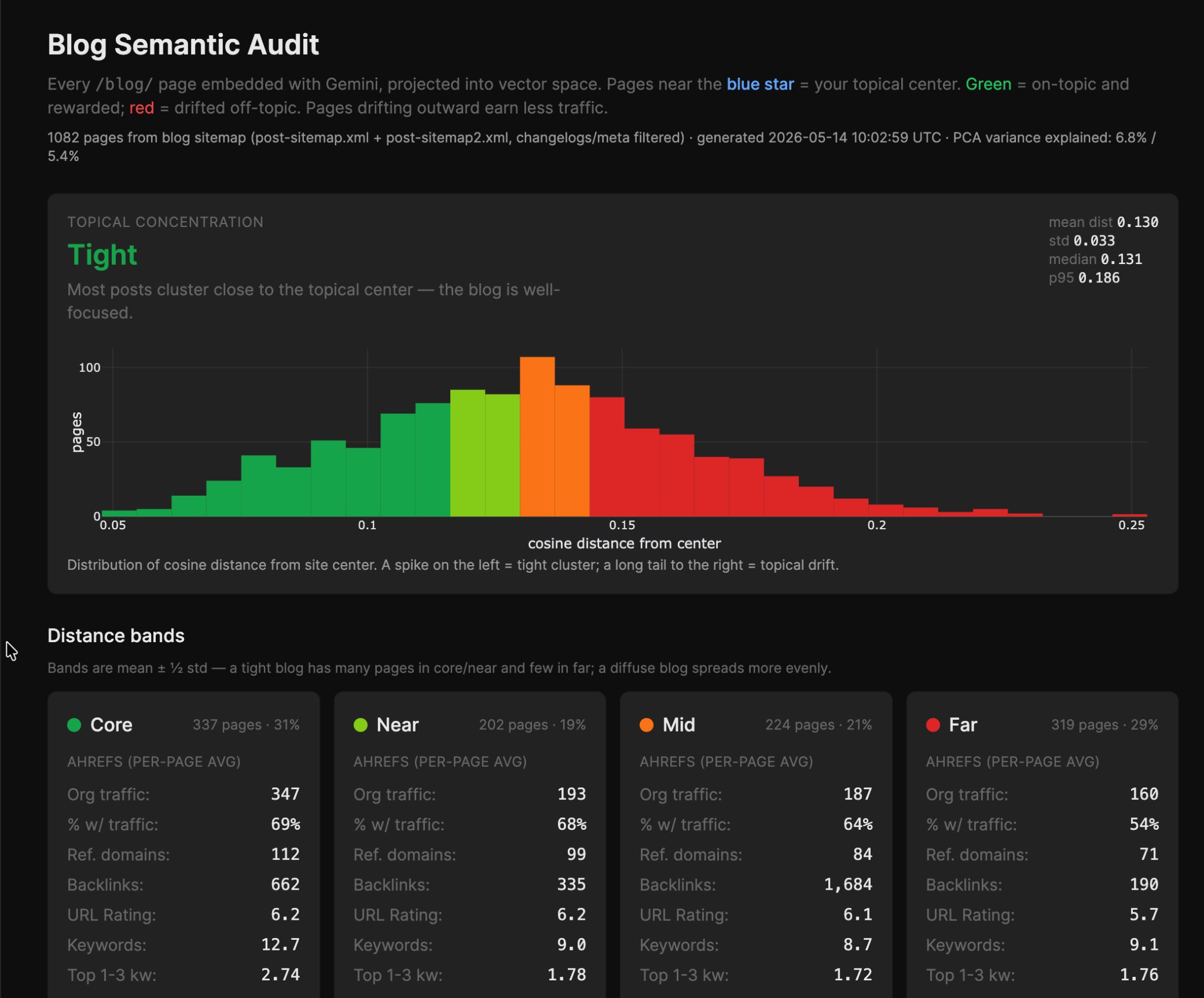
Content Topic Relevance Audit: A semantic audit of Ahrefs’ blog uses vector embeddings to determine how closely each article aligns with the site’s core topics. This analysis helps identify content that may be off-topic and underperforming.
Integrated Data Audits: Chris Long documented an AI assistant that consolidates data from website crawls, analytics, and Search Console. This integrated approach identifies pages losing traffic, those with drifted search intent, and content that no longer fits the site’s overall strategy. Letaido offers a similar integrated solution without the need for external plumbing.
Social Media and Community
AI assists in managing the high volume of brand mentions and content creation demands inherent in social media. It excels at identifying relevant conversations and drafting initial posts, but human judgment is crucial for ensuring appropriate and authentic engagement.
Identifying Relevant Reddit Conversations: The lemlist team used AI to sift through Reddit to find relevant discussions for brand engagement. AI identified threads where the brand could offer genuine value, and human marketers then crafted personalized responses.
Extracting Audience Insights from Communities: Britney Muller demonstrates how to use AI to analyze community platform discussions, extracting recurring complaints, questions, and comparisons. This provides authentic customer language for marketing materials.
AI-Powered Social Post Generation: Letaido generates five distinct social media post drafts for each published article, based on pre-defined angles and the author’s voice. These drafts are then edited and scheduled using Ahrefs’ Social Media Manager.
PR and Outreach
Timing and relevance are critical for PR and outreach success. AI can monitor news for opportunities and draft initial outreach messages, but human expertise is necessary to determine pitch viability and personalize communication effectively.
Scalable PR Opportunity Monitoring: Mark Williams-Cook developed a Python script using a local LLM to screen thousands of daily news stories from RSS feeds for PR opportunities, routing qualified leads to a Slack channel.
Rapid Follow-Up Email Drafting: Andy Chadwick uses a ChatGPT workflow, trained on his tone and product details, to draft follow-up emails from sales call transcripts in five minutes, reportedly leading to a 90% close rate on high-ticket services.
Personalized Cold Outreach Campaigns: Sam Oh from Ahrefs built an AI-powered outreach campaign that identifies prospects, gathers relevant data, and drafts personalized emails for review and approval. This process significantly improved the efficiency and effectiveness of cold outreach. Letaido offers similar capabilities natively.
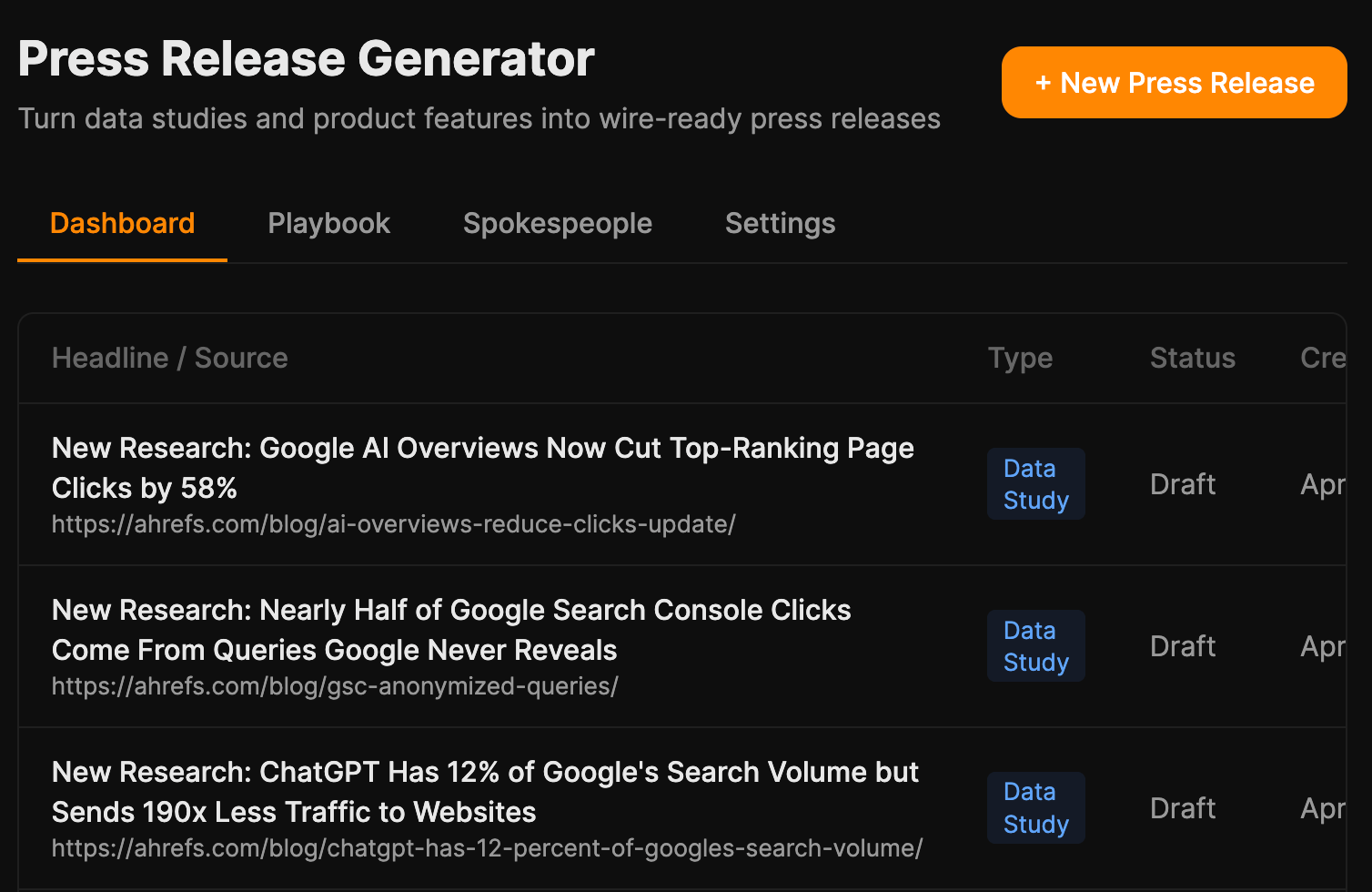
Automated Press Release Generation: Ahrefs’ Press Release Generator creates formatted press releases from blog post URLs or product feature notes, streamlining the process of promoting original research and product updates to the media.
Product Marketing
Launching a product often involves creating multiple collateral pieces (landing pages, emails, scripts) that must align in messaging. AI can generate these assets from a single brief and, crucially, identify inconsistencies between them.
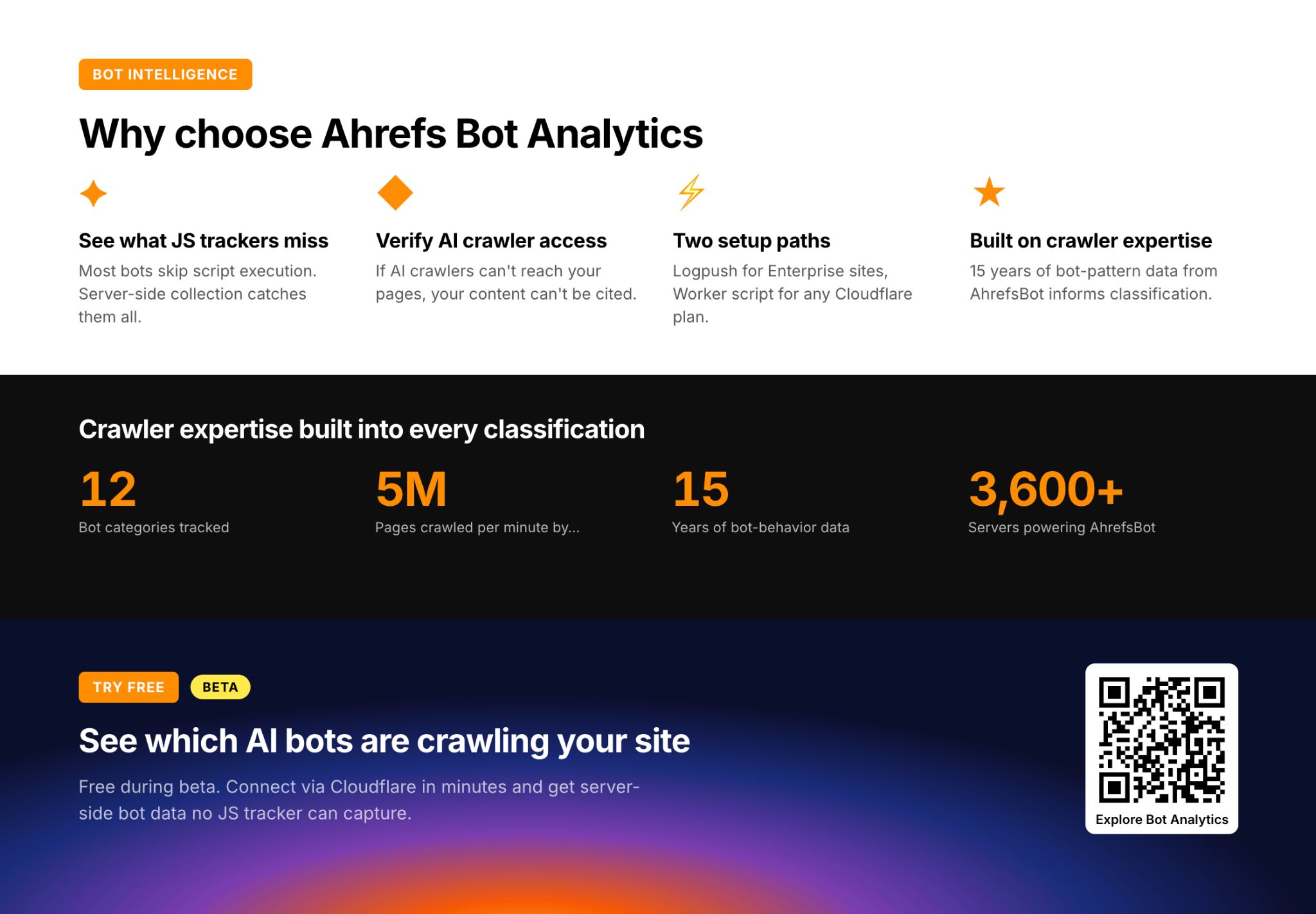
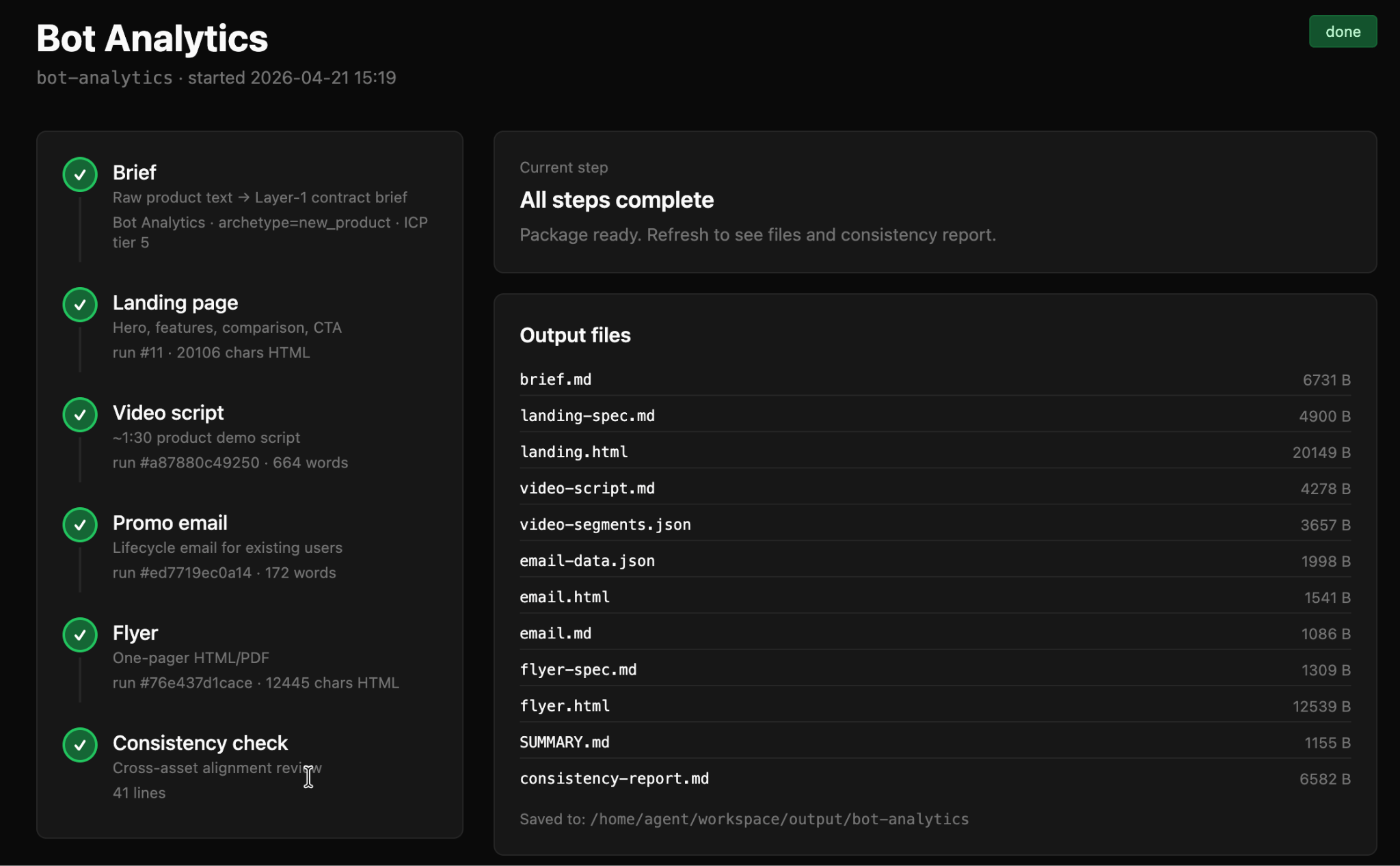
Comprehensive Launch Package Generation: Andrei, head of product marketing at Ahrefs, created a Go-to-Market Generator that produces a tidied brief, landing page, video script, promotional email, flyer, and a final cross-document consistency check from a single product brief.
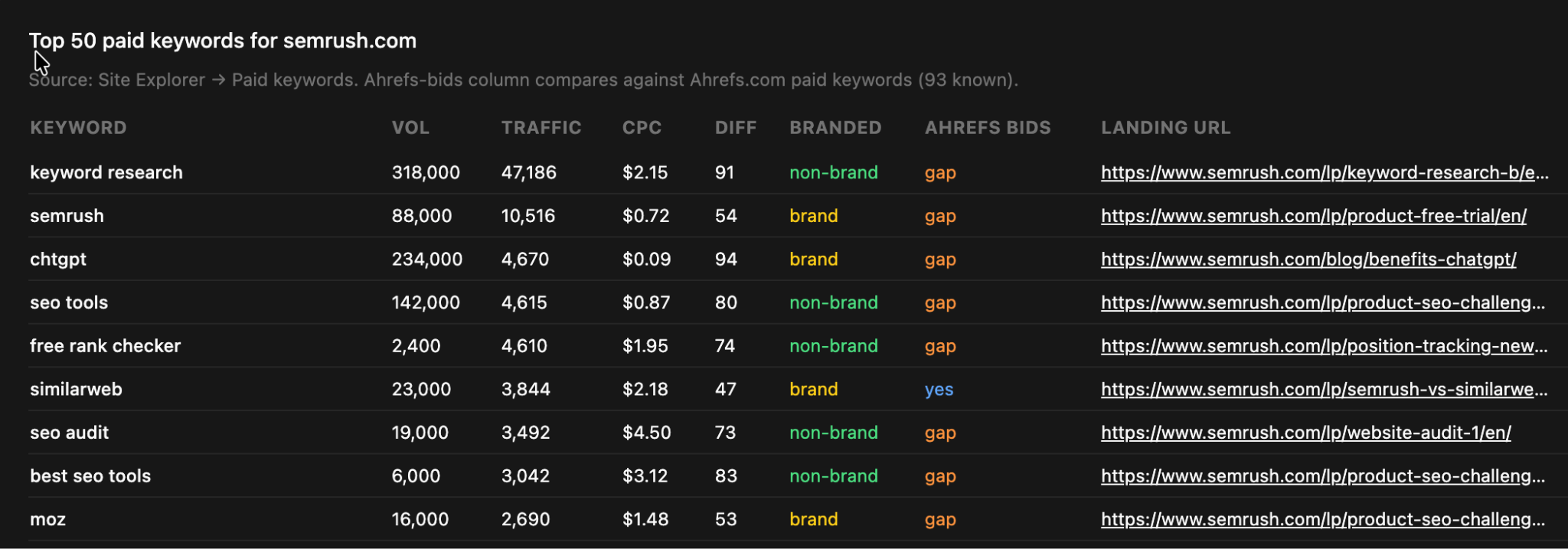
Competitor Ad Copy Reverse Engineering: Ahrefs’ Paid Ads Campaign Builder analyzes competitor keywords and landing pages to generate targeted Google Search ads, identifying bidding gaps and providing validated ad copy.
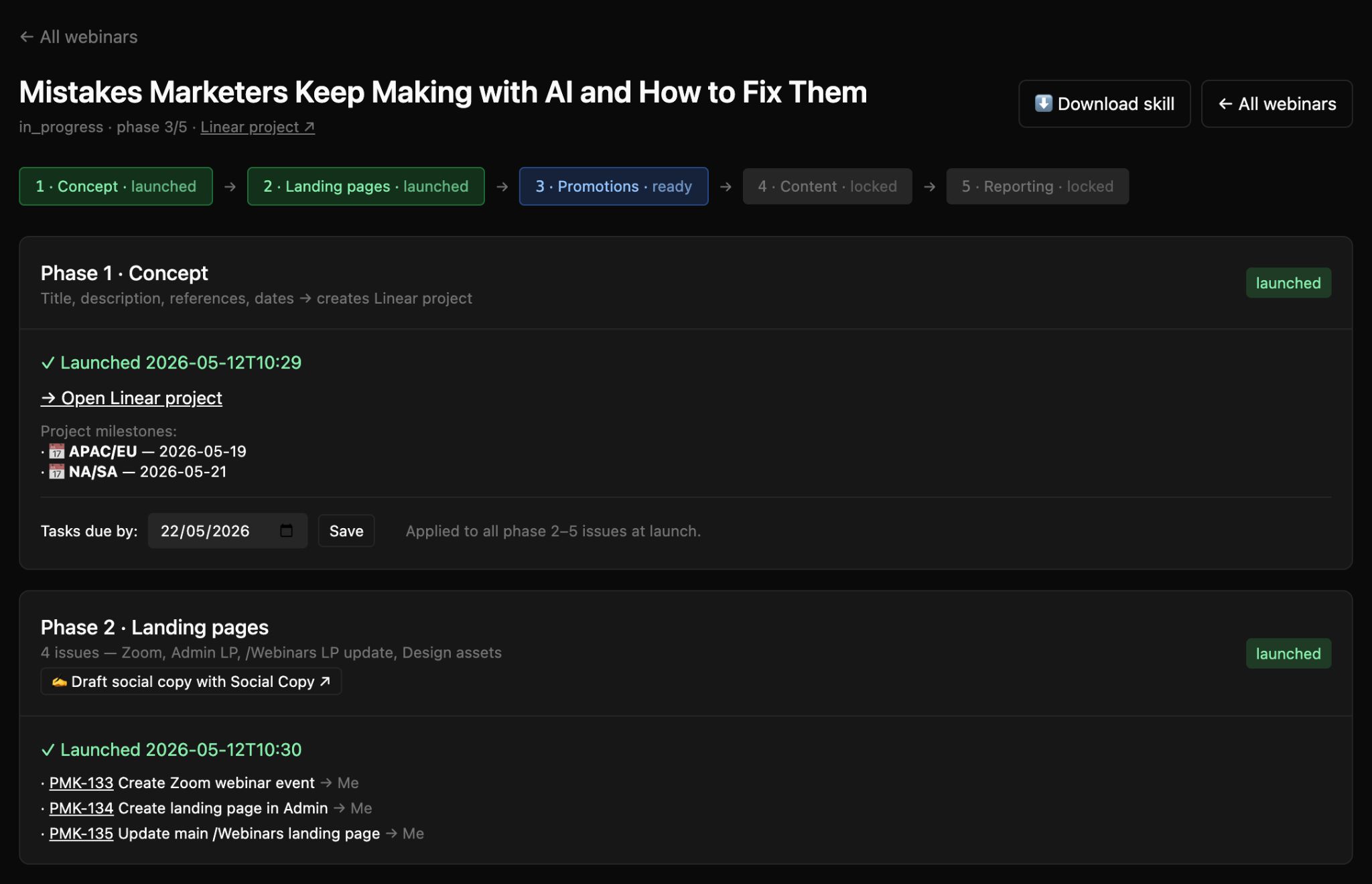
End-to-End Webinar Setup Automation: Constance, responsible for Ahrefs’ webinars, utilizes Letaido to automate the entire webinar setup process. From scheduling Zoom events and landing pages to building slides and scripts, the app manages twenty distinct tasks based on a title, date, and speaker.
International Marketing
International marketing multiplies efforts across languages and regions. AI can automate many of the mechanical tasks, such as translation and localization, but careful attention to cultural nuances is essential.
Link-Preserving Blog Post Translation: Ahrefs’ international marketing team developed a translation pipeline that handles seven languages, maintaining tone guides, glossaries, and translation rules. It also intelligently swaps internal links to point to localized versions of other articles. Keyword research is performed in the target country prior to translation.
Localized Visual Content Translation: A dedicated AI translator for visuals converts PNG, JPG, or PDF files into localized versions. It identifies elements needing change and redraws images, adapting to specific regions and allowing for user correction of terms.
Cost-Effective Live Subtitling: Taka uses an AI Live Interpreter on a laptop to generate real-time English and Japanese subtitles from microphone feeds at conferences. This service, costing significantly less than professional interpreters, prioritizes product terminology and ensures sentence completion before display.
Final Thoughts
While AI offers transformative capabilities in marketing, it remains a tool that amplifies human expertise. Marketers who possess a deep understanding of their workflows, possess good judgment, and can achieve results without AI will derive the greatest benefit from these technologies. AI is not a substitute for marketing acumen but a powerful multiplier for those who bring knowledge and skill to the table. Skepticism is advised, as AI is not a magic solution, but in capable hands, it can significantly enhance efficiency, quality, and enjoyment in marketing endeavors. Marketers with innovative AI workflows are encouraged to share them.