 11
11
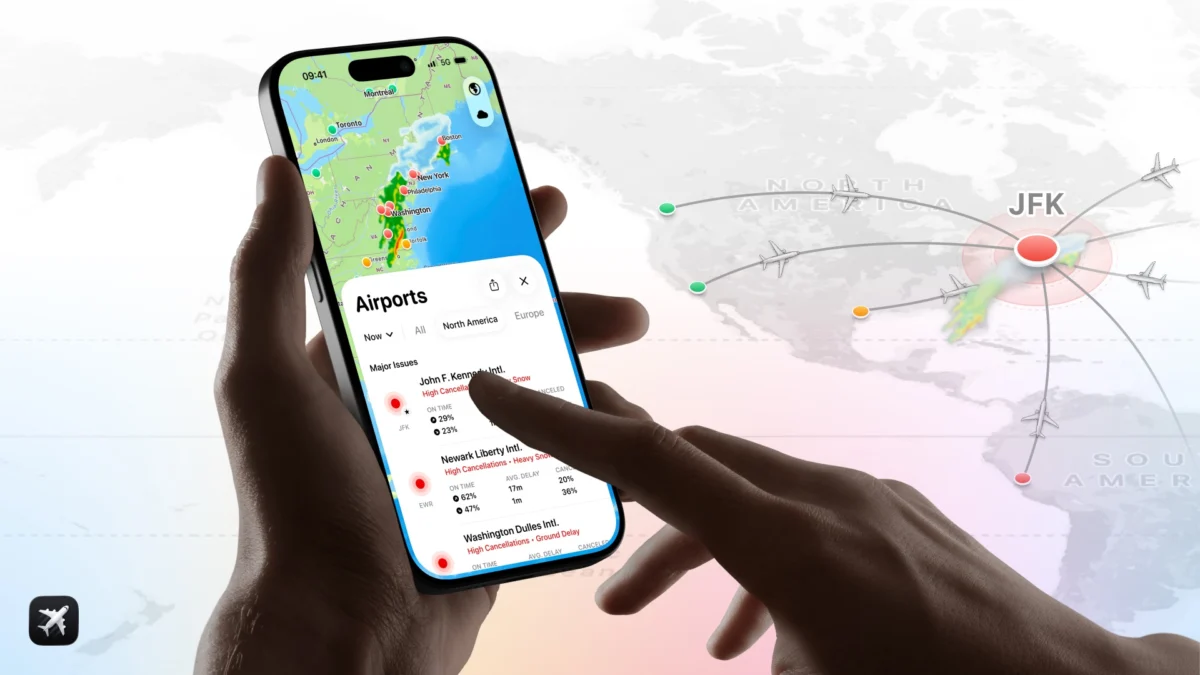
In an era where the predictability of air travel has been severely challenged by an confluence of global events, the popular flight tracking application Flighty has unveiled a significant new feature designed to empower travelers: "Airport Intelligence." This timely release offers users real-time alerts regarding airport disruptions, critically providing the underlying reasons for these issues across an extensive network of 14,000 airports worldwide. The initiative comes at a crucial juncture, responding directly to a period marked by heightened geopolitical tensions, operational challenges, and persistent staffing shortages that have collectively transformed once-rare airport chaos into an unfortunate new norm for millions of passengers globally.
The necessity of such a feature has been acutely felt in recent months. March 2026, in particular, witnessed a dramatic escalation in travel complexities. Tensions across the Middle East led to a cascade of flight delays, widespread cancellations, and even complete airport shutdowns, significantly impacting international routes and regional connectivity. Simultaneously, within the United States, the Transportation Security Administration (TSA) grappled with a severe shortage of agents. This deficit resulted in the closure of multiple security checkpoints, exacerbating wait times and leading to notoriously extra-long lines that tested the patience of travelers nationwide. Reports even indicated the deployment of federal immigration agents, such as those from Immigration and Customs Enforcement (ICE), to assist with airport security, underscoring the severity of the staffing crisis and the operational strain on airports.
Recognizing the urgent need for transparency and actionable information, Flighty has made its "Airport Intelligence" feature broadly accessible, not only within its mobile application but also through a dedicated web dashboard. This strategic decision ensures that all users, regardless of their platform preference, can track disruptions for free, democratizing access to critical travel insights. This commitment to widespread availability highlights Flighty’s dedication to assisting a larger segment of the traveling public in navigating complex airport environments.

The power behind "Airport Intelligence" lies in its robust data foundation. Flighty asserts that the feature is powered by the very same data streams and advisories utilized by professional pilots and major airlines, ensuring an unparalleled level of accuracy and comprehensiveness. This includes sifting through thousands of real-time airport advisories, which are often highly technical and complex. Among the core data inputs are Meteorological Aerodrome Reports (METARs), Terminal Aerodrome Forecasts (TAFs), and Notice to Airmen (NOTAMs), alongside a multitude of other specialized aviation reports.
To elaborate on these crucial data sources:
By integrating and analyzing these intricate data streams, Flighty constructs a holistic and real-time picture of airport operations. This detailed overview encompasses critical aspects such as ground stops—directives that prevent aircraft from taking off to a particular destination due to congestion or other issues at the arrival airport—specific landing procedures dictated by weather or operational constraints, and various other safety protocols that govern airport functionality. This comprehensive data aggregation allows Flighty to move beyond mere flight tracking to provide genuine airport operational intelligence.
A key differentiator of "Airport Intelligence" is its ability to translate the highly technical language of aviation data into plain, understandable English. While airport events and advisories are typically described in a coded, technical jargon intended for aviation professionals, Flighty’s system deciphers these messages and presents them in a user-friendly format. This ensures that everyday travelers can easily grasp how specific disruptions, whether they be a "ground stop due to severe weather" or a "runway closure for maintenance," could directly impact their individual journey. This translation capability is crucial in demystifying complex aviation information for the general public.

Ryan Jones, CEO of Flighty, underscored the transformative nature of this new feature, stating, "Airport meltdowns are increasingly common, and historically it would take a pilot, controller, or a serious aviation expert to explain why, until now. ‘Airport Intelligence’ turns raw data into real insights, so you always know what’s happening at your airport." His statement highlights the core mission of the update: to empower travelers with expert-level understanding without requiring them to possess specialized aviation knowledge, thereby alleviating stress and improving decision-making during travel.
Beyond the core real-time disruption alerts, the new "Airport Intelligence" update introduces a suite of enhanced features designed to provide an even deeper level of insight and utility for travelers:
In an innovative move to serve a broader audience, Flighty has also integrated a "TV mode" within its update. This feature is specifically designed for broadcasters, content creators, and newsrooms, enabling them to display the live status of an airport on a large screen, complete with an updating ticker. This tool provides real-time, visually engaging information that can be invaluable for live news segments, travel advisories, or public information displays, further solidifying Flighty’s role as a comprehensive source of aviation intelligence for various stakeholders.
The launch of "Airport Intelligence" by Flighty represents a significant step forward in making air travel more predictable and less stressful for passengers. By providing clear, real-time, and comprehensive information derived from professional aviation data, Flighty aims to empower travelers to make informed decisions and navigate the complexities of modern air travel with greater confidence and less anxiety. This commitment to transparency and user empowerment is particularly vital as global air travel continues to face unprecedented challenges and disruptions.