 11

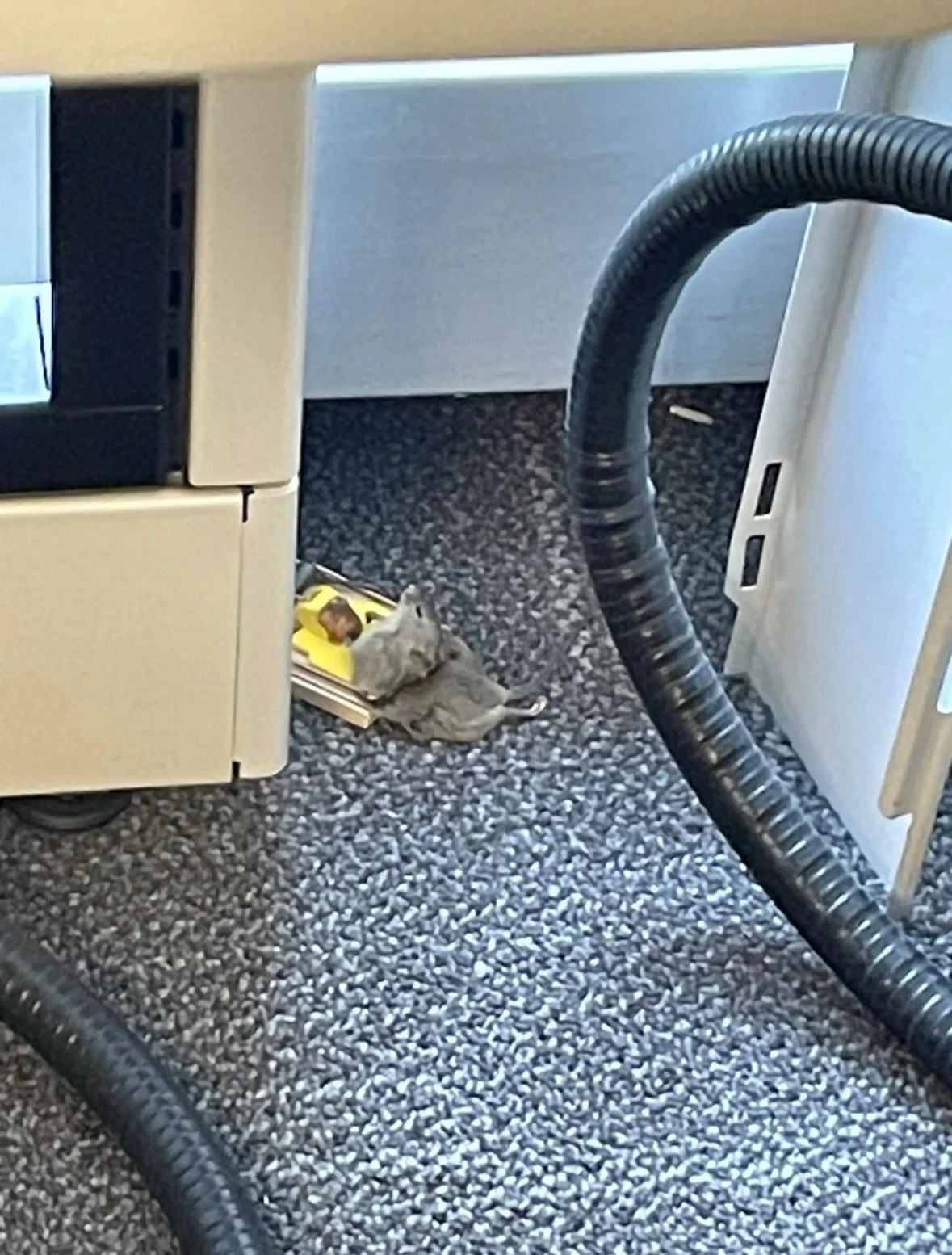
Approximately 1,600 federal employees of the General Services Administration (GSA) have been compelled to vacate their longstanding office on F Street in Washington, D.C., and relocate to the Theodore Roosevelt Federal Building, a mere two blocks away. This mandated move, intended as a temporary measure until December 2028, has thrust GSA staff into an environment riddled with significant structural and sanitary deficiencies. Workers at the new location, which also accommodates personnel from the Office of Personnel Management (OPM), report persistent issues including rodent infestations, a visibly caved-in bathroom ceiling, and drinking water that requires running for five to ten seconds before it clears of discoloration.
The relocation and the substandard conditions experienced by GSA employees are unfolding against a backdrop of profound and often disruptive changes initiated across the federal workforce since January 2025. These transformations were largely spearheaded by Elon Musk’s controversial "Department of Government Efficiency" (DOGE). DOGE’s mandate brought about sweeping reforms aimed at streamlining government operations and reducing expenditures, but its implementation has been met with considerable challenges and employee discontent.

Among DOGE’s most significant impacts were the effective termination of tens of thousands of federal workers across various agencies, a move that sent shockwaves through the civil service. For those who remained, new directives enforced strict in-person work schedules, dismantling previous allowances for remote or hybrid arrangements, and in some instances, imposing zero-based budgeting—a stringent financial planning method requiring every expenditure to be justified from scratch.
The General Services Administration, an agency critical to the federal government’s operational integrity, was among the first and most heavily affected by DOGE’s reforms. GSA is responsible for managing the vast majority of federal government’s IT services and real estate assets, making it a central target for efficiency initiatives. Beyond substantial workforce reductions, GSA was tasked with rolling out ambitious plans to divest hundreds of federal office buildings, a strategy designed to reduce the government’s physical footprint and associated maintenance costs. Ironically, approximately a year after these severe cuts, GSA publicly announced its intention to hire around 400 new employees, signaling a potential recognition of critical staffing gaps created by the initial downsizing.
For the employees directly impacted, the latest relocation has compounded existing frustrations and anxieties. An anonymous GSA employee, who spoke on condition of anonymity due to not being authorized to comment publicly, articulated the deep sense of disillusionment: “We’ve all been through a lot, but this really made me finally understand that they don’t care about us.” The employee’s statement underscores a pervasive feeling of neglect and disrespect among federal workers, who now grapple with basic safety and health concerns within their workplace. “We’re left wondering what else is going to collapse or break—do we need to look at the ceiling before going to the bathroom? Can we actually trust the water is safe to drink?” the employee questioned, highlighting the palpable apprehension surrounding their daily environment.

Tangible evidence supports these claims, with photographs obtained by WIRED depicting the grim reality inside the Theodore Roosevelt Federal Building. One image shows a toilet in a third-floor men’s restroom completely covered in debris that had fallen from the ceiling. Another stark photograph reveals a gaping hole in the ceiling itself, testament to the structural integrity issues plaguing the building. Adding to the unsanitary conditions, a photograph captured a dead mouse ensnared in a trap, a sight workers found disturbing but, unsettlingly, not "entirely shocking," as many federal buildings are reportedly prone to vermin infestations. However, the dramatic ceiling collapse was described as pushing employees "over the edge," indicating a breaking point in their tolerance for subpar working conditions. Further reinforcing concerns about basic amenities, an additional sign posted within the office advises employees filling water bottles to "run the water without your bottle for 5-10 seconds and wait for the water to run clear," explicitly acknowledging the issue of cloudy or discolored drinking water.
Attempts to solicit comments from both the GSA and OPM regarding these reported conditions and employee concerns did not yield an immediate response. This lack of communication further exacerbates the feelings of disregard among the affected workforce.
GSA leadership, including Administrator Ed Forst, has communicated to employees that their tenure in the OPM building is expected to last until December 2028. This temporary housing arrangement is particularly notable given that the Theodore Roosevelt Federal Building itself is slated for "accelerated disposition," meaning a quick sale. The irony of relocating employees to a building that is actively being prepared for sale, and thus unlikely to receive significant maintenance or upgrades, has not gone unnoticed by the federal workforce. Their previous building, located at 1800 F Street, is reportedly undergoing extensive renovations, justifying the initial move. The entire initiative, according to a GSA press release, aligns with a broader "government-wide effort to reduce underutilized space and fortify the federal real estate footprint." While the stated objective is to achieve efficiency and optimize government assets, the current experience of GSA employees suggests that the human cost and practical implications of such rapid real estate maneuvers may not have been adequately considered.

The genesis of these sweeping federal reforms lies with Elon Musk’s Department of Government Efficiency, established in January 2025 under the Trump administration. Although Musk himself has since stepped back from his prominent public role within the administration, the operational philosophy and directives of DOGE have continued to resonate and be implemented throughout government agencies. Affiliates and proponents of DOGE’s principles remain active in government, consistently advocating for austerity measures and championing the integration of artificial intelligence initiatives across various federal functions. This enduring influence ensures that the focus on cost-cutting and technological adoption, often at the expense of established norms and employee comfort, persists. Meanwhile, many former DOGE operatives have transitioned back into the private sector, applying their experience and insights in burgeoning fields such as artificial intelligence, data centers, and advanced manufacturing, further disseminating the "efficiency-first" ethos.
The situation faced by GSA employees at the Theodore Roosevelt Federal Building serves as a stark illustration of the complex and often challenging realities emerging from the government’s push for efficiency and real estate optimization. While the goals of reducing underutilized space and streamlining operations are inherently valid, the execution of these policies, particularly when involving the physical relocation of thousands of civil servants, appears to be fraught with critical oversights. The reported presence of mice, a caved-in ceiling, and questionable drinking water not only poses immediate health and safety risks but also significantly impacts employee morale and productivity. As federal workers navigate these precarious conditions, the incident raises crucial questions about the balance between fiscal austerity, employee well-being, and the practical implications of large-scale government reform efforts. The ongoing challenges highlight the need for more comprehensive planning and oversight to ensure that efficiency drives do not inadvertently compromise the foundational aspects of a functional and respectful work environment for the nation’s civil servants.






