 11

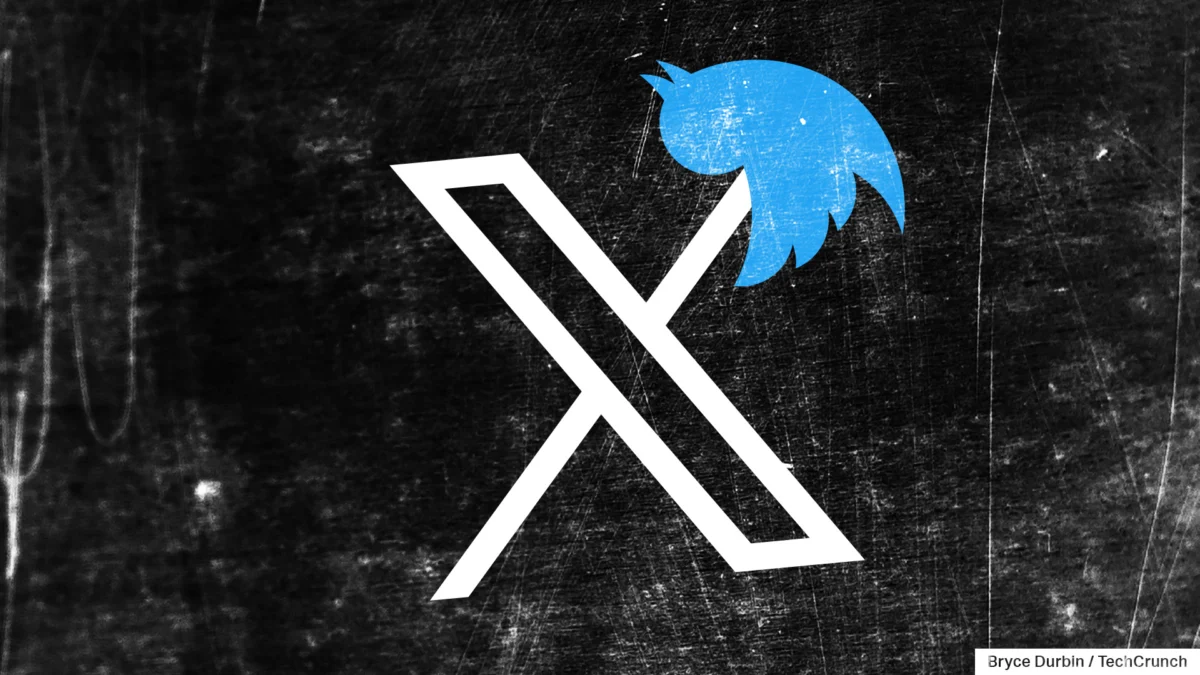
A significant legal battle over intellectual property rights has seen a federal court in Delaware issue a nuanced preliminary ruling in the ongoing trademark dispute between Elon Musk’s social media platform, X Corp., and Operation Bluebird, a startup aspiring to launch a rival social network. The court’s decision, while upholding X’s claim to the core "Twitter" trademark, delivered a setback to the tech giant by finding that it had likely abandoned the "tweet" mark and the iconic Twitter bird logo, effectively making these valuable assets available for use by others. This pivotal judgment has allowed Operation Bluebird, which initially attempted to launch under the name "Twitter.now," to pivot its strategy, rebranding its platform as "Tweet.app" and subsequently opening its doors to the public, capitalizing on the newly available terminology.
The dispute stems from X Corp.’s dramatic rebranding efforts under Elon Musk’s leadership, which saw the popular "Twitter" brand, its bird logo, and associated terminology systematically phased out in favor of the letter "X." This strategic shift, intended to transform the platform into an "everything app," inadvertently created a legal vacuum around its previously well-established trademarks. Trademark law often dictates that if a company ceases to use a mark with the intent not to resume its use, that mark can be deemed "abandoned," thus becoming available for others to claim and utilize. It is this principle that Operation Bluebird strategically targeted, aiming to reclaim what it perceived as relinquished assets.
Operation Bluebird, a Virginia-based startup, has been remarkably candid about its primary objective. Far from presenting itself as an innovator focused on building a unique social networking experience, the company’s explicit mission is to retrieve and utilize the trademarks that X Corp. seemingly discarded during its rebrand. The homepage of Tweet.app openly communicates this intent, stating its purpose is to "go back and pick up what Elon Musk dropped when he renamed the town square as X, and threw the bird away on his way out." This transparent approach underscores the legal rather than purely technological foundation of the startup.
The brains behind Operation Bluebird are two seasoned legal professionals, highlighting the calculated nature of their venture. Michael Peroff, the founder, is based in Illinois, while Stephen Coates serves as president and previously held a significant role as a trademark lawyer at Twitter itself. Their combined expertise in intellectual property law lends considerable weight to the assertion that their interest lies less in creating a groundbreaking social network and more in acquiring the intrinsic value associated with the abandoned Twitter trademarks. The commercial worth of these marks, deeply ingrained in public consciousness, is substantial, independent of any specific platform.
Despite the skepticism surrounding their ultimate goal, Tweet.app has proceeded with the practical steps of launching a social network, albeit in early testing phases. The company reported to TechCrunch that an impressive number of individuals, over 172,000, had requested a handle on the site even before its official launch. This considerable interest is largely attributed to the enduring public affection and familiarity with the "Twitter" brand name and its associated terms, a name that Operation Bluebird is now legally barred from using directly but can evoke through the "tweet" mark.
Adding another layer to their strategy, Operation Bluebird is charging users a $20 fee to reserve a handle and join the burgeoning social network. This monetization model is seen by many observers as a pragmatic approach to cover the substantial legal expenditures incurred during the ongoing trademark litigation. The financial commitment required to pursue a legal battle against a corporate entity like X Corp., backed by Elon Musk, is significant, and user contributions likely play a crucial role in sustaining their efforts.
The court’s decision, issued by U.S. District Court Judge Colm F. Connolly, represents a preliminary injunction ruling, meaning it is not the final verdict in the case. Judge Connolly delivered a split decision on X Corp.’s request to prevent Operation Bluebird from using a range of Twitter trademarks that the startup claimed X had abandoned post-rebrand. While the judge granted X Corp.’s motion for a preliminary injunction concerning eight specific Twitter-related marks, he crucially denied the motion when it came to the "Tweet" mark and the iconic Twitter bird logo.
In his detailed opinion, Judge Connolly articulated the reasoning behind his split ruling. He stated that Operation Bluebird was "likely to succeed in proving both that X Corp. discontinued the bona fide use of the Tweet mark and Bird logo and that it intends not to resume the use of the marks." This legal language is central to trademark abandonment cases. "Bona fide use" refers to actual, legitimate commercial use of a trademark in the marketplace, not merely token or defensive use. The "intent not to resume use" is equally critical, indicating that the original owner has no plans to bring the mark back into active service. The judge’s assessment that Bluebird is "likely to succeed" on these two points signifies a strong preliminary indication that X Corp. may have indeed forfeited its rights to these specific, highly recognizable marks.
The broader case will now move forward to a full trial, where a definitive determination will be made regarding X Corp.’s ultimate retention of rights to any of the original Twitter marks. This protracted legal process will delve deeper into X Corp.’s actions and intentions surrounding its rebranding, scrutinizing whether its discontinuance of the "tweet" and bird logo was indeed permanent and without intent to resume. The outcome could have significant implications for how companies manage their intellectual property during major rebranding initiatives, particularly when dealing with globally recognized brands.
Stephen Coates, President of Operation Bluebird, articulated the startup’s perspective on the ruling in an announcement shared with TechCrunch via email. "They kept the word. They let go of the bird, and they let go of the tweet," Coates observed, drawing a clear distinction between the core "Twitter" name that X retained and the other elements it discarded. He further emphasized the inherent public nature of the word "tweet," stating, "A tweet was never a corporation. It’s one person saying something. That word survived three years of a company trying to replace it, because the public declined to stop using it. We think that tells you who it belongs to." Coates’ remarks underscore the belief that certain linguistic elements become so ingrained in public discourse that their ownership transcends corporate branding, reflecting a sentiment shared by many users who lamented the disappearance of the familiar Twitter nomenclature. This legal and public sentiment interplay forms the crux of Operation Bluebird’s compelling strategy.






