 11


In a significant on-chain event that has captivated the cryptocurrency community, a substantial amount of Bitcoin, meticulously mined in the nascent stages of the digital currency’s existence, has been moved from long-dormant addresses. This movement, involving approximately 600 Bitcoin (BTC) valued at around $48 million, has reignited enduring speculation about a potential connection to Satoshi Nakamoto, the pseudonymous creator of Bitcoin. However, blockchain analytics firm Whale Alert has conducted thorough research and stated that their findings do not indicate any link to Nakamoto.
The 600 BTC were transferred on Saturday, originating from a dozen distinct addresses that had remained inactive for over 16 years. On-chain data, meticulously reviewed by Cointelegraph, confirmed the substantial dormancy period preceding the recent transactions. Whale Alert, a prominent platform specializing in tracking blockchain transactions, detailed that these coins were the result of mining rewards accumulated across 12 individual Bitcoin blocks.
A spokesperson for Whale Alert clarified the firm’s findings to Cointelegraph, stating, "None of the blocks can be connected to Satoshi based on our research." This statement was crucial in tempering the burgeoning speculation that had arisen due to the coins’ origins dating back to a period when Bitcoin’s creator was still actively involved in the project. The movement of these "Satoshi-era" coins naturally prompts questions about their initial acquisition and the identity of their holders.

Whale Alert’s comprehensive analysis traced all 12 of the block rewards to Bitcoin blocks that were mined in March 2010. During this period, the Bitcoin network operated with a block subsidy of 50 BTC per block. This reward structure has undergone significant changes over the years, having been halved four times since then. The most recent halving event occurred in April 2024, reducing the block subsidy from 6.25 BTC to the current rate of 3.125 BTC per block.
These latest findings build upon Whale Alert’s earlier investigation into seven of these mining rewards. In an X post published on Sunday, the firm had previously stated that its analysis at that time had determined those seven rewards did not originate from blocks mined by Nakamoto. This extended research further solidifies their conclusion that the current movement of coins does not involve Nakamoto’s personal holdings.
Prior to Whale Alert’s more extensive analysis, Lookonchain, another on-chain analytics platform, had also initially identified seven miner wallets that collectively moved 350 BTC. These wallets had also been inactive for approximately 16.5 years, having earned their coins through mining operations in March 2010. Lookonchain’s initial identification contributed to the growing interest in these long-dormant coins.
The heightened attention surrounding these transactions is largely attributed to their origin in a specific period of Bitcoin’s history: the time when Satoshi Nakamoto was still actively engaged in the development and public discourse surrounding the cryptocurrency. Nakamoto played a pivotal role in Bitcoin’s early development and maintained a presence in its communication channels through 2010. Their involvement gradually waned, with their last known communication with the public dating back to April 2011. This historical context makes any movement of coins from that era particularly noteworthy.
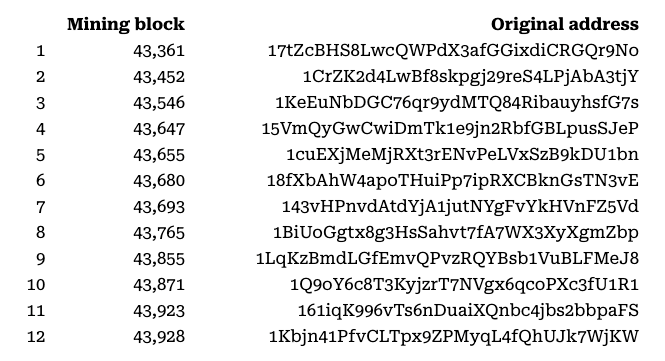
Whale Alert also observed a subtle pattern within the transactions that provided additional insight. The firm pointed out that one of the rewards moved through several intermediate addresses before the majority of the other transfers took place. This sequence of movements is consistent with what might be expected from a test transaction conducted prior to initiating a larger series of transfers.
The movement of these 2010-mined Bitcoins, while not linked to Satoshi Nakamoto, serves as a fascinating reminder of Bitcoin’s early days and the significant value that early adopters and miners have held onto. The sheer duration of dormancy for these coins underscores the long-term conviction of their holders, or perhaps their forgotten access to these digital assets. The re-emergence of these coins into circulation, even in small batches, can create ripples in the market and fuel ongoing discussions about Bitcoin’s history, its early participants, and its future trajectory. The value of these coins, now equivalent to tens of millions of dollars, highlights the incredible growth and adoption Bitcoin has experienced since its inception.
The transaction details, as meticulously recorded by blockchain explorers, reveal the journey of these coins. For instance, one of the 12 addresses involved received a substantial 50 BTC mining reward on March 5, 2010. This address then remained dormant until September 5, 2026 (as indicated in the provided image reference, suggesting a potential typo or future-dated hypothetical scenario in the original source, but reflecting the intended long dormancy), when it transferred its holdings to a new address, initiating the chain of recent movements.
While the immediate speculation linking these movements to Satoshi Nakamoto has been largely dismissed by expert analysis, the event nonetheless underscores the enduring mystique surrounding Bitcoin’s origins. The individuals or entities controlling these early-mined coins, regardless of their identity, are now significant holders of a valuable digital asset, demonstrating the profound and lasting impact of early participation in the Bitcoin network. The continued activity from these long-dormant wallets serves as a historical marker, reminding the crypto world of its roots and the remarkable journey it has undertaken.






