The promise of artificial intelligence for marketing professionals—to "learn to build," "ship your own tools," and "automate your busywork"—has been widely discussed, yet a clear starting point has remained elusive. This challenge was highlighted when Canva provided 5,000 employees with a full week to explore AI, with many reportedly struggling to initiate projects. The reason, as noted, is that many current AI tools demand developer-level expertise in file management, terminal operation, and server deployment.
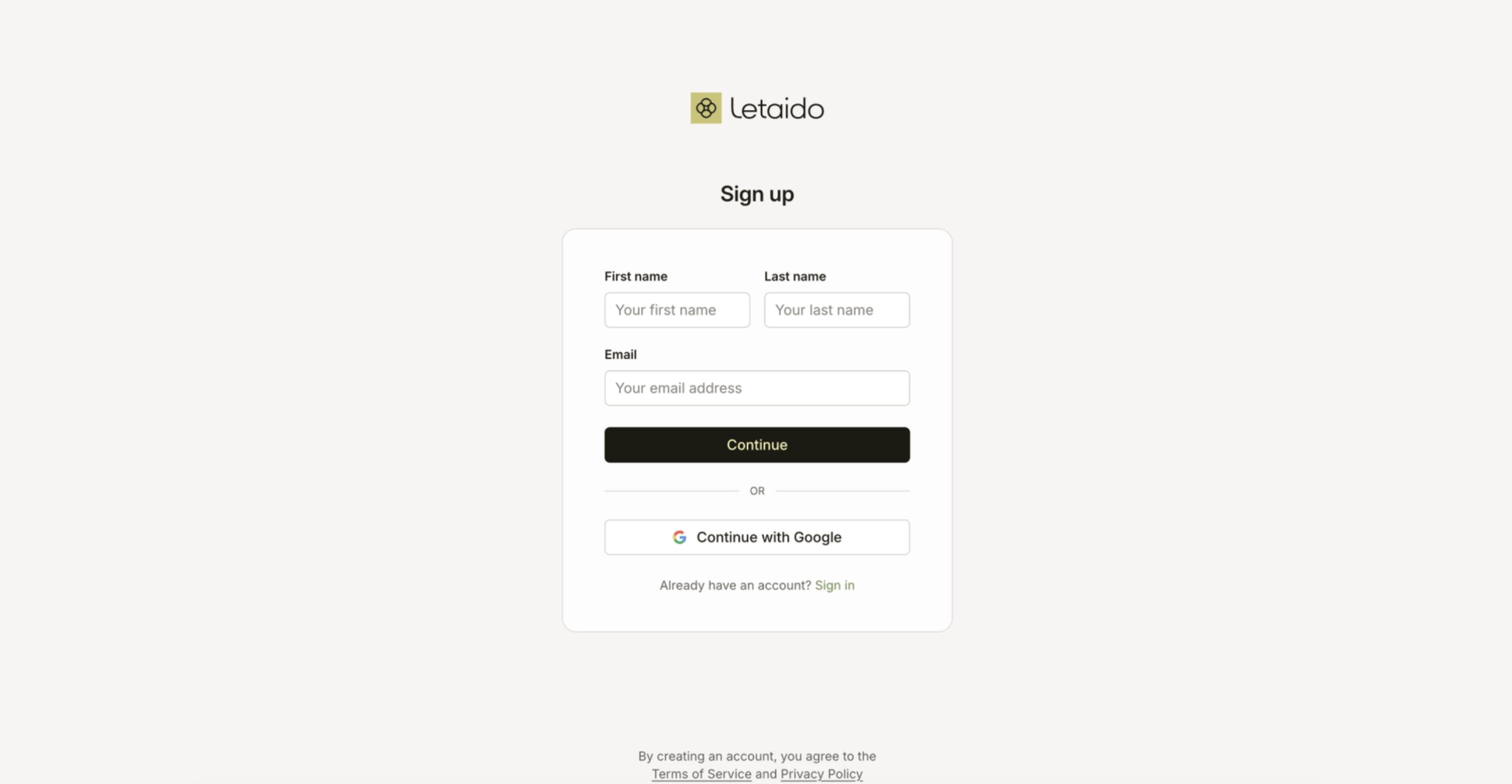
However, the barrier to entry for creating custom marketing tools and workflows is significantly lower than often perceived. Letaido, an AI workspace that operates directly within a web browser, offers a solution that bypasses the need for any software installation, complex file management, or continuous laptop operation. This platform allows users to build and run their own marketing automations and dashboards with unprecedented ease.
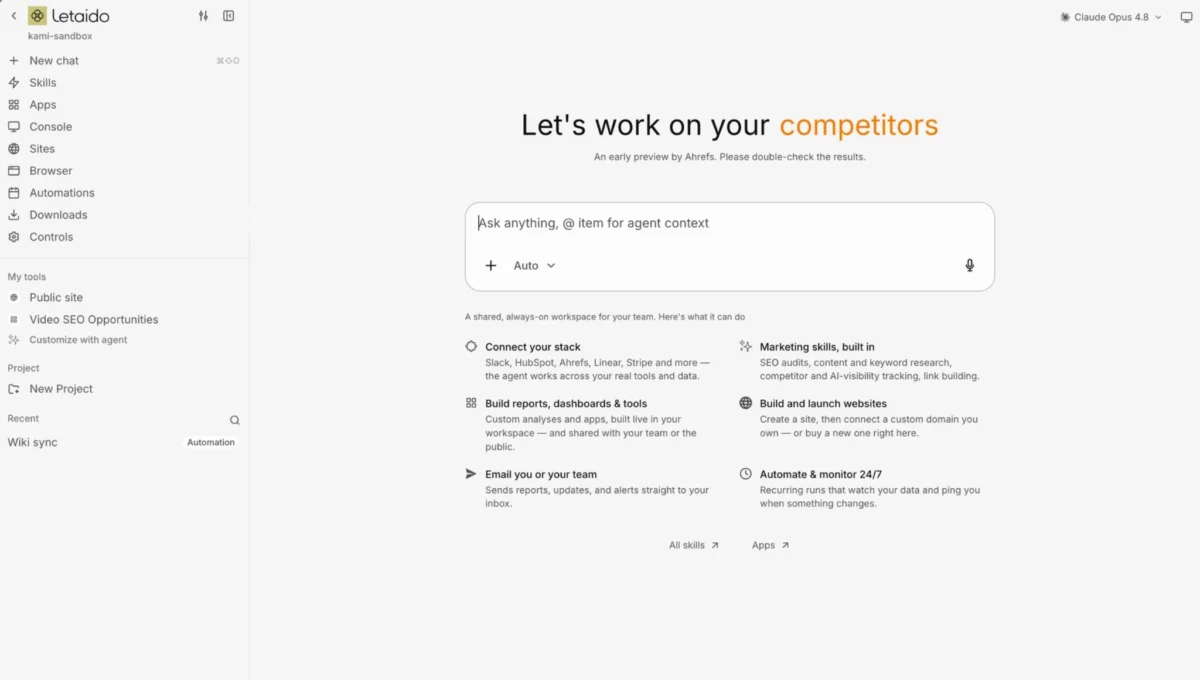
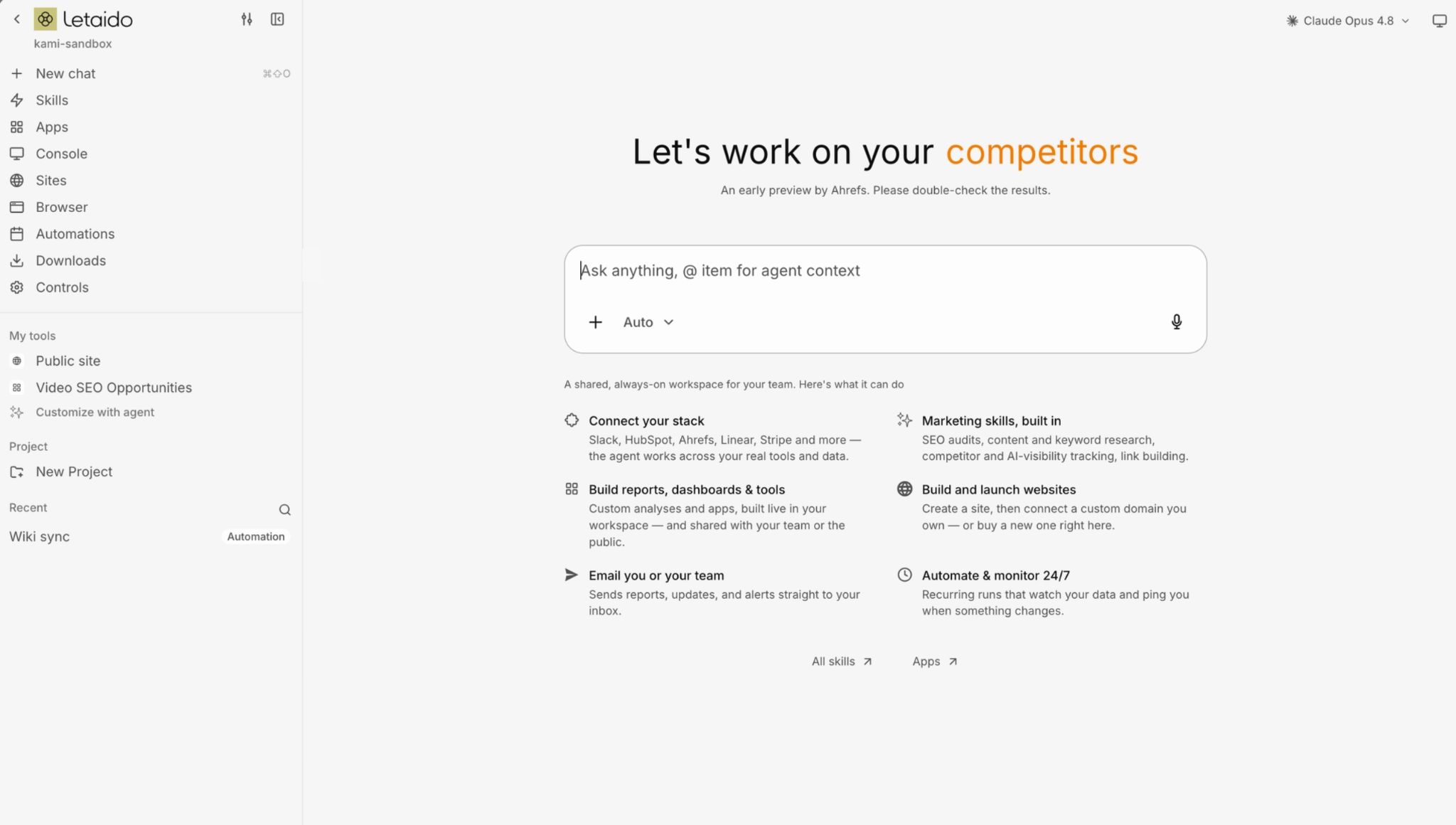
Letaido: An AI Workspace in Your Browser
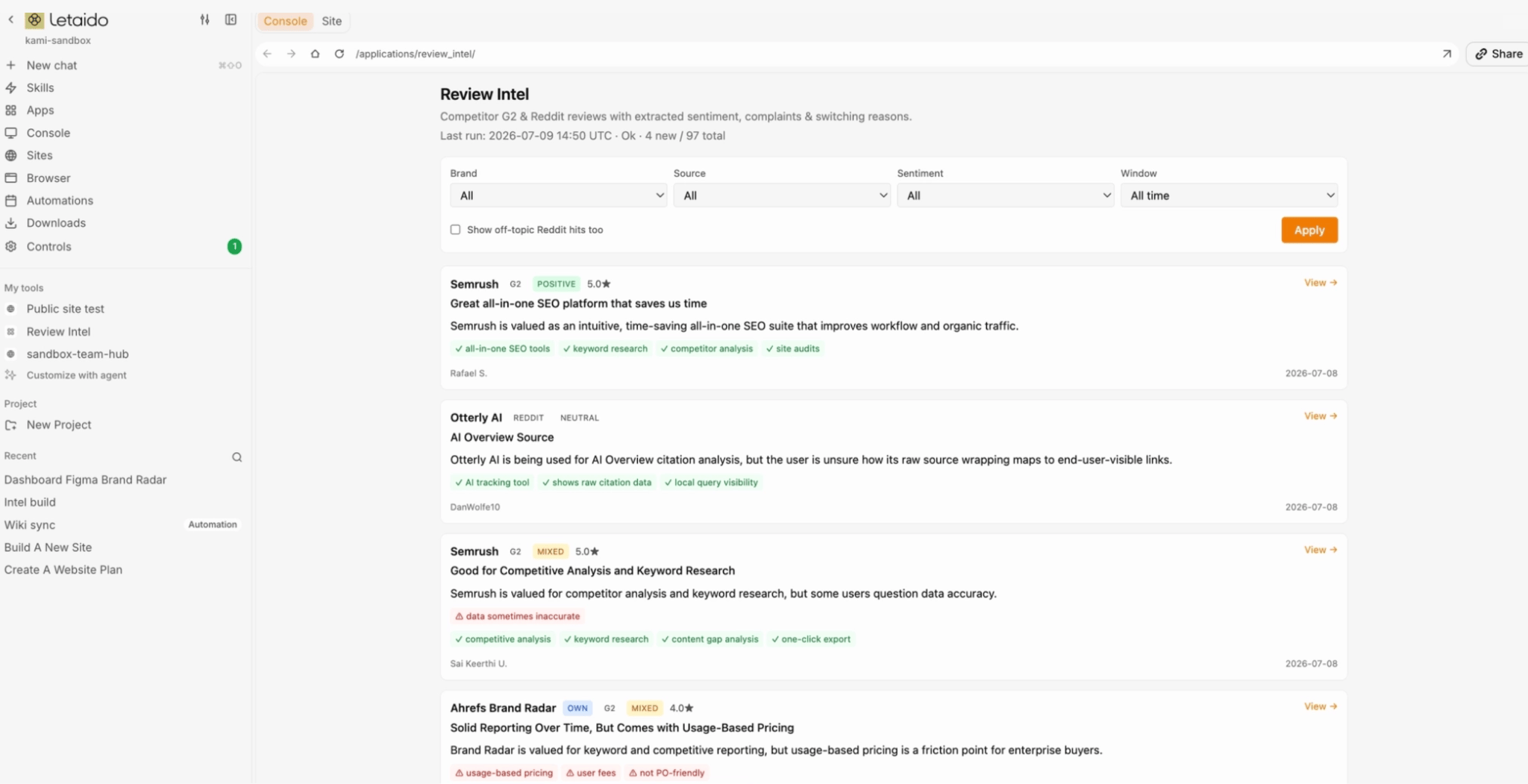
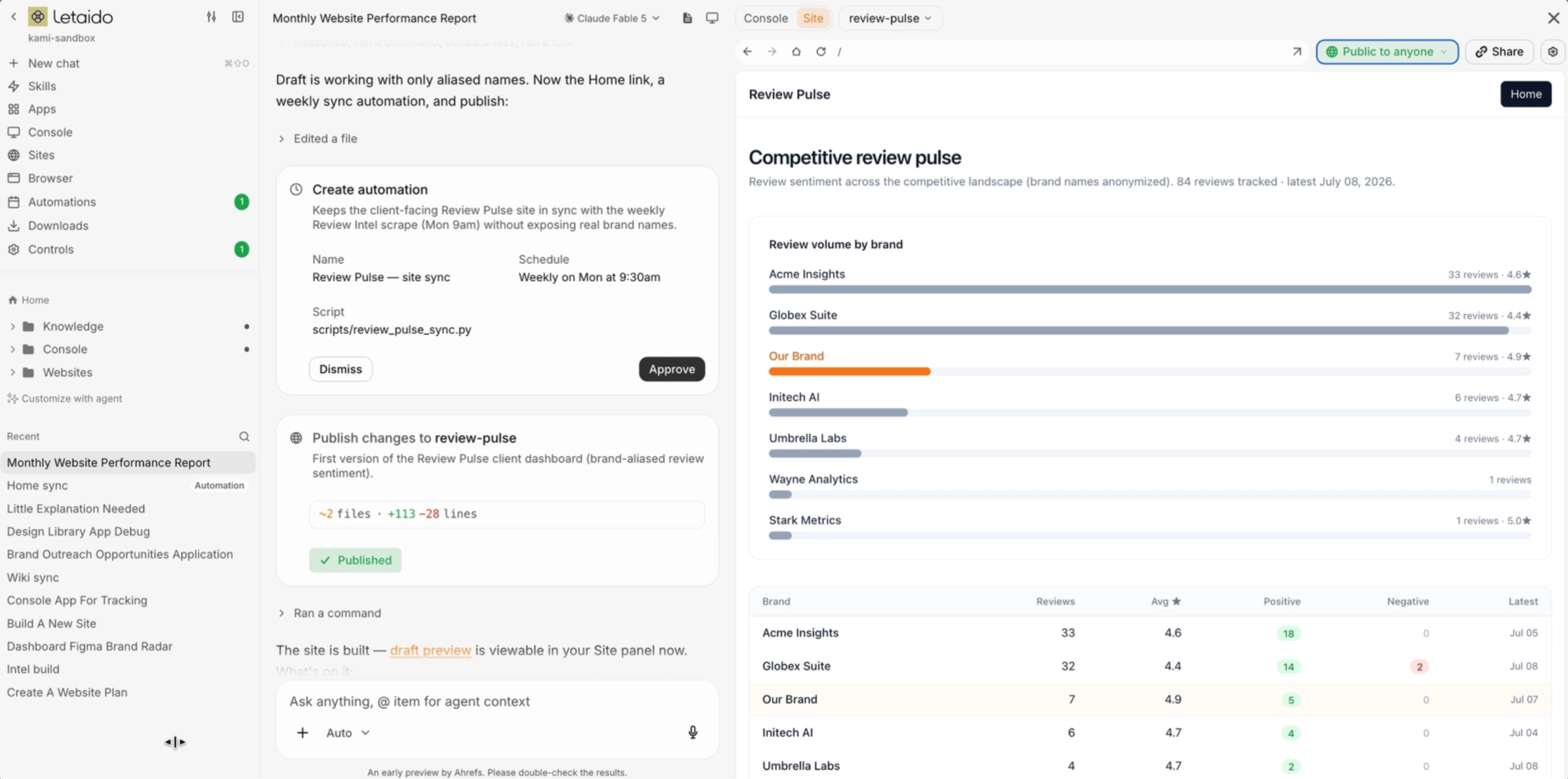
Letaido is designed as a comprehensive AI marketing platform that resides entirely within the user’s browser. It handles the coding, data storage, tool hosting, and scheduled execution of automations. This approach redefines "vibe coding," enabling marketers to create reporting dashboards, competitor monitoring tools, keyword clustering solutions, and content workflows without relying on development teams or extensive budgets. Users can describe their desired workflow in plain language, akin to explaining a task to a new hire, and Letaido’s AI constructs it.
The platform offers two primary environments for building these custom solutions:
The Private Console: Accessible only to a team, this environment is ideal for internal tools and dashboards.
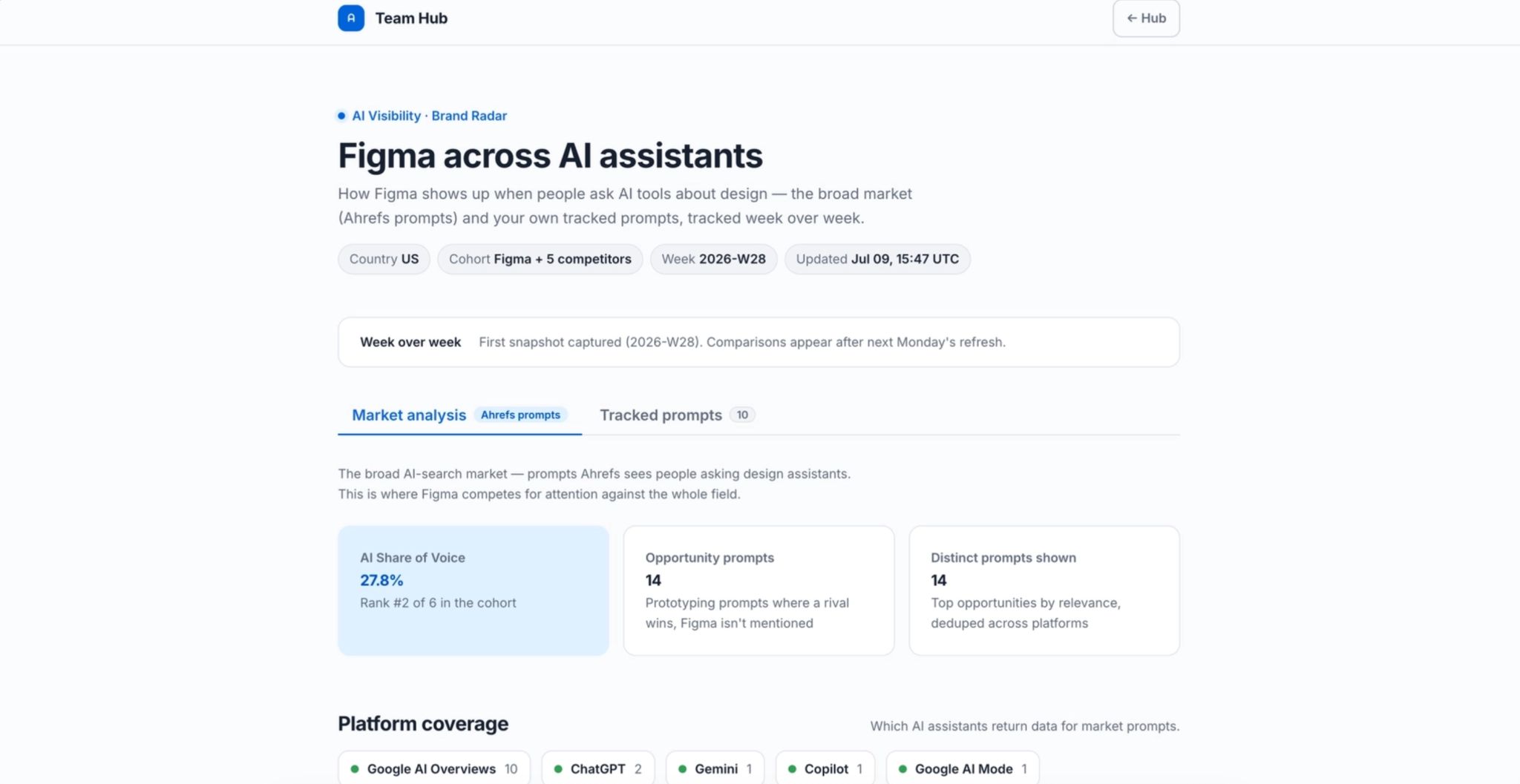
The Public Site: This allows for the creation of publicly shareable pages and reports.
Key Features of Letaido
Letaido distinguishes itself with several significant features tailored for marketing professionals:
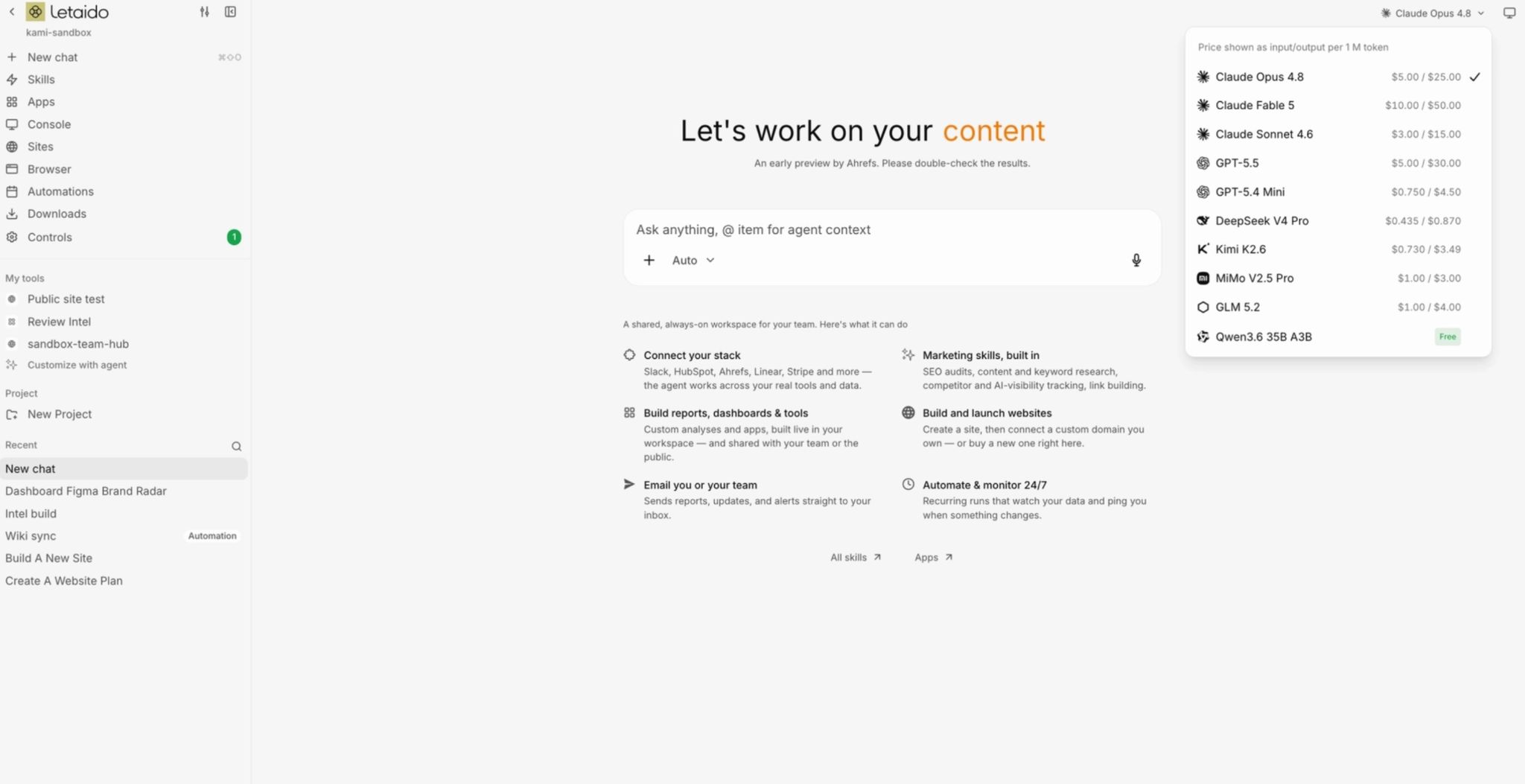
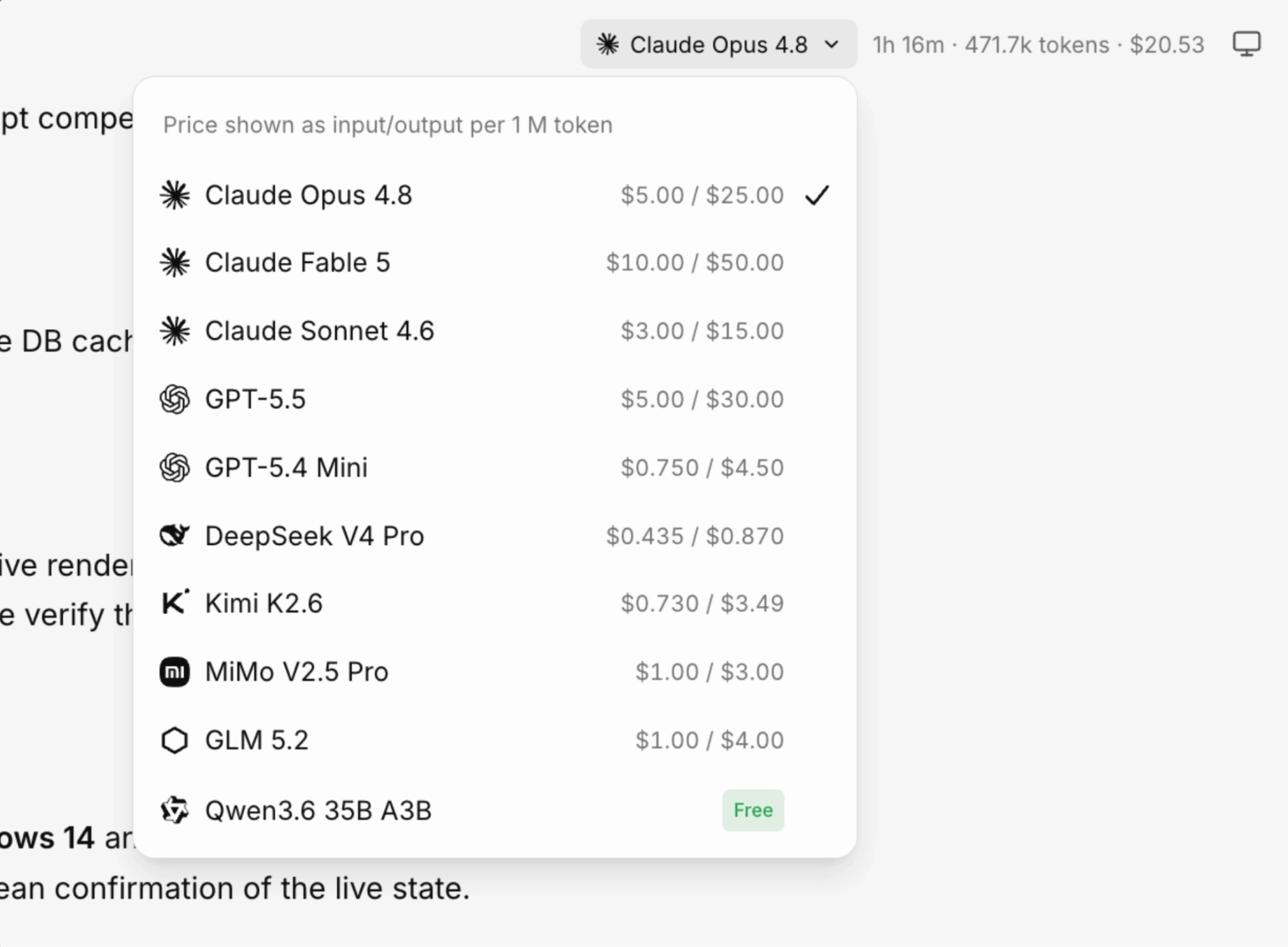
Unified AI Model Access: Users can seamlessly switch between various leading AI models, including Claude, GPT, and Gemini, on a per-task basis. This eliminates the need for multiple subscriptions or managing individual API keys.
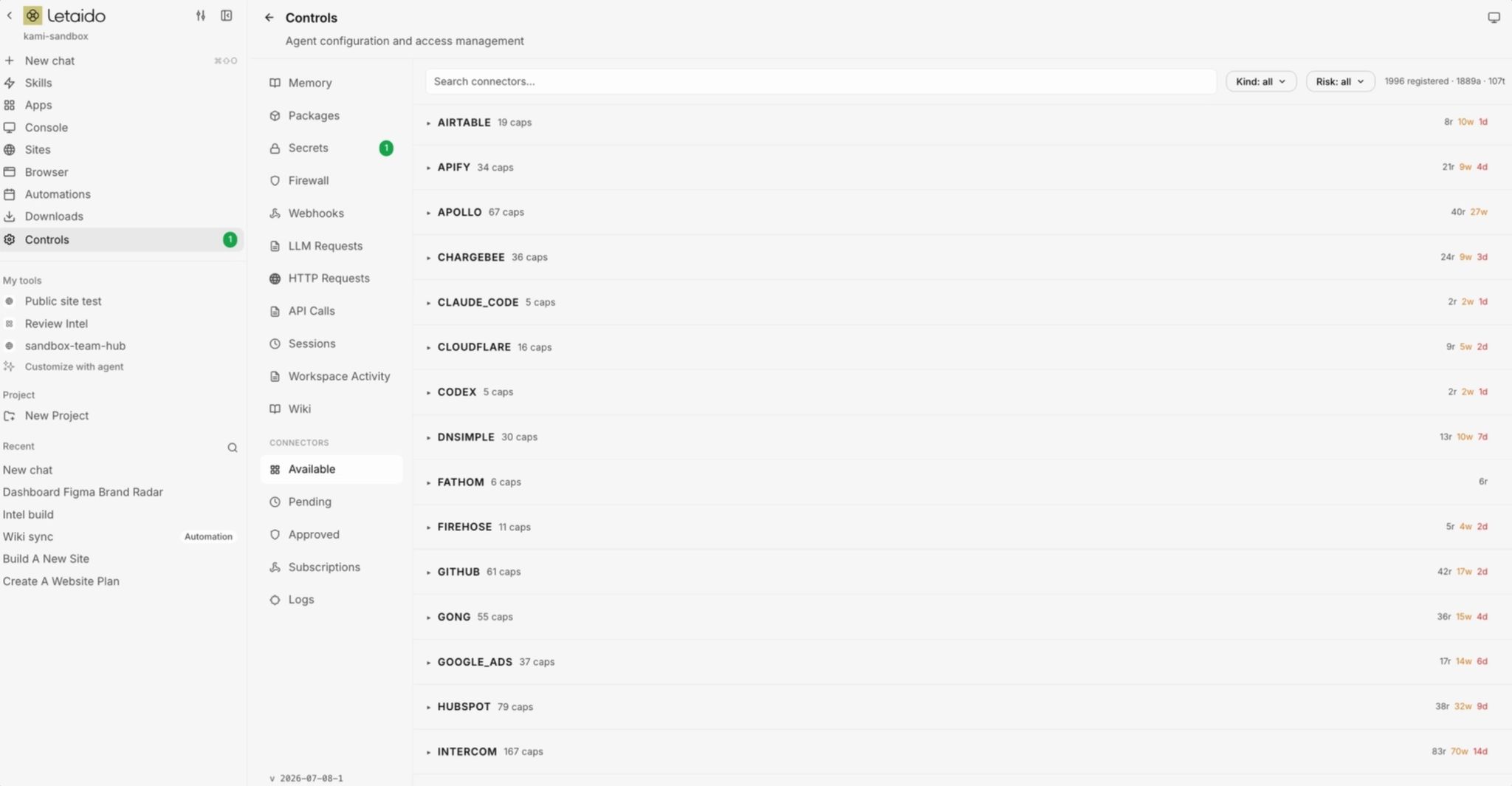
Extensive Native Connectors: Letaido integrates with over 35 popular marketing tools such as Slack, HubSpot, Notion, GitHub, Linear, Mailchimp, Stripe, WordPress, and Airtable, streamlining data flow and action execution.
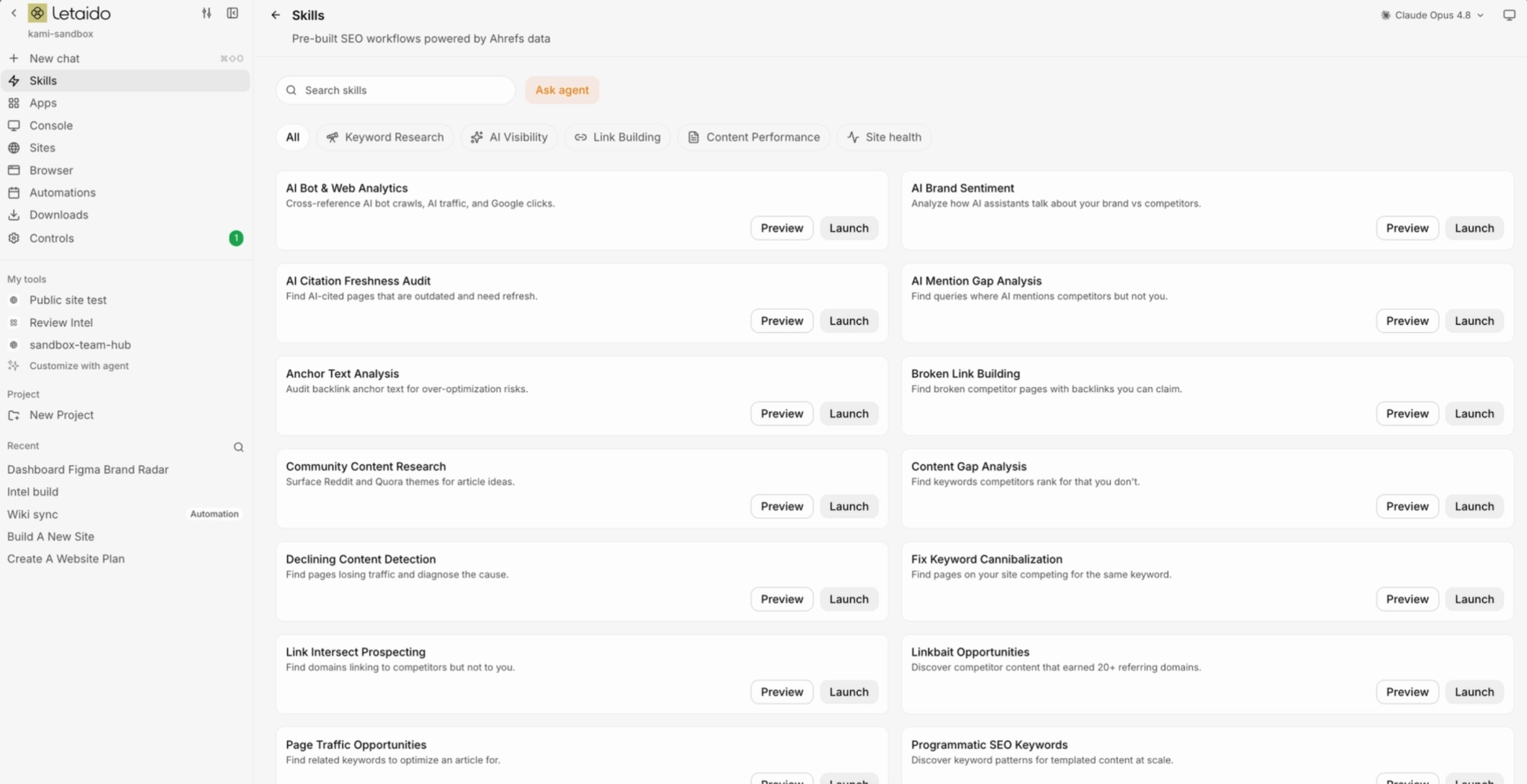
Pre-built Marketing Skills: A library of "skills"—predefined sets of steps based on marketing best practices—is maintained by Ahrefs. These skills provide a structured starting point, preventing users from needing to build complex workflows from scratch.
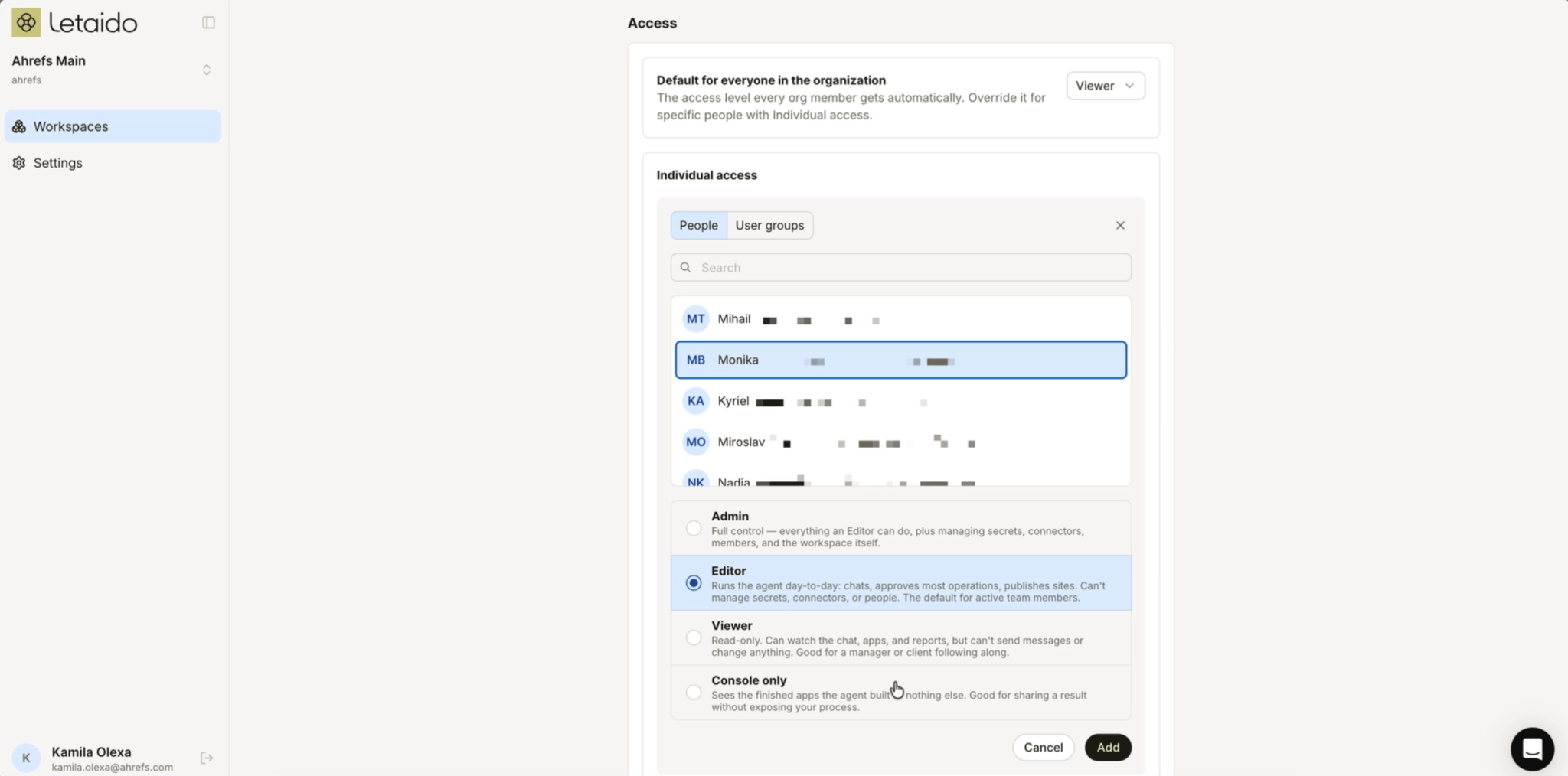
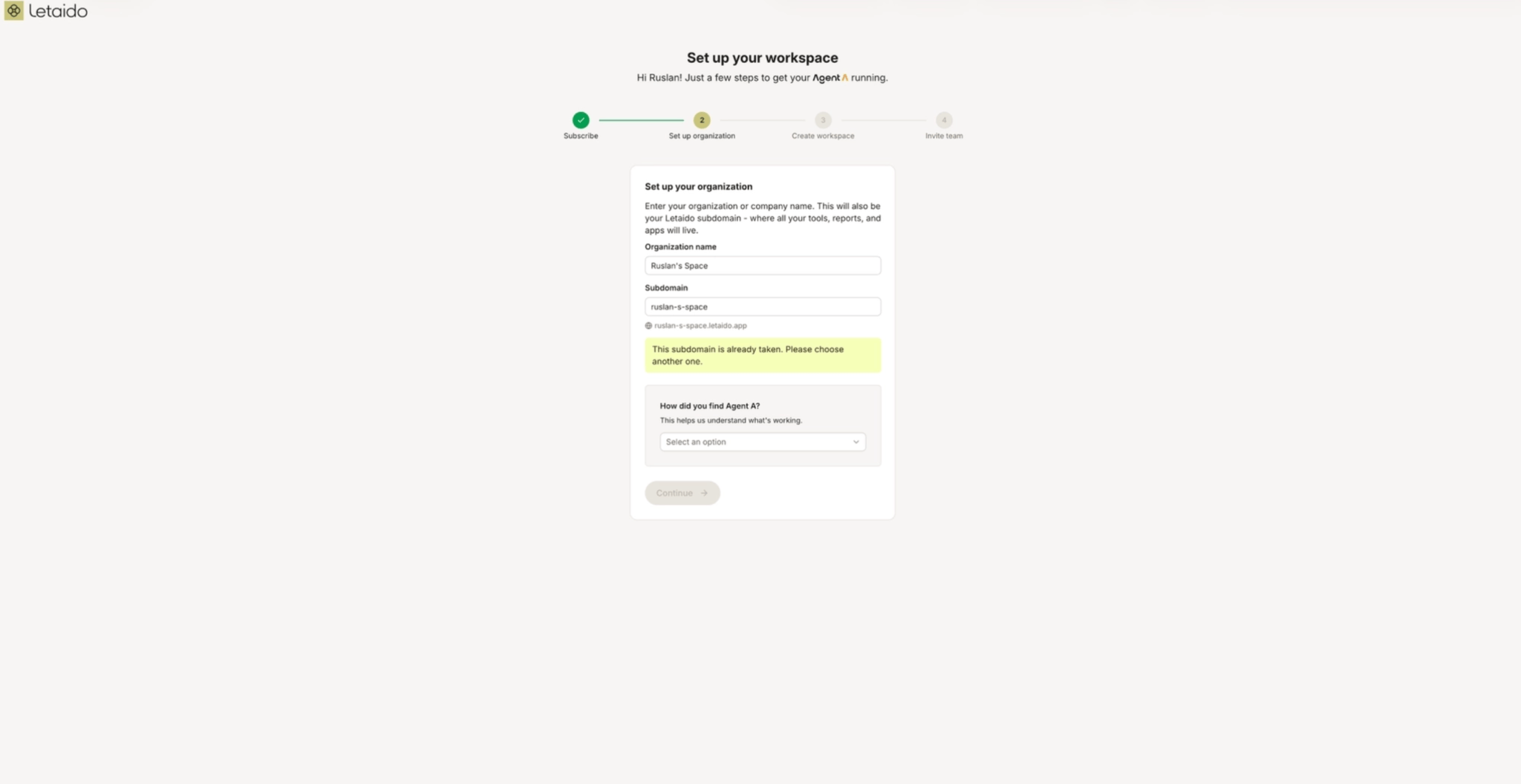
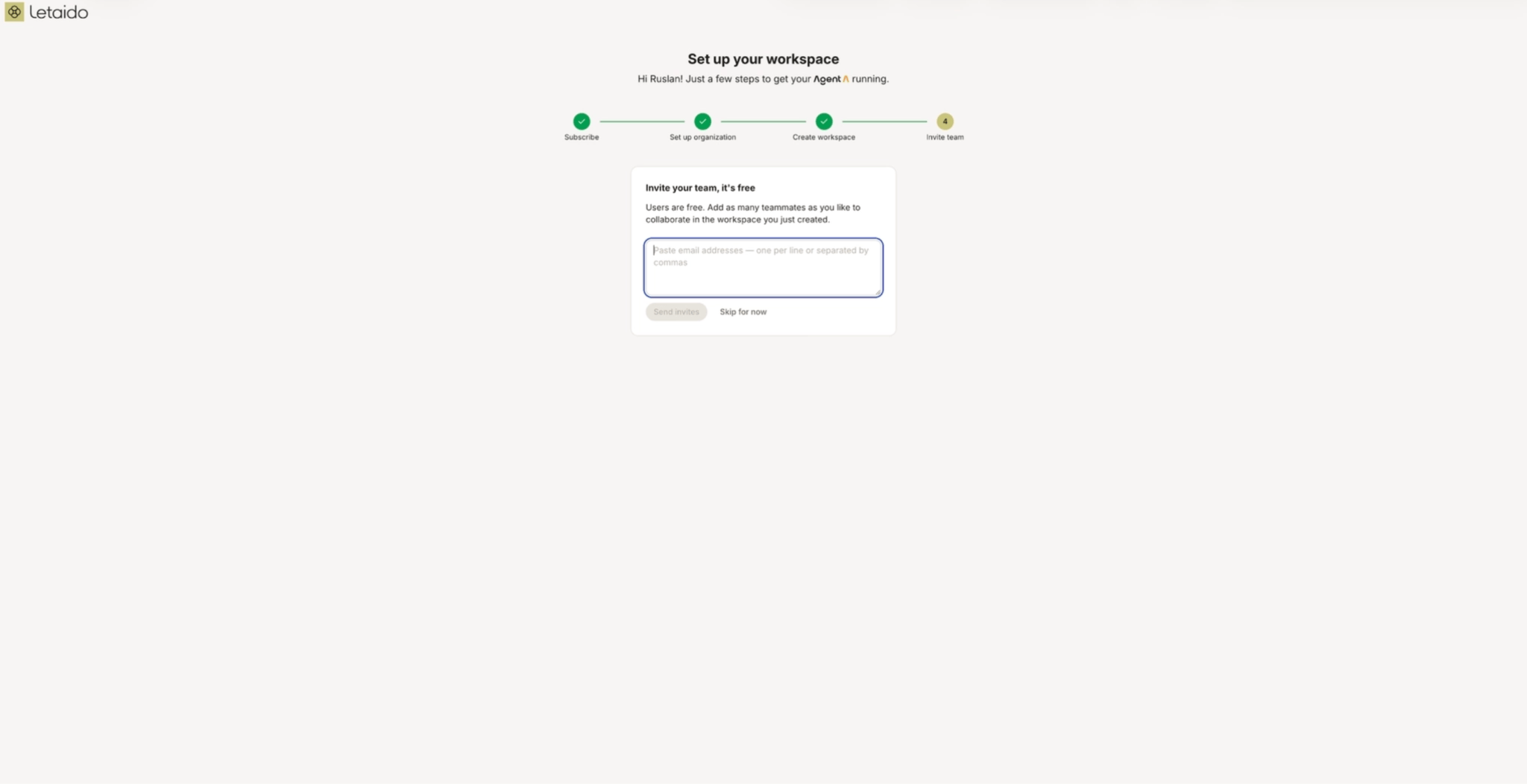
Team Collaboration: Letaido is built for team environments. Setups, including skills and connectors, are shared across the team, fostering collaborative development. While seats are free, workspaces have a monthly fee, allowing for broad team participation. Role-based access (members, owners, admins) ensures control and security.
Public Sharing Capabilities: Users can generate guest links for their apps or reports, creating public sites with a default Letaido domain. Custom domains can also be configured, with Letaido managing SSL certificates.
Managed Hosting and Security: The platform handles all hosting and security aspects, including API key management, mitigating common beginner risks like accidental exposure of sensitive credentials or public reports.
Getting Started with Letaido
The setup process for Letaido is designed to be straightforward, eschewing traditional development environments:
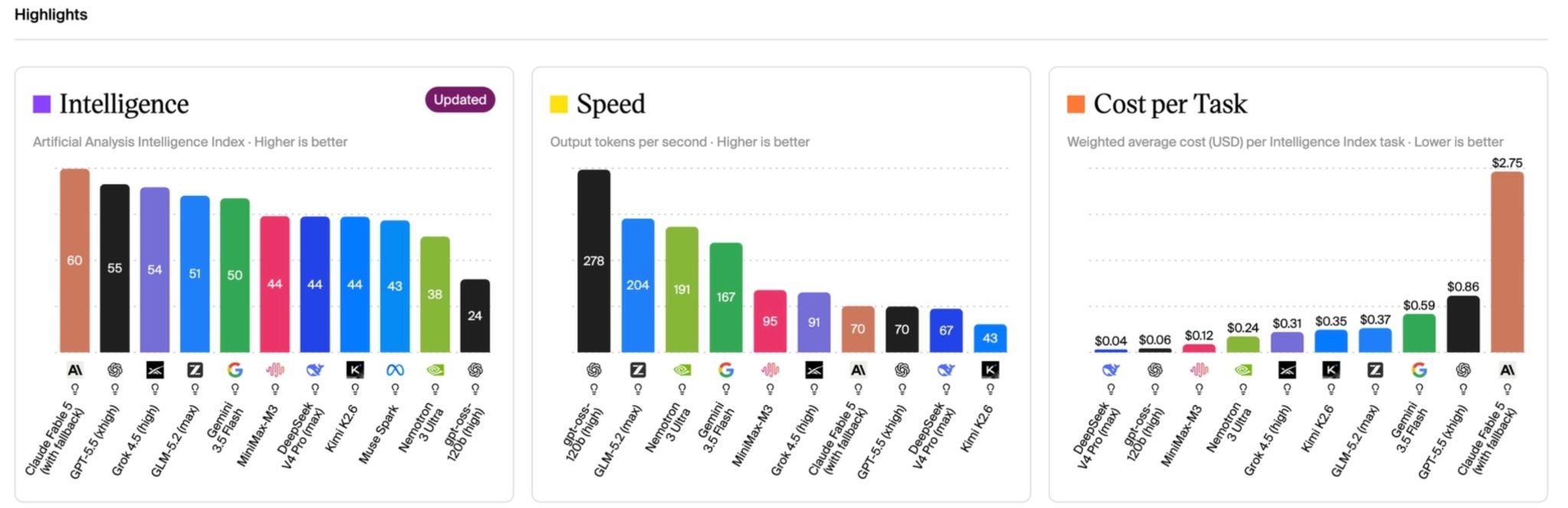
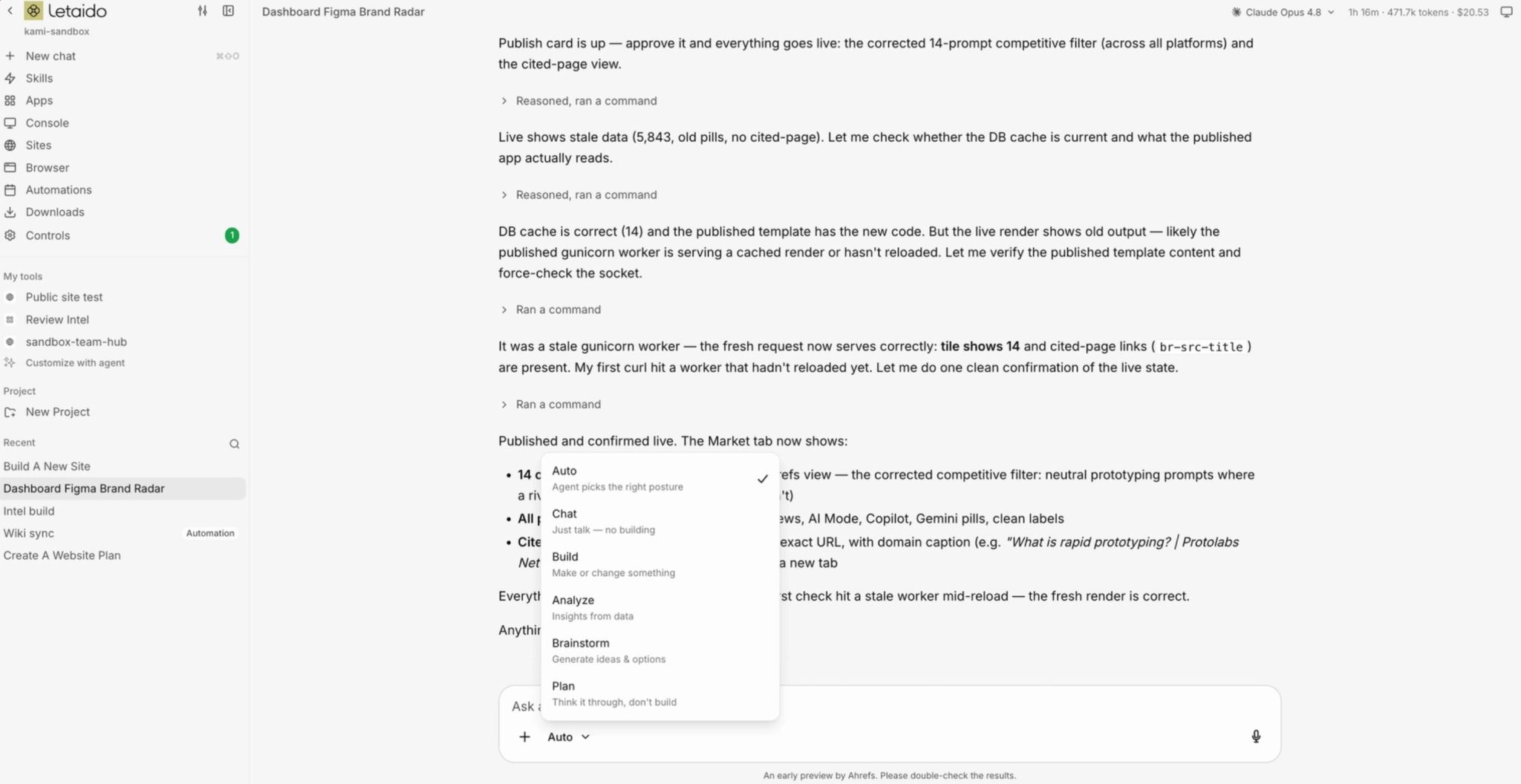
Choose an AI Model and Mode: Letaido provides access to various AI models, each with different strengths in quality, speed, and cost. Users can leverage their included AI credits to experiment and select the most appropriate model for each task. The platform also offers different building modes (e.g., Chat, Auto) to guide the AI’s approach.
Create a Knowledge Base: To ensure consistency and accuracy, Letaido allows users to build a knowledge base. This includes a .memory.md file for essential, frequently referenced notes and a "Team Wiki" for more extensive documentation on company strategy, ideal customer profiles, and product information.
Develop Skills, Apps, Reports, Artifacts, or Automations: Letaido categorizes its builds into distinct types:
Skills: Reusable sets of instructions for the AI agent, triggered by natural language requests.
Apps: Interactive tools that can access databases, utilize connectors, and display results.
Reports: Live, read-only views of data that refresh automatically.
Artifacts: Static outputs, such as a one-off visualization or analysis.
Automations: Tasks that run on a schedule, either configured by an agent or set up manually with defined parameters.
Add Integrations: Connecting external tools via Letaido’s connectors or API keys is crucial for accessing and manipulating data. Web scraping is also an option for public web pages.
Building Workflows with Letaido
The process of building custom marketing solutions on Letaido follows a structured approach:
Writing the Prompt: Clear, specific prompts are essential as the AI will execute them repeatedly. Prompts should define the objective, specify the data sources, outline the desired output format, and include any necessary constraints or rules.
Mapping Data Sources: Identifying all relevant tools and the specific data points they hold is the first step. This data can then be integrated into Letaido via connectors, API keys, or web scraping.
Choosing What to Build First: Inspiration for initial builds can be drawn from common marketing tasks such as end-to-end keyword research, competitor ad campaign analysis, or updating old articles to combat traffic decline. The focus is on creating one impactful, context-specific workflow.
The Reality of AI in Marketing
While the current AI landscape is filled with excitement, it’s important to maintain realistic expectations. AI tools like Letaido are not a replacement for strategic thinking, creativity, or interpersonal relationships. They will not guarantee top search engine rankings or instantly perfect workflows. The initial versions of any AI-generated build will likely be rudimentary.
However, the primary leverage of these tools lies in their ability to automate the repetitive, time-consuming 70% of marketing tasks. This frees up marketers to concentrate on more engaging and strategic aspects of their roles. By chaining together workflows that were previously manual, or by scheduling them to run automatically, professionals can achieve significant gains in efficiency.
Ultimately, marketers possess the deepest understanding of their own jobs. The most effective approach is to start with a familiar workflow, build a single, functional solution, and then iterate and refine it to meet specific quality standards. The author encourages users to share their builds and experiences upon trying the platform.
 1
1