 11
11
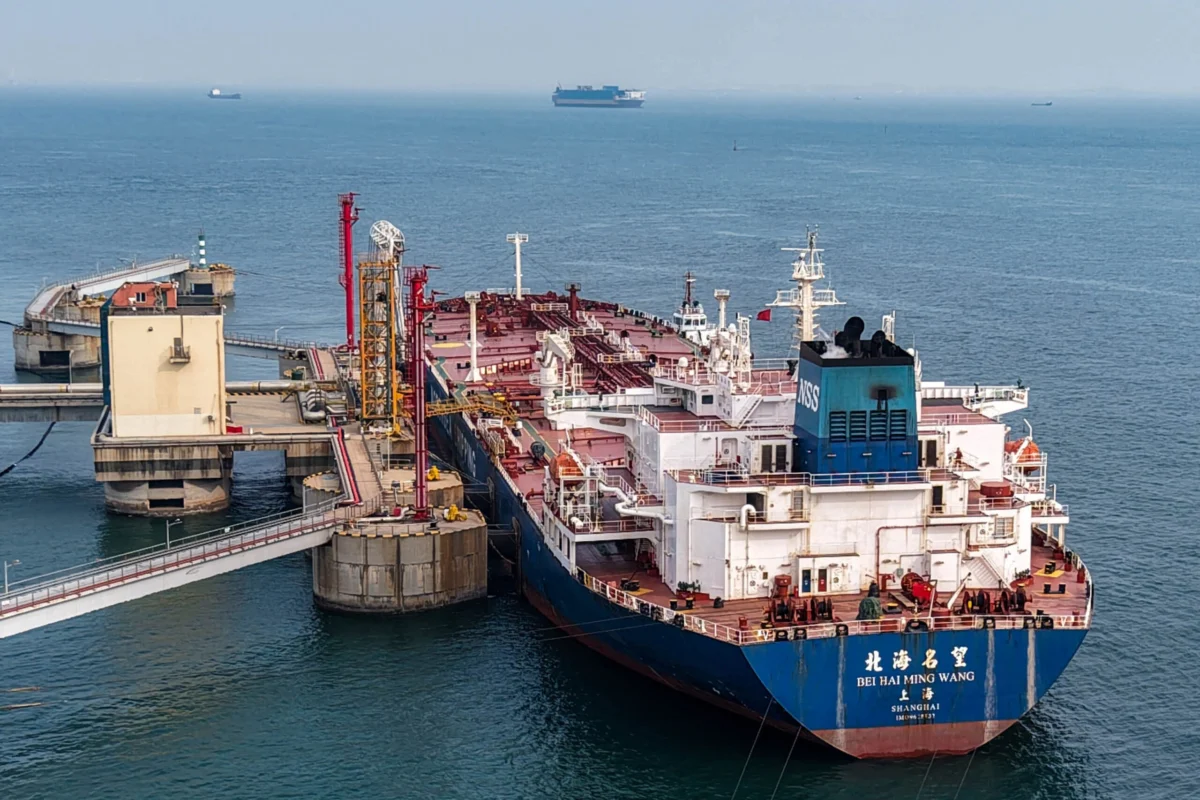
BEIJING – China has asserted its energy security, stating it possesses sufficient resources to navigate the current market volatility stemming from the ongoing Iran war which has disrupted oil flows through the critical Strait of Hormuz. This declaration comes as U.S. President Donald Trump pressures Beijing to contribute to securing the vital waterway.
Fu Linghui, spokesperson for China’s National Bureau of Statistics, stated in Mandarin Chinese, as translated by CNBC, that the nation’s energy supply is "relatively strong" and forms a "relatively good" foundation for responding to external market fluctuations. This assessment is bolstered by recent data indicating an increase in domestic crude oil production.
According to the bureau’s announcement, China’s domestic crude oil output rose by 1.9% year-on-year, reaching 35.73 million metric tons during the January to February period. This incremental increase in self-sufficiency contributes to the nation’s overall energy reserves.

The geopolitical tension surrounding the Strait of Hormuz has intensified following President Trump’s public remarks. The Financial Times reported on Sunday that Trump urged China to assist in efforts to restore oil flows through the waterway prior to his scheduled visit to Beijing at the end of March. He also indicated a potential delay in his travel plans, linking the summit’s timing to China’s cooperation on the Hormuz issue.
Crude oil prices have consequently surged, surpassing $100 a barrel and reaching near four-year highs. This price escalation is a direct consequence of the stalled oil flows through the Strait of Hormuz for most nations since the commencement of the Iran war over two weeks prior. However, despite the broader disruptions, Iran has reportedly continued to ship significant volumes of oil to China, with more than 11 million barrels being sent through the strait during the same period, according to CNBC reports.
President Trump has asserted that Beijing should actively participate in ensuring oil transit through the strait, citing that China relies on the waterway for approximately 90% of its oil imports. This figure, if accurate, would underscore China’s significant dependence on this specific route.
However, independent analysts have offered a different perspective on China’s reliance on the Strait of Hormuz. Estimates suggest that China draws only about 40% to 50% of its seaborne oil imports from this route. Furthermore, these analysts point out that oil shipments traversing the Hormuz account for a relatively modest 6.6% of China’s total energy consumption. This disparity in figures highlights the complexity of assessing China’s true vulnerability to disruptions in the Strait of Hormuz.

Adding to China’s energy security narrative is its substantial strategic petroleum reserve. As of January, Beijing was estimated to hold approximately 1.2 billion barrels of onshore crude oil stockpiles. This reserve is recognized as one of the largest globally and is considered sufficient to meet China’s demand for three to four months. This substantial buffer provides a critical cushion against short-term supply shocks and market volatility, reinforcing the government’s assertion of energy resilience.
The situation at the Strait of Hormuz remains a significant concern for global energy markets, with the ongoing Iran war creating a volatile environment. China’s stance, emphasizing its robust domestic production and significant strategic reserves, positions it as seeking to maintain stability amidst international pressures and geopolitical uncertainties. The effectiveness of these measures and the broader implications for global energy flows will continue to be closely monitored.