11

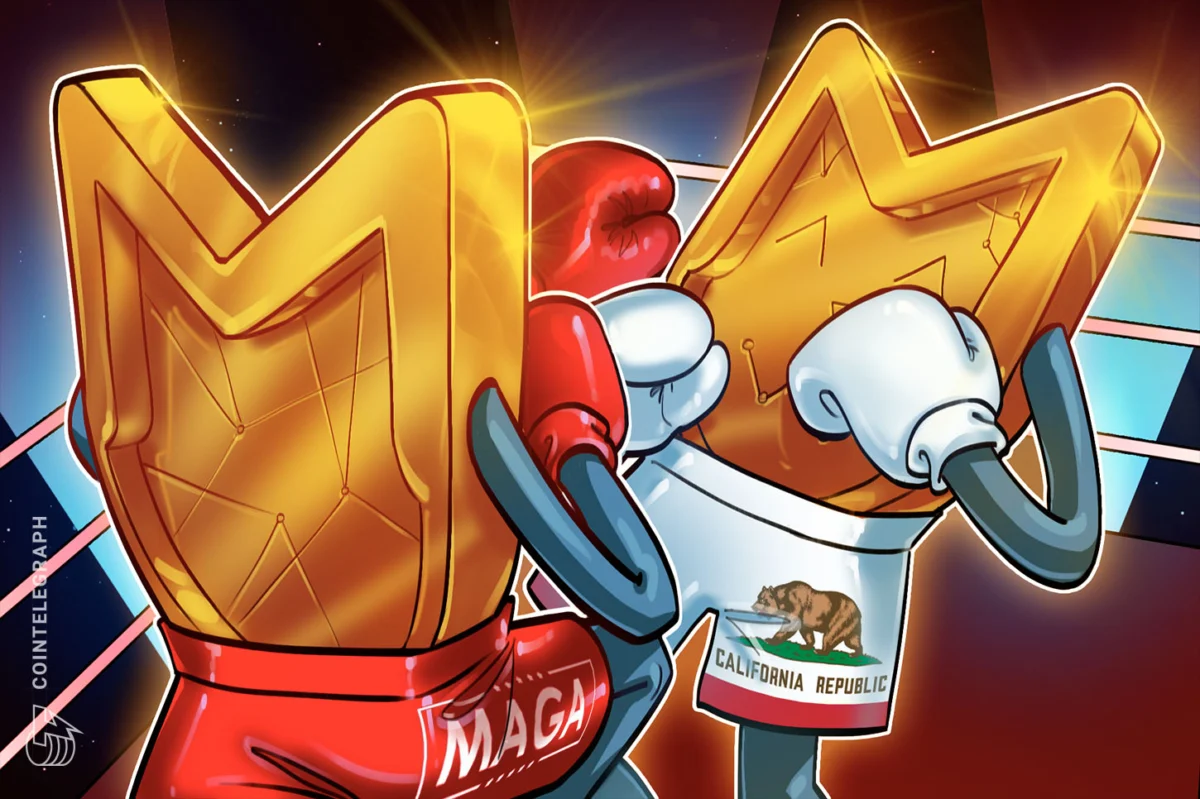
California lawmakers have taken a significant step towards regulating the intersection of public service and the burgeoning world of cryptocurrencies, specifically targeting memecoins. The California State Senate unanimously passed Assembly Bill 2409 with a decisive 40-0 vote on Wednesday, a move that underscores growing legislative apprehension regarding potential conflicts of interest and "pay-to-play arrangements" involving public officials and digital assets. The bill subsequently received overwhelming support in the Assembly, passing with a 78-0 vote to concur in the Senate’s amendments. Currently, the legislation has entered the enrolled stage and awaits the signature of the Governor to become law.
Assembly Bill 2409, if enacted, would impose a significant restriction on digital asset service providers operating within California. Specifically, it would prohibit these providers from offering memecoins to California residents if those memecoins were issued on or after January 1, 2027, and are offered by, or in partnership with, federal public officials, or state and local public officers. The bill’s definition of memecoins is noteworthy, characterizing them as digital assets whose value is primarily derived from "public interest, speculation or community engagement." This broad definition appears designed to encompass a wide range of cryptocurrencies that often gain traction through social media trends and community hype rather than fundamental technological innovation or utility.
The legislative action in California comes at a time when the volatile and speculative nature of memecoins, particularly those linked to prominent political figures, has drawn increasing scrutiny. A recent report from Public Citizen, a nonprofit consumer advocacy organization, highlighted the significant financial implications for investors in the Official Trump (TRUMP) memecoin. According to the report released on Thursday, investors in this particular memecoin are estimated to be a staggering $3.2 billion underwater. While the majority of these losses remain unrealized, the figure underscores the substantial risk associated with memecoins that become entangled with political narratives.
The TRUMP token itself has become a notable player in the memecoin landscape. It currently ranks as the fifth-largest memecoin by market capitalization, boasting a valuation of $688 million. Despite its overall decline over the past year, where it experienced a significant 67% drop, the token has shown recent volatility. According to data from CoinMarketCap, the TRUMP token saw a 53% surge in value over the past week, indicating a partial recovery of its earlier losses. This fluctuation further illustrates the speculative nature that the California bill aims to address in the context of public officials.
The entanglement of political figures with cryptocurrency ventures, particularly memecoins, has also presented obstacles in broader federal legislative efforts. The Trump family’s involvement in crypto ventures has been cited as a contributing factor to delays in the passage of the Digital Asset Market Clarity (CLARITY) Act, a proposed U.S. bill aimed at establishing a clearer regulatory framework for the cryptocurrency market. This federal legislative landscape is further complicated by reports of a bipartisan ethics addendum, the specifics of which have not yet been publicly disclosed. This addendum, according to Bloomberg, could potentially allow former President Trump to defer capital gains taxes on any required divestitures of his cryptocurrency holdings. Such a provision could result in tax savings amounting to millions of dollars, adding another layer of ethical consideration to the intersection of politics and digital assets.
The public sentiment surrounding political figures and their engagement with cryptocurrency investments also appears to be a factor influencing legislative action. A poll indicated that a majority of Americans find the Trump family’s crypto investments to be "not appropriate." This public perception likely contributes to the legislative push for greater transparency and ethical safeguards.
The passage of AB 2409 in California signifies a growing trend among state and federal lawmakers to address the unique risks and ethical challenges posed by the cryptocurrency market, particularly in its more speculative and potentially exploitative forms like memecoins. The bill’s focus on preventing public officials from leveraging their positions or influence for personal gain through cryptocurrency investments reflects a broader effort to maintain public trust and ensure the integrity of government. The broad definition of memecoins and the specific focus on digital assets issued in partnership with public officials suggest a proactive approach to preempting potential abuses of power and influence in the rapidly evolving digital asset space. As the bill moves towards the Governor’s desk, its enactment will mark a significant development in the regulation of cryptocurrency and public service in California.