 11
11
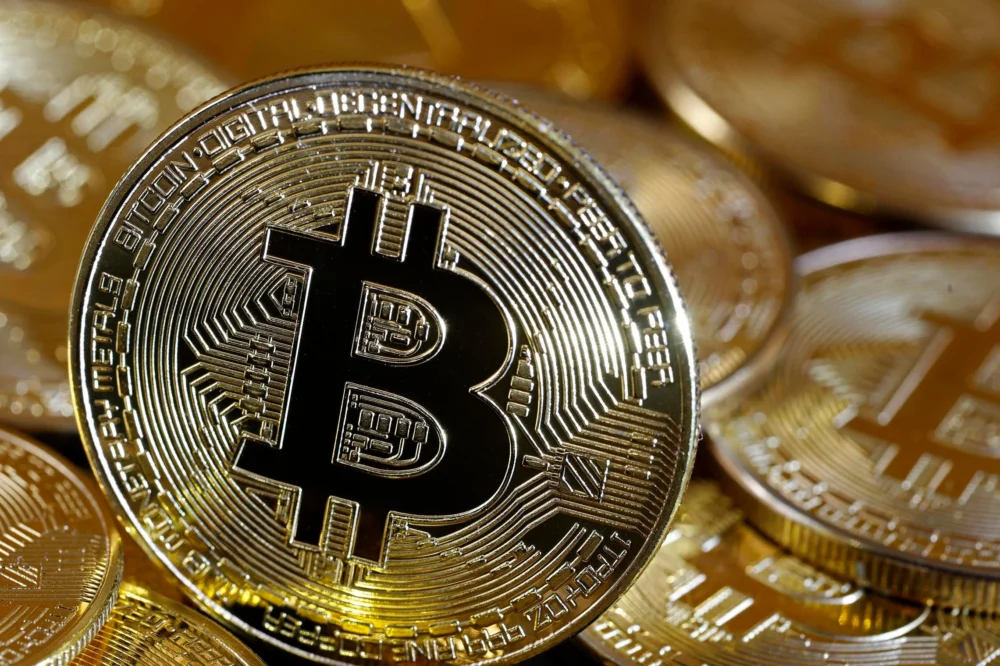
Bitcoin, the world’s leading cryptocurrency, experienced a significant rebound on Wednesday, surging nearly 8% and extending a five-day rally that commenced shortly after the United States and Israel initiated military strikes against Iran. This rally pulled the digital asset out of a sharp slump that had characterized its performance in the preceding weeks, signaling a shift in investor sentiment amidst escalating geopolitical tensions.
Around 2:10 p.m. EST on Wednesday, Bitcoin was trading at $73,684.63, marking a 7.7% increase. The cryptocurrency’s upward trajectory was punctuated by two distinct surges throughout the day: one in the early morning hours and another significant jump around 10 a.m. EST. This robust performance is particularly notable given Bitcoin’s recent volatility. Just weeks prior, following the initial outbreak of conflict in the Middle East on February 28, Bitcoin had tumbled towards the $63,000 mark. However, the subsequent five-day rally has seen its value climb by more than 11% since the military operations began.
This current winning streak represents Bitcoin’s first sustained period of gains in a month, a welcome change after a challenging start to February. Earlier in the month, prices had tanked to lows not observed since 2024, prompting concerns among investors about the cryptocurrency’s immediate trajectory. This previous downturn was attributed to a confluence of factors, including geopolitical uncertainties linked to the capture of Venezuelan President Nicolas Maduro and then-President Donald Trump’s threats to seize Greenland, events that seemingly had a more pronounced negative impact on crypto markets at the time.
The broader geopolitical backdrop against which this rally is unfolding involves the fifth day of military operations conducted by the U.S. and Israel against Iran. U.S. Secretary of Defense Pete Hegseth conveyed a firm stance on Wednesday, stating to reporters, "Iran cannot outlast us." This declaration came after President Donald Trump had indicated earlier in the week that the conflict could potentially extend for several weeks. The military engagement has seen both sides conducting strikes, leading to heightened regional instability.
The positive momentum wasn’t confined to Bitcoin alone; other major cryptocurrency assets also experienced significant gains on Wednesday. Ethereum, the second-largest cryptocurrency by market capitalization, climbed by 8.3%. Solana, a high-performance blockchain platform, saw a 7.4% increase, while BNB, the native token of the Binance ecosystem, rose by 3.7%. This synchronized upward movement across the crypto market suggests a broader shift in investor confidence or a collective response to prevailing market dynamics.
Understanding Bitcoin’s Upward Trend
The recent surge in Bitcoin’s value has coincided with a notable improvement in the Crypto Fear and Greed Index. This index, a popular tool for gauging market sentiment, measures various factors such as volatility, market momentum, social media sentiment, surveys, and dominance to produce a score ranging from "extreme fear" to "extreme greed." During Bitcoin’s sharp decline in February, the index had plunged deep into "extreme fear" territory, indicating widespread panic and selling pressure among investors. The current improvement suggests that investors are once again finding confidence in the cryptocurrency, particularly as it remains at price levels last seen in 2024, potentially viewed as an attractive entry point.
A key differentiator in the current market reaction, as opposed to previous periods of geopolitical uncertainty, appears to be the perceived economic implications of the conflict. Unlike the "free fall" observed in February, which was linked to events like the capture of Venezuelan President Nicolas Maduro and Trump’s contentious remarks about Greenland—events that might have signaled broader global economic or political instability—the ongoing Middle East conflict does not seem to carry the same weight for crypto investors in terms of direct, major negative economic consequences.
Markus Thielen, head of research at 10x Research, elaborated on this sentiment in a statement to Bloomberg this week. He noted, "Traders generally don’t expect the Iran conflict to have major negative economic consequences, and demand for upside bitcoin calls has clearly picked up in recent days." This perspective suggests that market participants are not anticipating a severe global economic downturn or disruption directly stemming from the Middle East conflict, thereby allowing for a more risk-on appetite in assets like Bitcoin. "Upside bitcoin calls" refer to options contracts that give the holder the right, but not the obligation, to buy Bitcoin at a specified price by a certain date. An increase in demand for such calls indicates that investors are betting on Bitcoin’s price rising significantly in the near future.

Historically, Bitcoin has been a subject of debate regarding its role during times of crisis. Some proponents view it as "digital gold" or a safe-haven asset, similar to traditional commodities like gold, due to its decentralized nature and limited supply, making it potentially immune to government interference or inflationary pressures. Others categorize it as a risk asset, noting its high volatility and correlation with technology stocks, especially during periods of economic uncertainty. The current rally, occurring amidst geopolitical tension but with a seemingly contained economic outlook, adds another layer to this ongoing discussion, suggesting that investors may be selectively interpreting the nature of global events when allocating capital to digital assets.
The Bigger Picture: Year-to-Date Performance
Despite the impressive rally observed this week, it is crucial to place Bitcoin’s performance in a broader context. Even with these gains, Bitcoin has fallen by 16.3% since the start of the year. This figure underscores the inherent volatility of the cryptocurrency market and highlights the significant ground Bitcoin still needs to recover to erase its year-to-date losses. The journey from the beginning of the year has been characterized by sharp price swings, influenced by factors ranging from macroeconomic indicators like inflation and interest rate hikes to regulatory developments and, as seen, geopolitical events. The current rally, while strong, is a step towards recovering some of that lost value, but the path ahead remains dynamic and subject to various influences.
Key Background: The Geopolitical Landscape
The ongoing conflict between the U.S., Israel, and Iran has resulted in casualties and significant diplomatic maneuvers. As of Wednesday, the U.S. death toll stood at six, with four of the individuals identified as Army reservists by the Department of Defense on Tuesday. These casualties underscore the gravity and human cost of the escalating tensions.
Throughout the week, U.S. and Israeli forces have engaged in military operations, striking Iranian military assets. A notable development reported by Secretary of Defense Hegseth was the U.S. conducting the first sinking of an enemy ship by a torpedo since World War II, a testament to the intensity of the naval engagements. In retaliation, Iran has launched its own strikes, targeting Gulf countries, Israel, U.S. military bases in the region, and successfully striking U.S. embassies in Kuwait and Saudi Arabia.
These retaliatory actions by Iran prompted a significant response from the U.S. State Department. On Tuesday, non-emergency diplomatic staffers were ordered to evacuate from six countries in the Middle East, leading to the temporary shutdown of the U.S. Embassy in Kuwait. Such measures reflect the heightened security concerns and the perceived risk to diplomatic personnel in the region.
The rationale behind the U.S. strikes was articulated by President Trump, who stated this week that the military actions in Iran were approved because he believed the country was preparing to attack the U.S. first. This pre-emptive justification aligns with the broader U.S. foreign policy stance on national security. Furthermore, President Trump made a striking, albeit misleading, claim that the U.S. possesses the capacity to fight wars "forever" due to its "virtually unlimited" supply of munitions and weapons. This statement, while intended to project strength, has drawn scrutiny for its feasibility and implications for long-term military engagements.
The intricate interplay between these geopolitical developments and the volatile cryptocurrency market continues to be a focal point for analysts and investors. While the immediate reaction has been a positive one for Bitcoin and other digital assets, the long-term impact of regional conflicts and global political rhetoric on these emerging financial instruments remains a subject of ongoing observation and analysis.
Further Reading