11
11

Global media and technology powerhouse Axel Springer, the organization behind prominent brands such as Business Insider, Politico, BILD, and idealo, has unveiled the results of a strategic initiative to transform its software development lifecycle (SDLC) through the integration of Atlassian Rovo Dev. Headquartered in Berlin and operating in more than 25 countries, Axel Springer has spent over seven decades evolving from a traditional publisher into a technology-centric media entity. This evolution has been characterized by a consistent willingness to adopt emerging technologies well before they become industry standards. At the Atlassian Team ’26 conference, Martin Bilt, Lead Product Excellence at Axel Springer, detailed how the company is moving beyond the pursuit of simple development velocity to focus on "redirected attention," ensuring that senior engineers spend their time on high-value problem-solving rather than repetitive administrative and scaffolding tasks.
The core philosophy driving Axel Springer’s AI adoption is the distinction between shipping faster and shipping the right products. Bilt posits that increasing the speed of output is counterproductive if the work being produced does not move the product forward in a meaningful way. Within the company’s framework, work is categorized into four distinct quadrants: quick wins, strategic bets, time sinks, and fillers. The implementation of AI agents was specifically targeted at high-frequency, low-complexity tasks that typically clutter backlogs and consume senior engineering resources. By automating these "fillers" and "time sinks," Axel Springer aims to reclaim the cognitive energy of its most experienced staff.
The pilot program for Rovo Dev was structured around four engineering teams, each at different stages of AI maturity. Rather than drafting a rigid six-month roadmap or a lengthy strategy paper, Axel Springer opted for an agile "act and observe" approach. The pilot was built upon three foundational assumptions: that AI would be adopted across all teams, that documentation would serve as a high-value entry point, and that AI would significantly aid in understanding legacy code and unfamiliar systems. All three assumptions were validated during the trial period. While adoption rates varied among individuals—ranging from "watchers" who observed from the sidelines to "natives" who integrated the tool into every workflow—the overall utility of the system was undeniable across the board.
One of the most significant findings of the pilot was that the primary bottleneck in modern software engineering is not the act of writing code, but the "context-loading" phase. Before an engineer can write a single line of code for a new Jira story, they must typically digest the ticket details, search for relevant Confluence documentation, analyze existing implementations, and identify necessary file changes. This invisible overhead often consumes between 30 and 45 minutes per story. Rovo Dev mitigates this by maintaining a persistent context layer across Atlassian tools and external repositories. Because the AI already possesses the necessary context from Jira, Confluence, and the codebase, engineers can begin their work with a grounded implementation plan, effectively eliminating the energy-intensive process of manual context reconstruction.
The impact on documentation has been particularly transformative for Axel Springer. Traditionally, documentation is viewed as "technical debt" that decays over time. To solve this, the company developed a workflow using GitHub Actions triggered by every code merge. Rovo Dev analyzes the code differences and automatically generates two distinct outputs: a technical markdown file intended for engineers and other AI agents, and a high-level Confluence page for product managers and stakeholders. This ensures that documentation is a byproduct of the work rather than a separate, delayed task. Furthermore, by embedding Rovo Dev prompts directly into Confluence pages, non-technical staff can update documentation or generate system diagrams—such as Mermaid flowcharts—directly from the code without needing access to a terminal or IDE. This creates a "compounding" documentation environment where the information evolves in lockstep with the software.
Security operations have also seen a radical shift in efficiency. Axel Springer integrates security scanning tools like Snyk and Wiz into its development pipeline. When these tools detect a vulnerability, they automatically trigger a work item in Jira. Rovo Dev then steps in to analyze the service ownership, dependencies, and CVE details. It assesses the "blast radius" of the vulnerability, drafts a code fix, and opens a pull request. In many instances, senior engineers only become aware of a security flaw when they receive a notification to approve a pre-generated fix. This automation removes the need for dedicated triage sprints and prevents the accumulation of security debt, allowing the system to self-heal before the vulnerability becomes a visible burden on the development team.
Beyond these core areas, Axel Springer’s teams have integrated Rovo Dev into their daily Command Line Interface (CLI) and terminal workflows. When starting a new task, the AI can fetch a Jira ticket, normalize branch names, check the current Git state, and produce an execution checklist based on the actual codebase. This ensures that the engineer’s starting point is aligned with the intended scope of the ticket. Additionally, the tool has automated the process of sprint reporting and pull request descriptions. What once took a team lead 30 minutes of manual synthesis every Friday can now be accomplished with a single command that pulls data from Jira comments, pull requests, and non-ticketed work to create a summary tailored for specific audiences.
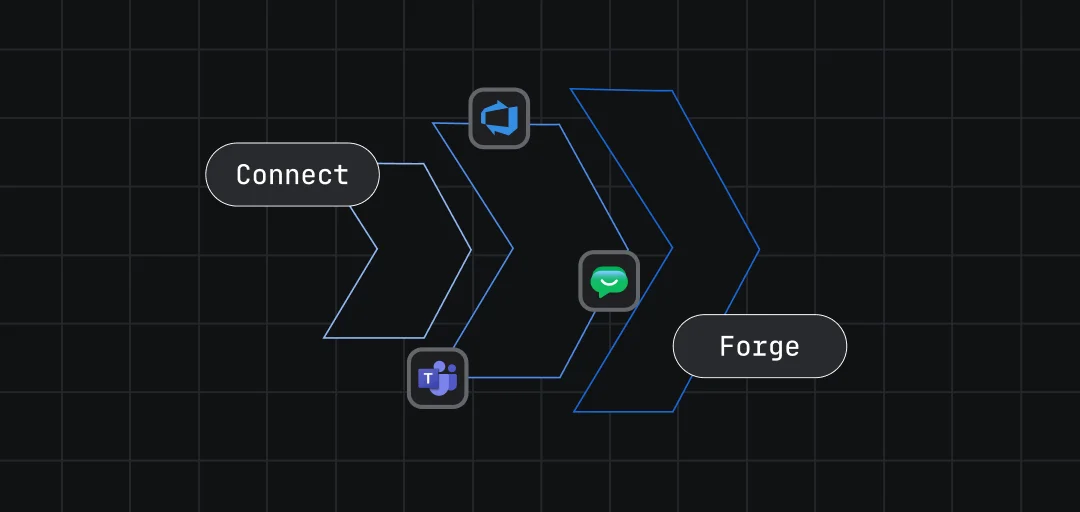
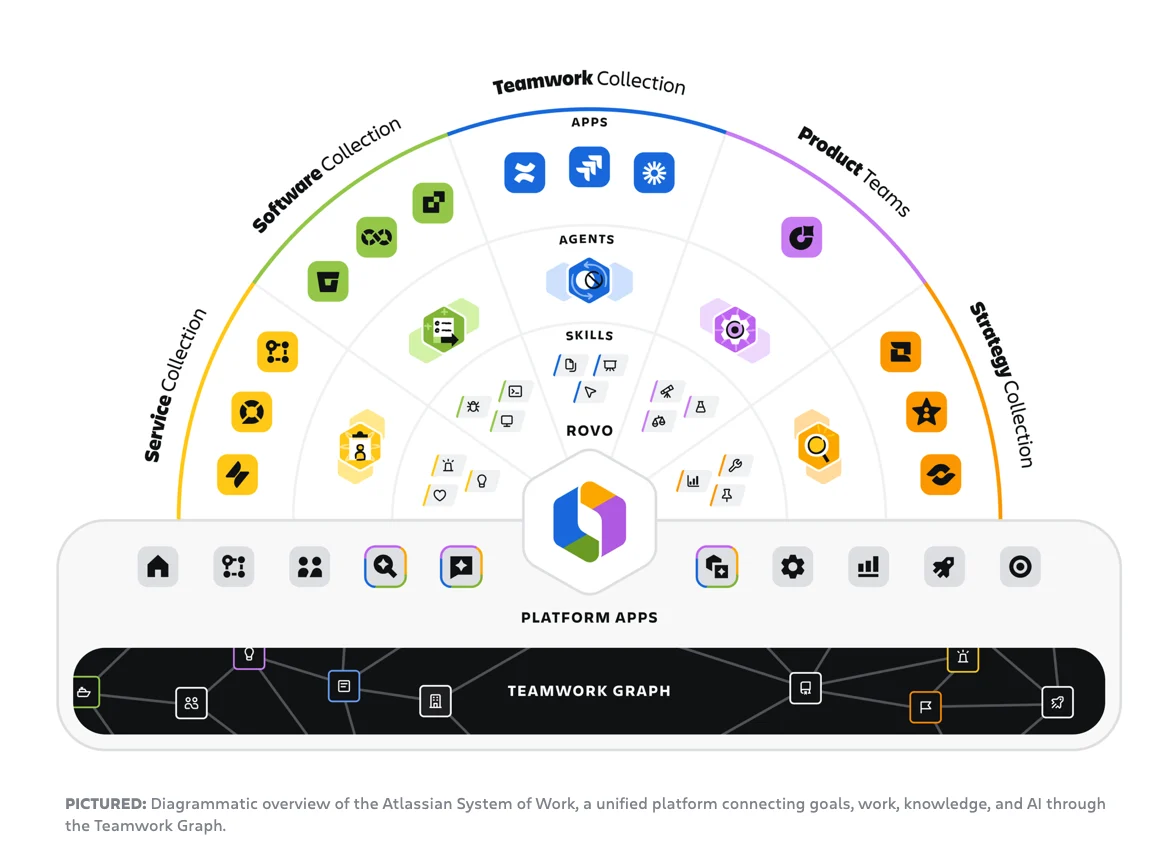
The technical foundation of these improvements lies in the "context layer." Axel Springer utilizes Atlassian Compass as a centralized service catalog, which they have extended using Forge and Model Context Protocols (MCPs). This allows the service map—including component owners and dependencies—to stay updated automatically as code is merged. This service map was notably developed by a non-engineer in just a few hours, highlighting the accessibility of the toolset. Rovo Dev acts as the connective tissue between disparate systems, including Jira, Confluence, Compass, GitHub, Figma, Snyk, and Microsoft tools. By understanding not just what is being built, but why it matters and who owns it, the AI provides much higher leverage than a standard chatbot.
The results of the post-pilot survey at Axel Springer indicate measurable success across several key performance indicators. Engineers reported a 15% to 20% time savings on documentation tasks, a 10% to 15% improvement in time spent understanding unfamiliar code, and a 5% to 10% increase in code generation speed. More importantly, the qualitative feedback suggested a fundamental shift in the engineering mindset. Developers moved from questioning if AI could help to actively strategizing how to frame prompts to initiate their tasks. This "new cognitive mode" has allowed the company to raise its "capability ceiling" without increasing its headcount. Product managers are now shipping live documentation, and designers are creating structured handoffs specifically optimized for AI consumption.
To ensure the sustainability of these gains, Axel Springer has established a continuous enablement practice structured around three loops: Learn, Carry, and Scale. The company created an "AI Center of Practice" to serve as a repository for best practices, guardrails, and model updates. To bridge the gap between this central hub and individual engineering squads, "champions" within each team carry these practices into daily operations. Finally, to scale the system, the company uses agent markdown files within repositories to capture team-specific standards and patterns. This ensures that any new learning in production flows back into the community, creating a self-improving ecosystem.
Axel Springer’s experience also highlighted the necessity of governance in model selection. Without guidance, engineers tend to gravitate toward the most powerful and expensive AI models regardless of the task complexity. The company now treats model selection as a strategic decision, providing teams with the visibility and education needed to balance cost and quality effectively.
The overarching lesson from Axel Springer’s journey is that the value of AI in the SDLC is found in removing high-leverage friction. By focusing on concrete use cases—such as context loading, documentation debt, and security triage—rather than abstract strategic frameworks, the company has successfully redirected its engineering talent toward meaningful innovation. As Martin Bilt concluded, while speed is a desirable byproduct of modern development, the ultimate goal remains the preservation of human focus on the right problems. Axel Springer’s successful pilot serves as a blueprint for other global enterprises looking to integrate AI into complex, large-scale engineering environments.