 11
11
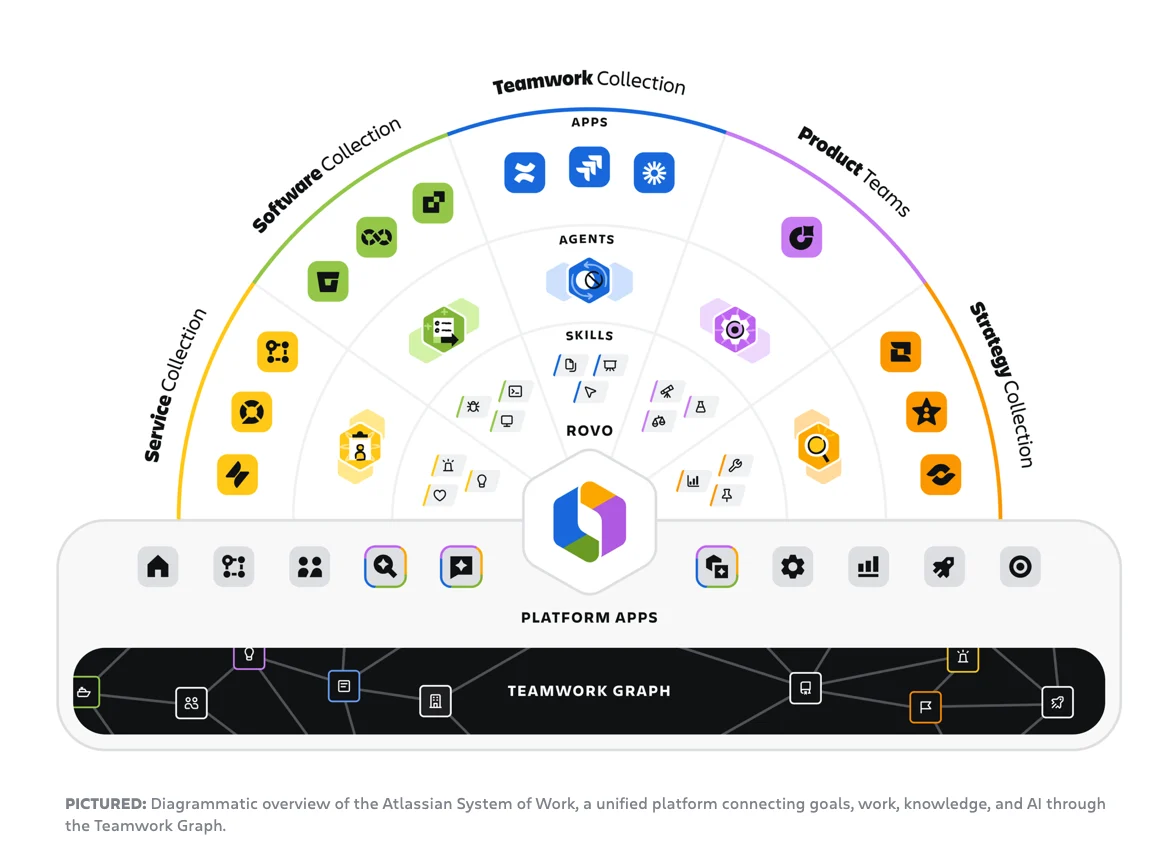
The landscape of software engineering is undergoing a fundamental shift as artificial intelligence significantly accelerates the rate of code production. However, this increase in velocity has exposed a new operational bottleneck: the challenge of understanding the broader context surrounding the code. Modern software delivery requires more than just the ability to write scripts; it demands a comprehensive understanding of what changed, the underlying reasons for those changes, the identities of the reviewers, and how the technical output aligns with the overarching project plan. This essential context is currently fragmented across a variety of platforms, including Jira, GitHub, Confluence, and the various communication channels used by development teams. To address this fragmentation, Atlassian has announced the integration of GitHub into Rovo, powered by the Teamwork Graph connector, to unify these disparate data points into a cohesive and actionable intelligence layer.
The core of this integration lies in the Teamwork Graph, a semantic data layer that maps the relationships between people, work items, and knowledge within an organization. By utilizing the new Teamwork Graph connector for GitHub, organizations can now make eligible GitHub data—such as repositories, pull requests, issues, commits, branches, and comments—available directly within the Atlassian ecosystem. This development recognizes that for software teams, GitHub serves as the primary environment where implementation takes shape. It is the repository for pull requests that detail changes, issues that capture technical tasks, and commits that trace the evolution of the work. Furthermore, review comments within GitHub often contain the critical reasoning and trade-offs that informed the final codebase. For engineering leaders and team leads, this context is vital because successful delivery is not merely a function of code volume; it is about monitoring progress, identifying blockers, reducing the cost of handoffs, and ensuring that technical execution remains synchronized with the strategic plan.
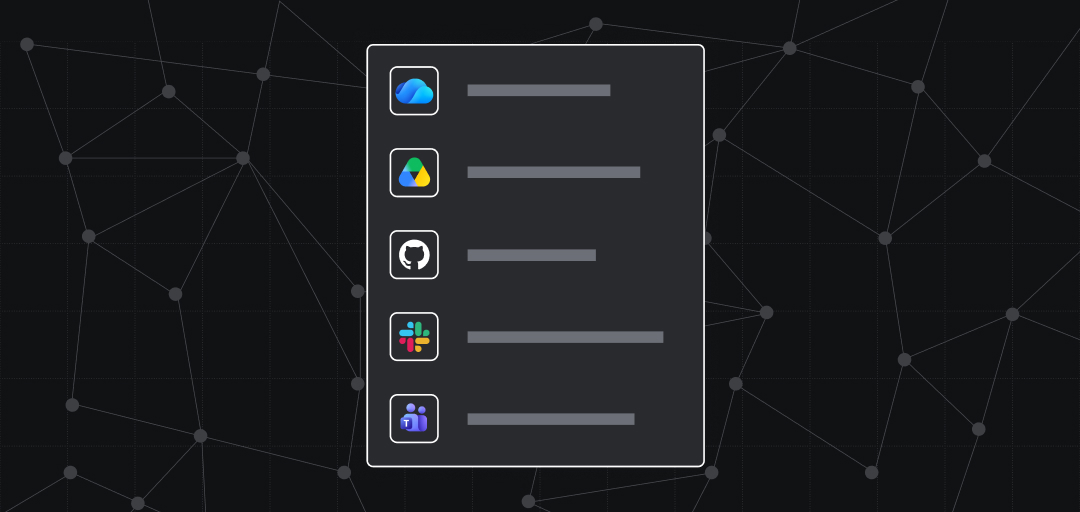
The current opportunity in the software industry is defined by the need for connected context. The process of building software generates high-value signals across multiple platforms: a work item may originate in Jira, technical decisions are documented in GitHub pull request comments, design specifications live in Figma, and project documentation is housed in Confluence. When these signals remain siloed, teams are forced into manual reconstruction—a time-consuming process of toggling between tabs to piece together the status of a project. Rovo is specifically designed to solve this context problem. By connecting GitHub to the Teamwork Graph, Rovo enables teams to retrieve and utilize GitHub-specific context from within their primary Atlassian interfaces, thereby reducing cognitive load and increasing the speed of decision-making.
This integrated approach differs significantly from existing market solutions. While GitHub, Jira, and various AI coding agents each address specific segments of the software delivery lifecycle, they often operate with a limited view of the total system. GitHub is unparalleled in managing code, pull requests, and review workflows, yet it does not maintain the full record of planning, documentation, or delivery status. Conversely, Jira excels at tracking work and coordinating delivery but can lack the granular, code-level detail that explains how implementation is actually progressing. Traditional code-only AI agents can assist developers in writing or modifying code, but they typically lack access to the broader team context and the "outcome loop" that connects code to business results. Rovo with GitHub context bridges these gaps by connecting the entire software work record across the Teamwork Graph, allowing both human team members and AI agents to reason over the full delivery context without replacing the specialized tools where developers prefer to work.
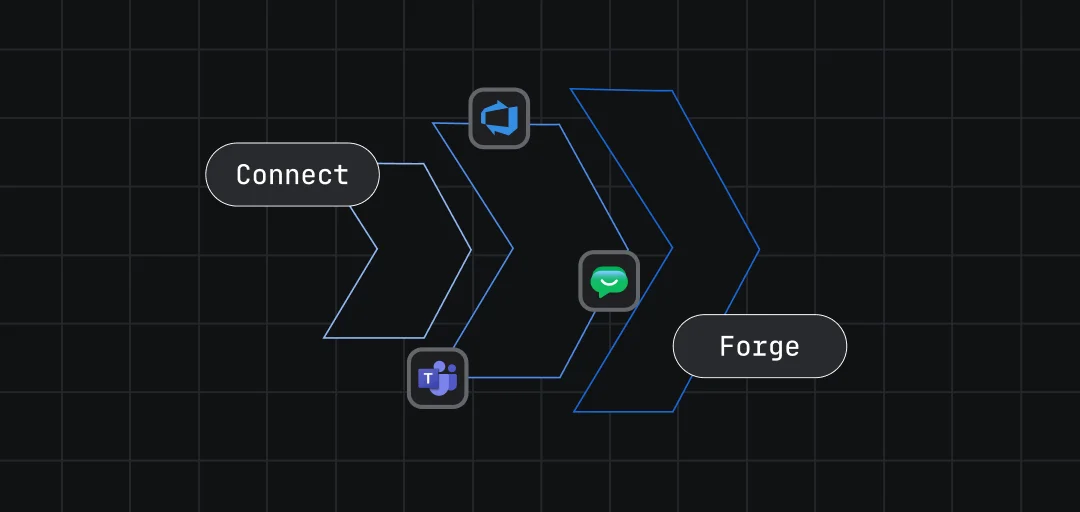
The relationship between Atlassian and GitHub is multifaceted, involving several distinct integration points. The GitHub for Atlassian Marketplace app allows users to see branches, commits, and builds directly on Jira issues, facilitating the tracking of code progress from within a work item. The integration of GitHub in Rovo takes this a step further by allowing users to search and reason over GitHub data alongside Jira and Confluence content. Additionally, Atlassian offers Rovo for GitHub Copilot, which brings Jira and Confluence context into the GitHub Copilot Chat environment, helping developers access organizational knowledge without leaving their Integrated Development Environment (IDE). Finally, the GitHub Copilot coding agent in Jira allows for the delegation of implementation tasks directly from a Jira issue to an AI agent capable of producing a pull request.
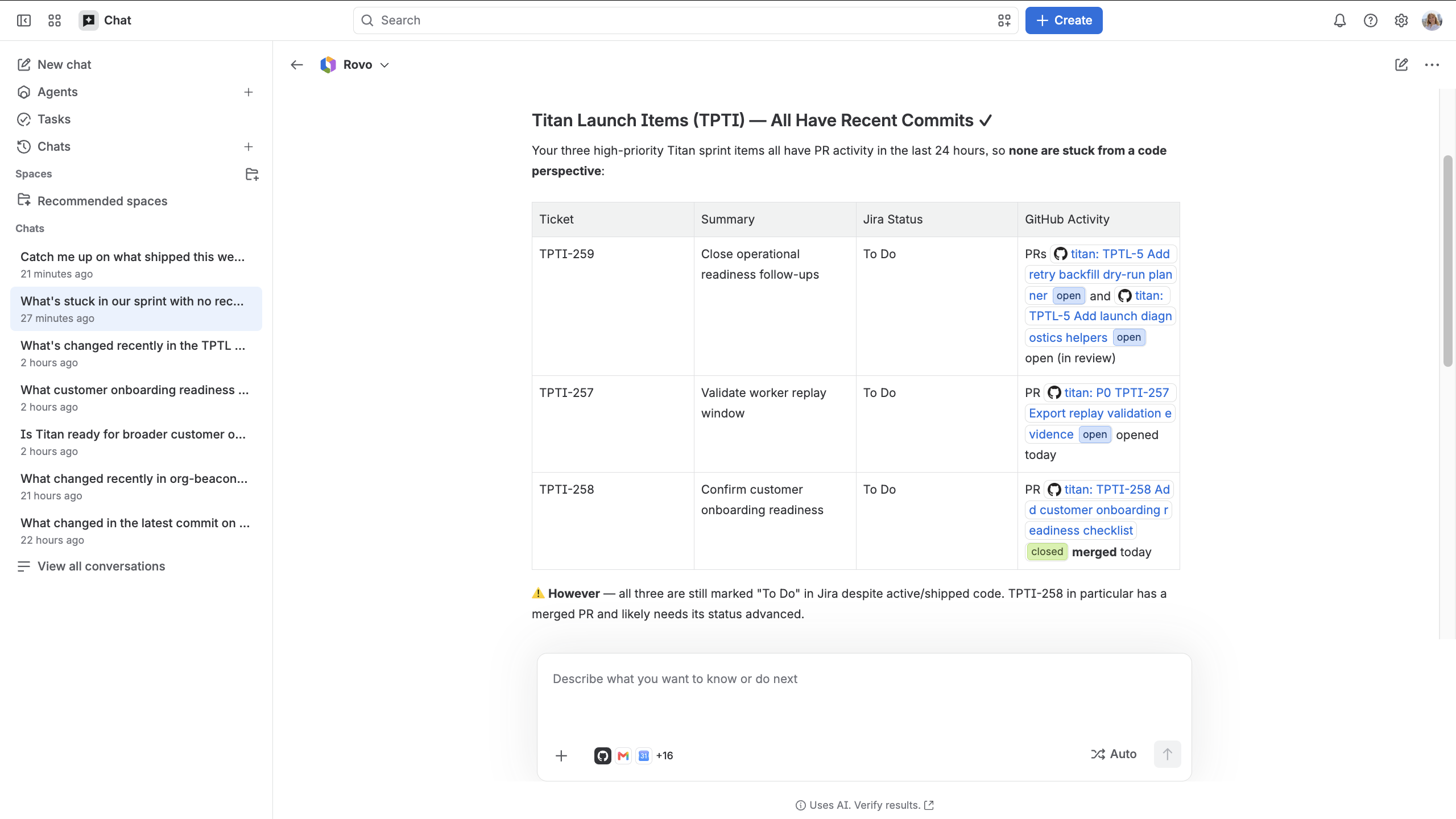
The practical utility of Rovo, when enriched with GitHub context, is demonstrated through its ability to handle complex organizational tasks. Atlassian identifies three primary "jobs" that Rovo can now perform more effectively. The first is identifying work that requires immediate attention. Assessing the health of a sprint is often difficult when data is split between Jira and GitHub. A Jira issue might remain in a "To Do" status even as code is being actively written and merged in GitHub. Rovo reconciles these conflicting signals. For example, in a scenario involving a financial services firm named Beaconstone and their new product "Titan," Rovo can be queried to find items that are stuck in a sprint with no recent commits. By comparing Jira statuses with GitHub activity, Rovo can highlight where the issue is a matter of "Jira hygiene"—meaning the code is moving but the status hasn’t been updated—rather than a genuine implementation delay.
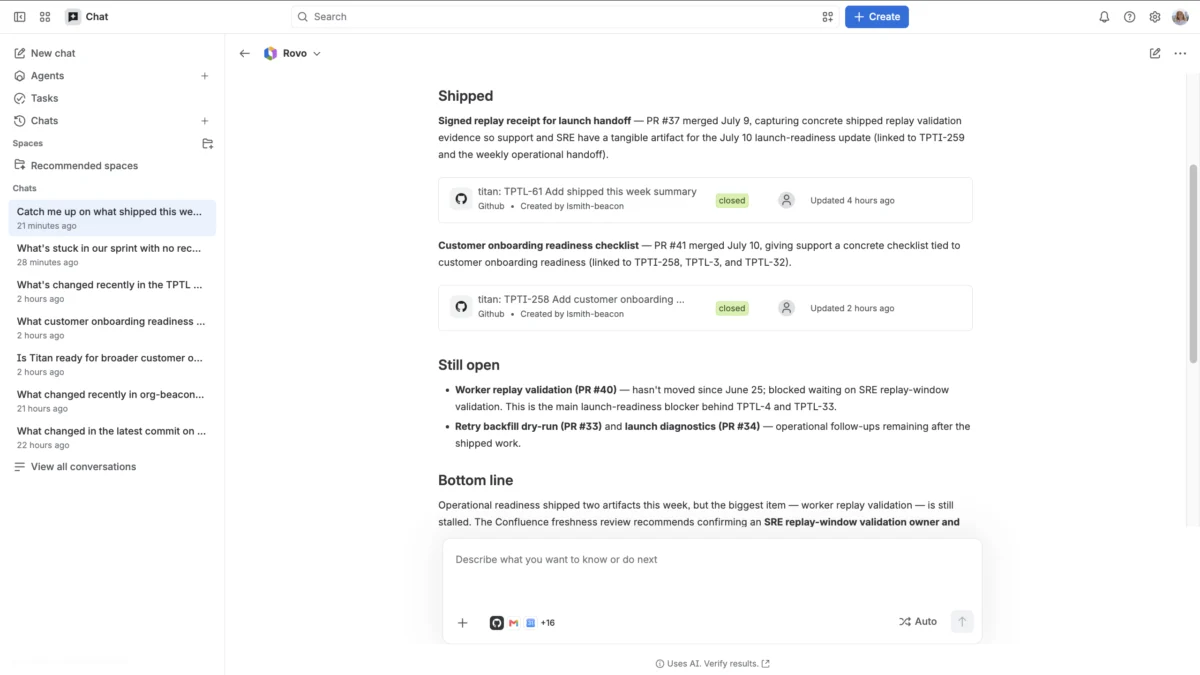
The second major application is the ability to quickly catch up on what has been shipped. Weekly status updates are traditionally labor-intensive, requiring managers to manually aggregate data from merged pull requests, open follow-ups, and team handoff notes. Rovo can synthesize this information, providing a summary that distinguishes between completed work and remaining tasks. Using the Beaconstone "Titan" project as an example, a query such as "Catch me up on what shipped this week" allows Rovo to pull together merged PRs and Jira tickets to show that specific features like "signed replay receipts" are finished, while "operational follow-ups" remain outstanding. This automated summarization ensures that all stakeholders have a clear view of the launch-readiness context without manual intervention.
The third application involves the prioritization of code reviews. While GitHub can list all open pull requests, it does not inherently know which ones are most critical to the business or the current sprint goals. By utilizing Teamwork Graph context, Rovo can explain which PRs matter most by connecting them to sprint commitments, Jira blockers, and Confluence plans. In the "Titan" project example, Rovo can prioritize reviews based on their impact, placing "replay validation evidence" at the top of the list because it unblocks launch readiness, followed by "customer onboarding" tasks. This helps reviewers allocate their limited time to the tasks that have the highest strategic value.

The integration of GitHub context into Rovo-powered experiences is available today for eligible GitHub for Atlassian connections. This marks a significant step in the evolution of software delivery, moving beyond the simple generation of code toward a future of coordinated, context-aware management of the entire lifecycle. Atlassian’s strategic advantage in this space is its comprehensive "teamwork system." With Jira as the record of work, Confluence as the repository of knowledge, and GitHub as the implementation hub, the Teamwork Graph acts as the connective tissue. Rovo provides the interface for teams and AI agents to interact with this unified data.
To begin utilizing these features, organizations must first connect GitHub to Jira via the GitHub for Atlassian Marketplace application. Once that connection is established, GitHub must be connected to Rovo, ensuring that the relevant data is indexed and available across the Atlassian platform. This integration ensures that implementation details are no longer treated as a separate island of information, but are instead integrated into the flow of teamwork, allowing for more shared understanding and faster execution across the software development lifecycle. By bringing high-value software delivery context into the Atlassian environment, Rovo enables teams to plan, build, and ship products with a level of coordination that was previously hindered by tool-based silos.