 11
11
In a period defined by the rapid evolution of software development life cycles, Atlassian has launched a strategic initiative titled "AI Talks" at its San Francisco headquarters to facilitate high-level discourse among industry leaders navigating the integration of artificial intelligence. The series aims to provide a transparent look into the successes, failures, and psychological shifts required to build products in an environment where the rules of engineering and product management are being rewritten in real time. A recent session featured a deep-dive conversation between Tamar Yehoshua, Atlassian’s Chief Product and AI Officer, and Maxime Prades, the Head of Product at Cursor, an AI-native code editor that has recently gained significant traction within the developer community.
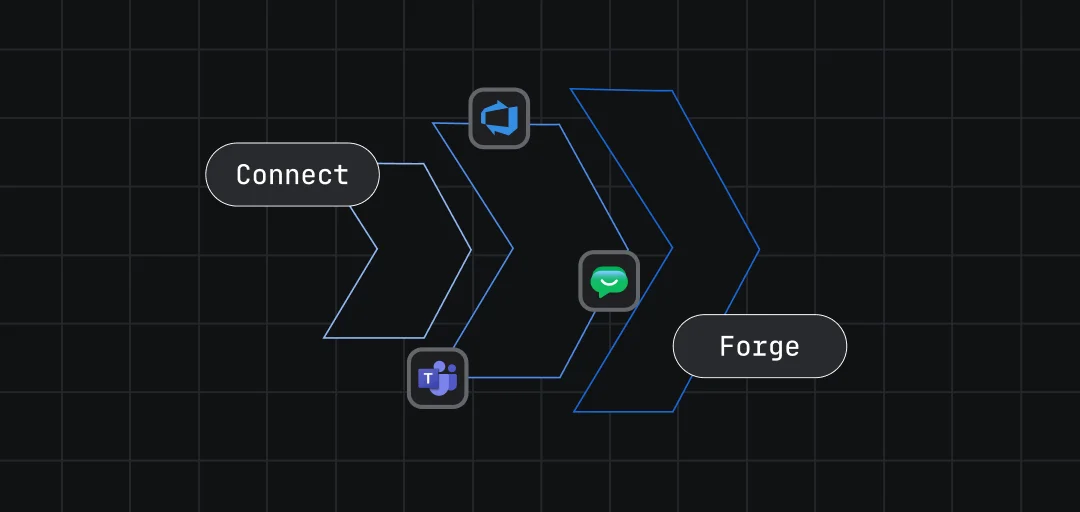
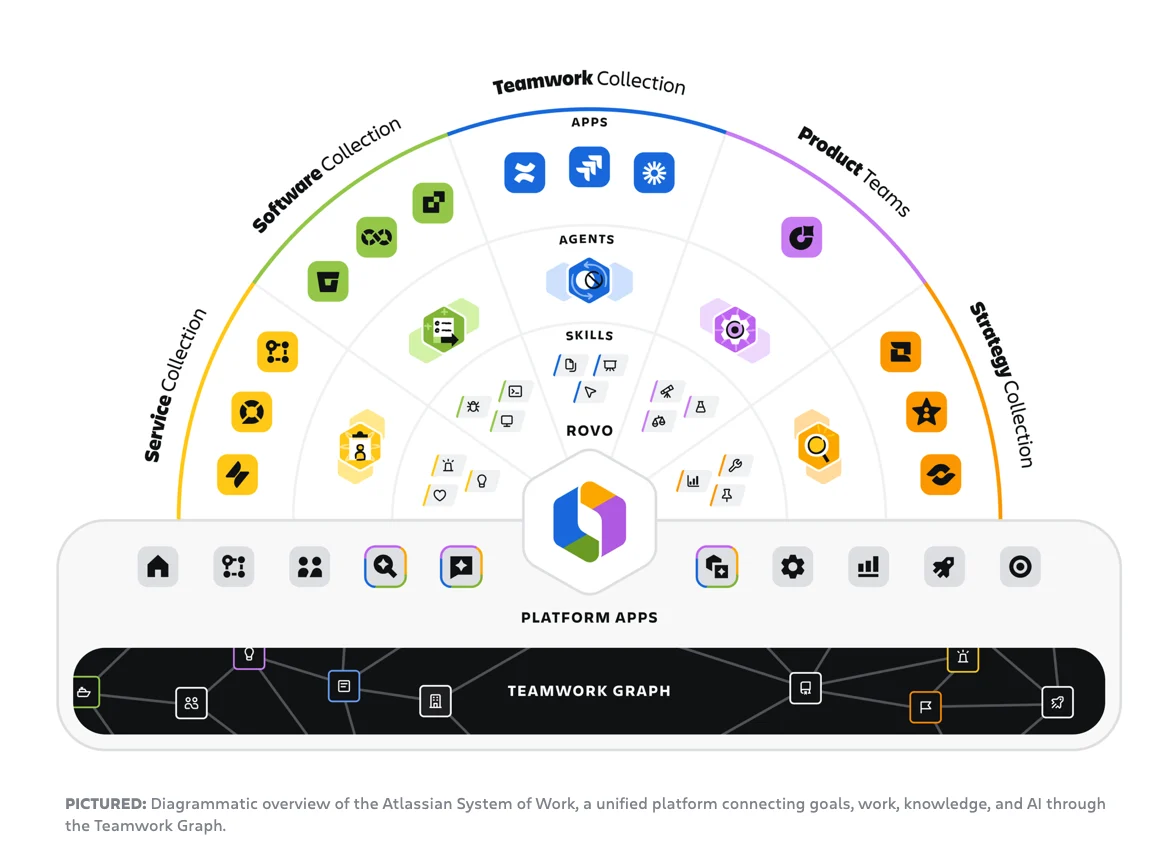
The dialogue comes on the heels of a significant technological milestone: the launch of a native integration between Jira, Atlassian’s industry-standard project management tool, and Cursor. This integration represents a fundamental shift in how work moves from conception to execution. Under this new workflow, teams using Jira can assign tasks directly to Cursor. Once assigned, a cloud-based AI agent within the Cursor environment can intercept the task, interpret the requirements, and begin the technical implementation. This automation of the hand-off between project management and development environments serves as the backdrop for a broader discussion on how AI is not merely a tool for efficiency, but a catalyst for a total organizational mindset shift.
One of the most profound observations shared during the talk centered on the "ever-shifting bottleneck." For decades, the primary constraint in software production has been engineering capacity. Product managers and designers would often find themselves waiting for development cycles to complete. However, as AI-native tools like Cursor and Atlassian Intelligence significantly increase the velocity of code production, the bottleneck has migrated upstream. Maxime Prades, drawing on his previous experience at Zendesk, noted that while engineers were historically the limiting factor, he now finds that he—as a product leader—is often the one slowing down the process.
This shift suggests that solving for engineering velocity in isolation does not necessarily translate to faster product delivery. If decision-making frameworks, data analysis, marketing alignment, and internal review processes remain tethered to traditional timelines, the gains made in the IDE (Integrated Development Environment) are neutralized. To realize the full value of AI, senior leaders are being urged to re-architect the entire value chain. The conversation highlighted that true organizational speed now depends on the ability of non-engineering functions to keep pace with the near-instantaneous output of AI-assisted developers.
The evolving expectations for Product Managers (PMs) formed a central pillar of the discussion. Atlassian has historically maintained that while a PM’s primary responsibility is determining what to build, a foundational understanding of code is becoming indispensable. In an era where the barrier to building is lower than ever, the distinction between "technical" and "non-technical" roles is blurring. Prades shared a compelling example from the Cursor team, which maintains a dedicated repository titled "Prototypes." This repository contains clones of the main user interface elements of the Cursor IDE, including the agent window and administrative dashboards.
Using AI, PMs at Cursor are now capable of building highly realistic, functional prototypes that mirror the production environment within minutes—writing every line of code themselves via AI assistance. This capability allows for a level of precision in prototyping that was previously impossible without dedicated engineering resources. Prades argued that PMs should not only be able to build prototypes but should also possess the technical curiosity to build the very tools that help their peers work more effectively. At Cursor, this culture of technical empowerment extends beyond PMs to Product Marketing Managers (PMMs) and User Operations staff, who are encouraged to fix bugs or contribute to the codebase directly, often triggered by feedback received in Slack threads or personal observations of the product.
Despite this technical democratization, the leaders emphasized that the core "craft" of product management remains rooted in judgment and taste—qualities that Large Language Models (LLMs) cannot currently replicate. The consensus from the talk was that role expectations should be rewritten to prioritize capability and judgment over task ownership. Companies are increasingly looking to hire "AI-curious" individuals who possess the "builder" mindset and the aesthetic or functional "taste" required to guide AI-generated output toward a cohesive product vision.
The psychological aspect of this transition was also addressed, with Prades proposing a "discomfort test" for organizational health. He suggested that if a team does not feel a level of discomfort in their daily operations, they are likely not experimenting with AI aggressively enough. Leaders are encouraged to check in with their teams to ensure they are pushing beyond their established comfort zones. Tamar Yehoshua added that for this transition to be sustainable, it must be rooted in curiosity and a sense of "fun." However, she cautioned that this experimentation must exist within a framework of clear goals and guardrails. Without a shared understanding of the company’s vision and roadmap, the speed afforded by AI could lead to the creation of features or products that are misaligned with the broader corporate strategy.
A critical warning was issued regarding the "landed impact" of AI. The ease with which AI can generate code has led to a surge in the volume of work, but not necessarily the quality. Prades noted that it is now possible for anyone to produce multiple versions of a prototype in a single evening, but these outputs are often "sloppy" or lack strategic depth. The true measure of success in the AI era is not how many "tokens" are burned or how much code is shipped, but how effectively business challenges are solved.
To combat the skepticism that often accompanies major technological shifts, Prades recommended focusing on measurable impact. In his experience, showing a skeptical team the "dollar figures" or the specific "time saved" by replacing a manual, repetitive process with an AI-driven one is the most persuasive method for driving adoption. He suggested that leaders should aim to produce less "noise" and focus on high-impact work that moves the needle on key objectives, rather than simply taking advantage of the low cost of code to increase output volume.
As the software industry continues to manage this transition, the role of the Product Manager is being elevated. While the pace of execution has reached unprecedented levels, the demand for superior product judgment has risen in tandem. The leaders concluded that the winners of the AI era will not be defined by the sheer quantity of their shipments. Instead, success will belong to those who intentionally embrace the discomfort of new workflows, maintain a culture of curiosity, and focus relentlessly on "landed impact." By building the "connective tissue" between AI capabilities and human judgment, organizations can ensure that their teams are not just working faster, but are doing their best and most meaningful work.
This dialogue between Atlassian and Cursor serves as a blueprint for other technical organizations. It highlights a future where technical roles are blended, where the "what" and the "how" of product development are more closely linked than ever before, and where the primary competitive advantage lies in the ability to navigate a rapidly shifting landscape with both speed and discernment. As AI agents like those integrated into Jira and Cursor become standard, the focus shifts from the mechanics of construction to the artistry of product definition and the strategic management of the value chain.