 11

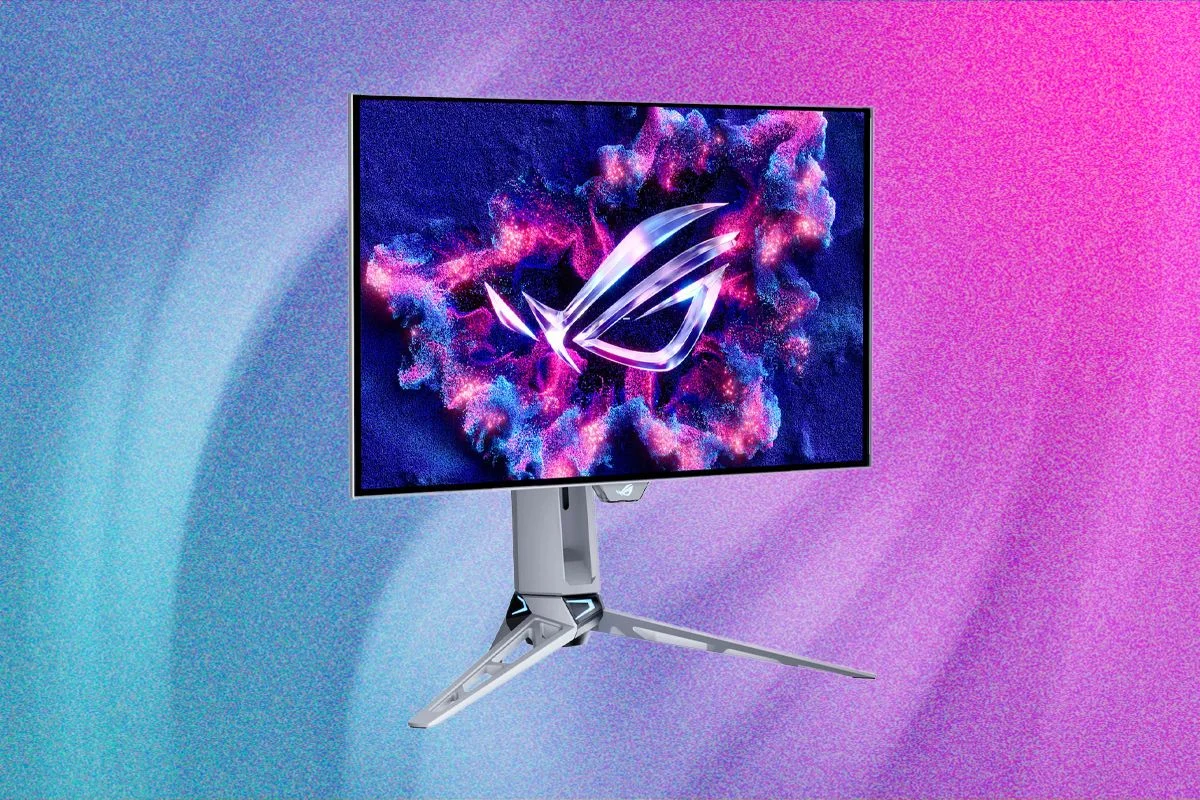
The Asus PG27UCWM emerges as a compelling contender in the high-end monitor market, delivering an overall image quality that firmly places it in the upper tier. While its technical specifications for color gamut might appear modest when directly compared to the absolute peak performers in the QD-OLED segment, the monitor’s inherent ultra-clear, high-contrast panel design significantly amplifies the perceived impact of its visuals. This perceptual enhancement means that despite covering 94 percent of the DCI-P3 color space and 89 percent of AdobeRGB – figures slightly narrower than top-tier QD-OLED monitors that can reach up to 98 percent and 95 percent respectively – the PG27UCWM still provides a visually stunning experience.
A crucial factor contributing to this impressive visual fidelity is the monitor’s RGB Stripe OLED technology, which demonstrably improves "color volume." Color volume is a sophisticated metric that assesses a display’s ability to maintain color accuracy and saturation across its entire brightness range, particularly at maximum luminance. Unlike traditional color gamut measurements that only indicate the range of colors a display can produce at a specific brightness level, color volume considers how well those colors are preserved as brightness increases. For the PG27UCWM, this translates into exceptionally vibrant and accurate colors even when displaying bright HDR content, ensuring that highlights are not washed out and dark areas retain their depth and detail. This capability is particularly vital for modern content creation, professional design, and immersive gaming, where consistent color reproduction across varying light levels is paramount. The monitor’s ability to render these colors with such clarity and contrast truly sets it apart, offering a viewing experience that rivals, if not surpasses, many of its competitors in terms of overall impact.
The Polished Dilemma: Reflections and Finish
However, the PG27UCWM’s striking visual presentation is accompanied by a significant design choice that is likely to divide opinions: its highly reflective, mirror-like finish. While this glossy coating undeniably enhances the sense of depth and vibrancy, accentuating the perfect blacks and intense colors that OLED technology is celebrated for, it also poses practical challenges. In environments with even modest ambient light, reflections become noticeably apparent, capable of distracting the viewer and potentially hindering productivity or enjoyment. The reviewer humorously notes that the monitor could be used to shave, underscoring the severity of the reflection issue. This characteristic is largely mitigated in a dark room setting, where external light sources are minimal, allowing the display’s contrast and color purity to shine unhindered.
The debate between glossy and matte display finishes is a long-standing and often passionate one within the display community. Many OLED enthusiasts and purists express a strong preference for ultra-gloss finishes. Their argument is rooted in the belief that such surfaces allow the full potential of OLED technology – its unparalleled contrast ratios, deep blacks, and vivid color reproduction – to be showcased without any diffusion or softening that a matte coating might introduce. A glossy panel’s direct light transmission can make colors appear more saturated and blacks appear deeper, leading to a more "pop" effect. Conversely, a substantial segment of users, including the reviewer, advocate for matte displays. These anti-glare coatings are designed to scatter ambient light, effectively reducing or eliminating discernible reflections. For users who work in brightly lit offices, near windows, or under direct lighting, a matte finish provides a much more comfortable and less fatiguing viewing experience, prioritizing practicality and usability over the perceived, albeit often subtle, visual enhancements of a glossy screen.
Ultimately, there is no universally "right" answer to this preference. The decision hinges entirely on individual user needs, environmental conditions, and personal aesthetic taste. Prospective buyers of the PG27UCWM will need to carefully consider their typical viewing environment and their tolerance for reflections before committing to a purchase, as this aspect of the monitor’s design is a defining characteristic that will significantly influence the ownership experience.
Exceptional Sharpness and Groundbreaking HDR Performance
Beneath its reflective exterior, the Asus PG27UCWM houses a sophisticated tandem RGB Stripe OLED panel, boasting a native resolution of 3840 x 2160 pixels. This 4K resolution on a 26.5-inch panel delivers an incredibly crisp and detailed image, translating to a pixel density of approximately 165 pixels per inch (PPI). Such high pixel density ensures that text and graphics appear exceptionally sharp and well-defined, eliminating the jagged edges and pixelation often seen on lower-resolution displays.

A significant advancement showcased by the PG27UCWM lies in its sub-pixel arrangement. Earlier generations of OLED monitors, particularly some QD-OLED panels, utilized unusual sub-pixel layouts, such as triangular or pentile arrangements. These non-standard configurations could sometimes lead to issues with image clarity, most notably visible color fringing around text and fine lines, which was a common complaint among users, especially those using their monitors for productivity tasks or extensive web browsing. The PG27UCWM, however, employs a more conventional RGB sub-pixel layout, effectively eliminating these clarity issues. This commitment to a traditional RGB stripe configuration ensures superior text rendering and overall image precision. While some industry marketing might refer to advancements in sub-pixel clarity as "5th-Gen QD-OLED" (a term that initially gained traction with 34-inch monitors like the Alienware AW3426DW), the PG27UCWM brings this enhanced clarity to the more widely adopted 27-inch form factor with its RGB Stripe OLED technology. The reviewer confirmed the excellent sharpness of the panel across various computing environments, including both a Windows 11 desktop and a MacBook Air M4, underscoring its versatility and consistent performance.
Where the PG27UCWM’s tandem OLED panel truly distinguishes itself is in its High Dynamic Range (HDR) capabilities. HDR technology dramatically expands the range of brightness and color that a display can produce, leading to more lifelike and immersive visuals, particularly in games and cinematic content. The monitor’s tandem OLED design allows it to achieve an impressive peak brightness of up to 800 nits in HDR, a figure that positions it squarely among premium OLED monitors. While some top-tier models might marginally exceed 1,000 nits, the PG27UCWM’s 800-nit output is highly competitive and delivers a profound HDR experience. Crucially, the monitor also supports Dolby Vision HDR, a feature that is remarkably rare in desktop monitors. Dolby Vision is an advanced HDR format that utilizes dynamic metadata to optimize picture quality scene-by-scene or even frame-by-frame, providing a more refined and impactful HDR presentation compared to standard HDR10.
The synergy of the PG27UCWM’s high brightness, perfect contrast (inherent to OLED technology), and crisp 4K resolution culminates in an HDR gaming experience that is truly impactful and immersive. The intensity of bright scenes and the depth of shadows create a visual fidelity that can, at times, feel overwhelming due to its sheer brilliance. Recognizing this, Asus has thoughtfully included HDR brightness adjustment options, allowing users to fine-tune the intensity to their personal preference and comfort level, ensuring a customizable and enjoyable viewing experience.
In terms of HDR brightness, the PG27UCWM performs comparably to other high-end OLED monitors such as the Alienware AW3426DW, Acer Predator X27 X1, and MSI MPG 32URXW, all of which offer similar luminance levels in HDR. This places it firmly in the elite category, significantly outperforming entry-level OLED monitors like the Alienware AW2726DM, which typically manages only around 400 nits in HDR. This substantial difference in brightness capability translates directly into a far more dynamic and captivating HDR experience on the PG27UCWM.
Uncompromised Motion Clarity for Gaming
For gamers and users who demand fluid and responsive visuals, the PG27UCWM delivers exceptional motion clarity. The monitor supports a maximum refresh rate of 240 Hz at its native 4K resolution. This specification is a benchmark for high-end 4K OLED monitors entering the market in 2026, providing an incredibly smooth and responsive visual experience in fast-paced games and content. A high refresh rate is crucial for reducing motion blur and improving the fluidity of on-screen movement, giving competitive gamers a distinct advantage and enhancing immersion for all users.
Beyond the high refresh rate, OLED technology inherently offers near-instantaneous pixel response times, typically measured in microseconds. This means that individual pixels can switch states almost instantly, eliminating the ghosting and smearing that can plague traditional LCD panels, even those with high refresh rates. The combination of 240 Hz and OLED’s rapid response time ensures that motion is rendered with unparalleled clarity and precision, making fast-moving objects appear sharp and distinct.
Adding further versatility, the PG27UCWM features a dual-mode functionality. This allows users to reduce the display’s resolution to 1080p in exchange for an astonishing refresh rate of up to 480 Hz. While less common than the standard 240 Hz at 4K, many modern OLED monitors are now incorporating similar high-refresh-rate, lower-resolution modes. This dual-mode option caters specifically to competitive esports players who prioritize the absolute highest frame rates and lowest input lag over graphical fidelity. In such scenarios, the ability to achieve 480 Hz can provide a decisive edge, allowing for even smoother visual feedback and faster reaction times. For everyday use and visually demanding games, the 4K 240 Hz mode remains the preferred choice, offering a perfect balance of resolution and fluidity.
In summary, the Asus PG27UCWM positions itself as a premium offering, distinguished by its vibrant RGB Stripe OLED panel with excellent color volume, superb 4K sharpness thanks to its conventional sub-pixel layout, and robust HDR performance, including rare Dolby Vision support. While its glossy finish presents a notable consideration for prospective buyers depending on their environment, its core display technologies deliver an upper-tier visual experience, especially for gaming and high-fidelity media consumption.






