 11
11 1
1 2
2 3
3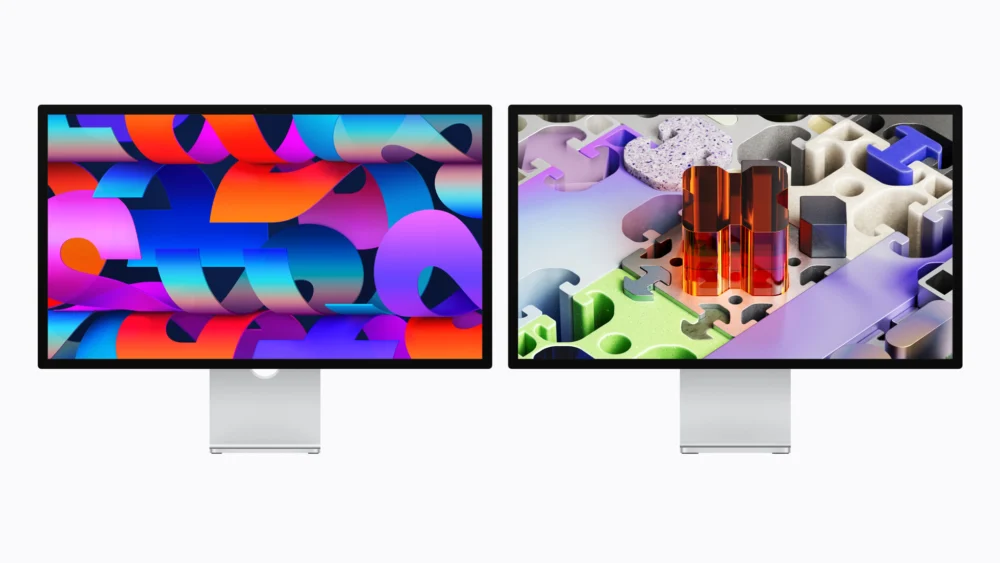
Apple on Tuesday made a series of significant announcements, introducing refreshed MacBook Pro and MacBook Air models, both powered by its latest generation of M5, M5 Pro, and M5 Max chips. Complementing these new computing devices, the company also debuted an advanced family of displays, including the new Studio Display and the high-end Studio Display XDR, designed to cater to a wide spectrum of users from creative professionals to medical imaging specialists. This comprehensive hardware refresh underscores Apple’s continued commitment to delivering integrated performance and visual fidelity across its professional and consumer product lines.
The introduction of the new MacBook Pro and MacBook Air marks a substantial leap in Apple’s portable computing capabilities. The MacBook Pro models are now equipped with the formidable M5 Pro and M5 Max chips, promising unparalleled performance for the most demanding professional workflows, including advanced video editing, 3D rendering, and software development. These chips are engineered to deliver significant improvements in processing power, graphics performance, and energy efficiency, allowing professionals to tackle complex tasks with greater speed and responsiveness, even when on the go. Simultaneously, the new MacBook Air, now featuring the standard M5 chip, brings a considerable boost in performance and battery life to Apple’s popular thin-and-light laptop, making it an even more compelling option for students, everyday users, and those seeking a balance of power and portability. While specific details on the enhancements to the MacBooks themselves beyond their new silicon were not the primary focus of this particular announcement, the integration of these advanced M5-series chips signals a new era of capability for Apple’s laptop lineup.
A major highlight of the event was the unveiling of Apple’s new display family, specifically designed to integrate seamlessly with its powerful Mac ecosystem. These new 27-inch displays aim to elevate the visual and collaborative experience, featuring substantial upgrades in camera technology, connectivity, and overall display quality.
Leading the charge is the new Studio Display, priced at $1,599. This display is positioned as a premium option for creative professionals, developers, and anyone requiring a high-fidelity visual experience. Its 27-inch form factor provides ample screen real estate, crucial for multitasking and intricate design work. At its core, the Studio Display boasts a stunning 5K Retina display, which translates to an impressive 5120×2880 resolution. With over 14 million pixels packed into its screen, users can expect incredibly sharp text, vibrant images, and precise details, making it ideal for tasks that demand pixel-perfect accuracy, such as graphic design, photo editing, and video production. The display achieves a brightness of 600 nits, ensuring clarity and readability in various lighting conditions, while its support for the P3 wide-gamut color standard means it can reproduce a broader spectrum of visible colors than traditional sRGB displays. This wider color space is essential for professional content creation, ensuring color accuracy that matches industry standards.

Beyond its visual prowess, the Studio Display significantly enhances the user’s communication and connectivity experience. It integrates a 12MP Center Stage camera, a feature previously lauded in Apple’s iPad lineup. This intelligent camera automatically keeps the user centered in the frame during video calls, even as they move around, providing a more engaging and natural interaction. Apple emphasizes that this camera offers improved image quality, ensuring crisp and clear video conferencing. Furthermore, the display introduces support for Desk View, an innovative feature that simultaneously shows the user’s face and an overhead view of their desk. This functionality is particularly beneficial for online tutorials, product demonstrations, or collaborative sessions where sharing physical objects or written notes is essential.
For audio, the Studio Display is equipped with a sophisticated three-microphone array, designed to capture clear voice audio for calls and recordings, minimizing background noise. Complementing this is a six-speaker sound system that supports Spatial Audio, delivering an immersive listening experience for music, movies, and games. Apple highlights a 30% deeper bass response compared to the previous generation, indicating a richer and more dynamic audio profile.
Connectivity is robust, with the Studio Display featuring Thunderbolt 5 ports. These high-bandwidth ports enable fast data transfer, power delivery, and the ability to daisy-chain up to four displays from a single connection to a Mac, creating expansive multi-monitor setups for power users. A Thunderbolt 5 Pro cable is conveniently included, ensuring users have the necessary high-performance accessory from the outset.
For users seeking the ultimate in display technology, Apple introduced the Studio Display XDR, priced at $3,299. This higher-end model is engineered for the most demanding professional applications, where extreme accuracy, brightness, and contrast are paramount. The Studio Display XDR features a 5K Retina XDR display with the same 5120×2880 resolution but elevates visual performance through its advanced mini-LED backlight system. This system incorporates more than 2,000 local dimming zones, allowing for incredibly precise control over brightness and contrast across the screen. The result is a stunning 1,000,000:1 contrast ratio, delivering true blacks and brilliant highlights that are critical for High Dynamic Range (HDR) content creation.
The Studio Display XDR boasts exceptional brightness capabilities, reaching up to 1000 nits for sustained SDR (Standard Dynamic Range) content and an astonishing 2000 nits of peak HDR brightness. These figures position it as a formidable tool for color grading, visual effects, and any workflow requiring a true representation of HDR content. It also supports the Adobe RGB color standard, offering an even broader color gamut than P3, crucial for print media and specific professional photographic workflows.

Performance is further enhanced by a 120Hz refresh rate, providing incredibly smooth motion, which is vital for video editing, animation, and fast-paced visual tasks. This is paired with Adaptive Sync technology, which dynamically adjusts the display’s refresh rate to match the content’s frame rate, reducing tearing and stuttering for a fluid viewing experience.
A unique and significant aspect of the Studio Display XDR is its specialized support for medical imaging. The display comes with DICOM medical imaging presets and a Medical Imaging Calibrator, making it suitable for applications in healthcare settings, particularly for diagnostic imaging. Apple notes that the Medical Imaging Calibrator on macOS is currently pending FDA clearance and is expected to become available in the U.S. soon, marking a potential expansion of Apple’s hardware into highly specialized professional fields.
Both the Studio Display and Studio Display XDR offer versatility in their physical configurations. While the standard Studio Display comes with a tilt-adjustable stand, the Studio Display XDR provides the added benefit of a height-adjustable stand, allowing professionals to fine-tune their ergonomic setup for extended periods of use. Furthermore, both models are available with either standard glass or a nano-texture glass option, which significantly reduces glare and reflections in challenging lighting environments, a valuable feature for professionals working in varied studio conditions.
Pre-orders for Apple’s new Studio Display and Studio Display XDR are scheduled to begin on March 4, with general availability starting March 11. These new displays, alongside the M5-powered MacBook Pro and MacBook Air, represent a comprehensive update to Apple’s professional and creative ecosystem, reinforcing its position at the forefront of integrated hardware and software innovation.
This report was sourced from Techcrunch, covering their event in San Francisco, CA, held from October 13-15, 2026. The original reporting was contributed by Sarah Perez, a seasoned reporter for TechCrunch since August 2011, with a background in I.T. across banking, retail, and software. She previously spent over three years at ReadWriteWeb. Sarah Perez can be contacted at [email protected] or via encrypted message at sarahperez.01 on Signal.