 11
11
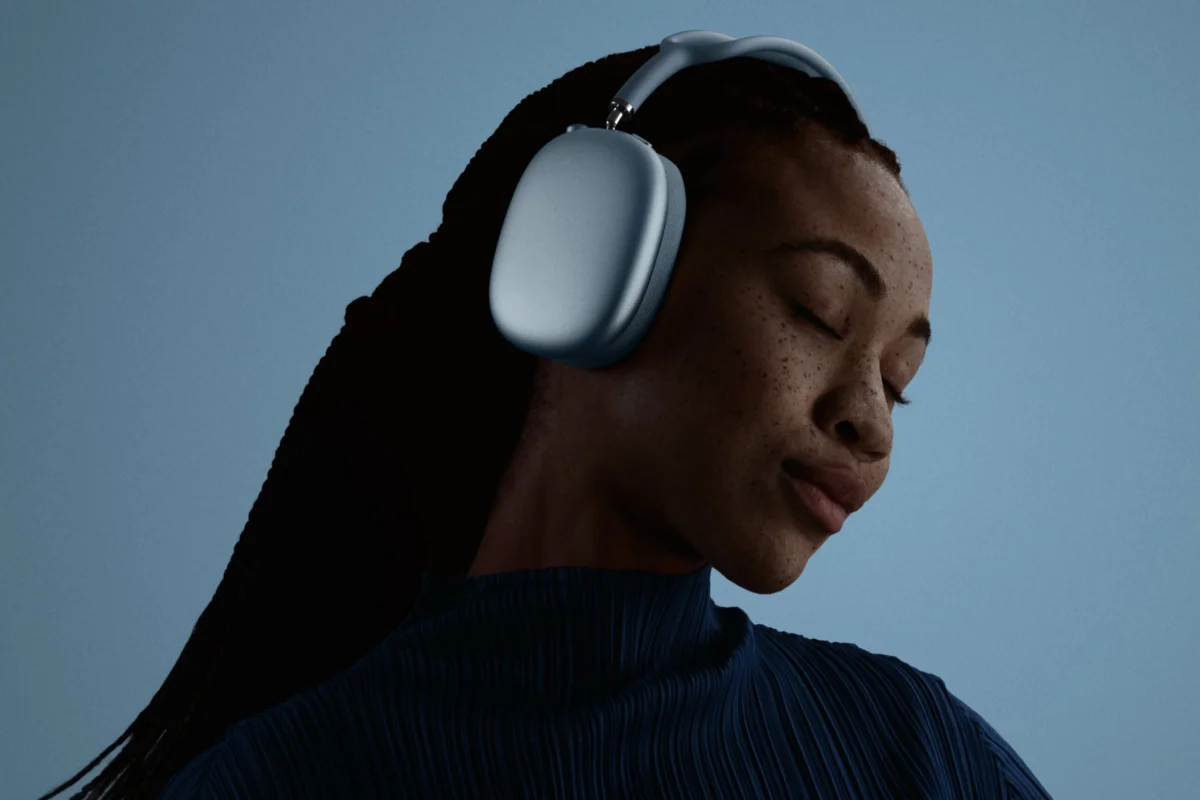
Just two weeks after its highly anticipated product event, which showcased a range of innovations from the cutting-edge iPhone 17e to the most affordable laptop Apple has ever released, the tech giant delivered an unexpected "one more thing." This morning, rather than a grand keynote, Apple quietly unveiled the long-awaited successor to its premium over-ear headphones, the AirPods Max. In a concise newsroom post, the company introduced the AirPods Max 2, marking a significant, albeit subtly presented, evolution for its flagship audio device.
The AirPods Max 2 arrives as a refined iteration, promising substantial upgrades in crucial areas such as noise canceling efficacy, overall audio performance, and integrated smart features. Remarkably, these enhancements are housed within a design that appears outwardly identical to its predecessor, maintaining the same distinctive aesthetic and premium build quality. Apple has also opted to keep the price point consistent at $549, positioning the new headphones squarely within the high-end audio market. Consumers eager to experience the latest in Apple’s audio technology will be able to place orders starting March 25, with shipping commencing in April.
This update has been a long time coming for fans and critics alike, as Apple’s flagship over-ear headphones have remained largely unchanged since their initial debut in December 2020. Over the past four years, the original AirPods Max received only minor functional updates, most notably the transition to a USB-C charging port and the inclusion of support for lossless audio via a wired connection. The introduction of the AirPods Max 2, therefore, represents the first meaningful hardware overhaul for the premium headphones, addressing the increasing staleness of the original model in a rapidly evolving market.
At the heart of the AirPods Max 2’s advancements lies the integration of Apple’s powerful H2 chip. This proprietary silicon, already proven in the highly acclaimed AirPods Pro 2 and AirPods Pro 3, is the primary driver behind the significant performance boosts. Apple asserts that the H2 chip enables the new AirPods Max 2 to deliver active noise cancellation that is "1.5x more effective" than that of the original model. This enhancement promises a more immersive listening experience, allowing users to better block out ambient distractions in various environments, from bustling city streets to noisy office spaces.
Beyond noise cancellation, the H2 chip also powers a new amplifier, engineered to produce a "cleaner sound." This implies a reduction in distortion, improved clarity across the frequency spectrum, and a more faithful reproduction of audio content. Furthermore, the AirPods Max 2 benefits from enhanced spatial audio support, a feature that creates an immersive, theater-like listening experience by dynamically tracking the user’s head movements and adapting the soundstage accordingly. This technology, which has become a hallmark of Apple’s premium audio devices, is designed to make music, movies, and games feel more engaging and lifelike.
The H2 chip’s capabilities extend beyond core audio performance, bringing a suite of modern Apple features to the AirPods Max 2. These include Voice Isolation, which intelligently separates the user’s voice from background noise during calls, ensuring clearer communication. Live Translation, another H2-enabled feature, facilitates real-time language interpretation, enhancing global connectivity. The headphones also incorporate advanced ambient sound features such as Conversation Awareness and Adaptive Audio. Conversation Awareness automatically lowers media volume and enhances voices when the user begins speaking or when someone nearby addresses them, making interactions seamless. Adaptive Audio, meanwhile, dynamically blends Transparency mode and Active Noise Cancellation based on the user’s environment, providing an optimized listening experience that balances awareness with immersion.

Maintaining a key feature from the slightly updated original model, the AirPods Max 2 continues to offer lossless audio support via a wired connection. When connected to supported devices, users can enjoy audio fidelity at up to 24-bit/48-kHz, catering to audiophiles who prioritize uncompressed sound quality. This feature, while requiring a physical connection, underscores Apple’s commitment to high-fidelity audio reproduction for its premium headphones.
Despite these significant internal upgrades, the decision to retain the AirPods Max’s original physical design is a point of contention and curiosity. The general design of the AirPods Max 2 appears just as robust, yet potentially as unwieldy, as before. The heavy aluminum chassis, while lending a premium feel, has been a frequent criticism for its impact on long-term comfort and portability. Moreover, there is no indication or mention of any upgrade to the controversial "Smart Case." This minimalist, rubberized cover, which only partially encases the earcups and offers limited protection for travel, has been widely criticized since the original model’s release. Its design stands in stark contrast to the protective, often foldable cases offered by competitors, raising questions about Apple’s priorities for user convenience and device longevity.
This design consistency becomes particularly notable when juxtaposed against the rapid innovation seen among competing headphone brands. Companies like Bose and Sony, two dominant players in the premium noise-canceling headphone market, have introduced multiple generational revamps of their flagship products over the past six years. These updates have not merely been iterative but have included major leaps in noise reduction technology, significant hardware upgrades to improve comfort and portability, and the adoption of new codecs and features. For instance, the latest iterations such as the Sony WH-1000XM6 and the Bose QuietComfort Ultra 2 are lauded for their superior noise cancellation, lighter materials, more compact folding designs, and advanced smart features, establishing them as benchmarks for powerful and portable wireless headphones.
Beyond these market leaders, numerous other rival brands, including Bowers & Wilkins and JBL, have consistently delivered annual or biannual updates to their premium offerings. These updates often incorporate the very latest audio technologies, such as Auracast for broadcast audio sharing, improved Bluetooth codecs for higher fidelity wireless streaming, and extended battery life, along with more sophisticated app integrations and personalized sound profiles. The continuous innovation from these competitors highlights a dynamic and fiercely competitive landscape where product cycles are short and advancements are frequent.
Given this robust competitive environment and the fact that the most substantial upgrade to the AirPods Max 2 revolves around the H2 chip—a technology that debuted four years ago with the AirPods Pro 2—this update could be perceived by some as somewhat "underbaked" in terms of truly pushing the envelope. The lack of a redesigned chassis, a more protective case, or additional groundbreaking features beyond the H2 chip’s capabilities might suggest a more conservative approach from Apple. This conservative strategy, coupled with the quiet, newsroom-only announcement, lends credence to the idea that Apple chose to delay this launch, perhaps allowing its earlier, more attention-grabbing product reveals from the recent event to take center stage and "cool on the windowsill" before introducing this less revolutionary, albeit important, update.
Ultimately, Apple has always charted its own course, often prioritizing its unique ecosystem and user experience over direct feature-for-feature competition. The original AirPods Max managed to maintain its relevance for years, thanks to its impressive debut performance, premium build, and seamless integration within the Apple ecosystem, even as its noise cancellation and portability began to fall behind the "best-in-class headphones" offered by rivals. As the AirPods Max 2 prepares for release, industry observers will be keen to scrutinize what, if any, subtle design refinements Apple has incorporated beyond the apparent identical frame. More importantly, the critical assessment will focus on how effectively the new H2 chipset and upgraded amplifier can leverage their capabilities to enhance the overall user experience and help Apple regain ground in what has undoubtedly become one of the most competitive and innovative segments within the audio technology market.