11

Optimizing for AI search involves enhancing web pages to increase their likelihood of being cited by AI assistants when users pose relevant questions. While it may appear to be a novel discipline, it largely builds upon existing search engine optimization (SEO) principles. Google has stated that its AI search features continue to leverage its core search systems, emphasizing the enduring need for content to be crawlable, indexable, and valuable. Similarly, Microsoft has indicated that Bing’s index is evolving from a mere collection of pages into a factual repository for AI systems to construct answers. This convergence suggests that AI search relies on traditional search infrastructure but expands its role beyond mere ranking to encompass providing verifiable facts that AI can understand, trust, and attribute.

To optimize a page for AI search, several key areas must be addressed: ensuring AI systems can access the content, crafting content that is relevant to AI queries and offers unique value, making facts and data easily extractable, maintaining the freshness and consistency of information, and diligently monitoring AI search performance. AI agents can assist in various aspects of this process, from checking accessibility and reviewing content to spotting inconsistencies and analyzing citation data, though the ultimate editorial decisions remain with human creators.

1. Ensuring Accessibility for AI Bots
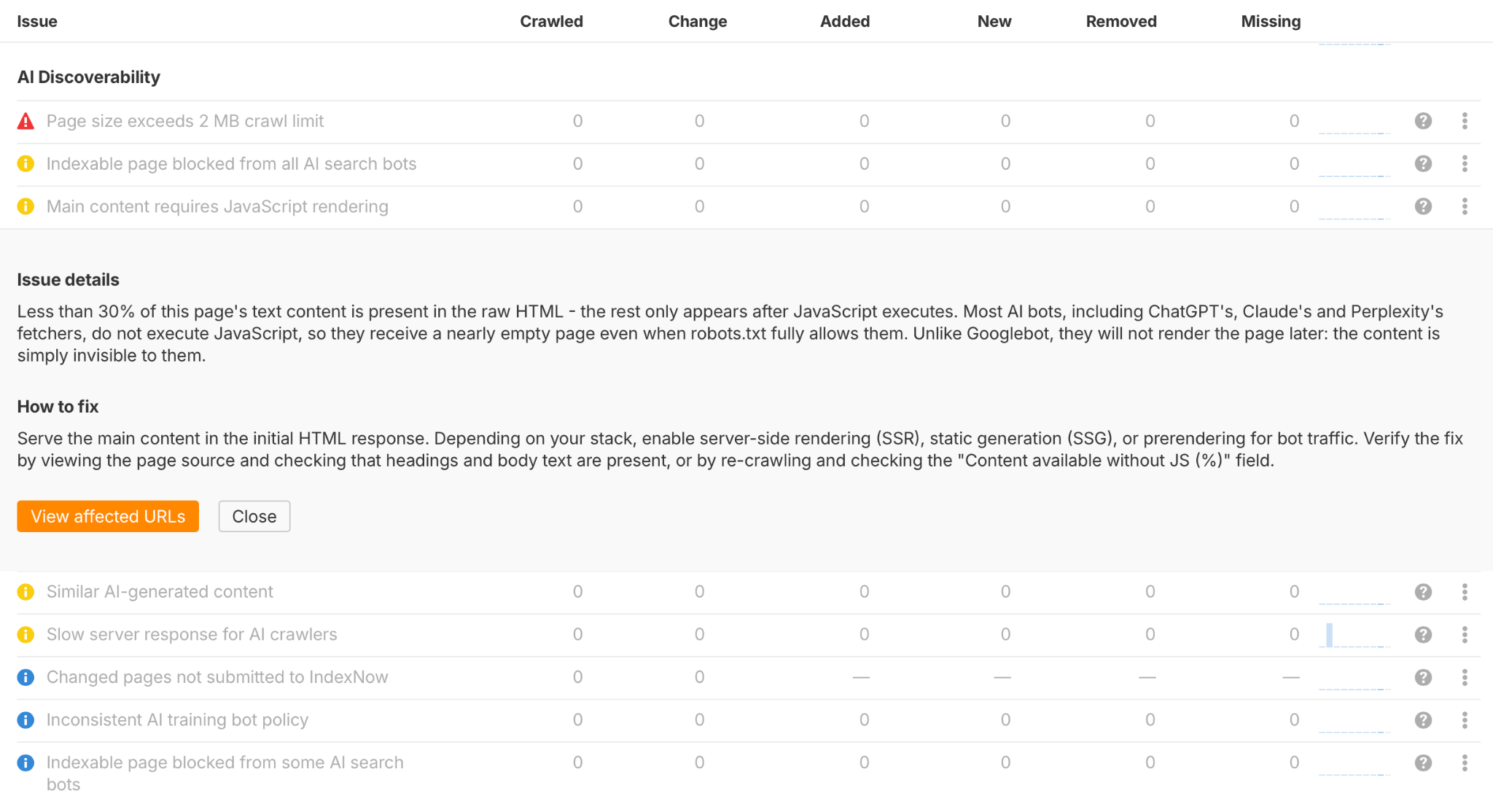
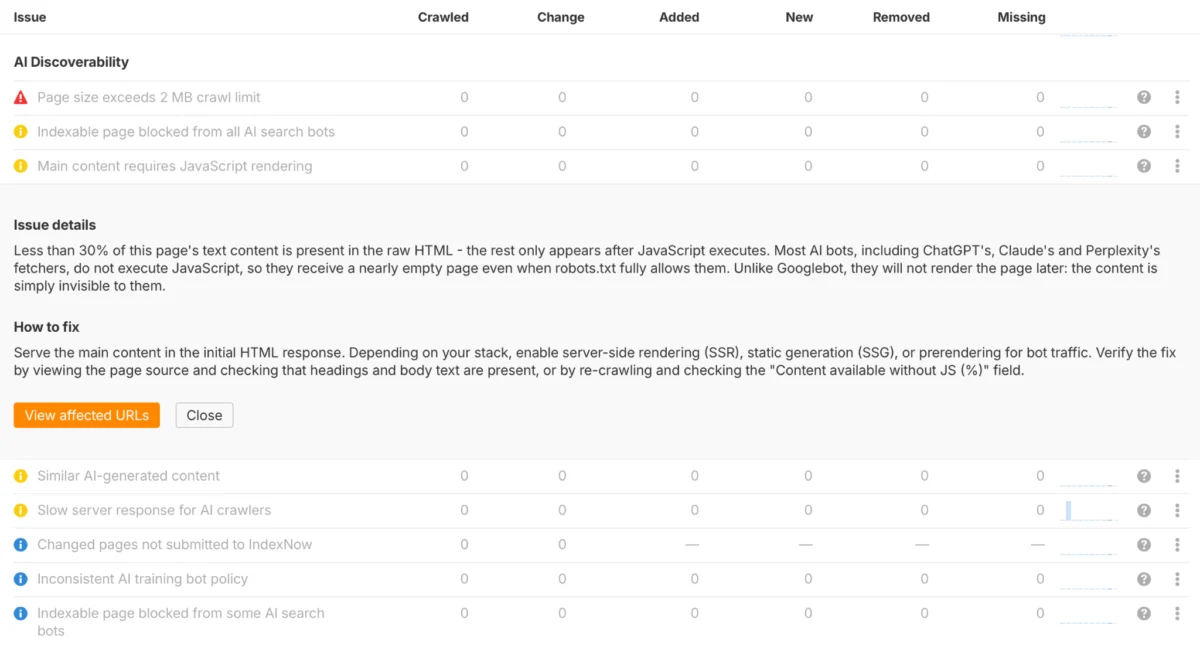
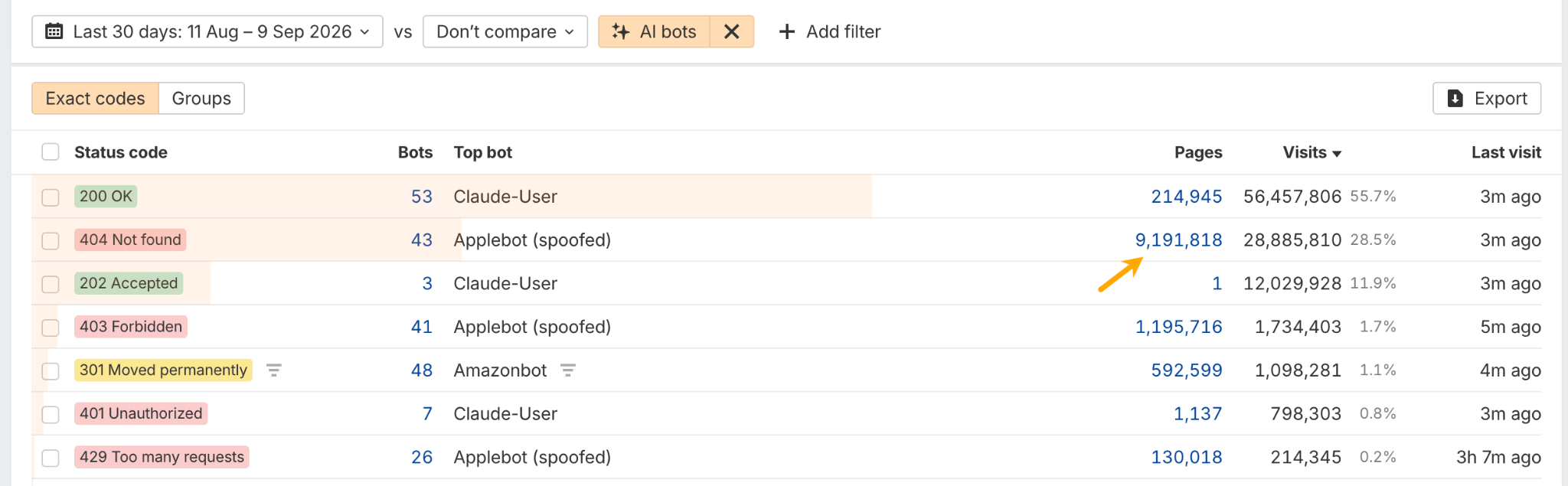
The fundamental prerequisite for AI search optimization is ensuring that AI systems can access and read web pages. This involves a multi-faceted approach to identify and rectify technical barriers. A starting point is utilizing site audit tools to pinpoint AI-specific discoverability issues and their recommended solutions. Bot analytics should be employed to investigate unsuccessful AI bot requests, paying close attention to error codes such as 404 (Not Found), 499 (Client Closed Request), and 5xx (Server Errors), which indicate missing URLs, interrupted requests, or server malfunctions.
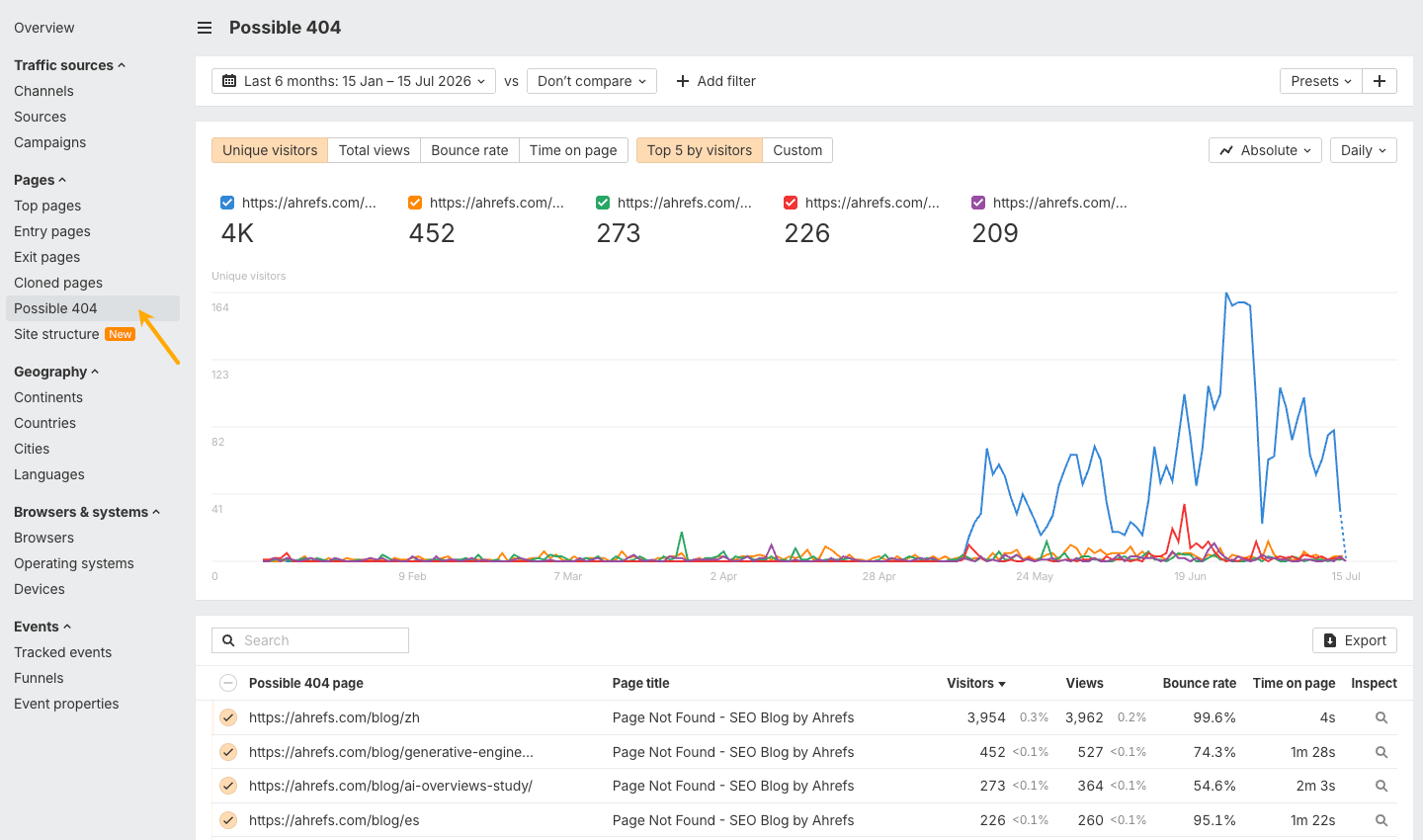
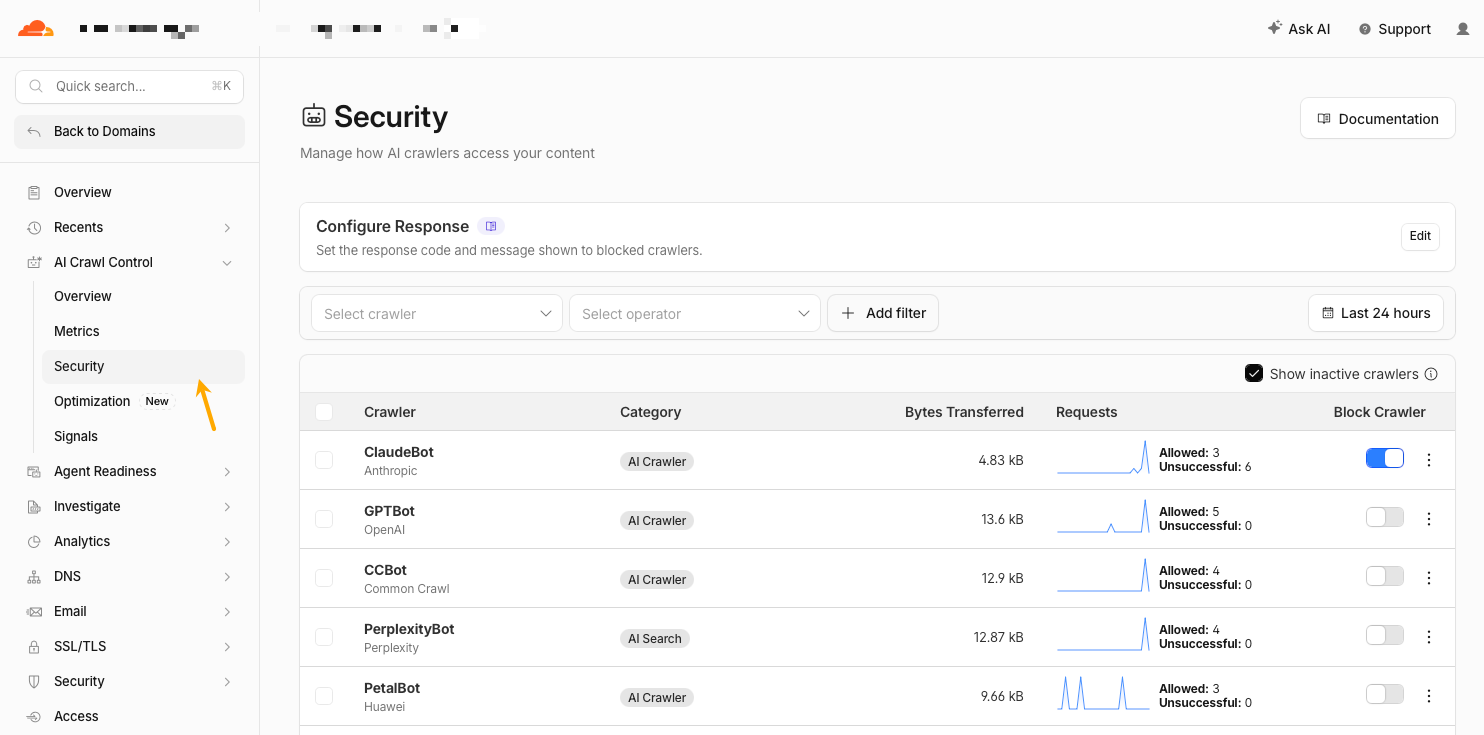
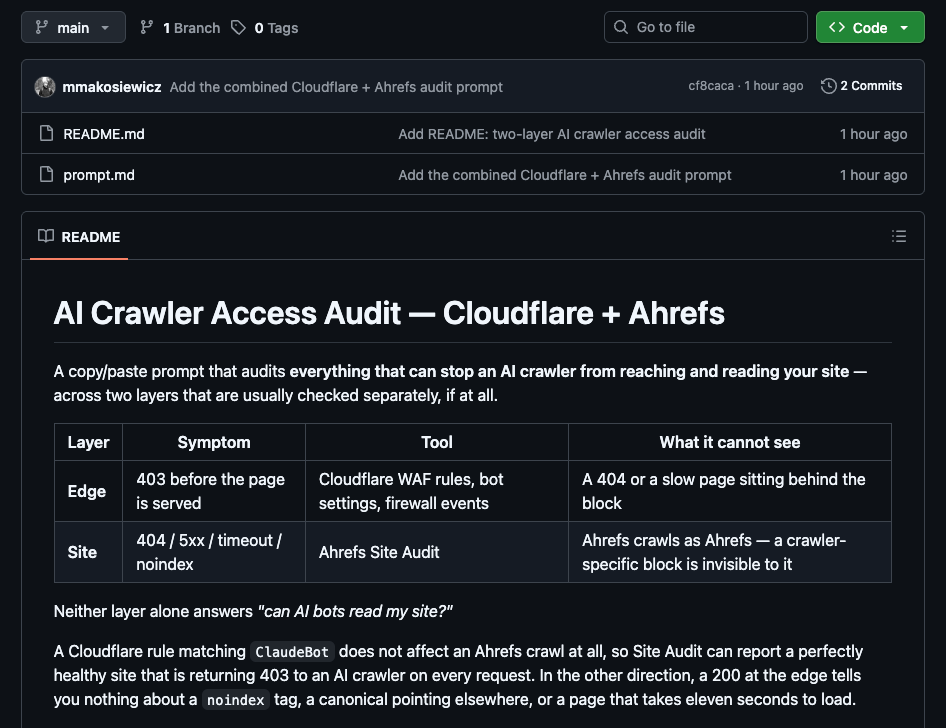
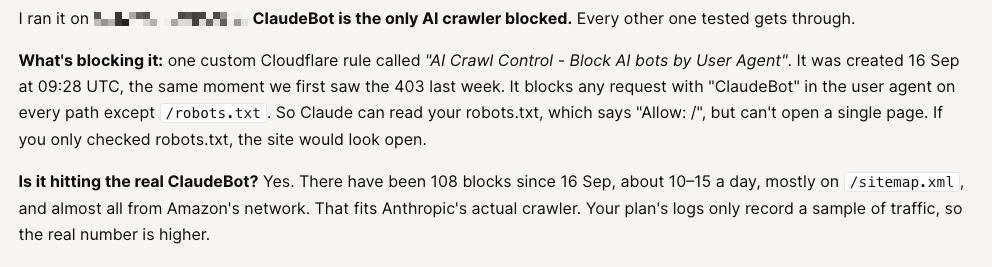
Web analytics can further identify 404 pages that are still receiving traffic from AI search, suggesting the need for redirects to the most relevant live pages. Recurring 404 errors can also highlight content gaps, prompting consideration for creating new, relevant content. Beyond typical site crawls, server settings, firewalls, and Content Delivery Networks (CDNs) must be examined to ensure no AI crawlers are being inadvertently blocked. AI agents can streamline this process by checking robots.txt, noindex rules, status codes, redirects, visible content, links, Web Application Firewall (WAF) rules, crawler visits, blocked bot requests, and even pages requiring login credentials. Specialized AI prompts and tools are available to automate these audits and suggest or implement fixes.
2. Creating Content That Matches AI Search Queries and Offers Unique Value
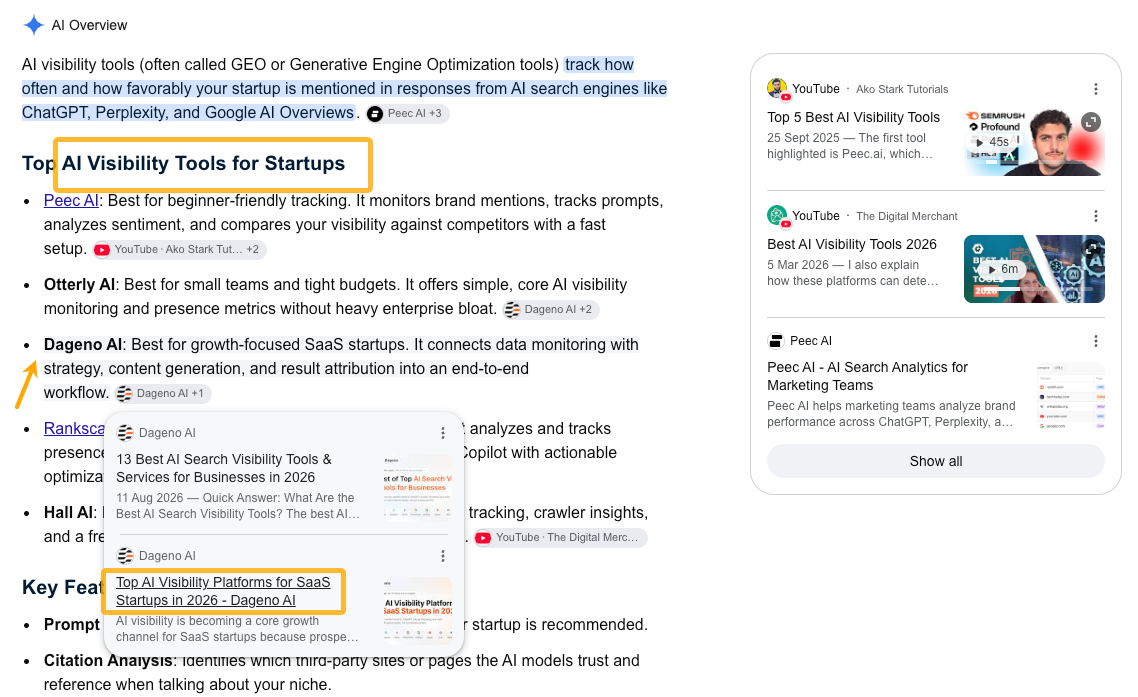
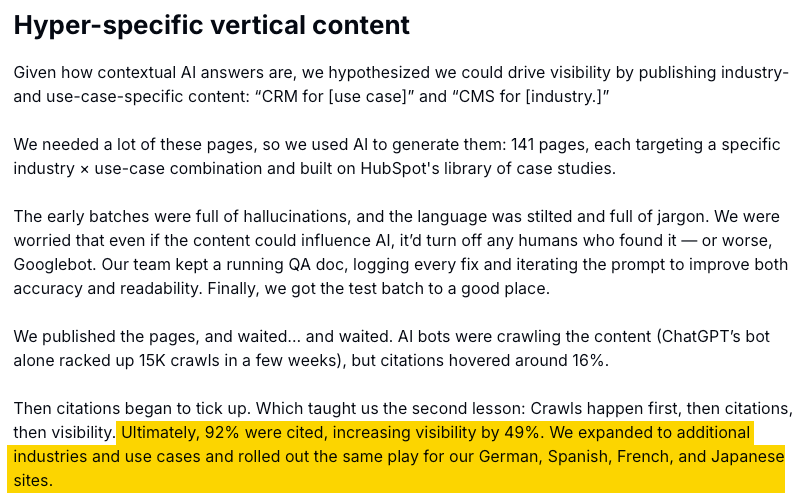
Content designed for AI search must demonstrate a clear alignment with user queries, evident in its title, meta description, headings, and body text. Creating dedicated content for specific, targeted prompts, such as "AI visibility tools for startups," is significantly more effective than embedding the answer within a broader topic. This hyper-specific approach enhances the likelihood of AI systems citing the content. Similarly, dedicated pages comparing a brand’s product with competitors can facilitate inclusion in branded conversations within AI responses. HubSpot’s case study demonstrated success by creating pages that precisely matched specific prompts, thereby increasing AI visibility and expanding their presence across various industries and markets.
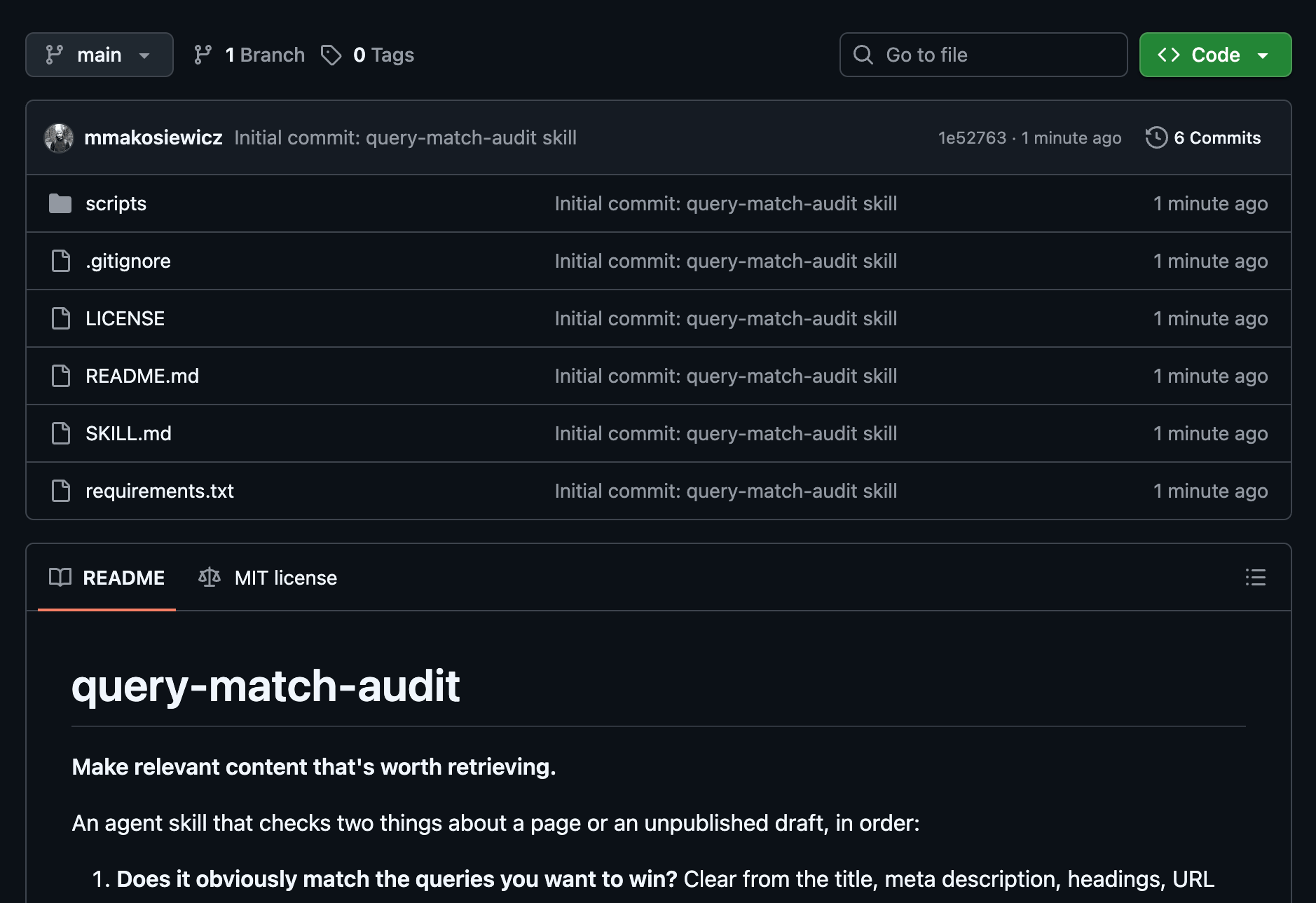
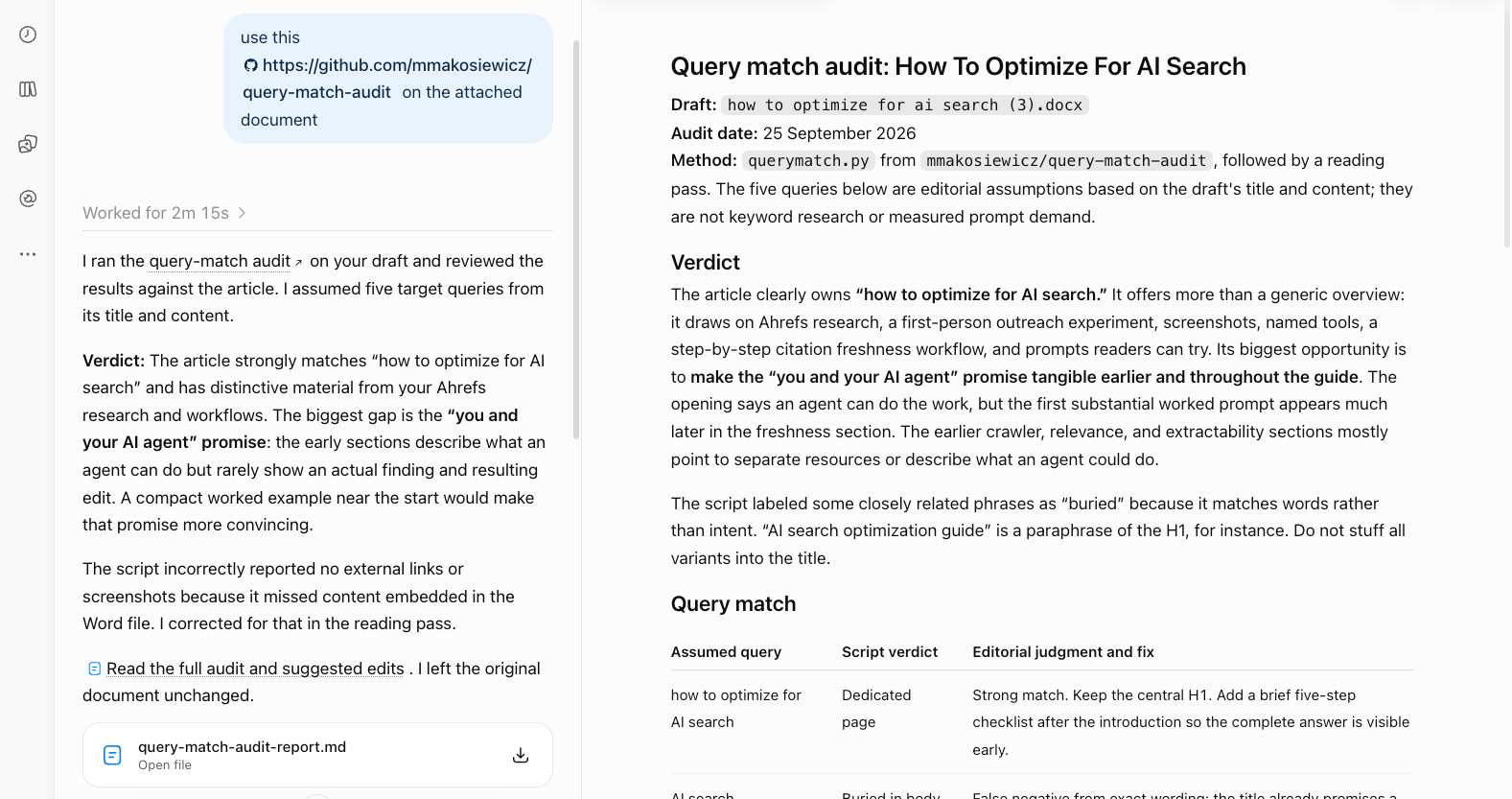
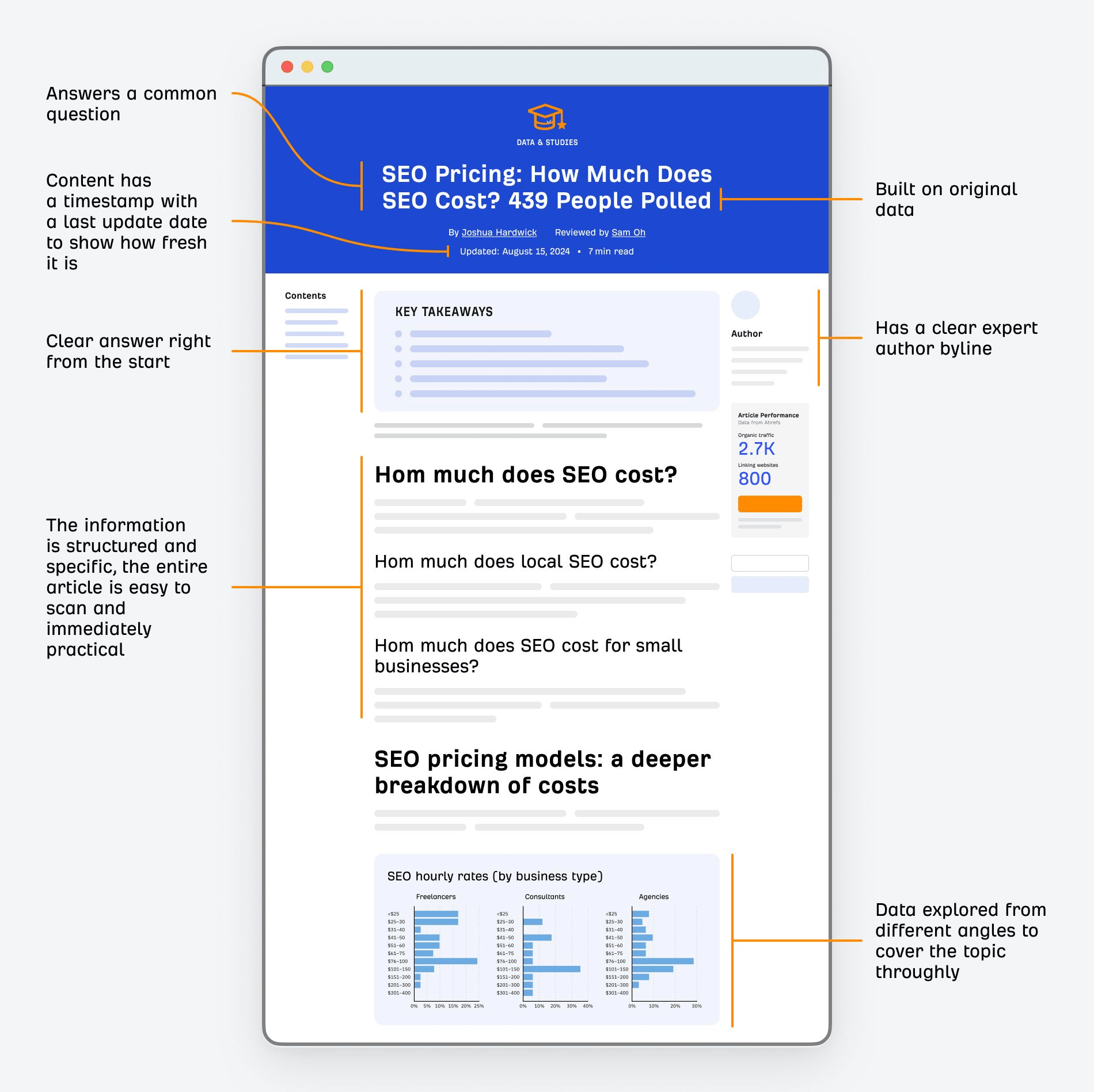
Beyond relevance, content must offer information that is worth retrieving. Generic summaries that are easily replicated by numerous other pages offer little incentive for AI systems to rely on them. Content that stands out is characterized by original examples, survey data, benchmarks, detailed workflows, customer insights, and expert judgment—elements that are harder to reproduce. AI agents can assist in evaluating content relevance by identifying weak titles, vague claims, missing evidence, and gaps in topic coverage. By granting AI agents access to internal knowledge bases, they can also pinpoint opportunities to incorporate distinctive and valuable information. However, the creation of genuine expertise, original data, and unique insights remains a human endeavor.
3. Making Facts and Data Easily Extractable for AI
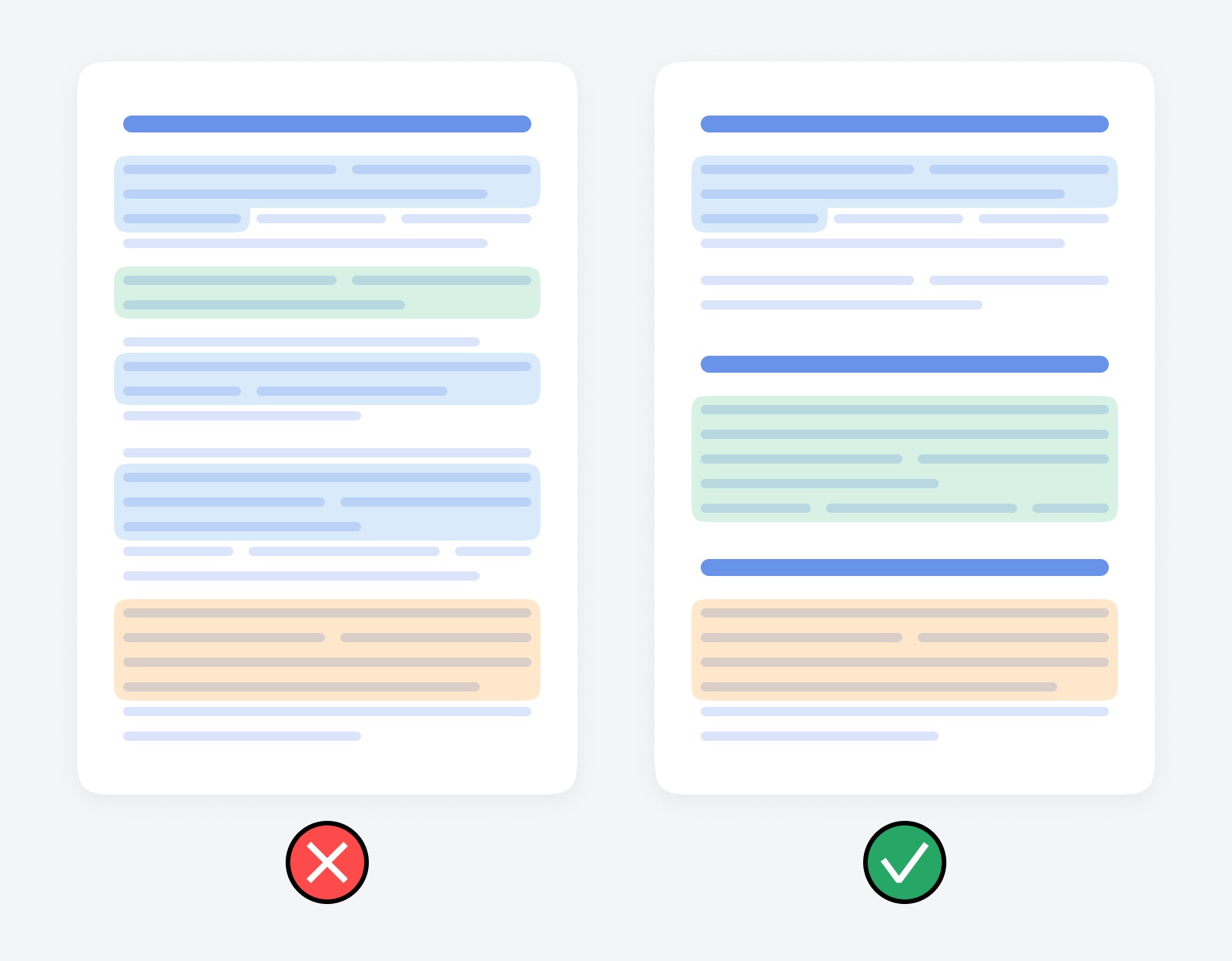
AI search engines often process pages by breaking them into smaller segments, retrieving the most relevant sections, and citing only the passages that directly support an answer. This necessitates structuring content into self-contained "atomic" units, each conveying a complete idea that makes sense even when extracted from its original context. This contrasts with a scattered approach where information is dispersed across multiple paragraphs, leading to a loss of context when excerpted.
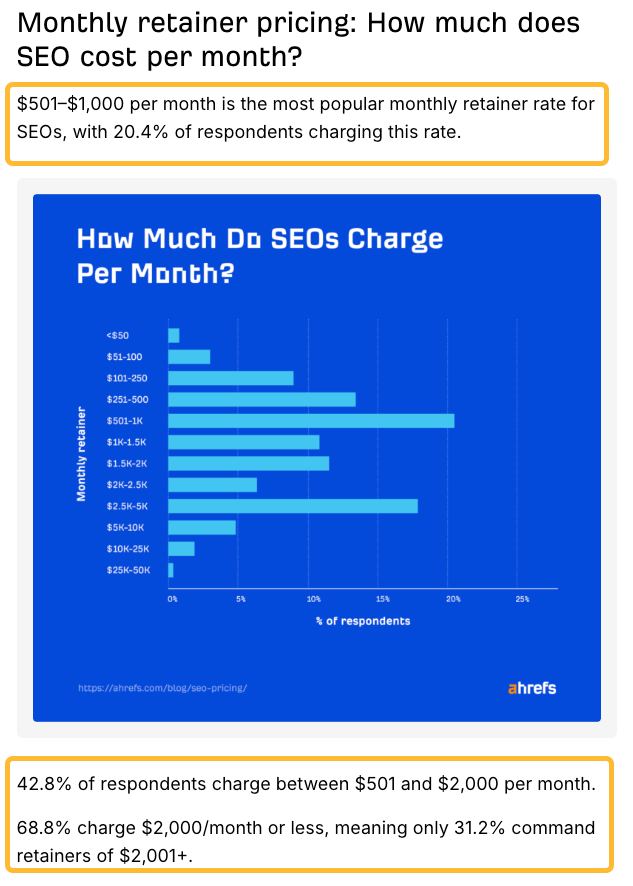
To achieve this, the main answer should be presented upfront, following the "Bottom Line Up Front" (BLUF) principle. Clear headings and standalone statements for key information are crucial. Evidence suggests that the placement of information matters, with a significant portion of AI citations originating from the initial 30% of a page. Specificity is also vital; including names, dates, numbers, products, and sources, rather than relying on vague descriptions, aids AI comprehension. Furthermore, utilizing structured formats like tables, definitions, examples, summaries, and FAQs can enhance the clarity and extractability of complex information for AI systems.
It is important to note that AI systems primarily rely on visible HTML content, often ignoring structured data formats like JSON-LD or Microdata if the information is not also present as plain text on the page. Therefore, critical details, such as pricing or product features, should be reiterated in visible text alongside any structured data. This adherence to good editorial practices—making answers easily discoverable, ensuring precise claims, presenting key information in visible text, and ensuring passages are understandable in isolation—is not about writing "robotic" copy but about enhancing content’s value for both human readers and AI. AI agents can audit content for extractability, identify buried answers, flag vague claims, and suggest self-contained replacements for passages that lack context.
4. Keeping Facts Fresh and Consistent
Stale or contradictory information can lead to inaccurate AI answers, particularly for dynamic data such as pricing, product features, and setup instructions. Microsoft’s emphasis on freshness, provenance, factual fidelity, contradiction handling, and abstention highlights the challenges AI systems face when encountering conflicting information. Disagreements within a publisher’s own content increase the burden on AI systems to determine trustworthiness, potentially leading to outdated answers or reliance on external sources.
Research indicates that AI assistants frequently cite fresh or recently updated content. Studies on "best X" lists and the freshness of URLs cited by AI assistants compared to organic search results both point to a preference for current information. Outdated content can cede AI citations to newer, updated sources. Tools like Ahrefs Brand Radar can identify cited pages with outdated information, allowing for prioritization of updates. AI agents can assist in fact-checking and brand consistency before publication, as well as monitoring citation freshness and accuracy over time. This includes identifying pages that need updates based on citation frequency, age, and AI bot requests, and comparing AI-cited pages against a defined "source of truth" to ensure factual fidelity.
5. Monitoring AI Search Performance
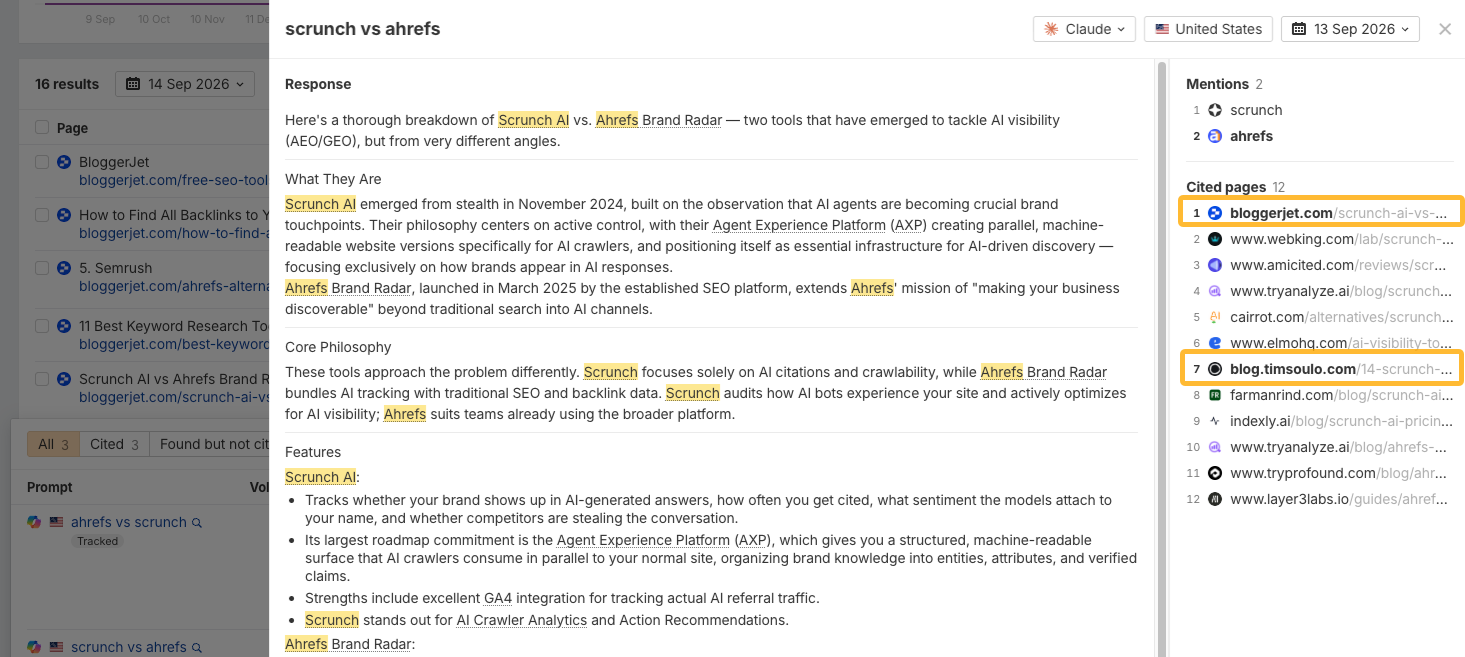
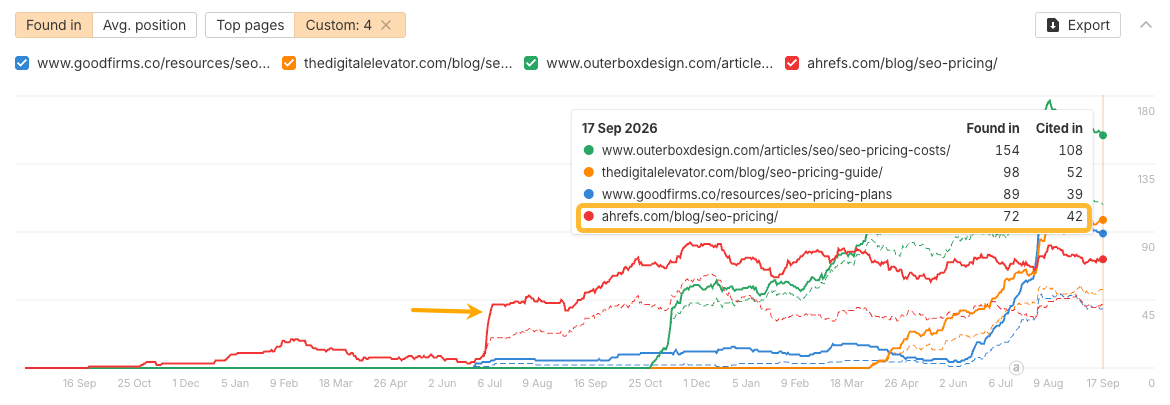
Monitoring AI search performance, particularly citation tracking, is becoming increasingly accessible through various AI visibility tools. Tools like Brand Radar provide reports on cited pages, offering metrics such as citation count, organic visits, AI traffic, and bot requests, along with historical data and filtering options. The AI responses report can be filtered to identify instances where competitors are cited but the brand is not, highlighting content gaps and opportunities for new content creation.
AI agents can significantly enhance citation performance analysis by summarizing key patterns, insights, and changes over specific periods. They can also generate regular digests of performance data delivered via email or messaging platforms. Furthermore, AI can be used to calculate and visualize data not explicitly provided by tools, such as tracking the citation stability of specific pages to detect if they are disappearing from AI responses. For competitive analysis, tools can monitor third-party citations in near real-time, enabling quick identification of trends and content improvement ideas. Ultimately, optimizing for AI search is not about fundamentally altering content creation but about ensuring accessibility, relevance, clarity, accuracy, and freshness, while leveraging AI agents to scale these efforts efficiently. The focus remains on creating valuable content for humans, making its value discernible to AI, and delegating repetitive tasks to AI agents.