11

Optimizing for AI search involves refining web pages to increase their likelihood of being cited by AI assistants when users pose relevant questions. While this may seem like a novel discipline, its core principles largely align with traditional search engine optimization (SEO). Both Google and Microsoft emphasize that their AI search functionalities remain rooted in established search systems. Google asserts that its AI search features still depend on its core search ranking systems, meaning content must remain crawlable, indexable, and useful. Microsoft, in turn, highlights that Bing’s index is evolving from a mere list of pages into a repository of facts that AI systems can leverage to construct answers.

The convergence of these perspectives reveals a key shift: while traditional search optimization remains crucial, its role is expanding. Content must not only rank well but also provide verifiable facts that AI systems can comprehend, trust, and attribute. To effectively optimize a page for AI search, several criteria must be met: AI systems must be able to access the page, the content must offer valuable information that addresses a relevant query, critical facts must be presented clearly, these facts must be kept current, and citation data should be monitored. AI agents can assist in auditing access, reviewing passages, identifying inconsistencies, and analyzing citation metrics, though the ultimate decision on publication rests with human creators. This article delves into the rationale behind AI search optimization, outlining actionable steps, manual review considerations, and effective prompts for AI agents.

1. Ensure AI Bot Accessibility
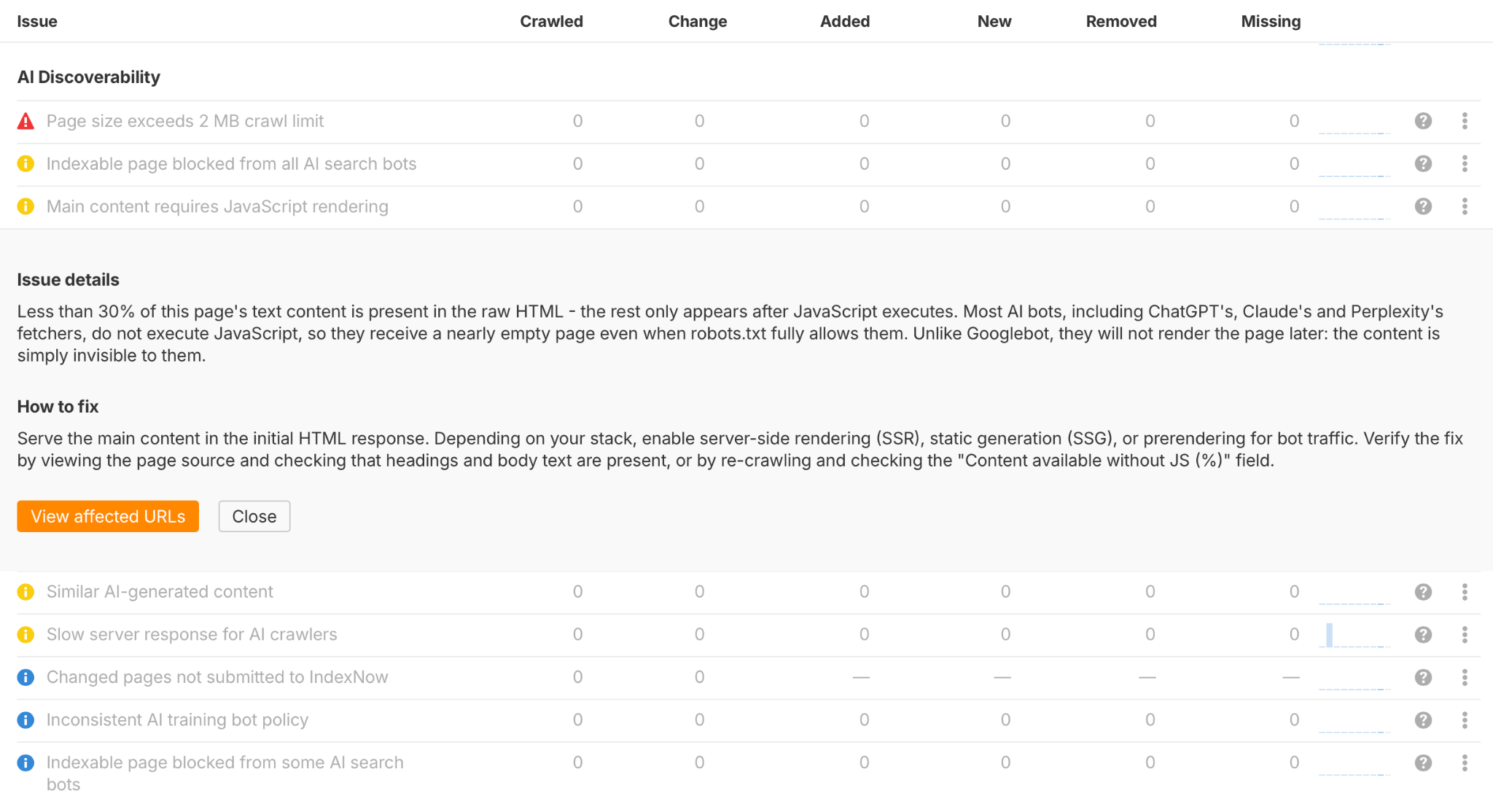
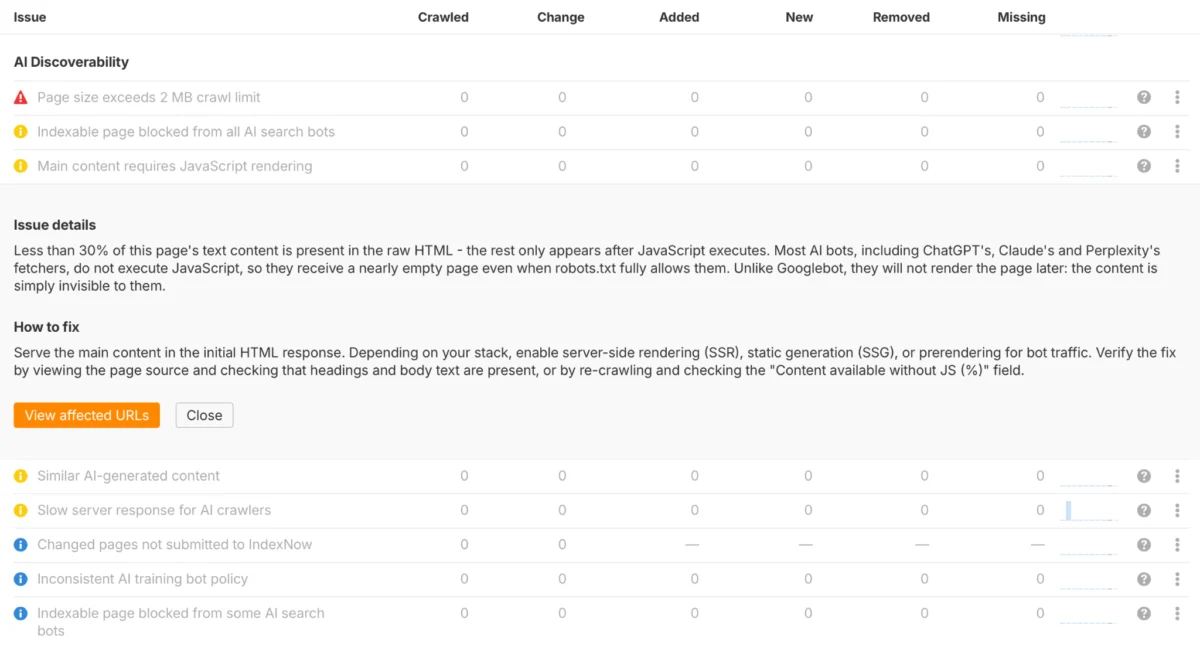
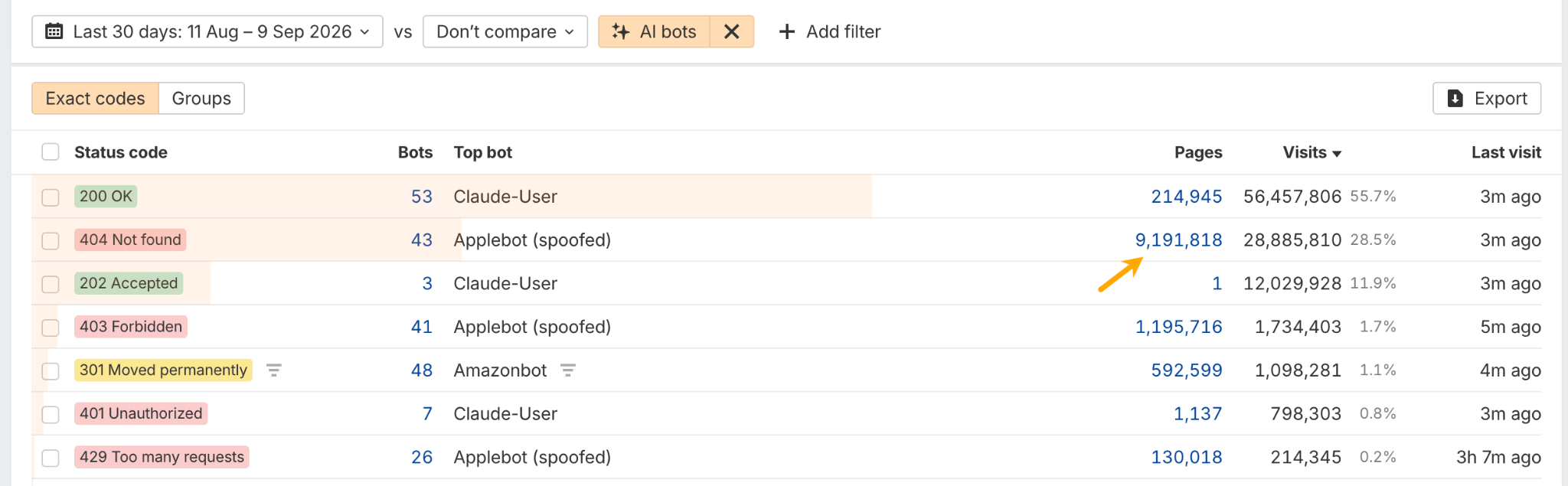
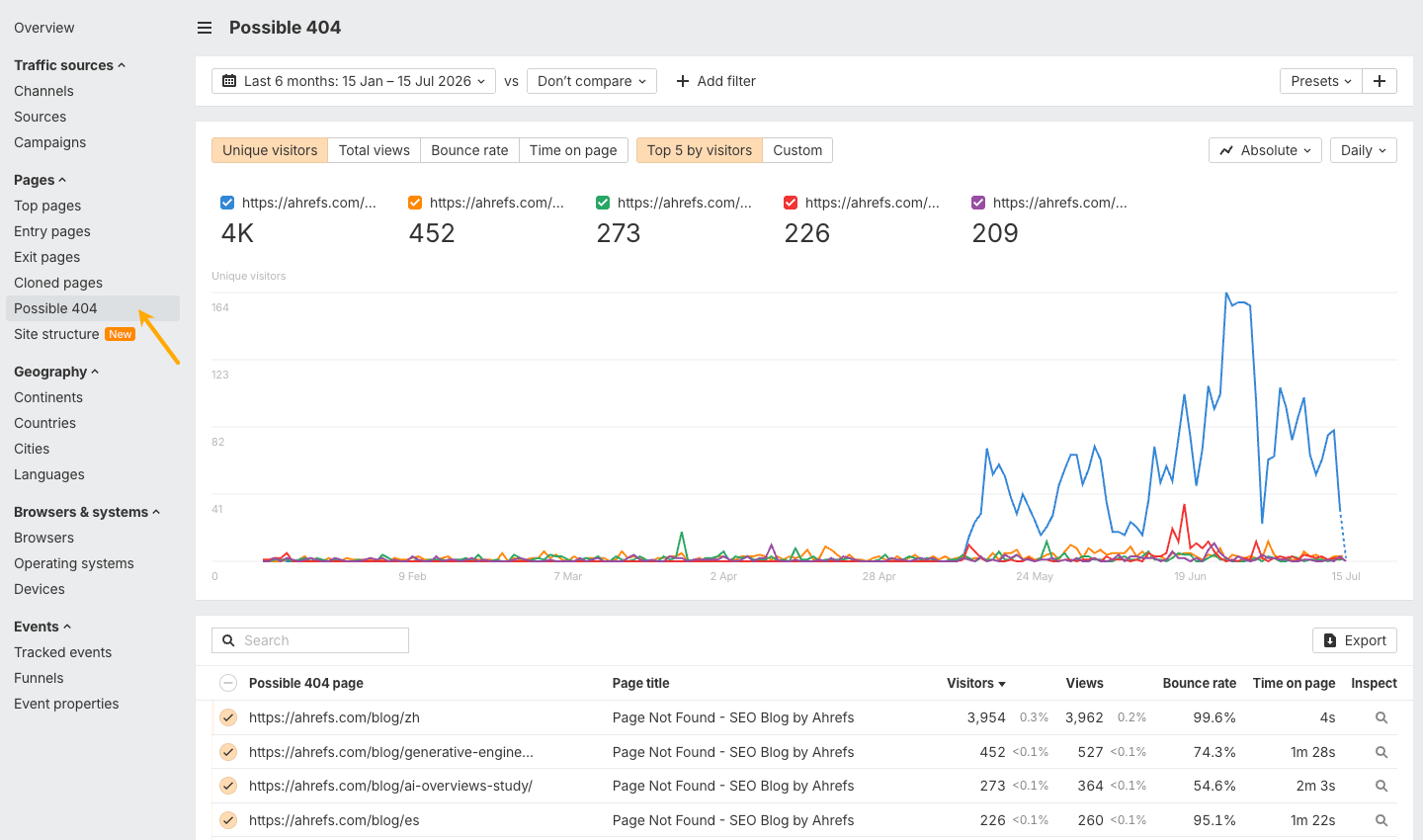
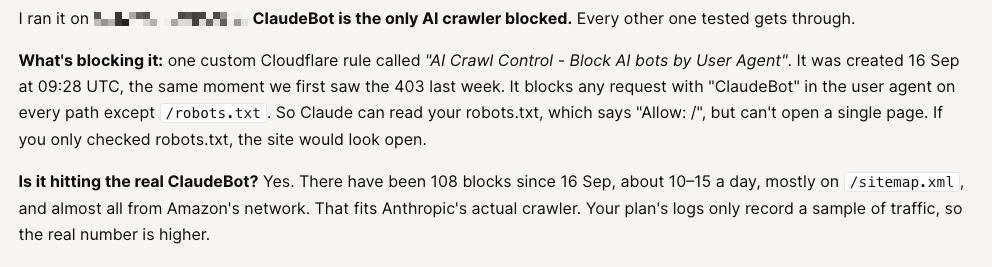
The foundational step in AI search optimization is ensuring AI systems can access and read your web pages. Technical issues can impede this access, and both manual checks and AI assistance can be employed. The "AI discoverability" section within site audit tools can highlight AI-specific issues and offer solutions. Bot Analytics should be used to investigate unsuccessful AI bot requests, particularly those resulting in 404 (Not Found), 499 (Client Closed Request), and 5xx (Server Error) status codes. Identifying the specific pages affected by these errors allows for targeted fixes, such as implementing redirects for frequently visited 404 pages. A recurring 404 can also indicate a content gap, prompting consideration for creating new content to address user intent.
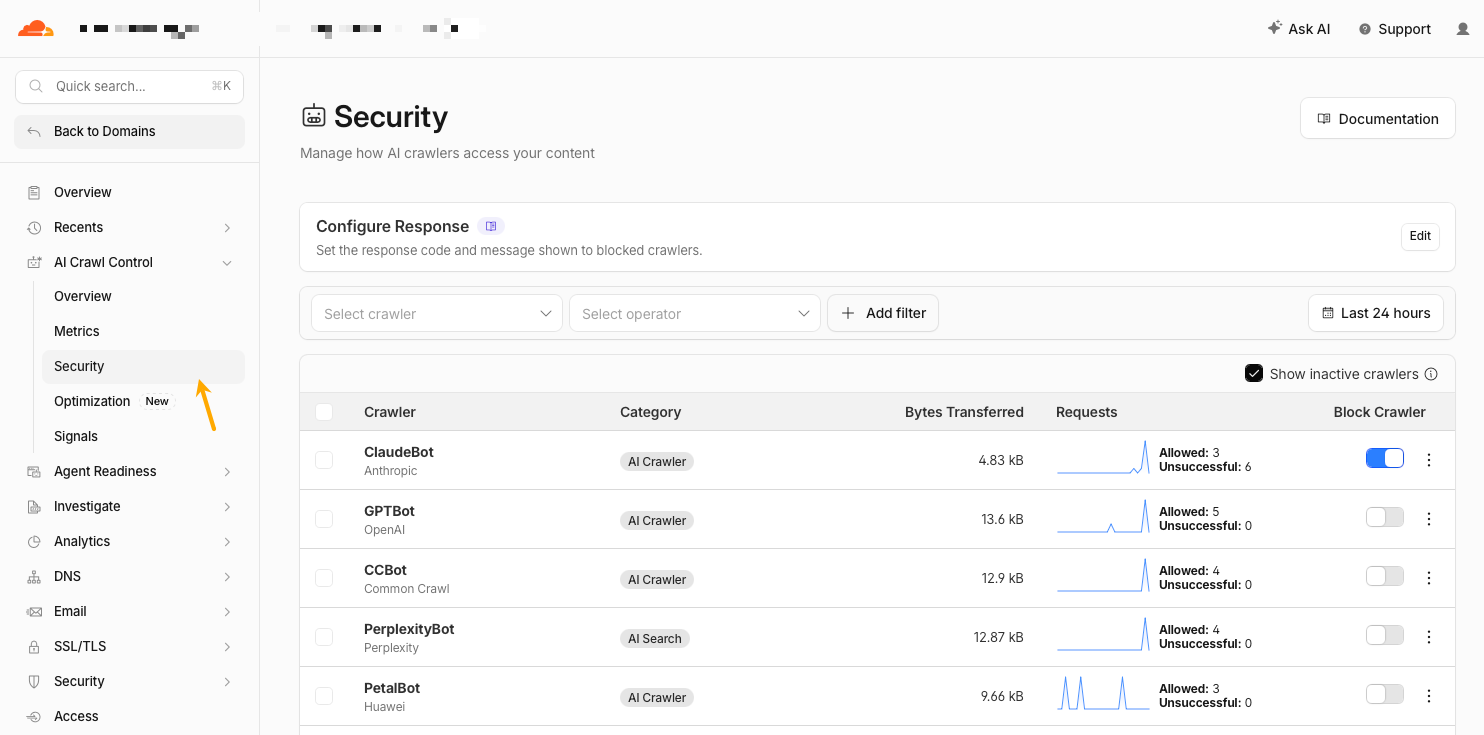
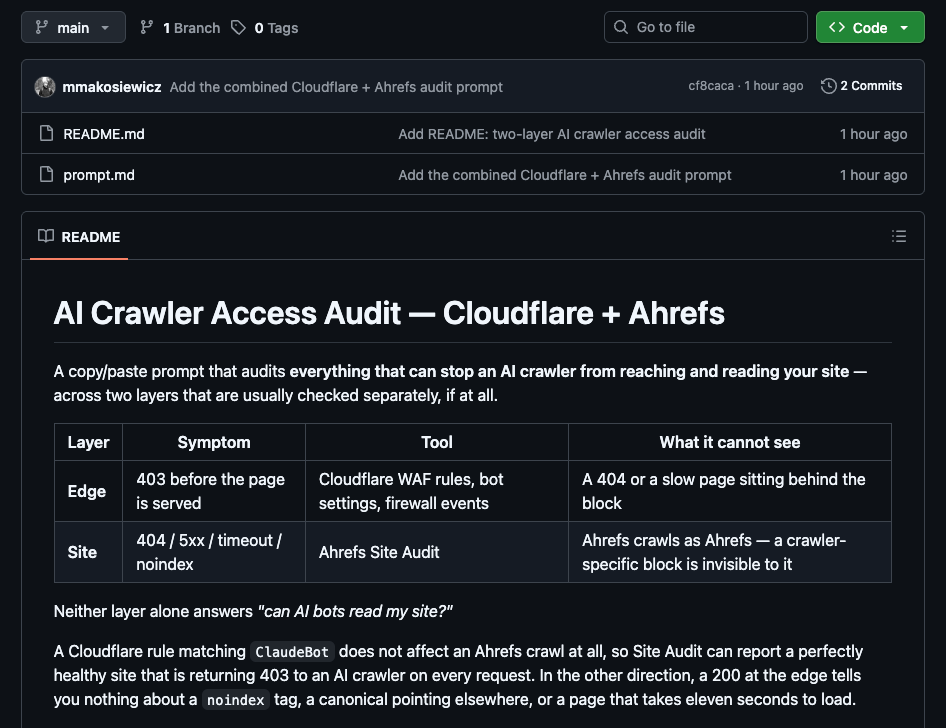
Beyond standard crawlability checks, server settings, firewalls, and Content Delivery Networks (CDNs) must also be examined for potential blocks. Tools like Cloudflare’s "AI Crawl Control" can help identify if AI crawlers are being inadvertently restricted. AI agents can streamline this process by checking robots.txt directives, noindex rules, status codes, redirects, visible content, links, Web Application Firewall (WAF) rules, crawler visit logs, and even pages protected by logins. For instance, a dedicated AI crawler access audit prompt, integrated with tools like Ahrefs and Cloudflare, can automate these checks and suggest or implement necessary fixes.
2. Create Content Matching AI Queries and Value
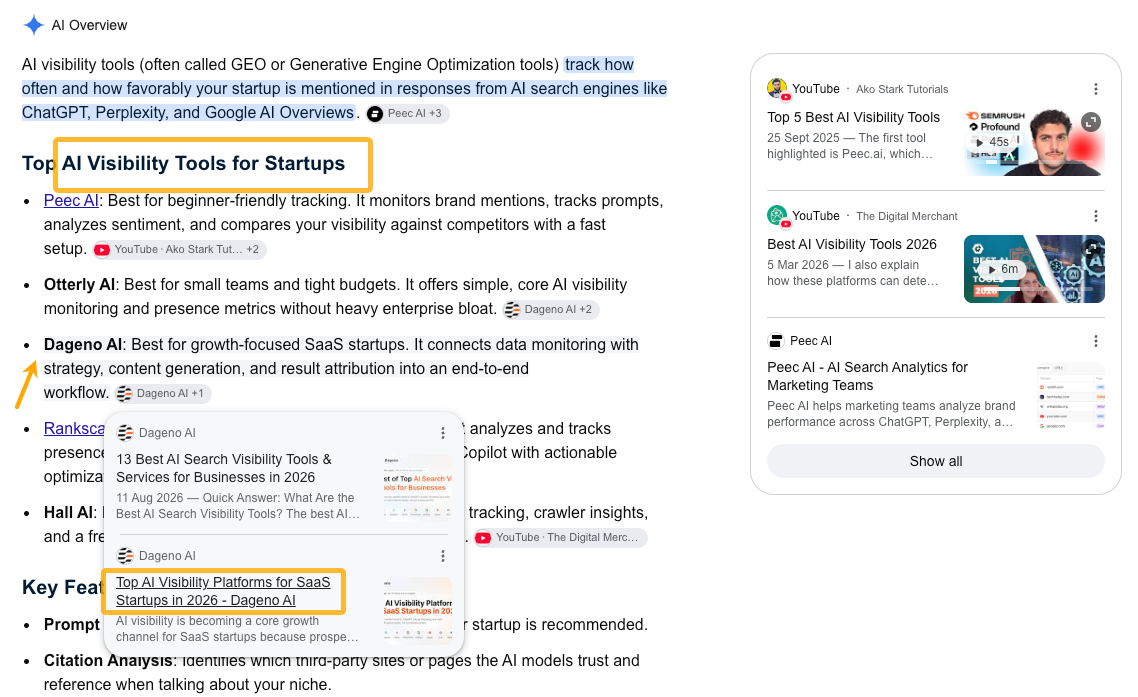
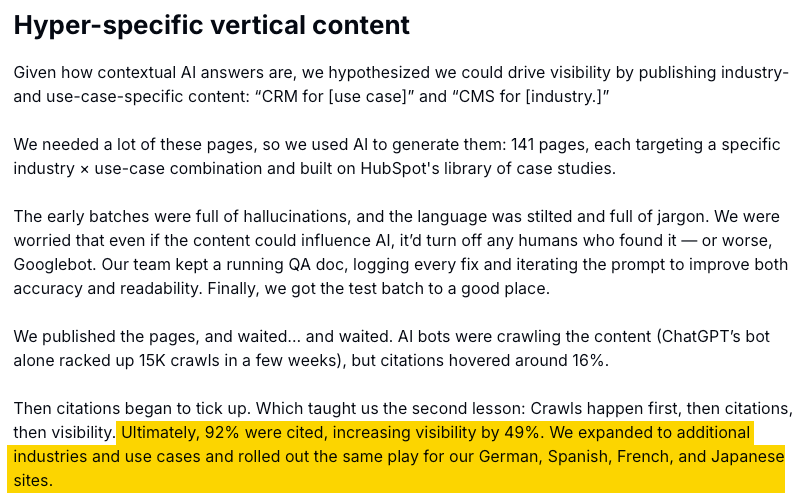
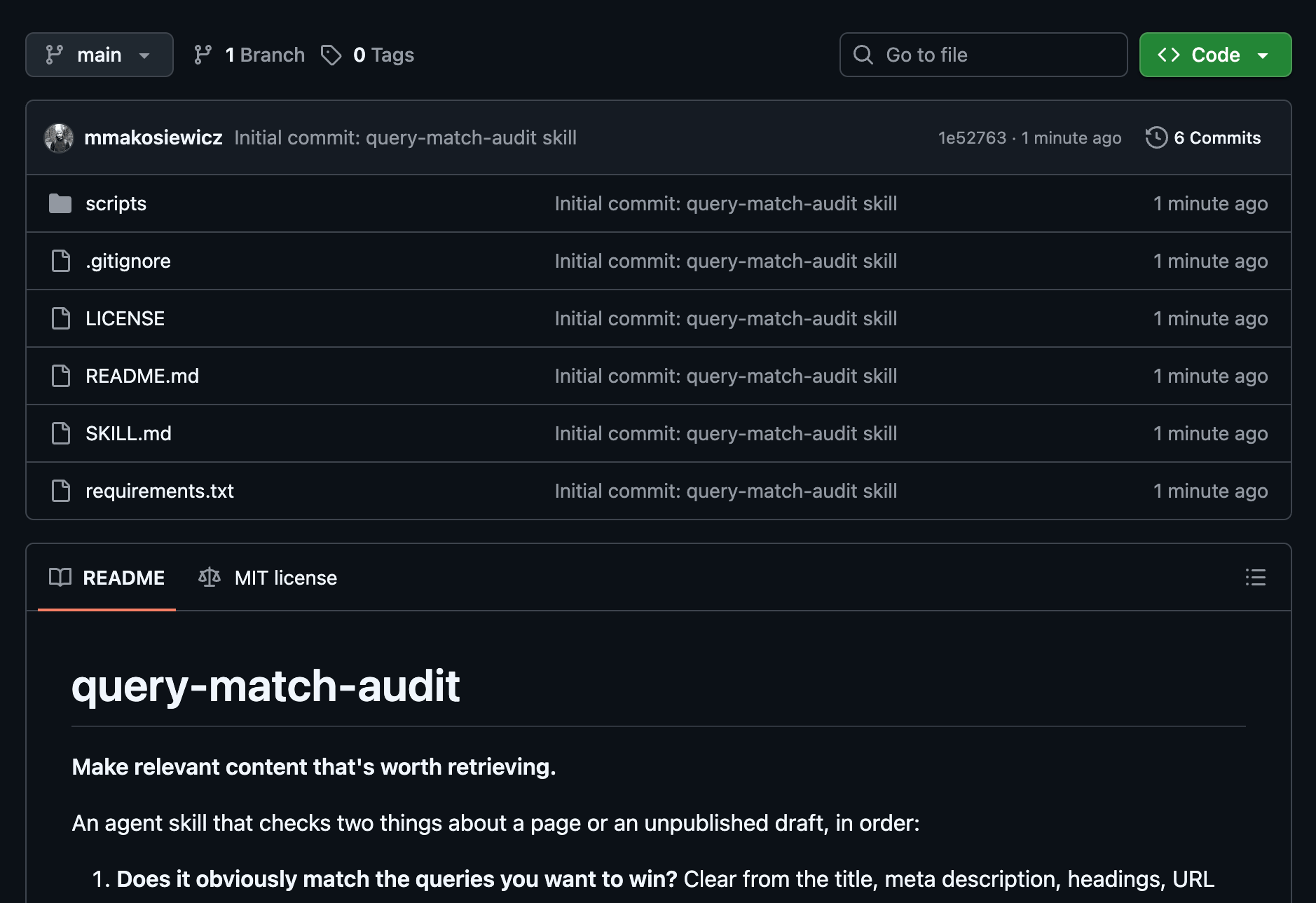
Content optimization for AI search requires a clear alignment between the page’s subject matter and the user’s query. This alignment should be evident in the page’s title, meta description, headings, and body text. Creating dedicated content for specific, long-tail queries, such as "AI visibility tools for startups," significantly increases the likelihood of AI systems citing that page compared to burying the information within a broader topic. This principle extends to brand-related queries, where dedicated pages comparing products with competitors or addressing specific use cases can lead to increased AI visibility. HubSpot’s case study on creating hyper-specific content for vertical markets demonstrates the effectiveness of this approach.
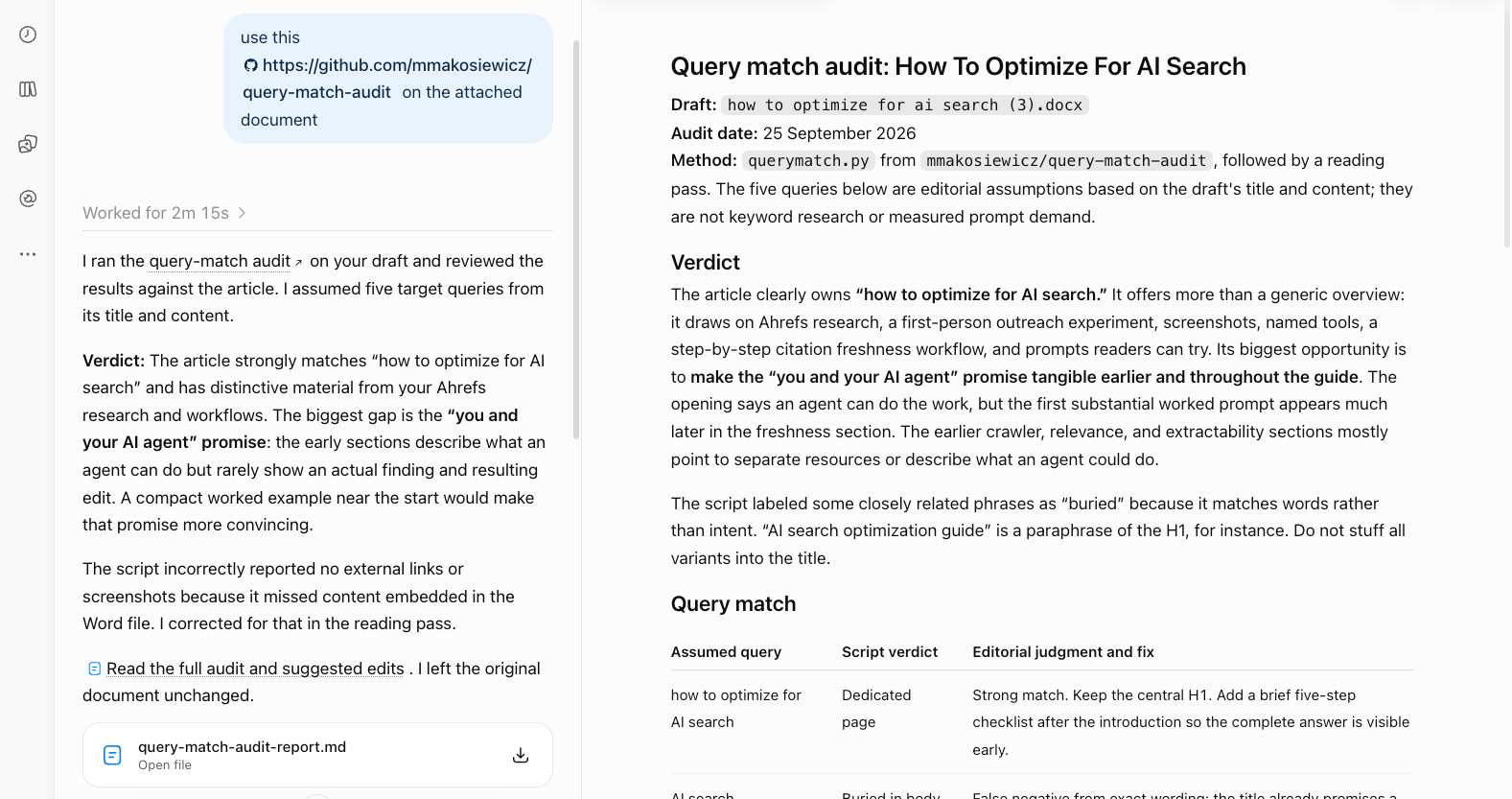
Beyond relevance, the content must offer unique value. Generic summaries are easily replicated, making them less likely to be cited. Content that stands out typically includes original examples, proprietary survey data, benchmarks, detailed workflows, customer insights, and expert opinions – elements that are difficult for AI to reproduce independently. AI agents can assist in evaluating content relevance by flagging weak titles, vague claims, missing evidence, and underdeveloped sections. They can also identify opportunities to incorporate unique information if provided with access to internal knowledge bases, customer research, or support conversations. However, the generation of genuine expertise, original data, and customer insights remains a human endeavor.
3. Facilitate AI Extraction of Facts and Data
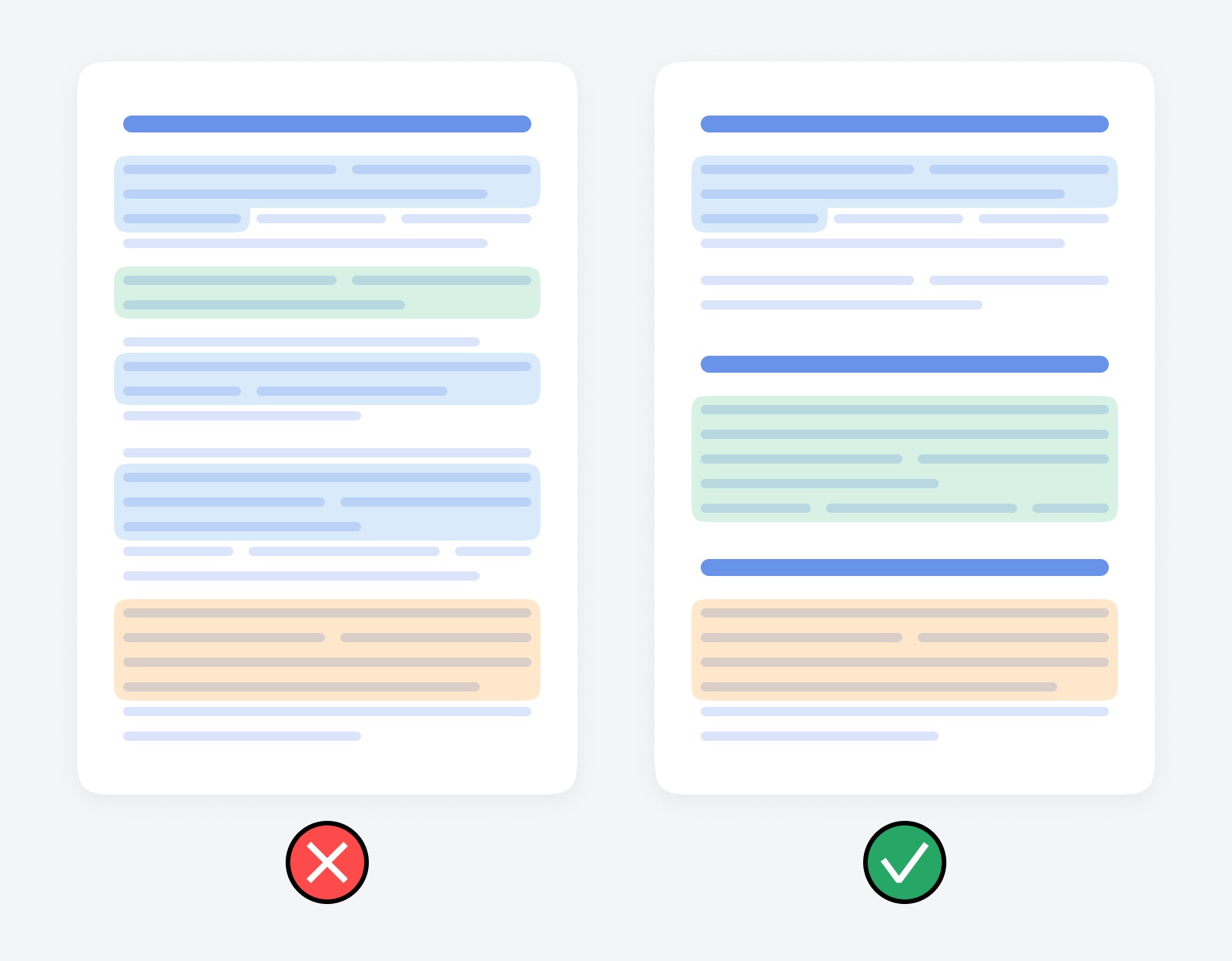
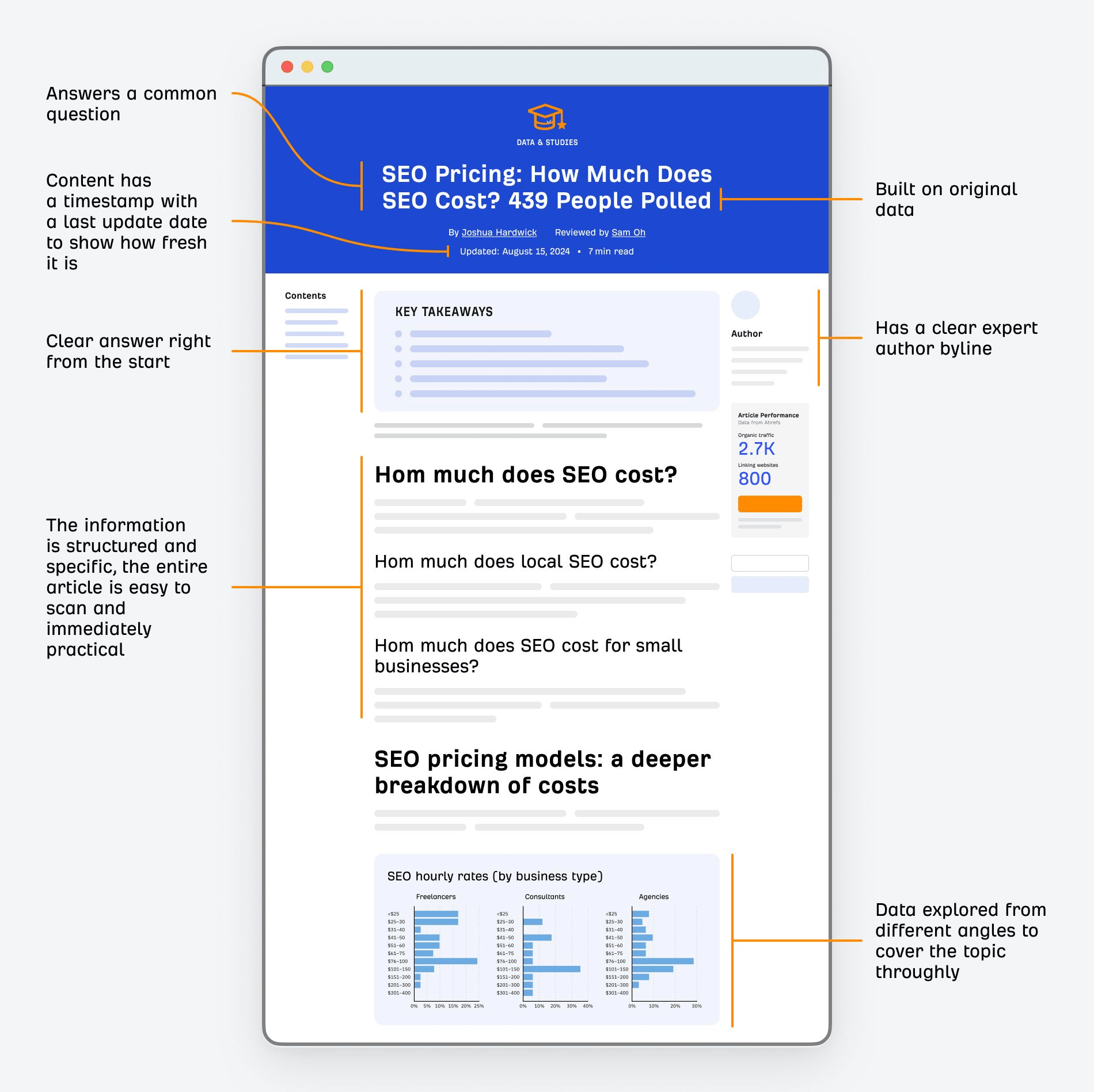
AI search engines often process web pages by breaking them into smaller "chunks" to retrieve the most relevant sections for a query. This necessitates making critical facts easily extractable and comprehensible even when presented out of context, a concept known as atomic content. Each section should present a complete idea. This can be achieved by placing the main answer "Bottom Line Up Front" (BLUF), using clear headings, and transforming buried information into direct, standalone statements. Research suggests that the initial 30% of a page is a significant source of AI citations.
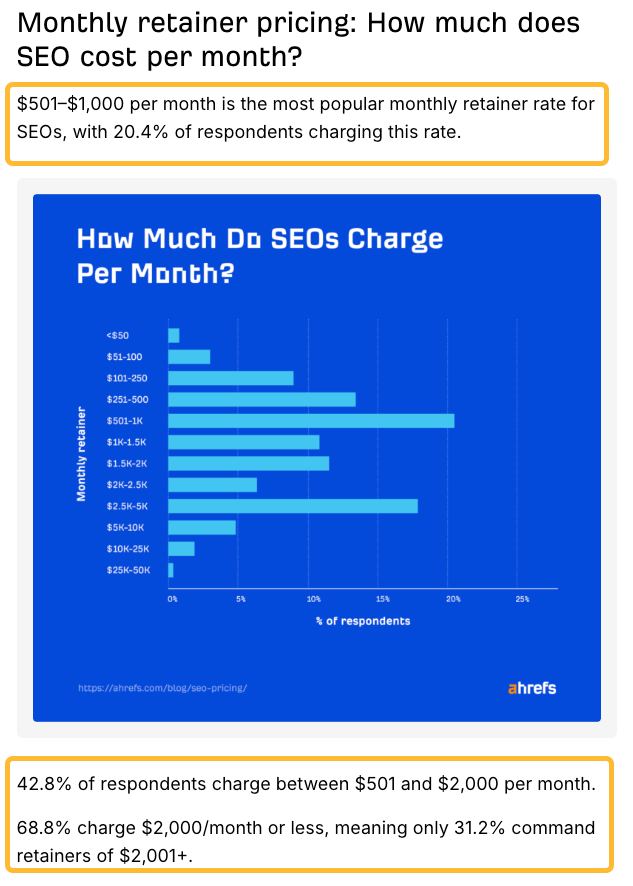
Specificity is paramount; including names, dates, numbers, products, and sources enhances clarity. Structured data formats like tables, definitions, examples, and FAQs can further improve the accessibility of complex information for AI systems. It’s important to note that AI systems have been observed to prioritize visible HTML content over structured data formats like JSON-LD, Microdata, or RDFa. Therefore, crucial information embedded in structured data or images should also be present as plain text on the page. This practice aligns with good editorial hygiene, ensuring clarity and accessibility for both human readers and AI. AI agents can help identify passages that lack context, suggest self-contained replacements, flag buried answers, and identify vague claims. They can also assist in applying audit suggestions directly to documents.
4. Maintain Freshness and Consistency of Facts
Outdated or contradictory information can lead to inaccurate AI-generated answers, especially concerning dynamic data such as pricing, product features, and setup instructions. Freshness goes beyond simply adding a "last updated" date; it requires maintaining current and consistent facts across all platforms. Microsoft’s emphasis on freshness, provenance, and factual fidelity underscores the importance of reliable information for AI systems. Research indicates that AI assistants tend to cite recent or updated content more frequently. Studies on "best X" lists and AI citation preferences show a strong correlation between content freshness and AI citation rates.
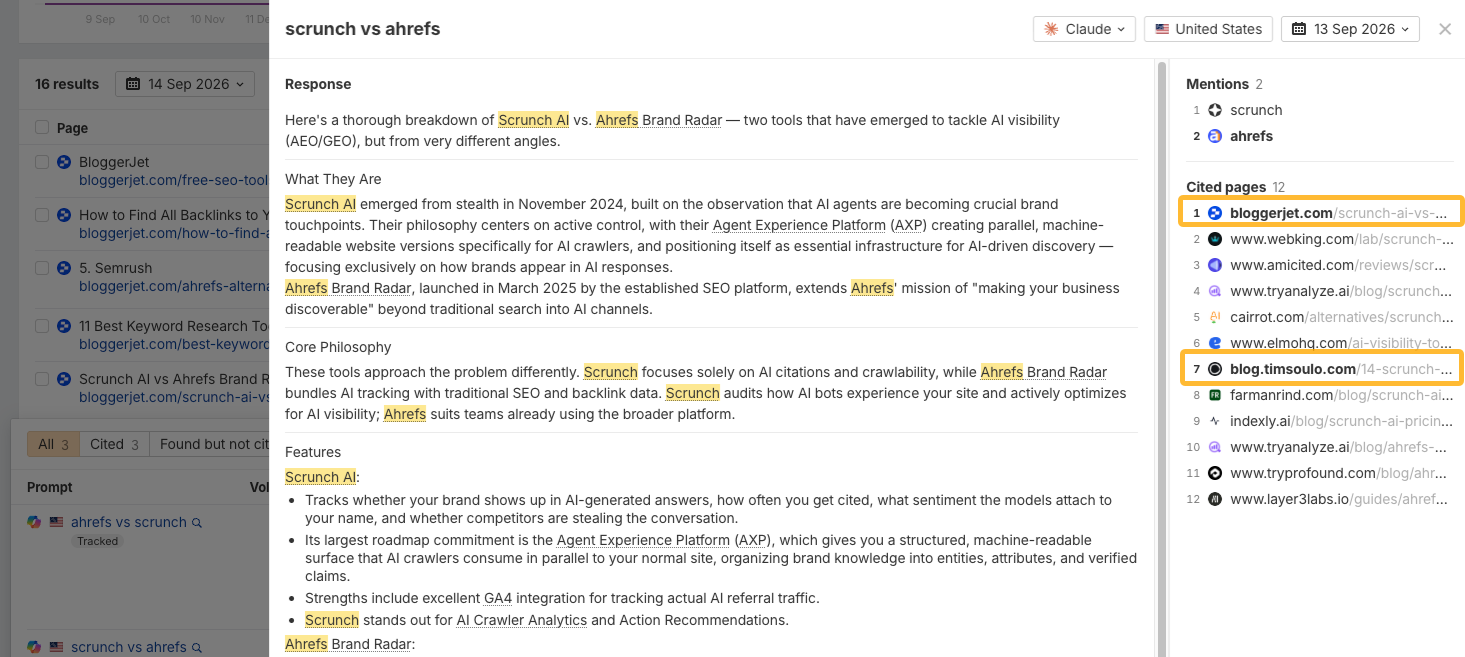
Tools like Ahrefs Brand Radar can help identify and prioritize outdated pages that are still being cited by AI. By analyzing citation volume, traffic, and AI bot requests, publishers can make informed decisions about which content to update. AI agents can be instrumental in this process by checking facts and brand consistency before publication and by monitoring citation freshness and accuracy over time. For citation freshness, AI agents can analyze exported reports from tools like Brand Radar, identifying pages that haven’t been updated within a specified timeframe and have a significant number of AI citations. For fact fidelity, AI agents can cross-reference published content against a "source of truth" document, flagging discrepancies and suggesting corrections.
5. Monitor AI Search Performance
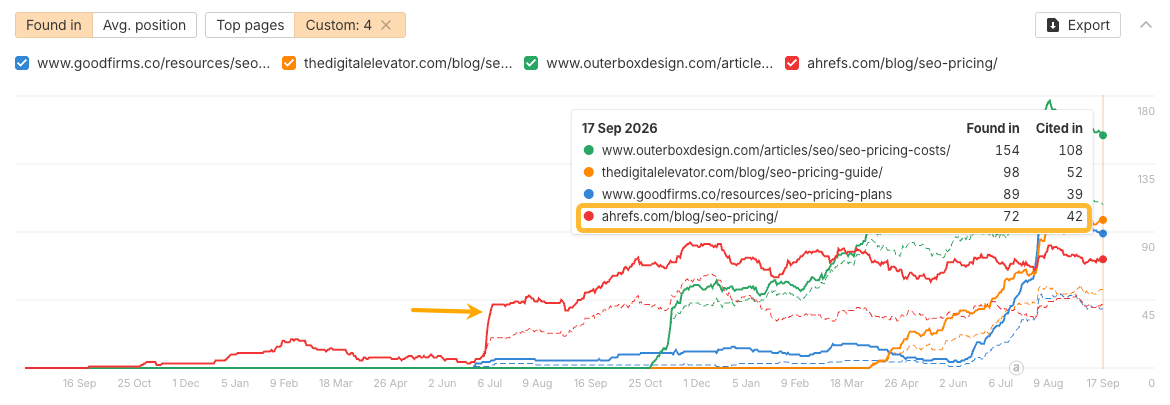
Monitoring AI search performance, particularly citation metrics, is crucial for understanding content impact. Tools like Brand Radar offer comprehensive citation reports that track metrics such as citation count, organic visits, AI traffic, and bot requests. These reports also provide historical data, allowing for trend analysis. The AI responses report can reveal instances where competitors are cited but your brand is not, highlighting opportunities for new content creation.
AI agents can significantly enhance citation performance analysis by summarizing key patterns, insights, and changes over time. They can generate regular digests of performance data, delivered via email or messaging platforms. Furthermore, AI agents can calculate and visualize data not explicitly presented in standard reports, such as citation stability for specific pages. This allows for proactive identification of pages that may be losing visibility in AI responses. For competitor analysis, tools that monitor third-party citations can provide near real-time insights into changes, offering valuable ideas for content improvement.
In conclusion, optimizing for AI search is largely an extension of existing SEO best practices, focusing on creating accessible, valuable, and factually sound content. The increasing capabilities of AI agents allow for the delegation of many audit and analysis tasks, freeing up human creators to focus on originality, expertise, and strategic content development. By prioritizing clear, well-supported, and up-to-date information, and leveraging AI tools for efficiency, content creators can enhance their visibility and citation within the evolving AI search landscape.