 11
11
The advent of AI search represents a seismic shift in the digital marketing industry, arguably the most significant development in a decade. However, this transformative period is also characterized by an overwhelming narrative, with new acronyms and urgent calls to action emerging weekly. While some of these changes fundamentally alter how businesses operate, a considerable portion amounts to mere noise. To cut through the clutter, a closer examination of genuine AI search trends, supported by data on search volume and social media discussions, reveals a more nuanced reality.
1. The Escalating Demand for AI ROI Reporting
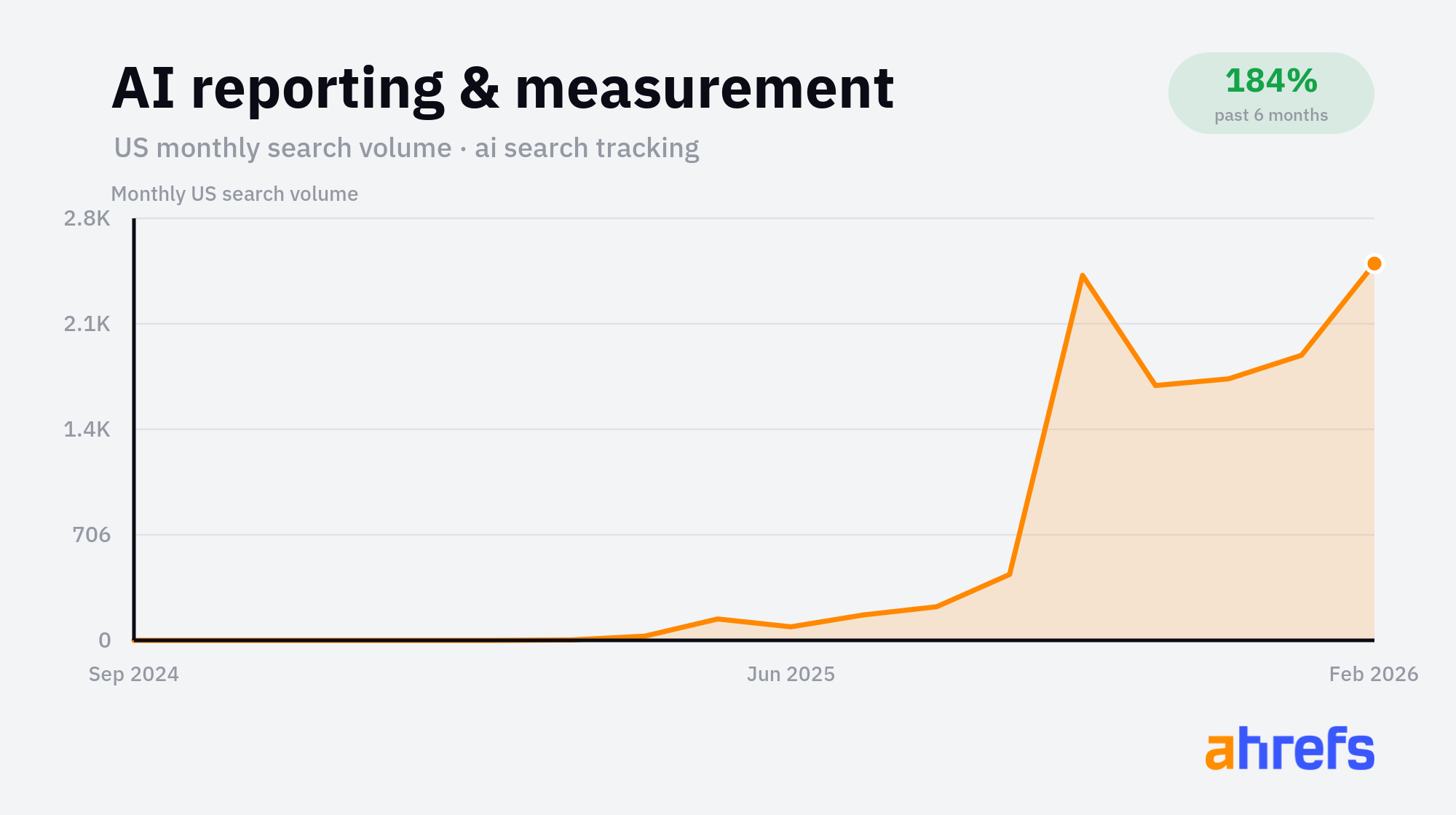
Since the launch of ChatGPT in late 2022, marketers have been intensely focused on understanding their brand’s visibility within AI-generated answers. The past year has witnessed an explosion in demand for AI visibility tools, with search queries like "AI search tracking" surging by 184% and "AI rank tracking" increasing by 175%. This indicates a growing imperative for businesses to quantify the return on investment (ROI) derived from their presence in AI search results.
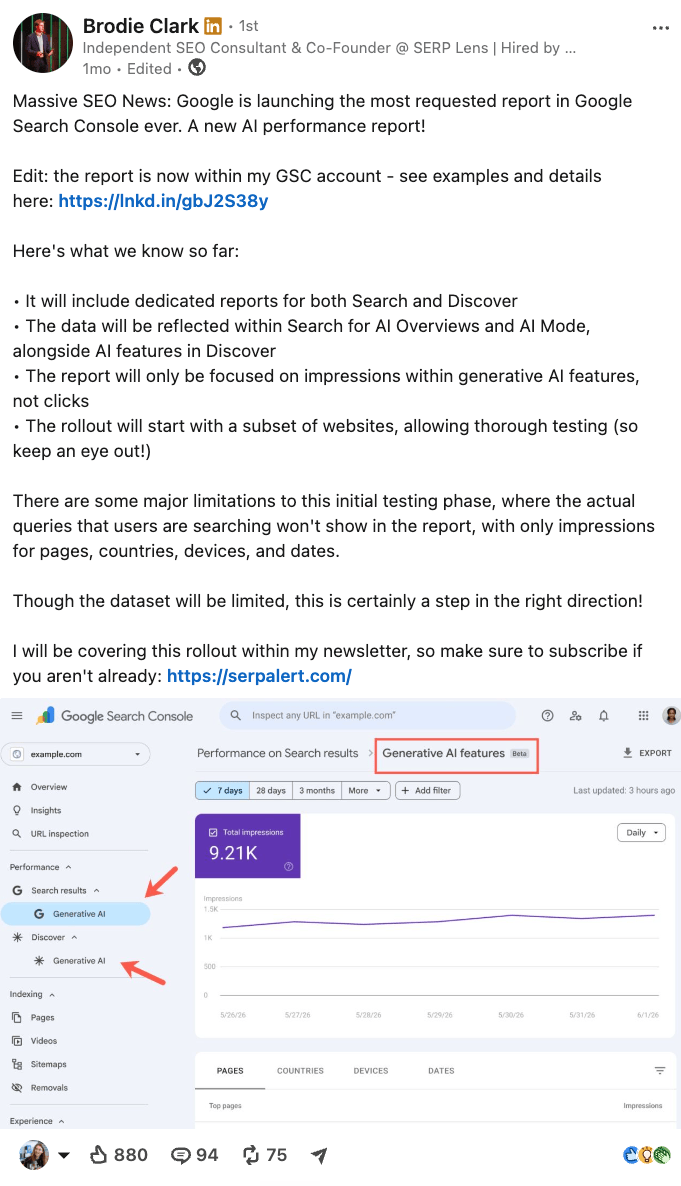
Google has responded by introducing an AI performance report in Search Console, segmenting visibility within AI Overviews and AI Mode. This report, described as the "most requested report in Google Search Console ever," underscores the strong appetite for any data related to AI visibility. However, the initial rollout has been met with limitations, notably the absence of click and query data, with only impression metrics being provided. This has led to industry-wide discussions comparing Google’s offering with Bing’s approach, which provides insights into the Retrieval Augmented Generation (RAG) queries powering its AI answers.
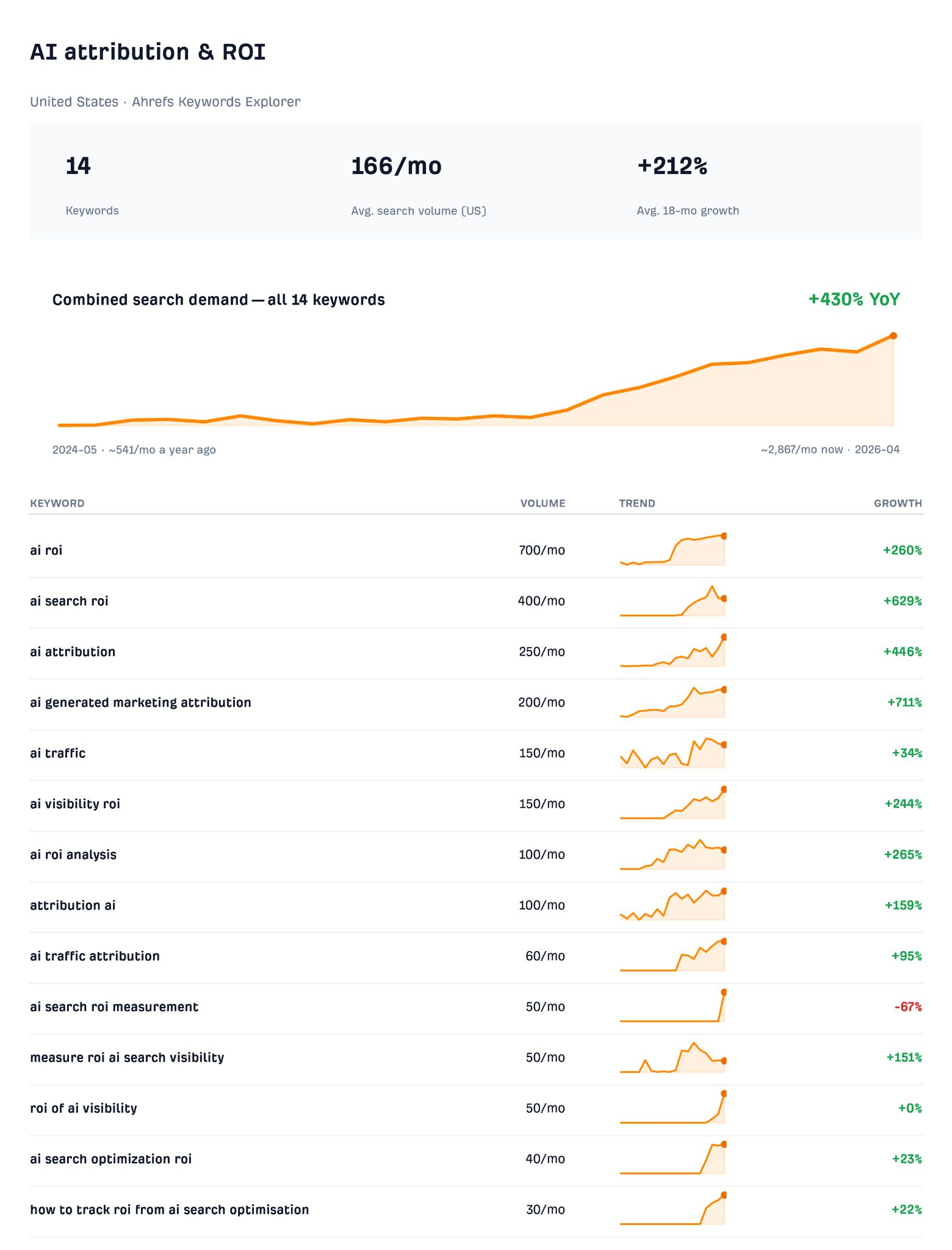
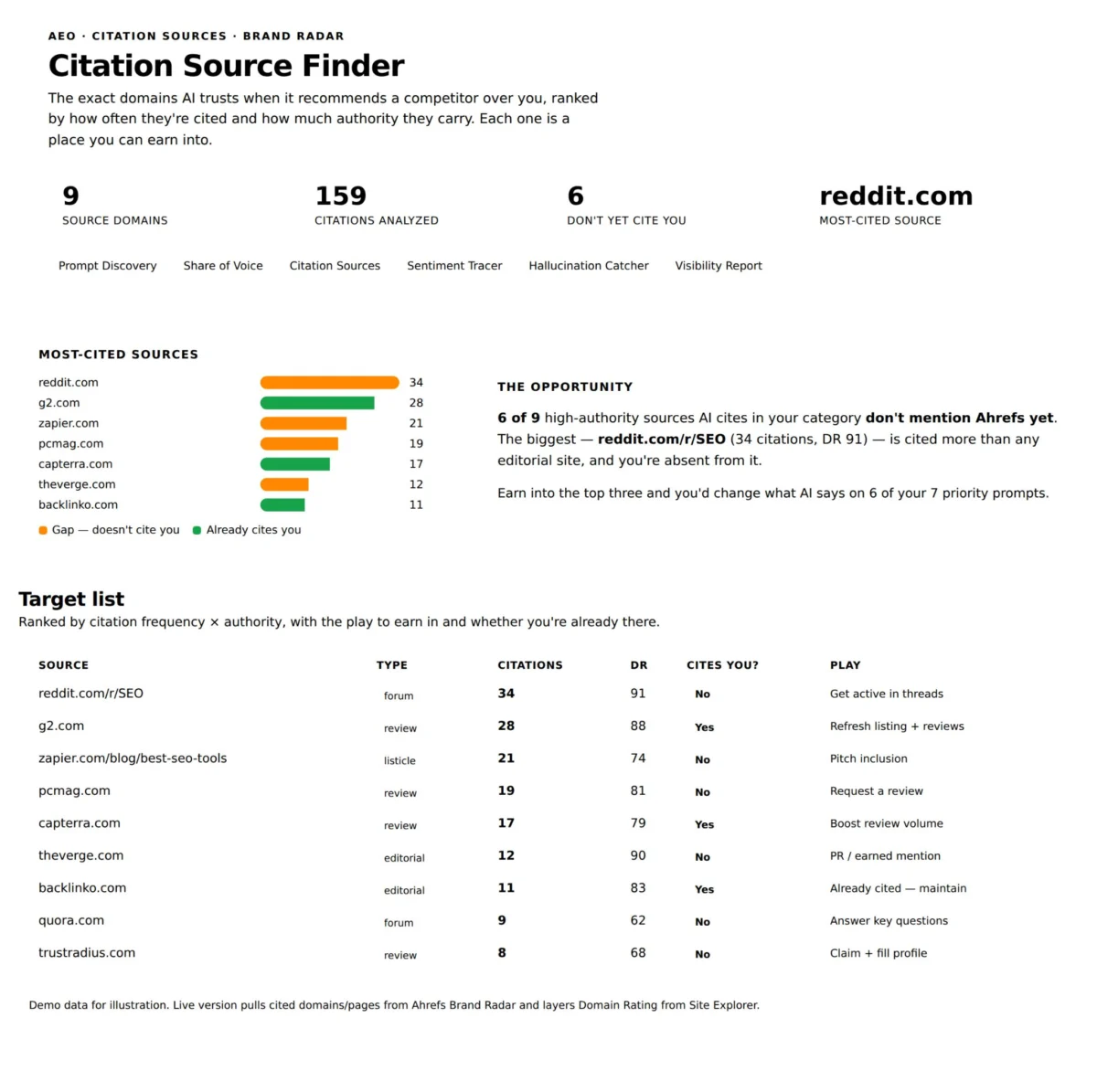
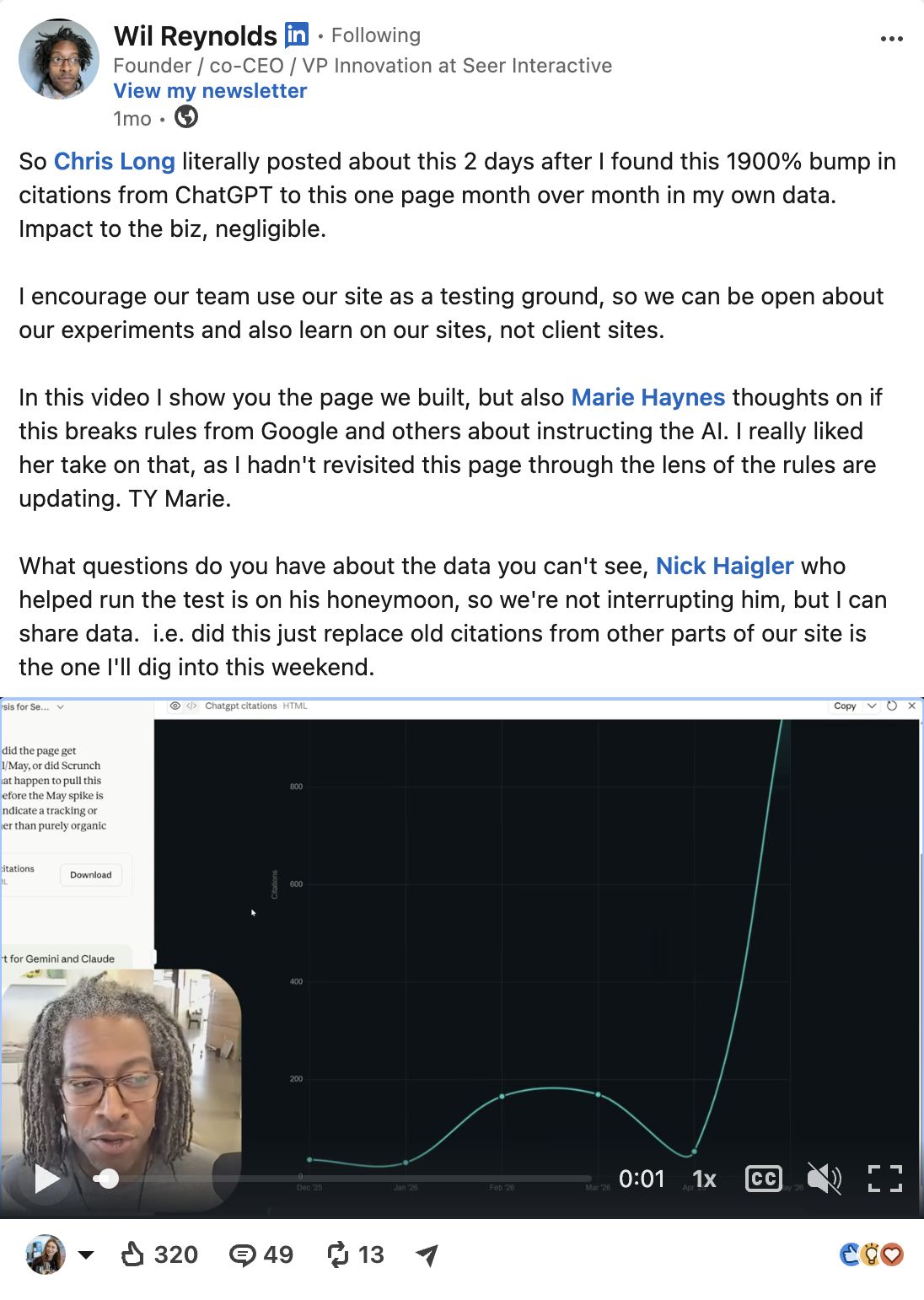
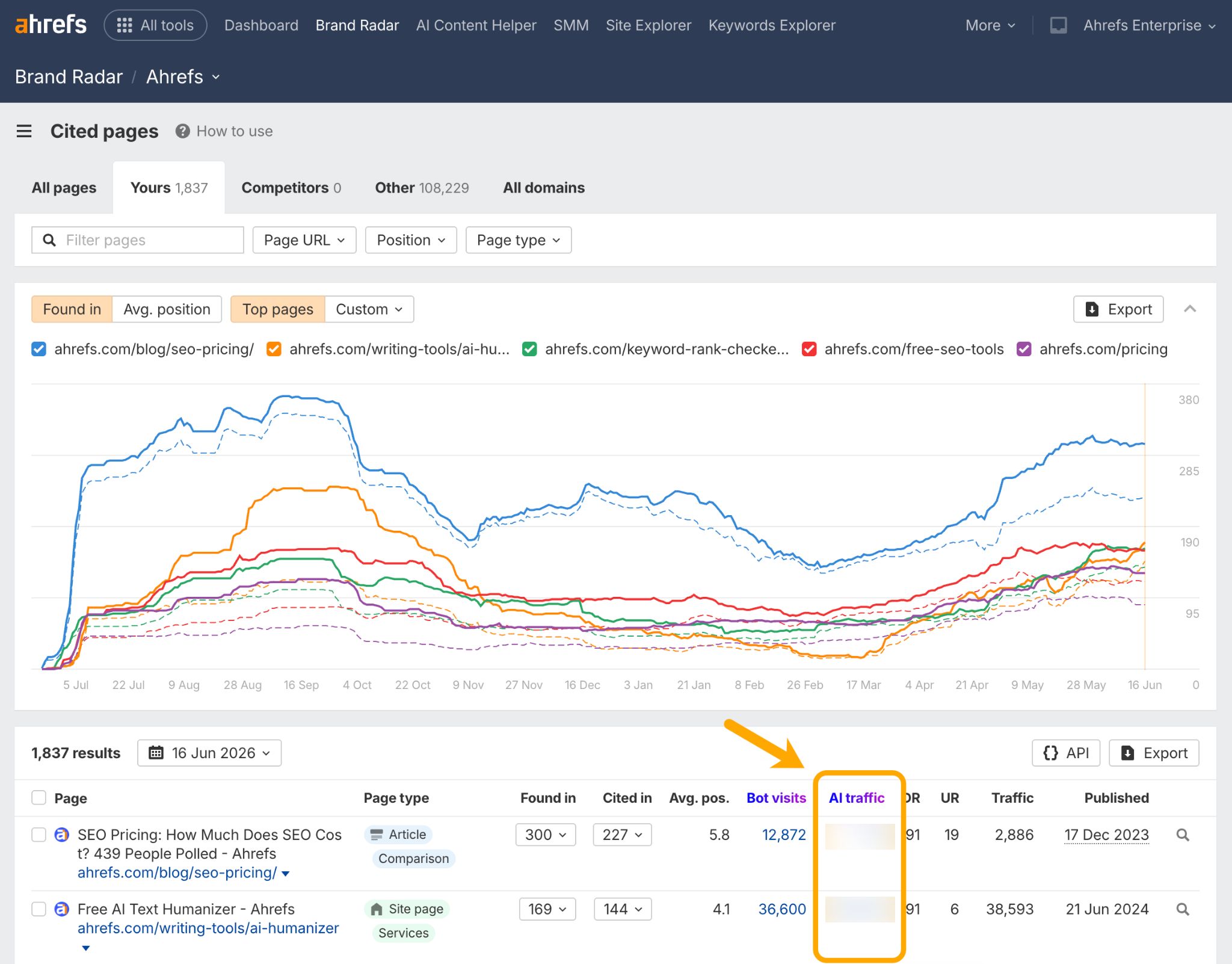
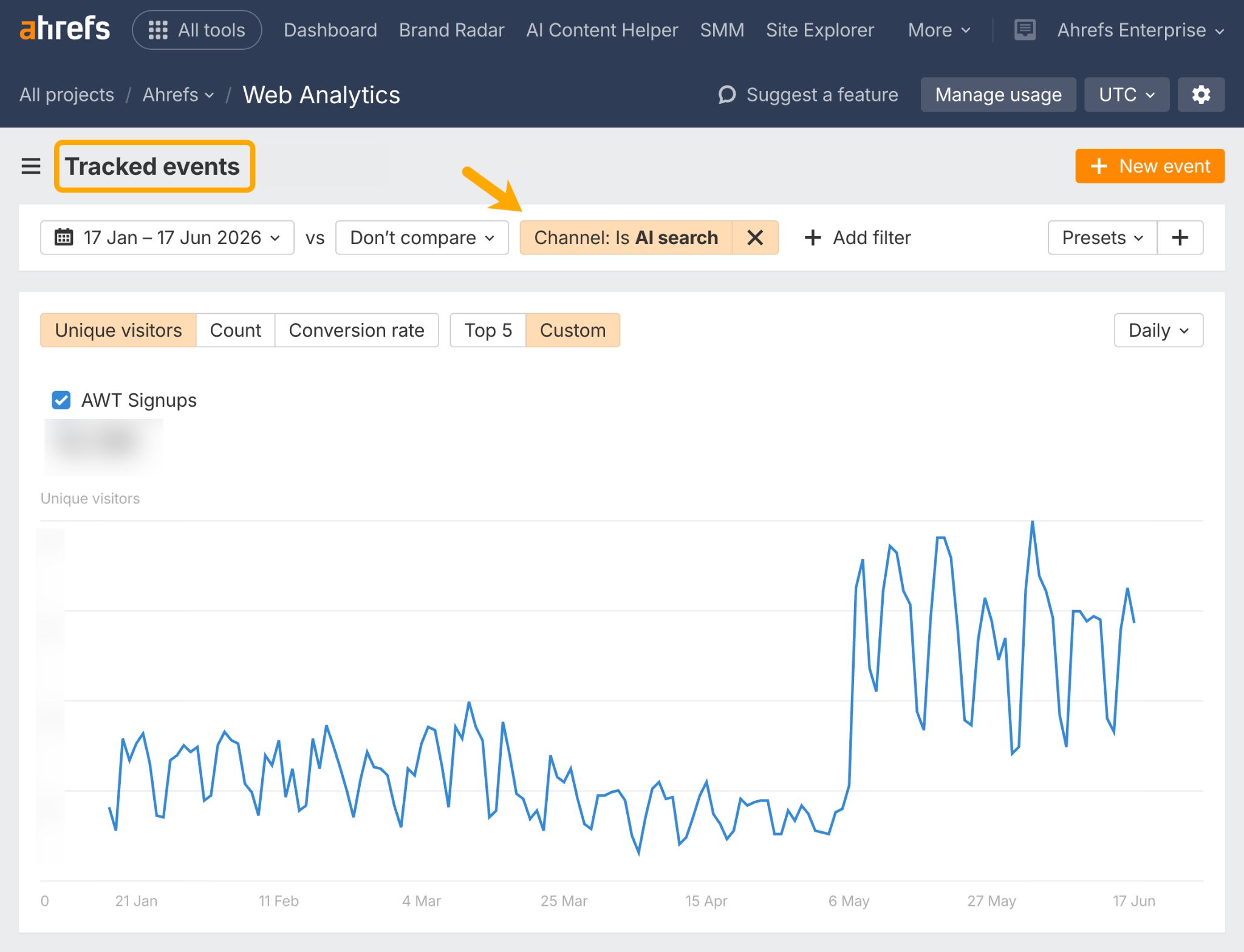
The consensus within the industry is that earning a citation within an AI answer is the most immediate and controllable method of achieving AI visibility, far more accessible than the elusive goal of being integrated into an AI model’s training data. Yet, surface-level citation data is no longer deemed sufficient. The critical question now being debated is the actual value of an AI citation: does it drive traffic and conversions, or is it merely a passive reference with no tangible business impact? Experiments, such as one shared by Wil Reynolds on LinkedIn, have shown dramatic spikes in AI citations to a single page, only to reveal minimal to no business impact, further fueling the shift from simply counting mentions to interrogating their actual worth. This evolving focus has spawned a new vocabulary centered around AI attribution and ROI, with a significant increase in related search queries. Tools like Ahrefs Brand Radar are now instrumental in identifying which cited pages are actually attracting AI-driven traffic, enabling marketers to track real events and conversions back to their AI sources.
2. Agent Optimization Emerges as a Hot Topic
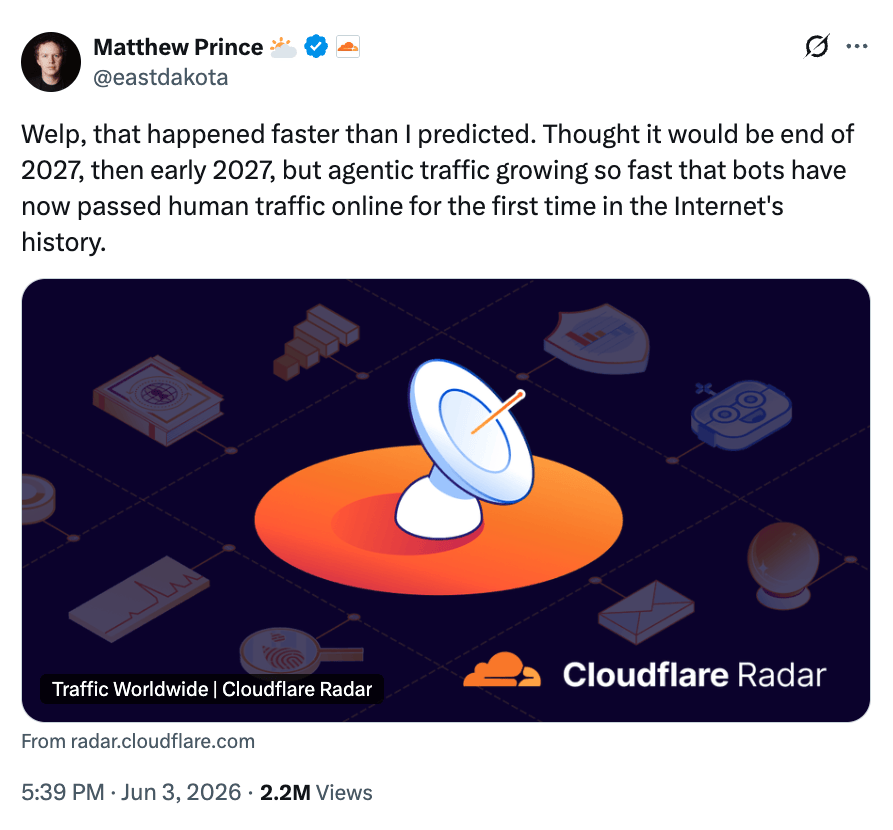
A significant and growing portion of the audience engaging with online content are not human users but AI agents. In June 2026, Cloudflare CEO Matthew Prince announced that agentic (bot, crawler, agent) traffic had surpassed human traffic online for the first time. This surge in agentic AI has, in turn, spurred the development of a new set of searches focused on optimizing web pages for these agents. Terms such as "llms.txt" and "agentic SEO" are gaining traction as marketers seek to ensure their content is parsed and acted upon by AI.
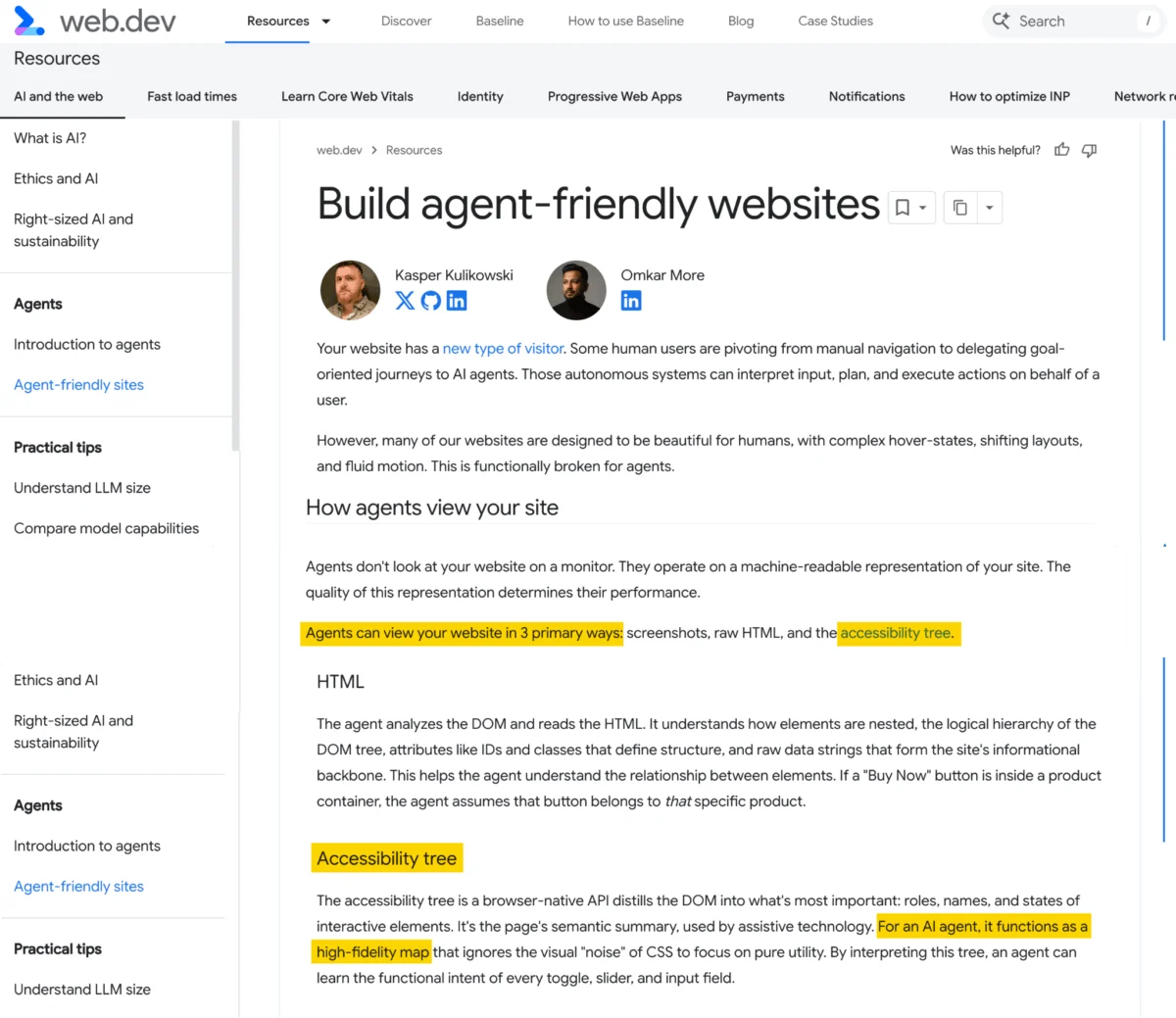
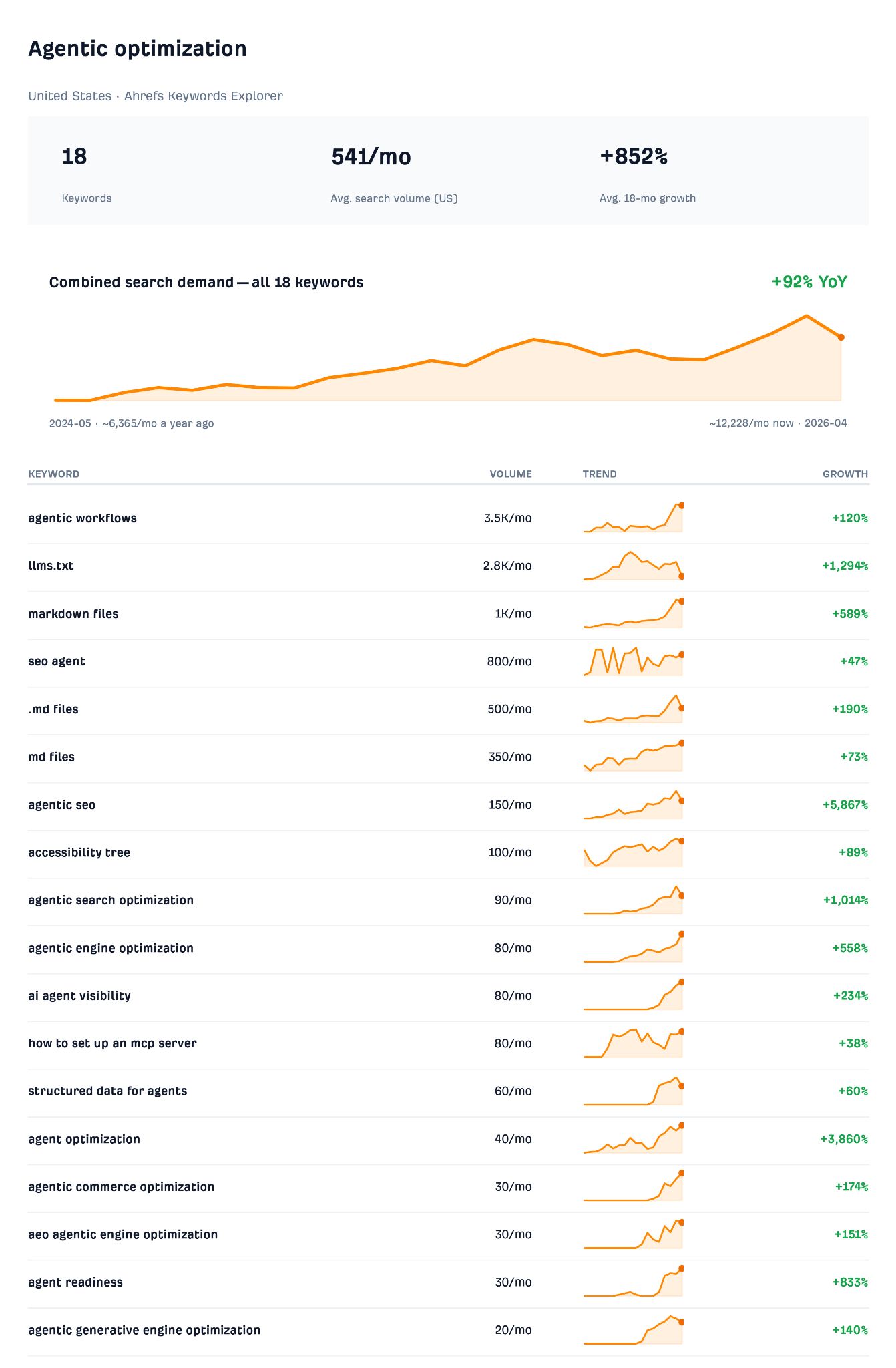
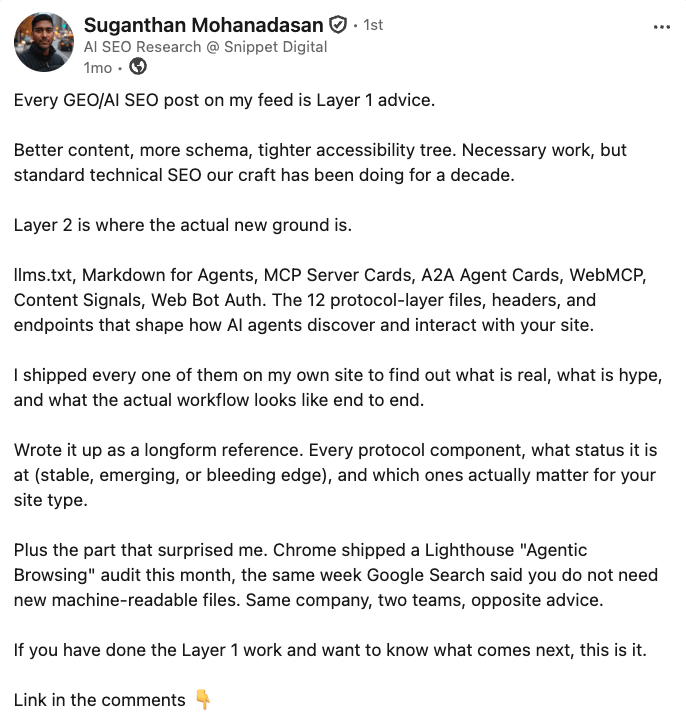
This trend is driven by several factors. Methods like llms.txt, markdown files, and the accessibility tree are being explored as ways to clearly communicate page content to agents, which can struggle with complex JavaScript rendering or inferring meaning from visual layouts. Llms.txt has been a subject of industry debate regarding its efficacy in improving AI visibility, while markdown files are gaining popularity as a means for agents to bypass rendering entirely. The accessibility tree, originally designed for screen readers, has also seen increased interest following Google’s recommendation for developers to optimize for it.
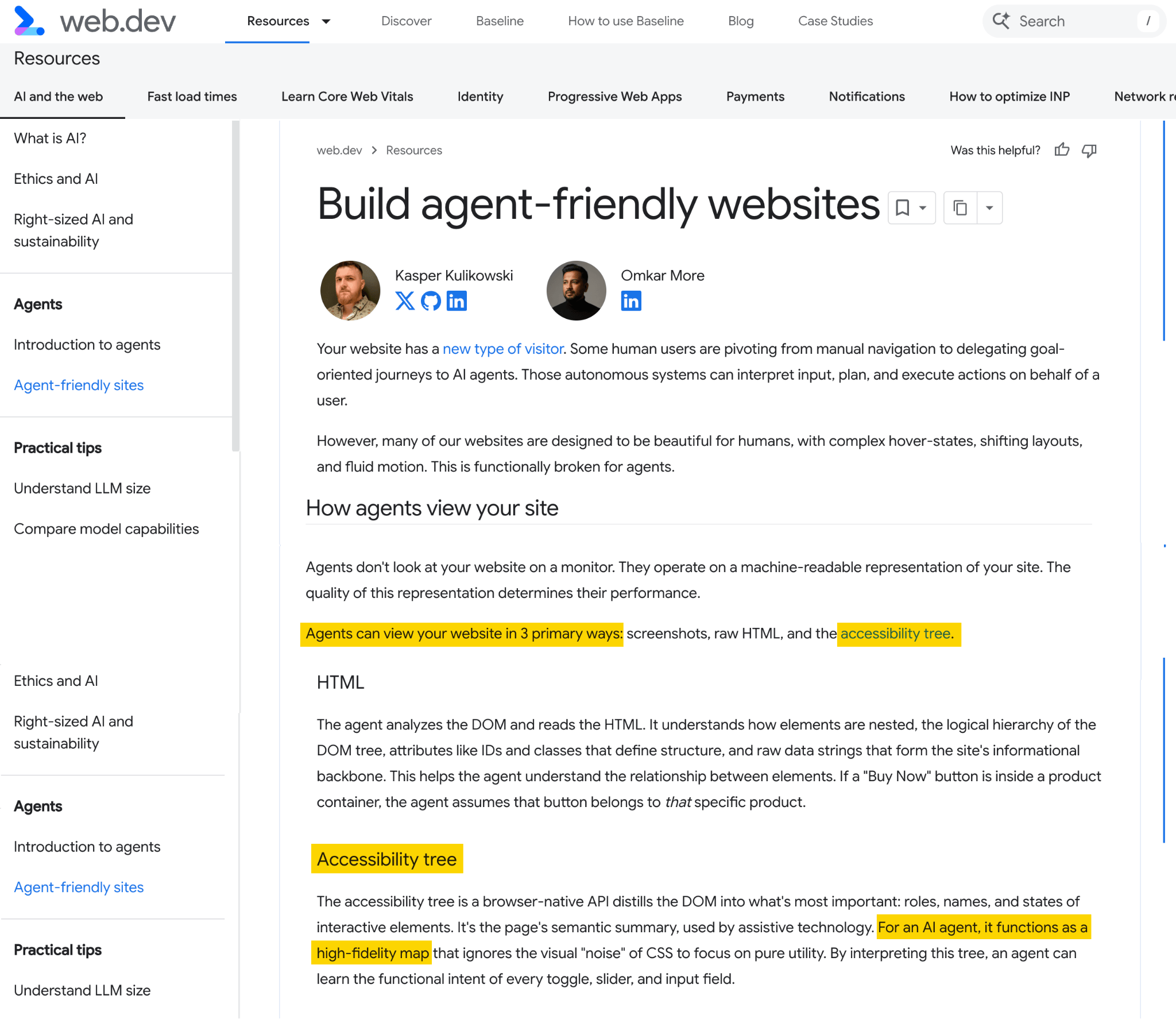
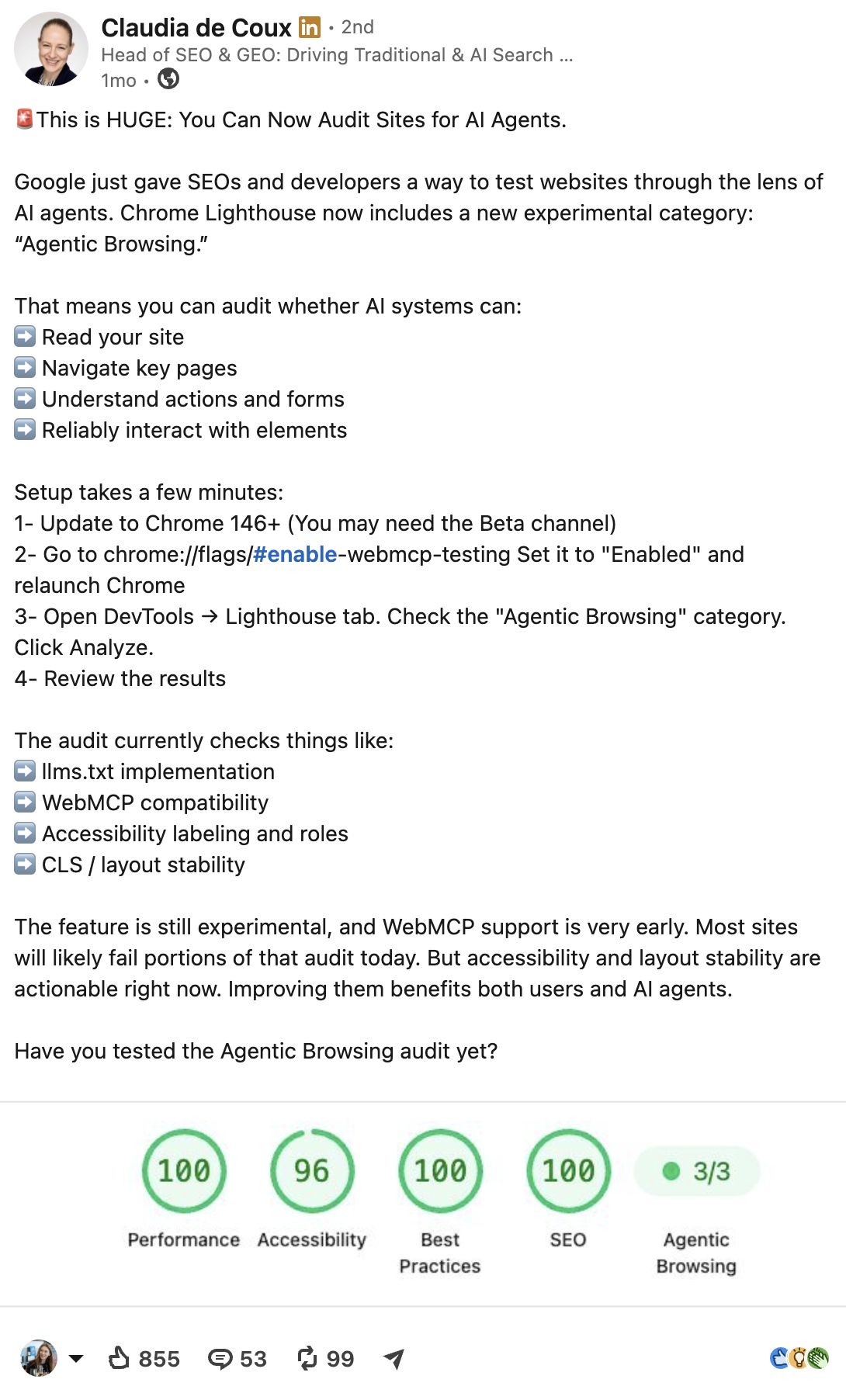
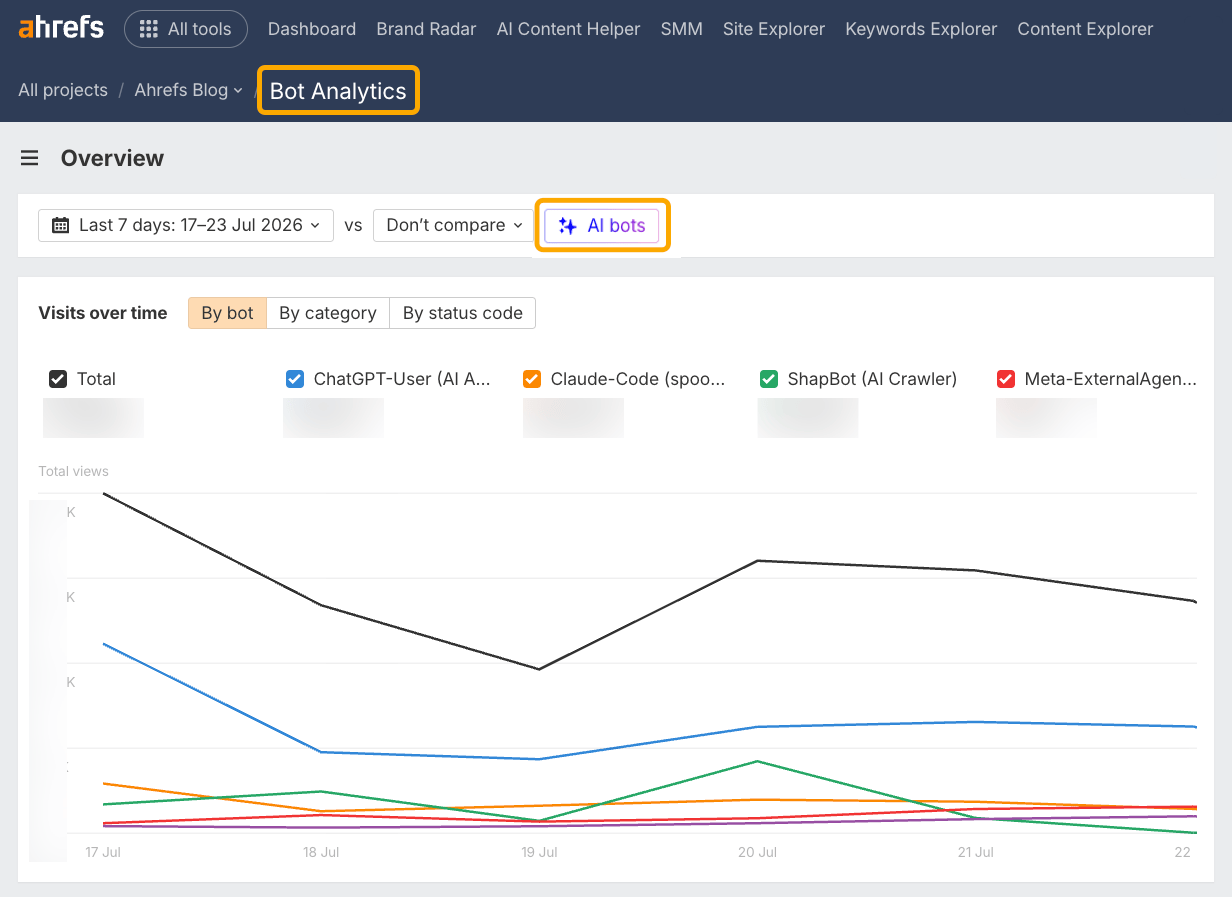
Further solidifying this trend, the Chrome team has introduced an experimental "Agentic Browsing" category in Lighthouse and PageSpeed Insights. This audit assesses how well an AI agent can read and interact with a page, mirroring the performance audits familiar to SEO professionals. The development has sparked considerable discussion on platforms like LinkedIn, with many questioning whether agentic readiness will follow a similar trajectory to Core Web Vitals, evolving from an audit metric to a ranking factor. While the long-term impact remains uncertain, the current focus on agentic optimization is expected to continue driving search volume and discussion. Tools like Ahrefs Bot Analytics are now crucial for understanding which AI agents are accessing websites and how frequently, providing a foundational step in optimizing for AI visibility.
3. Traffic Loss to AI Search Transforms from Panic to Planning
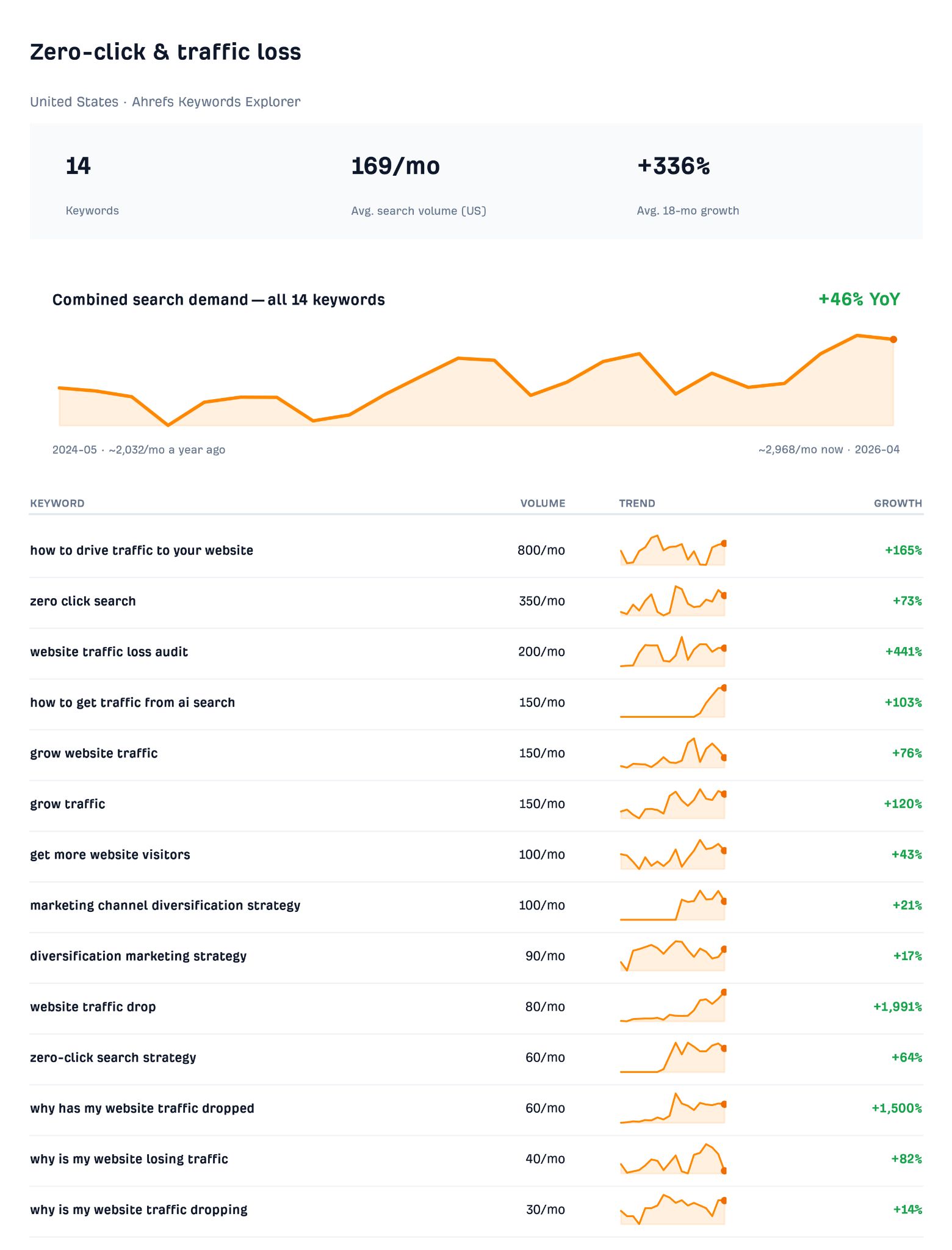
As AI search increasingly provides direct answers on search result pages, a corresponding decline in click-through rates to websites is becoming apparent. Over the past year, marketers have transitioned from widespread concern about this phenomenon to a more proactive approach focused on diagnosis and strategic planning. Searches for "zero-click search strategy," traffic loss audits, and queries like "why is my website traffic dropping" are all on the rise, reflecting a concerted effort to find solutions.
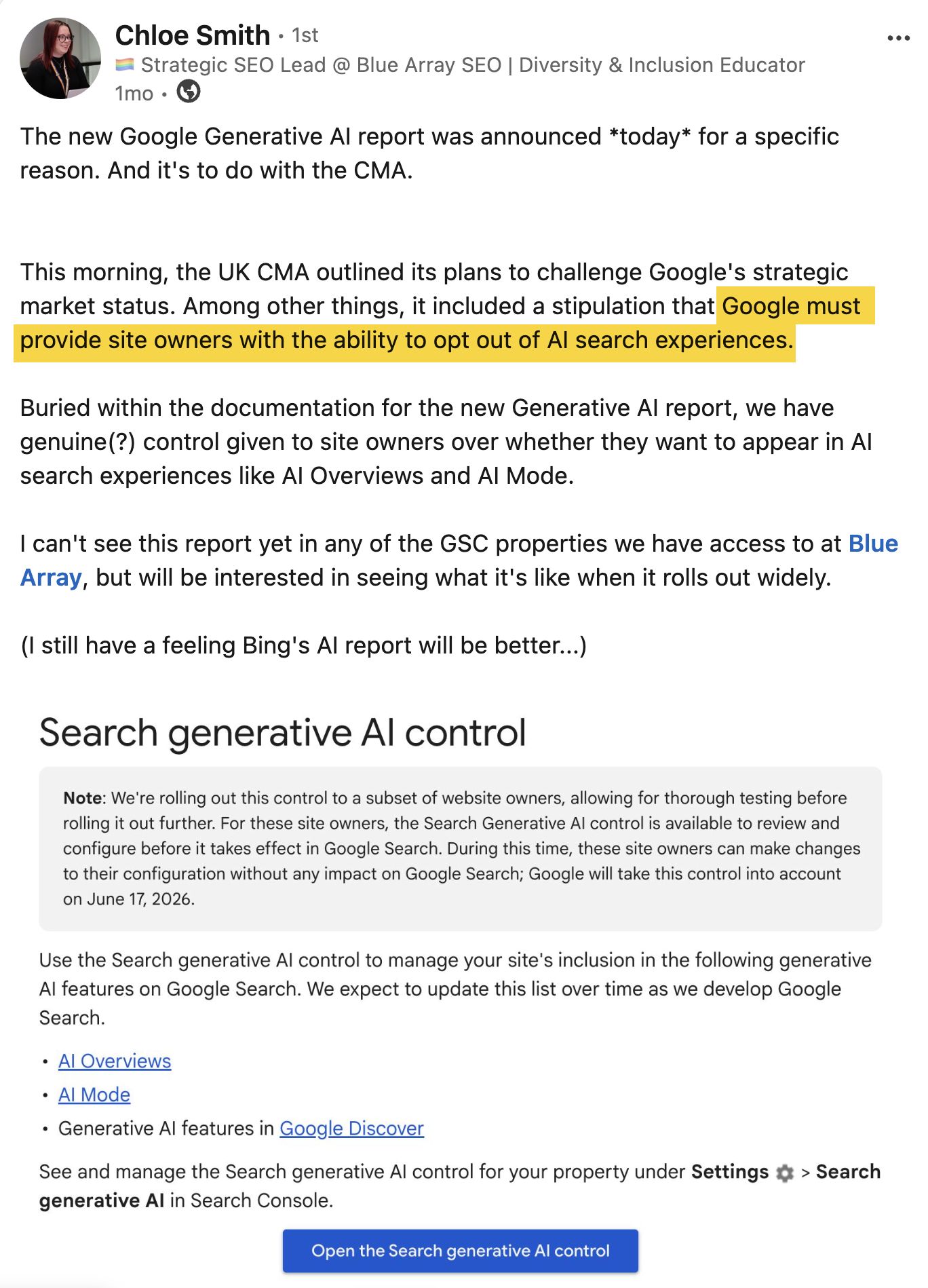
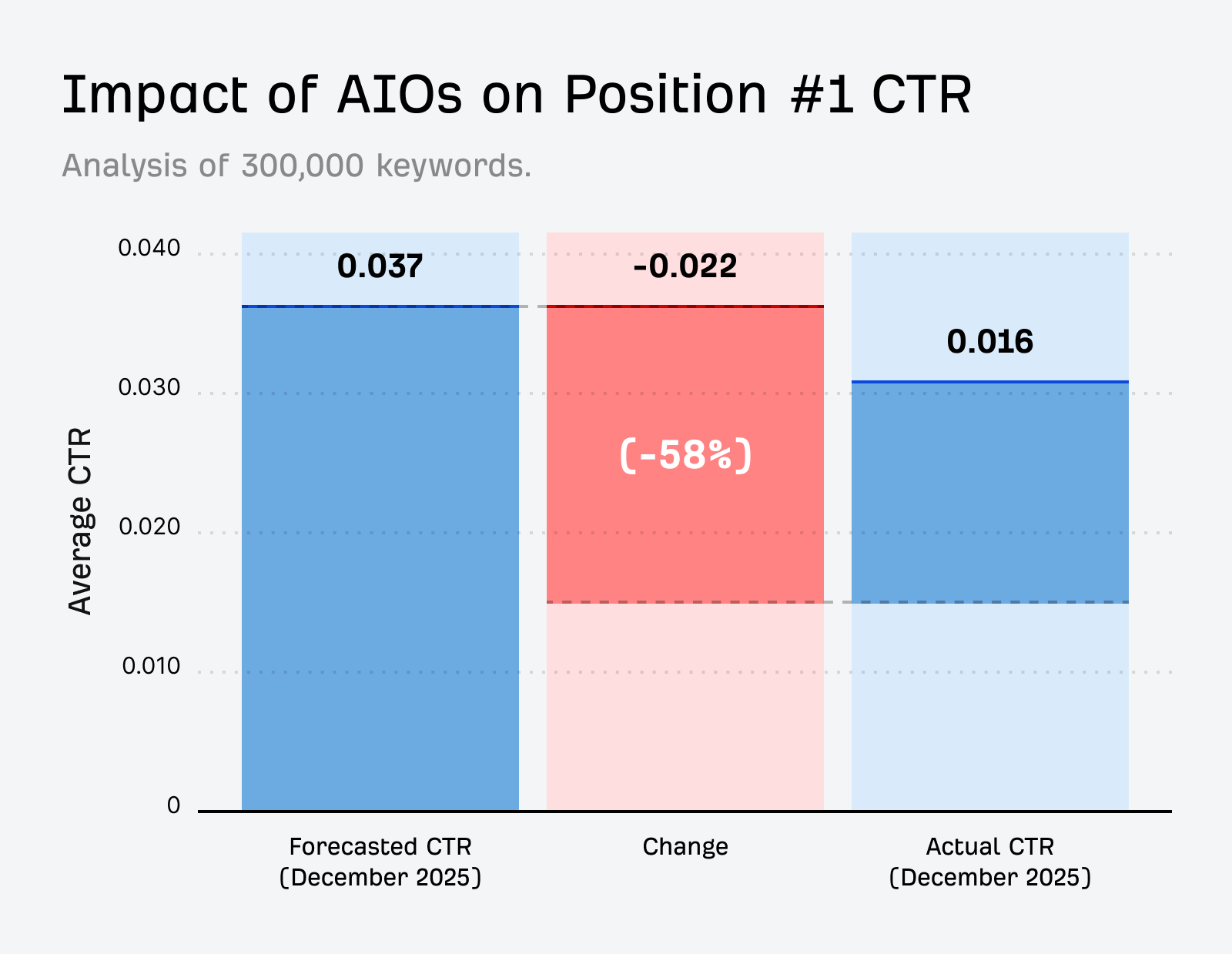
The imbalance where search engines leverage website content for AI answers with a reduction in traffic is now being addressed by regulatory bodies and legal challenges. Google’s introduction of a Generative AI performance report in Search Console coincided with the UK’s Competition and Markets Authority outlining plans to scrutinize Google’s market position, including demanding options for site owners to opt out of AI Overviews and AI Mode. Google’s subsequent development of a toggle within Search Console allows users to exclude their sites from these features. However, this is largely perceived as a response to regulatory pressure rather than a proactive measure, and the fundamental challenge remains: opting out of AI search means forfeiting potential traffic, the extent of which is still largely unknown due to Google’s continued withholding of detailed click data. Ahrefs’ own estimates suggest that AI Overviews can lead to a significant click loss of approximately 58%.
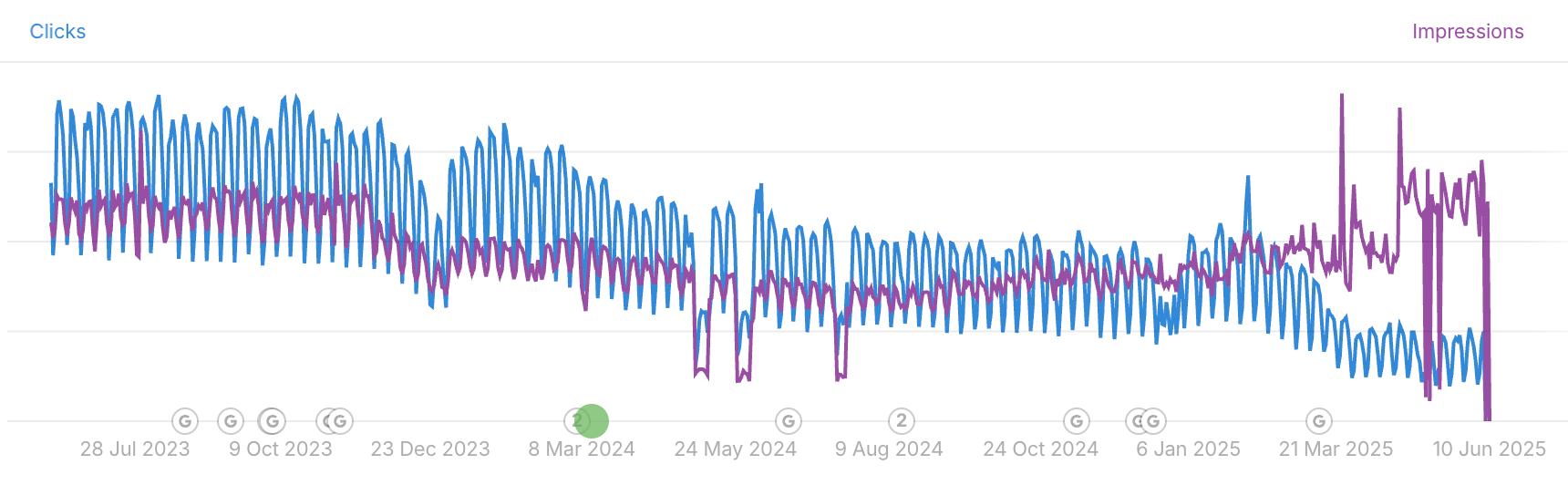
Many websites are hesitant to opt out of AI search features without concrete data on the potential traffic loss, especially as regulatory bodies advocate for Google to provide more transparent CTR data. In parallel, a landmark ruling in Munich declared that Google’s AI Overviews constitute "Google’s own words," making the company liable for any inaccuracies. This ruling implies that if search engines aim to provide answers directly, they must assume responsibility for the content of those answers. While this development offers a more optimistic outlook for organic traffic by holding search engines accountable for their use of AI, the immediate challenge of diminishing traffic persists. Marketers are actively exploring strategies for recovery, including diagnosing the extent of traffic loss and diversifying marketing channels. Tools like Ahrefs Site Explorer and Search Console data within Ahrefs can help identify pages that have experienced significant organic traffic decline, particularly those exhibiting a "crocodile mouth" pattern where rankings and impressions remain stable while clicks plummet—a clear indicator of AI Overviews intercepting traffic rather than a genuine ranking issue. These pages serve as a starting point for recovery efforts, whether through content updates, strategic repurposing, or rebuilding content around queries that AI cannot fully answer.
4. The Ongoing Debate Over the Definition of GEO/AEO/SEO
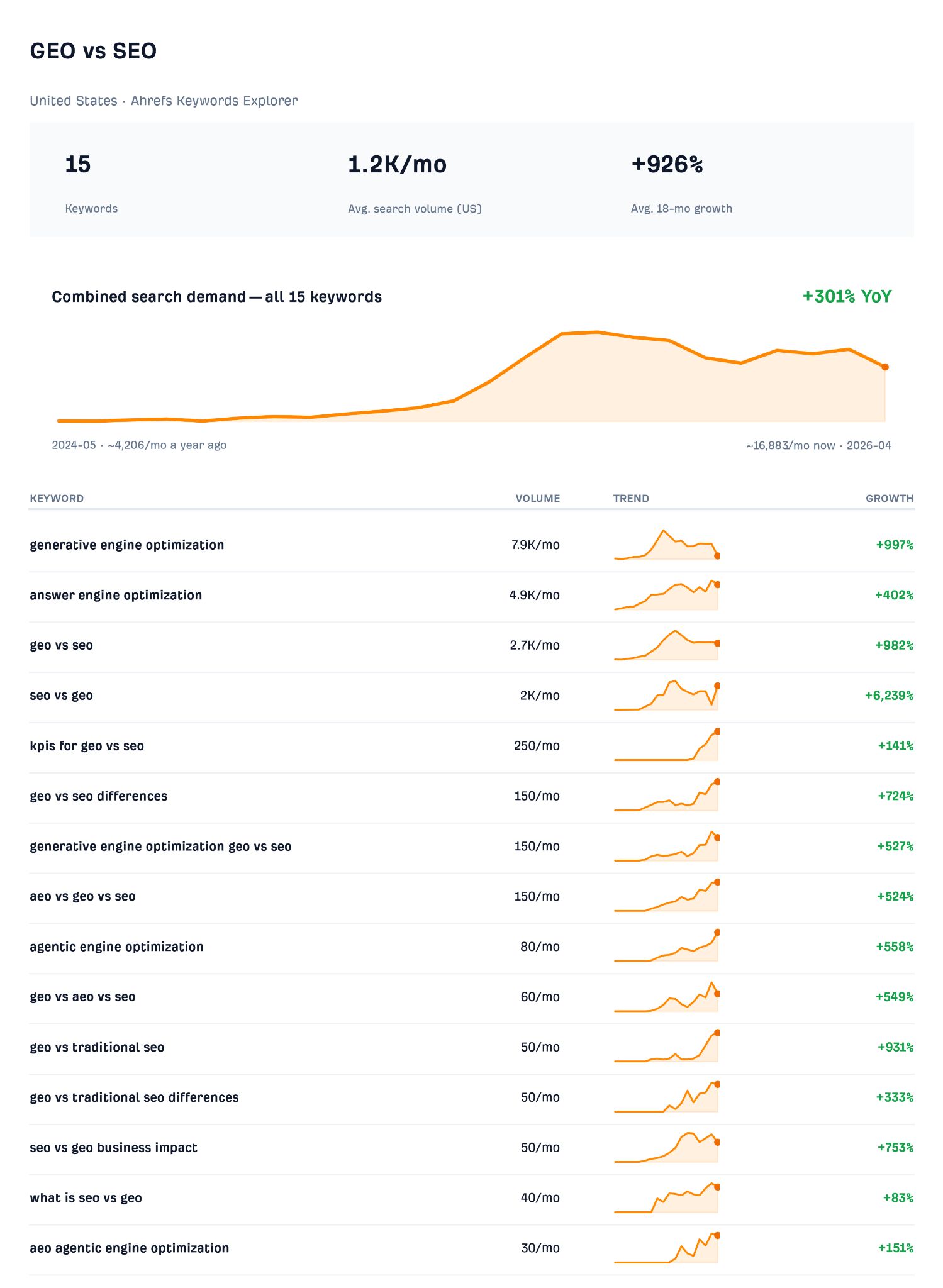
The debate surrounding the terminology for achieving visibility in AI search continues, with marketers still divided on how to define and label this evolving discipline. Over the past year, the vocabulary has become increasingly fragmented. Addy Osmani, Director at Google Cloud AI, has proposed a new meaning for AEO, shifting it from "Answer Engine Optimization" to "Agentic Engine Optimization," which has emerged as a breakout keyword with significant search volume. Regardless of the specific terminology used, search volume for related terms like "generative engine optimization" and "geo vs seo" has surged, indicating a growing interest in this area.
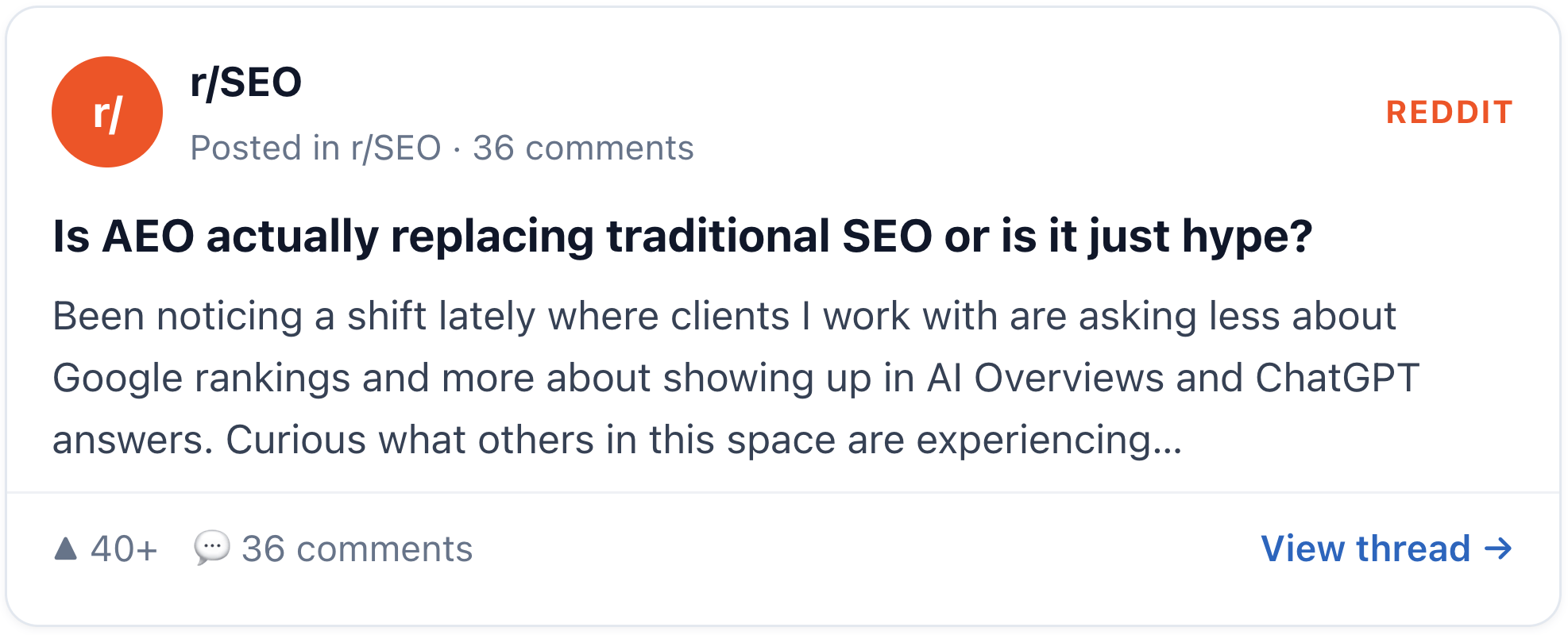
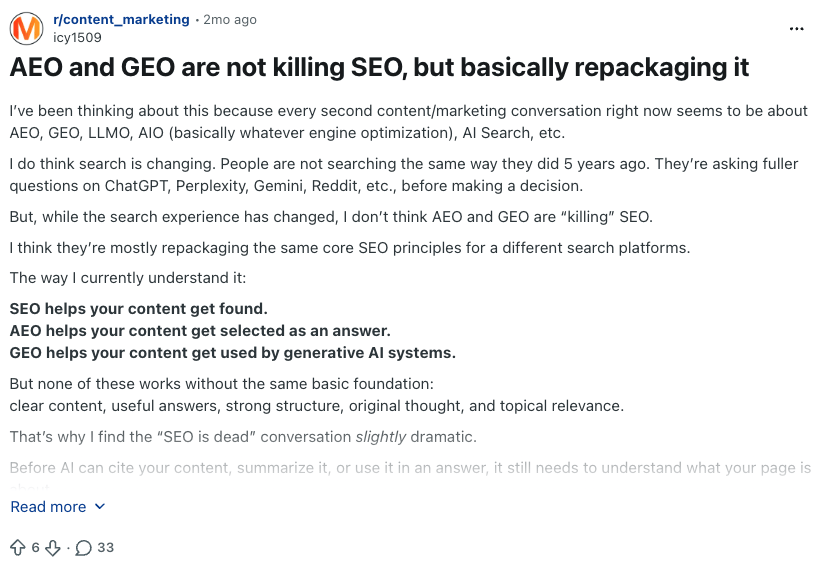
Discussions on platforms like Reddit highlight the industry’s ongoing efforts to understand whether AI-specific optimization strategies are truly replacing traditional SEO or if they represent a repackaging of existing principles. Some experts argue that the novelty lies in the protocols rather than the renaming of fundamental SEO concepts. Conversely, others suggest that typical "GEO tactics" may not yield the desired results, citing studies where pages optimized with these methods performed worse than untouched pages in AI engine citations. As AI search remains a developing field, marketers continue to experiment with both novel and established strategies to enhance their AI visibility, ensuring that the debate over SEO vs. GEO will likely persist.
5. Programmatic SEO Experiences a Resurgence
Programmatic SEO, while not a new strategy, has been revitalized by the advancements in AI. The ability to generate scaled content rapidly and cost-effectively has led to a widespread embrace of programmatic approaches. Search volume for "programmatic SEO" has increased significantly, with related terms like "content automation" and "automated content creation" also showing growth.
While this trend may not be the most dominant, anecdotal evidence suggests a surge in social media discussions around programmatic content. However, much of this attention is cautionary, driven by Google’s recent crackdowns on content created primarily for scale rather than user value, as evidenced by the March and June Spam Updates. Companies that scaled their content to thousands of pages have reportedly seen their rankings significantly impacted. Experts highlight that certain page types can become liabilities at scale, leading to penalties in algorithm updates.
Despite these warnings, not all agree that programmatic SEO is inherently detrimental. The argument for scaling non-textual content, such as tools like calculators, converters, and generators, is gaining traction. Ahrefs’ own free tools, for instance, consistently rank as high-traffic pages and have maintained their performance even as AI answers affect click-through rates. The reasoning is that users often seek to "do" rather than "read," and tools are more resistant to being summarized out of existence by AI. The ongoing development of AI will likely sustain interest in programmatic strategies, with both successful implementations and cautionary tales continuing to fuel industry conversations.
In conclusion, the overarching theme across these AI search trends is a demand for proof. Marketers are seeking tangible evidence that AI citations lead to conversions, that AI agents can effectively parse web pages, and that scaled content will not negatively impact their domain’s performance. Each of these emerging trends began as informal discussions that have now coalesced into distinct search clusters. Monitoring these niche topics closely is key to anticipating future trends in the dynamic landscape of AI search.