 11
11
The SEO industry has rapidly recognized the potential to influence Artificial Intelligence (AI) through strategically crafted self-promotional content, such as product reviews and "best of" lists. The underlying strategy is straightforward: publish content that includes a brand, hoping AI systems will reference it when generating recommendations. Two recent studies have delved into the effectiveness of this approach.
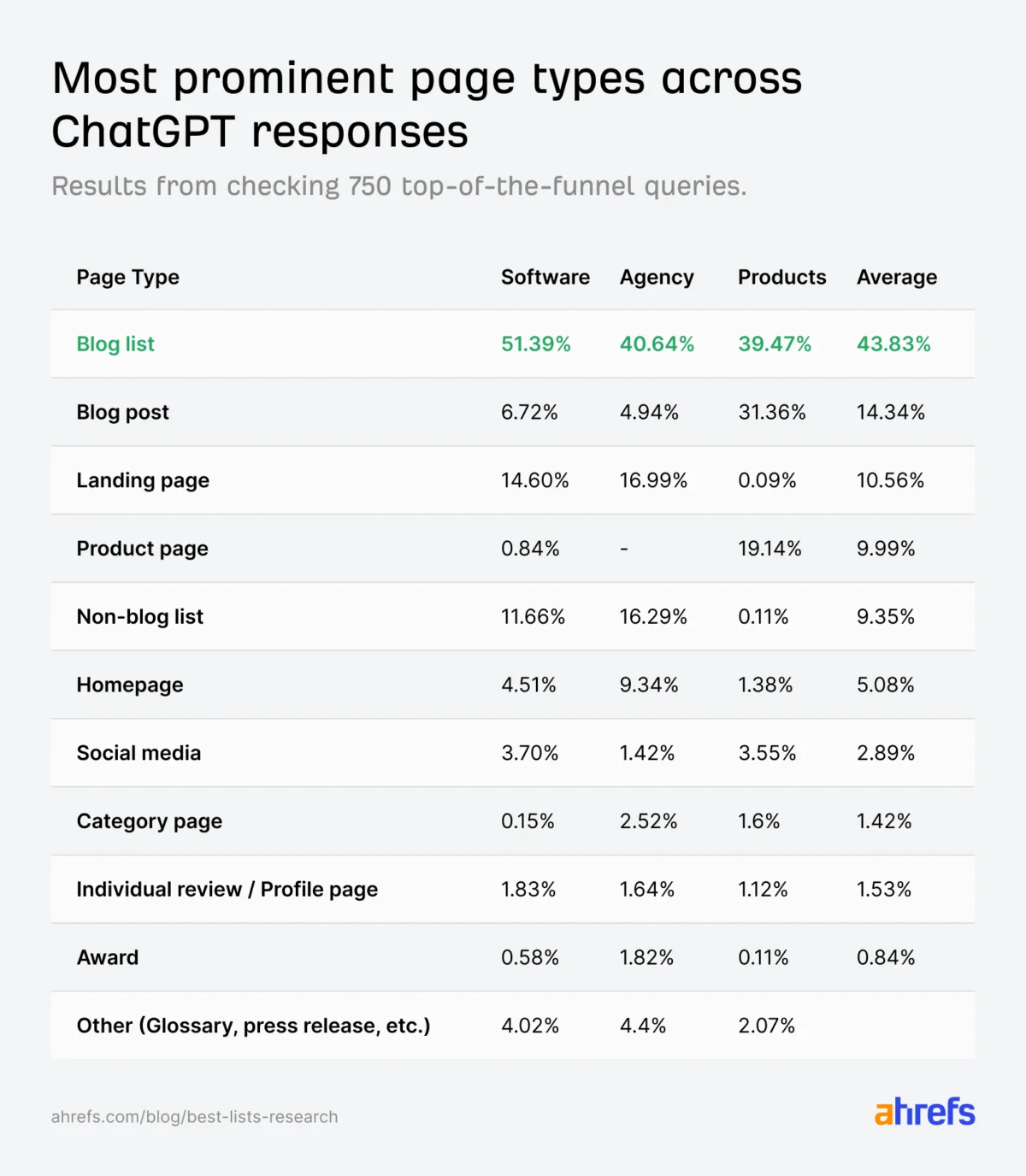
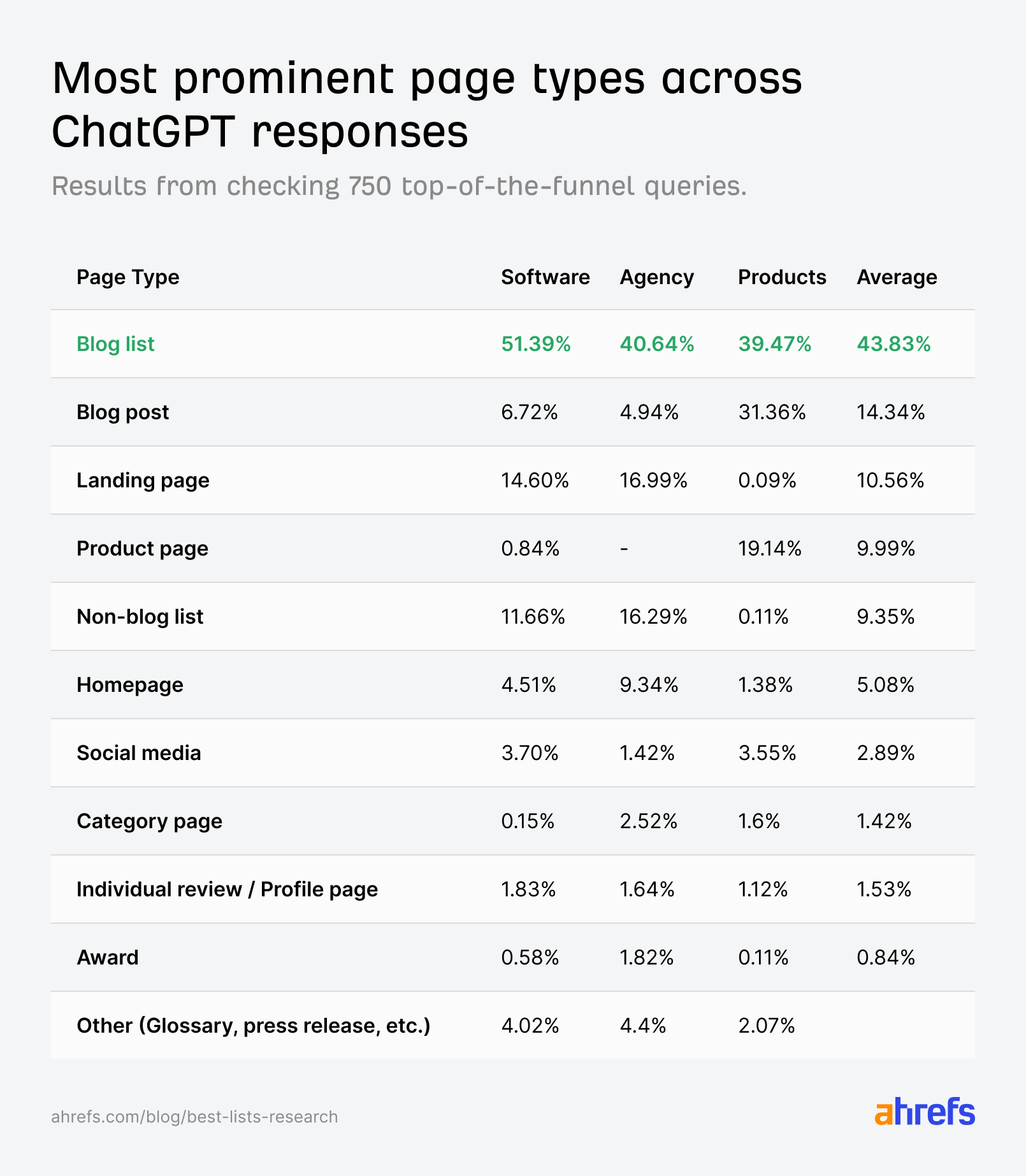
Glen Allsopp’s analysis of 750 ChatGPT prompts revealed that "best [category]" listicles were the most frequently cited source type in AI-generated answers, indicating a clear utilization of this content by AI systems. However, Lily Ray’s research uncovered a significant limitation. While these listicles were often cited as sources in Google’s AI Overviews, the AI frequently recommended competing brands, highlighting a distinction between being cited and being recommended.
These studies provided a snapshot, with Ray’s research focusing solely on Google. This left a broader question unanswered: across major AI assistants used for recommendations—ChatGPT, Gemini, Perplexity, and Copilot—does this tactic effectively lead to brand recommendations, and does its impact endure over time? To address this, an experiment has been tracking this phenomenon since February 2026, yielding significant insights.
Key Takeaways:
Methodology:
The experiment involved tracking custom prompts and specific pages across major AI assistants, including ChatGPT, Gemini, Perplexity, and Copilot. The methodology focused on analyzing when a brand was mentioned, cited, or simply found by the AI, comparing these instances against a baseline before the self-promotional content was published. Tools like Ahrefs’ Brand Radar were employed to monitor these interactions, allowing for the identification of trends in citation and recommendation patterns. The study specifically looked for instances where AI assistants began mentioning a brand in response to queries where it was previously absent, and whether the self-promotional content was cited as the source.
When Self-Promotional Content Worked:
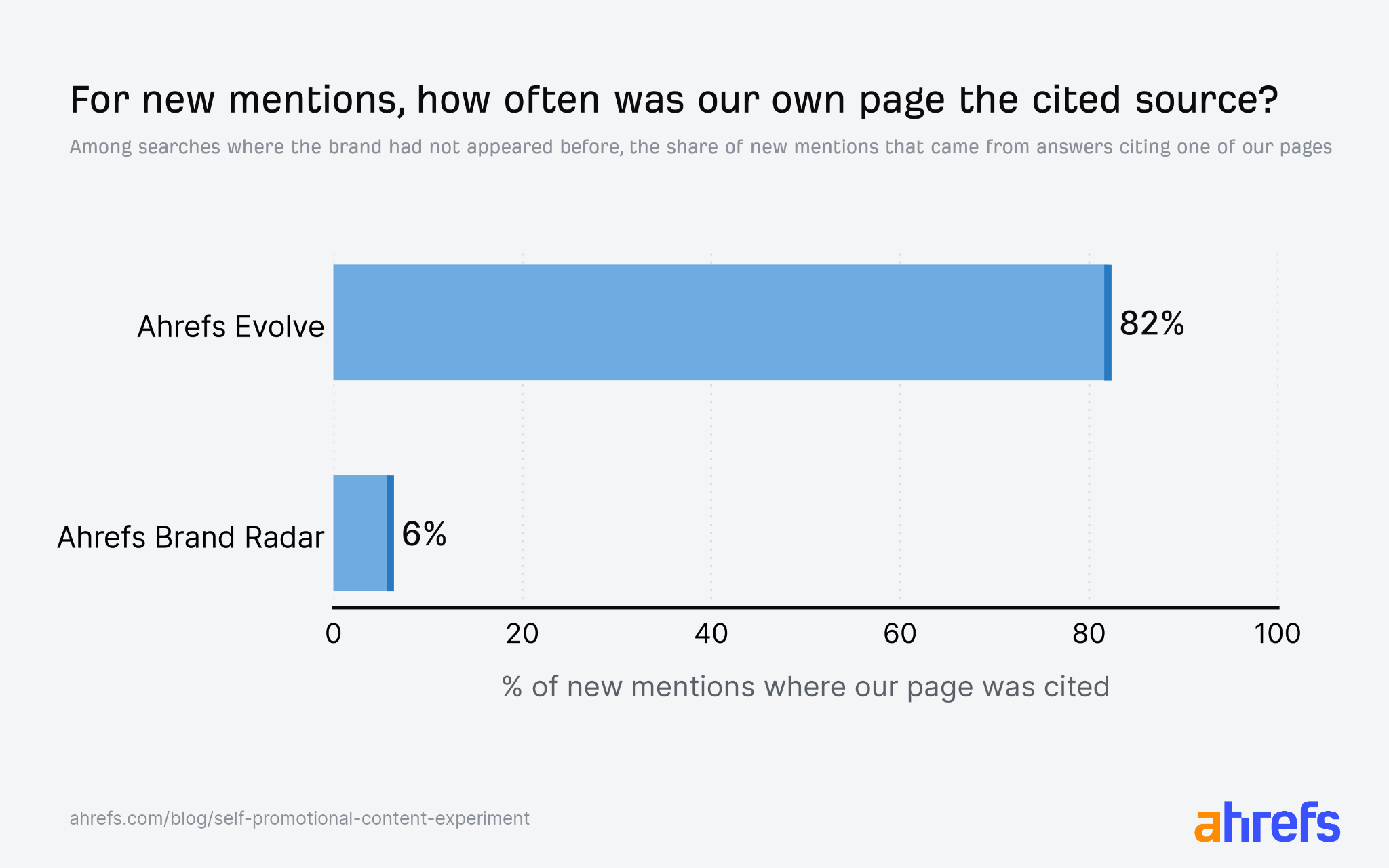
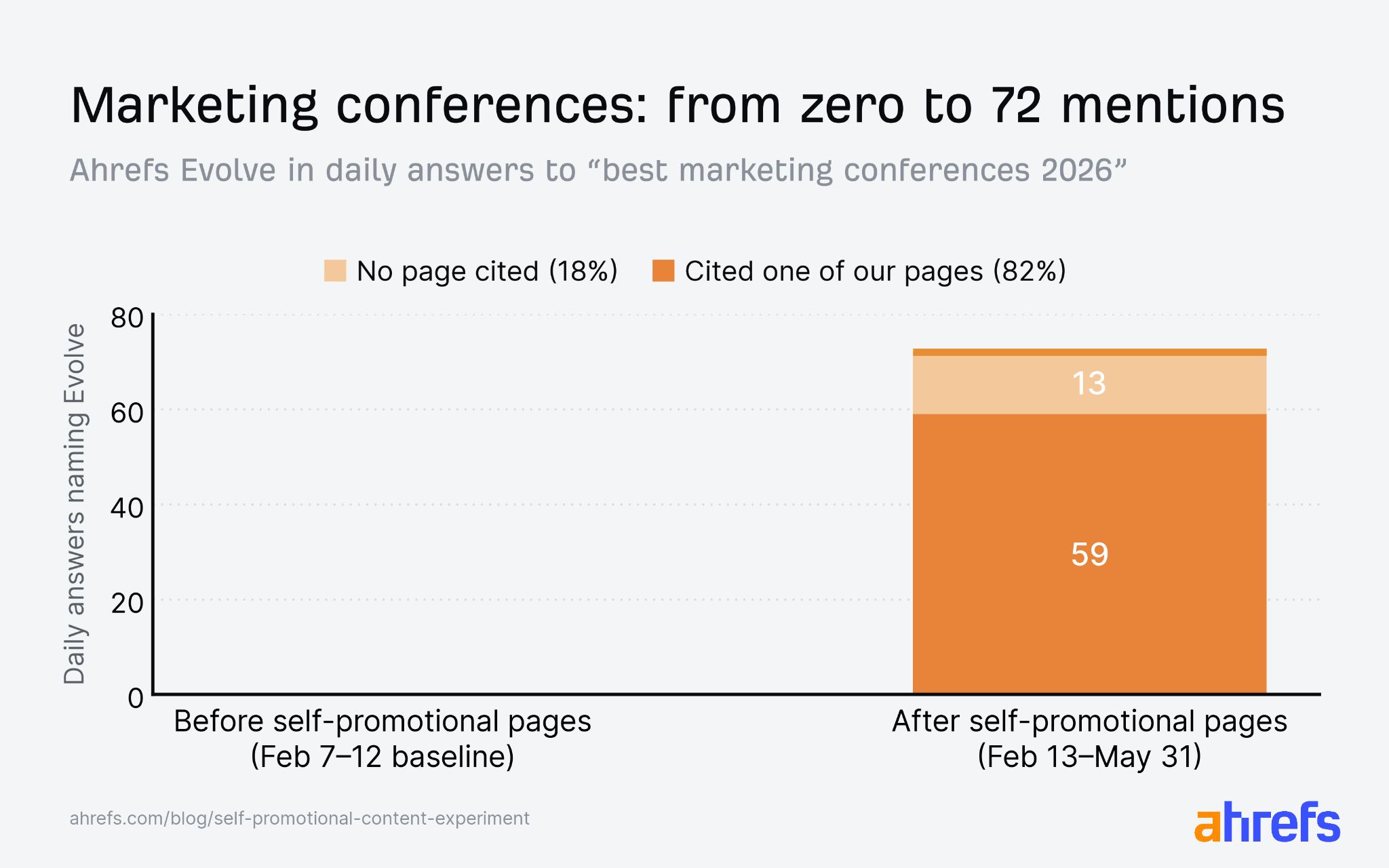
The clearest positive outcome emerged from the launch of "Ahrefs Evolve," a new SEO and AEO conference. By examining instances where AI assistants previously did not mention the brand at all for specific queries, it was observed that after the Evolve pages went live, the conference broke into 72 previously empty slots. Of these new mentions, 82% appeared in answers that cited one of the Evolve pages. This provides strong evidence that the content directly contributed to the brand’s presence, with the Ahrefs Evolve page being the cited source in four out of five cases where the brand went from absent to present.
In contrast, promoting "Ahrefs Brand Radar," an established product, yielded different results. Since Ahrefs is already a well-known brand, AI assistants frequently mentioned it across relevant searches, irrespective of the new content. When Ahrefs Brand Radar did break into previously empty slots, only 6% of these new mentions originated from answers citing the new pages; the remaining 94% came from pre-existing third-party content. This suggests that self-promotional pages had a more significant impact on establishing a new brand compared to reinforcing an already recognized one. For Ahrefs Evolve, the content acted as a bridge from non-mention to mention, whereas for Brand Radar, AI had abundant existing sources.
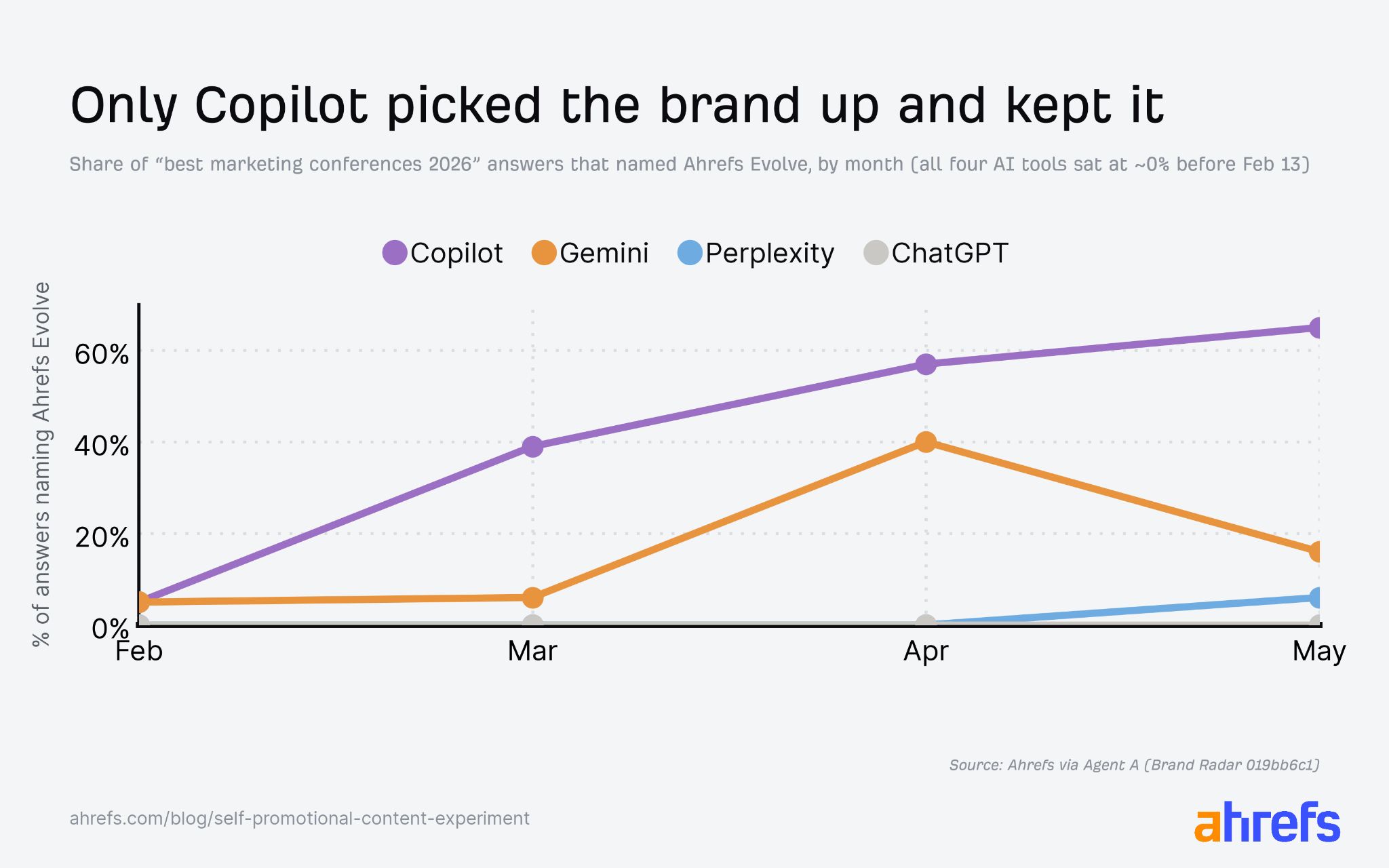
Copilot exhibited the highest number of mentions. Ahrefs Evolve’s presence in Copilot answers rose from virtually zero before its launch to 39% in March, 57% in April, and 65% in May. Gemini also showed increased mentions, albeit less consistently. Perplexity saw minimal impact, and ChatGPT did not mention Evolve for the specific query tested.
The Catch: AI Can Cite Your Listicle But Recommend Someone Else From Your Own List
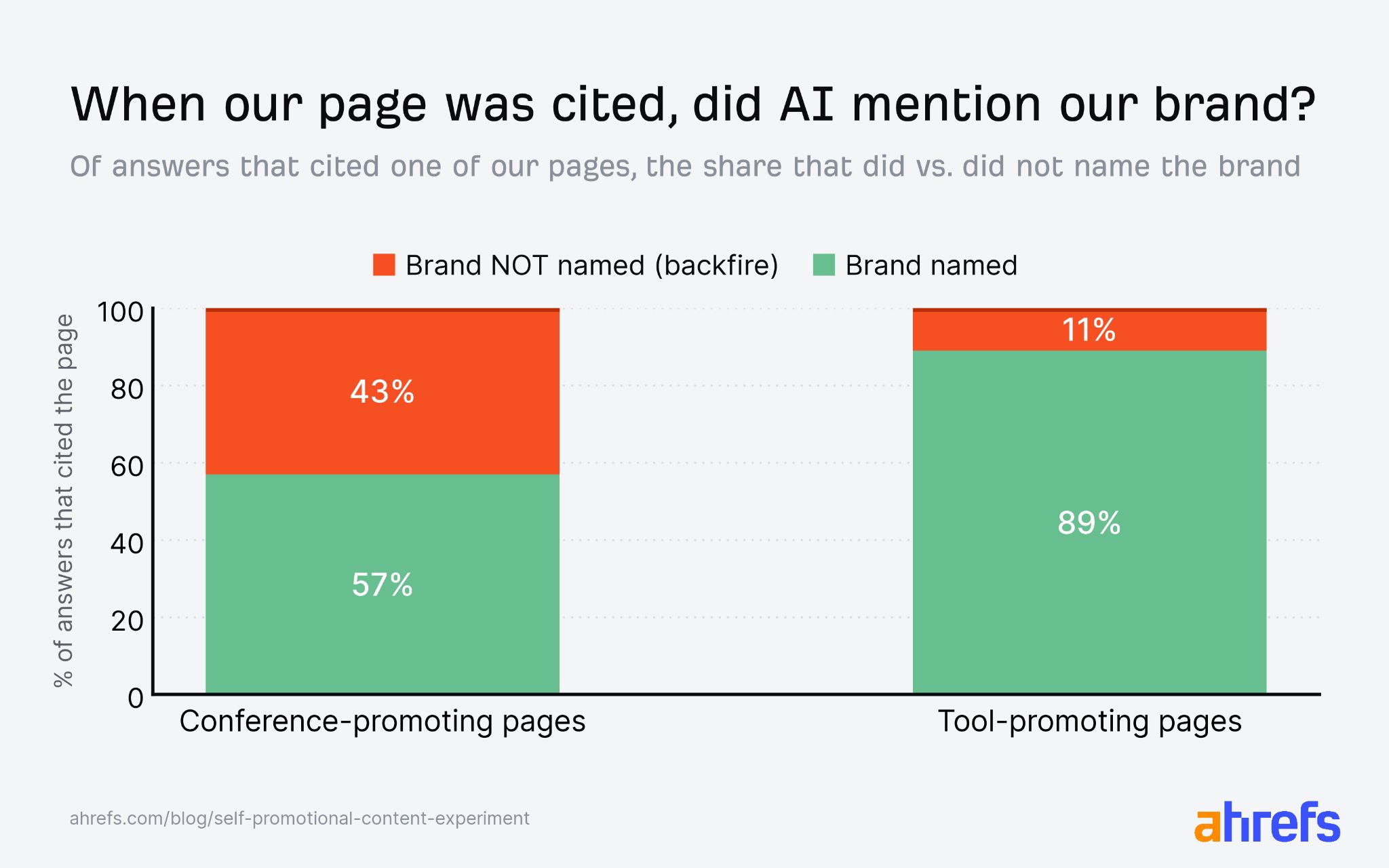
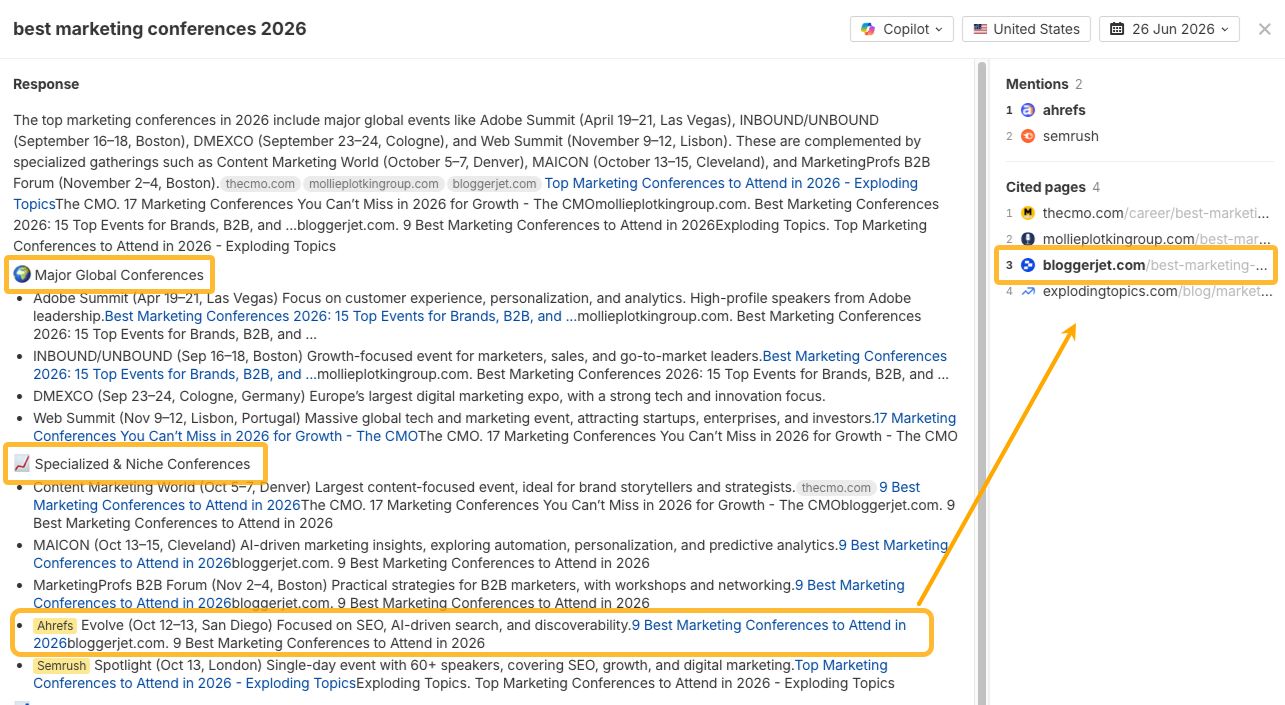
A surprising finding was that being cited by AI often did not translate into being recommended. Among answers that cited the conference-promoting pages, 43% did not mention Ahrefs Evolve at all. The AI utilized the page as a research source but ultimately recommended other conferences, meaning the page received a citation, but a competitor secured the recommendation. This pattern mirrors Lily Ray’s findings in Google’s AI Overviews.
Pages promoting Ahrefs Brand Radar experienced this "backfire" less frequently. When AI cited a page about the product, it almost invariably mentioned Ahrefs. Only 11% of answers that cited an Ahrefs tool page failed to mention the brand, compared to 43% for the conference pages.
Do Citations Last? Most Appear Only on Some Days
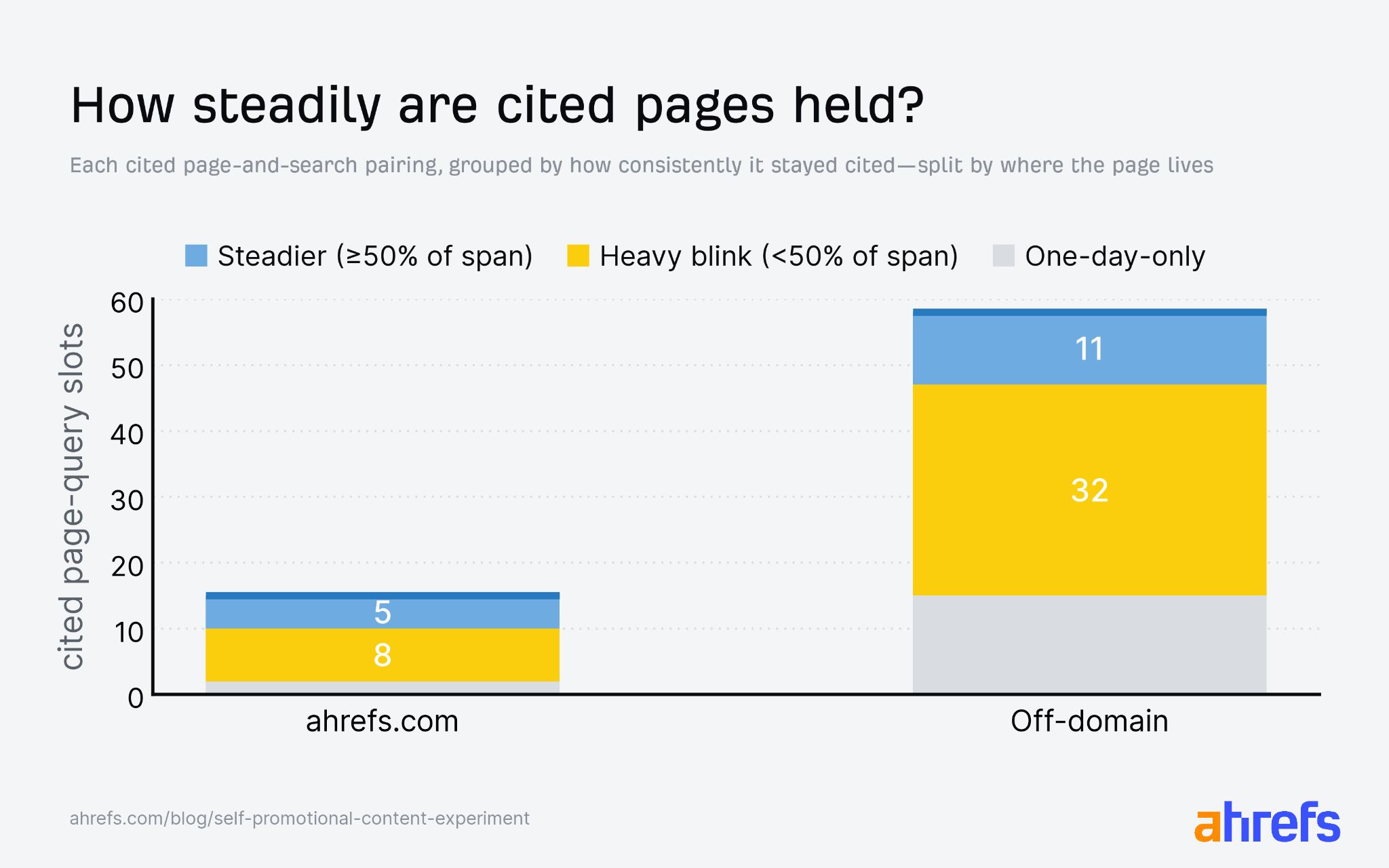
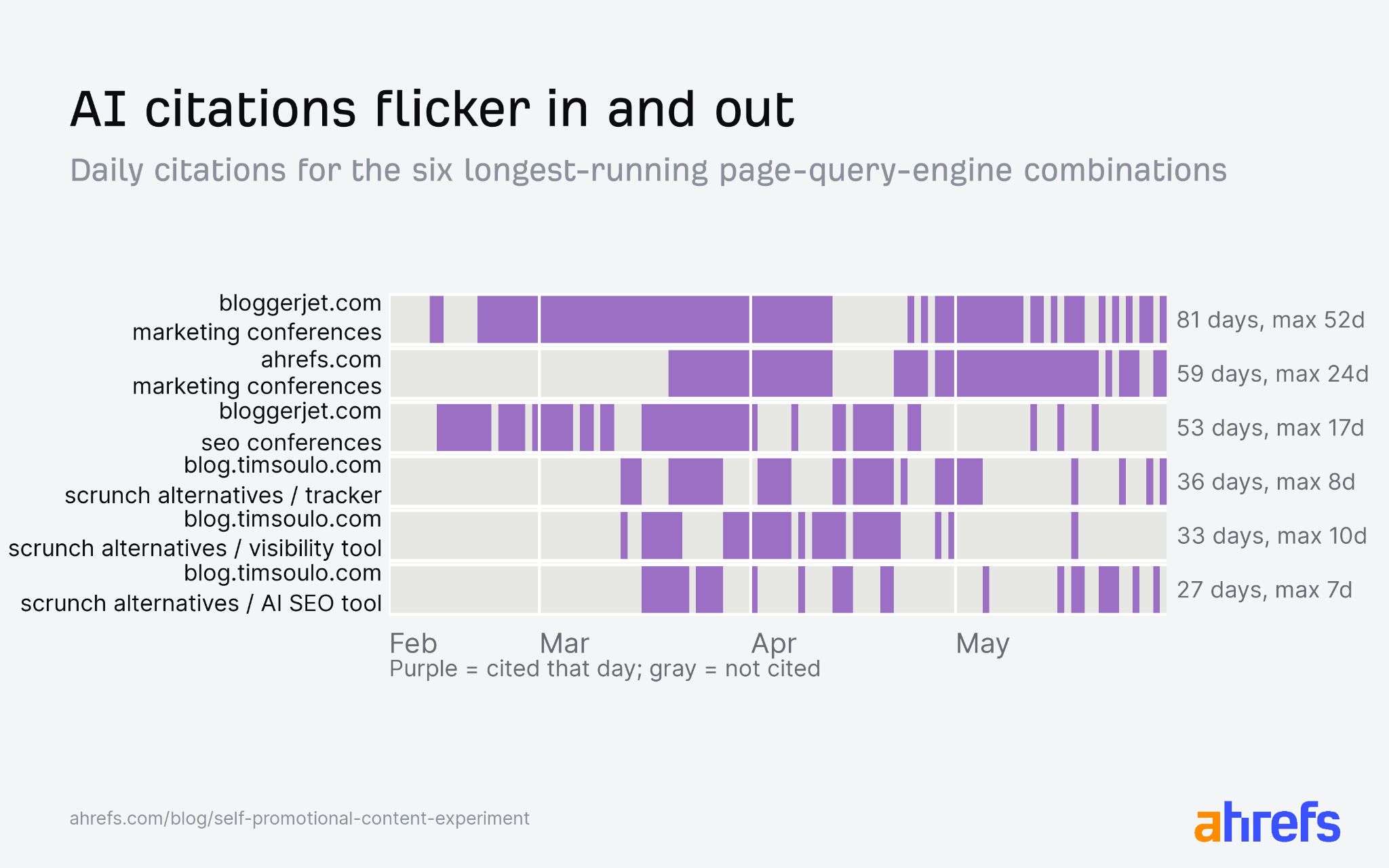
A common assumption is that AI citations are permanent once established. However, the data suggests otherwise; citations were often temporary. Approximately 25% of the time, a page was cited once for a specific query on a particular assistant and then never reappeared. Other citations flickered in and out, appearing and disappearing over weeks, even without changes to the content.
Even recurring citations were intermittent. Between a page’s first and last citation, it appeared on average only about one-third of eligible days. This indicates that gaining a citation did not secure a permanent place in AI answers but rather earned a temporary slot. This pattern held true even for pages on strong domains like ahrefs.com, which still experienced frequent appearances and disappearances.
The few pages that demonstrated longevity were primarily on Copilot and related to narrow, on-brand queries, such as conferences and "alternatives." The longest unbroken run for a single combination lasted 52 days. This aligns with findings from a separate study of over 43,000 keywords in Google’s AI Overviews, which found that citations change constantly, with nearly half of the sources being new each time.
Hypothesis: Self-Promotional Content Works Best When Awareness Gap, Query Fit, and Trust Overlap
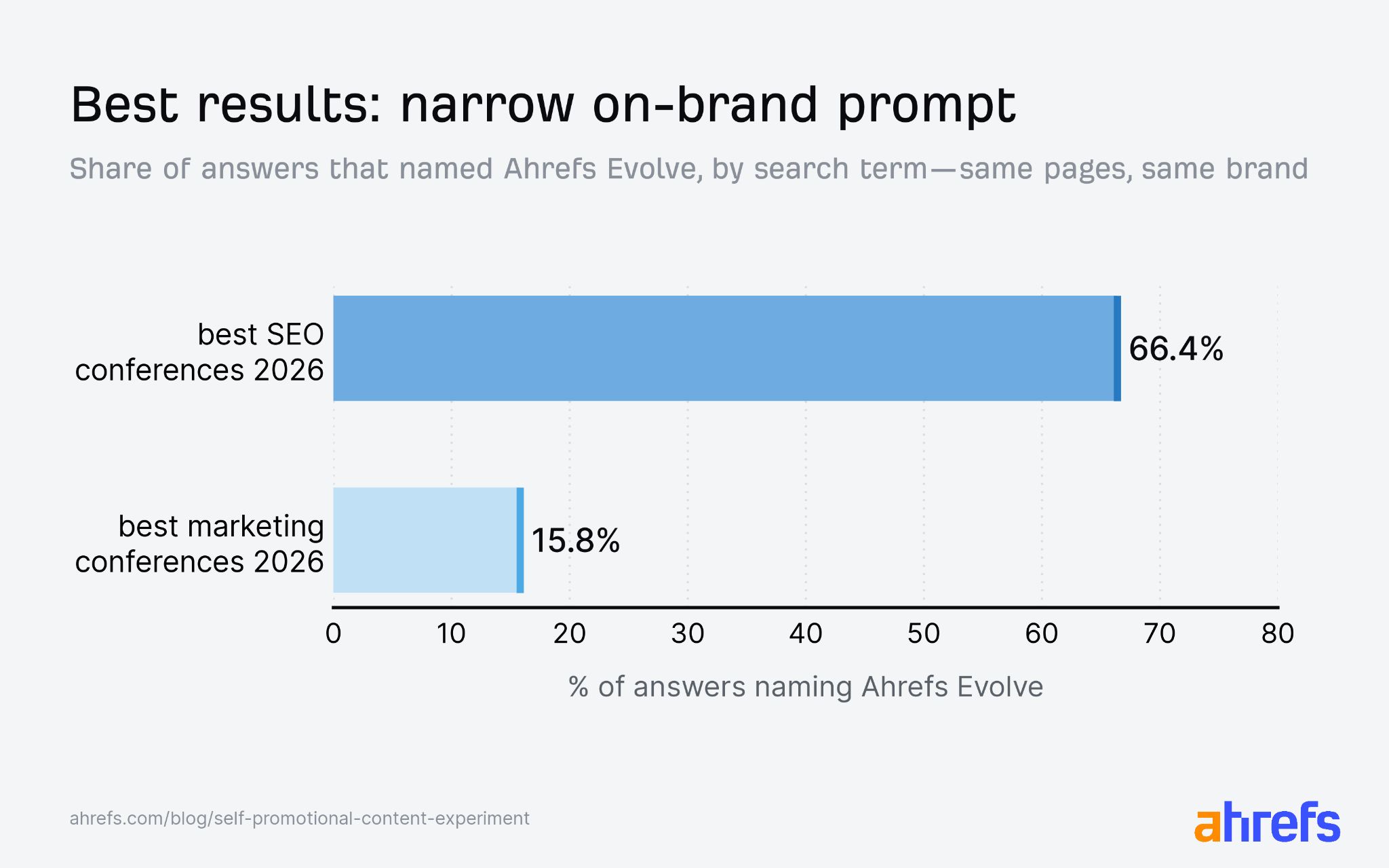
Self-promotional content appears to be most effective when the brand is a natural fit for the query and credible enough to be part of the existing consensus. Across the entire tracking period, the difference between queries for "best SEO conferences 2026" and "best marketing conferences 2026" was significant. Ahrefs Evolve appeared in 66.4% of responses to the SEO conference query but only 15.8% of responses to the broader marketing conference query. This suggests that on-brand queries yield better results. Ahrefs Evolve was often mentioned as a specialized SEO conference when AI tools answered broader marketing conference queries, further supporting the hypothesis that self-promotional content helps most when the brand is a believable recommendation.
An Interesting Nuance: Pages AI Finds But Doesn’t Cite Backfire the Most
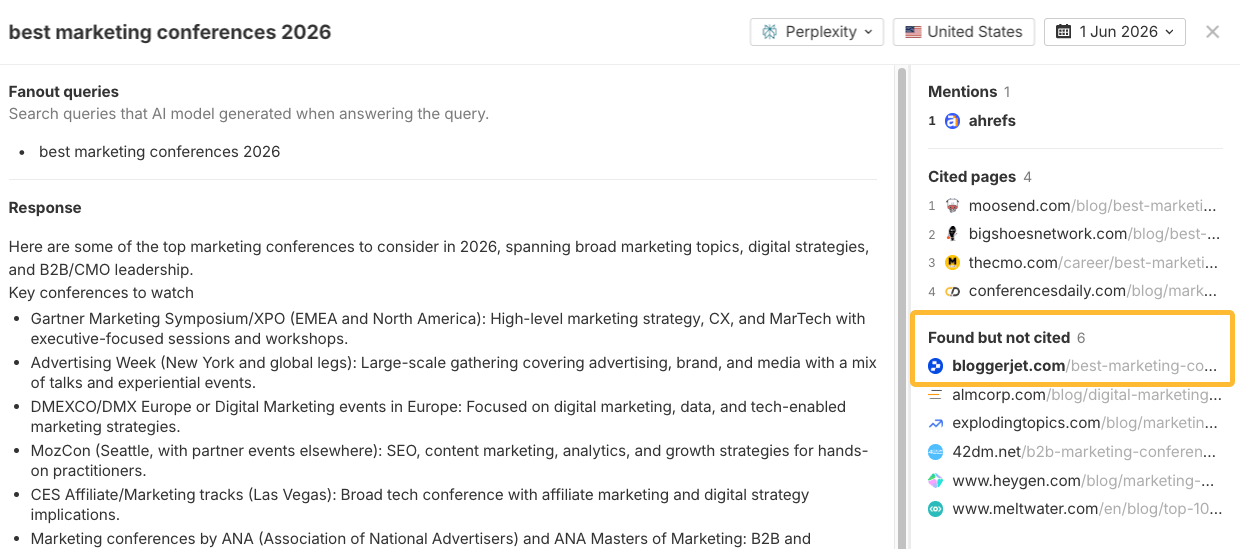
A page can appear in an AI answer either as a clickable source (citation) or simply be found and used internally by the AI without being linked. The study found that when a conference-promoting page was found but not cited, the backfire rate increased significantly. 74% of these instances skipped mentioning Ahrefs Evolve, compared to 43% when the page was cited. For Ahrefs Brand Radar, the difference was smaller (11% cited vs. 15% found but not cited), likely due to the abundance of existing third-party recommendations. Found-but-not-cited pages were more likely to reinforce the existing consensus rather than shift recommendations in the brand’s favor.
Furthermore, whether a present page is cited or merely found appears to be influenced by the AI engine. For instance, Perplexity left 76% of present conference pages uncited, while ChatGPT cited 61%. This suggests that optimizing pages to move from "found" to "cited" might yield different results depending on the AI engine.
How I Tracked Custom Prompts and Specific Pages in Brand Radar:
The experiment utilized Ahrefs Brand Radar features, specifically "Tracked prompts" and "Cited pages" with a "Watchlist" function. Users can add their target prompts and URLs to monitor their visibility in AI mentions. By filtering the Cited pages report, one can see where their tracked pages were found or cited across different AI assistants. Letaido can also be used to automate the creation of Brand Radar projects, tracking custom prompts, and adding URLs to watchlists.
Final Thoughts:
The experiment suggests that while self-promotional content can expose competitors and yield temporary citations, it can also have a tangible impact. Ethical considerations for this tactic include:
The "documentation tax"—the effort required to keep content accurate and updated—can be substantial. Automation can mitigate this burden, preventing outdated pages from misinforming AI systems about both your business and competitors.