A comprehensive new analysis by Ahrefs, a leading SEO tool provider, indicates a significant shift in how Google’s AI Overviews (AIOs) select their sources. The study, which analyzed 863,000 keyword SERPs and 4 million AI Overview URLs, reveals that a decreasing proportion of AIO citations are being drawn directly from pages ranking within the top 10 search results. This suggests a move towards AI Overviews leveraging broader search intent and related sub-queries, rather than solely relying on direct organic rankings.
The research builds upon Ahrefs’ previous study conducted in July 2025, which analyzed 1.9 million citations. The latest analysis incorporates advancements in Ahrefs’ parsing methodology, allowing for the identification of a greater number of AIO citations. Furthermore, the study acknowledges that AI Overviews are now powered by Gemini 3 as of January 2026, an upgrade from earlier Gemini models, enabling them to better address long-tail user questions.
Key Findings from the Ahrefs Study:
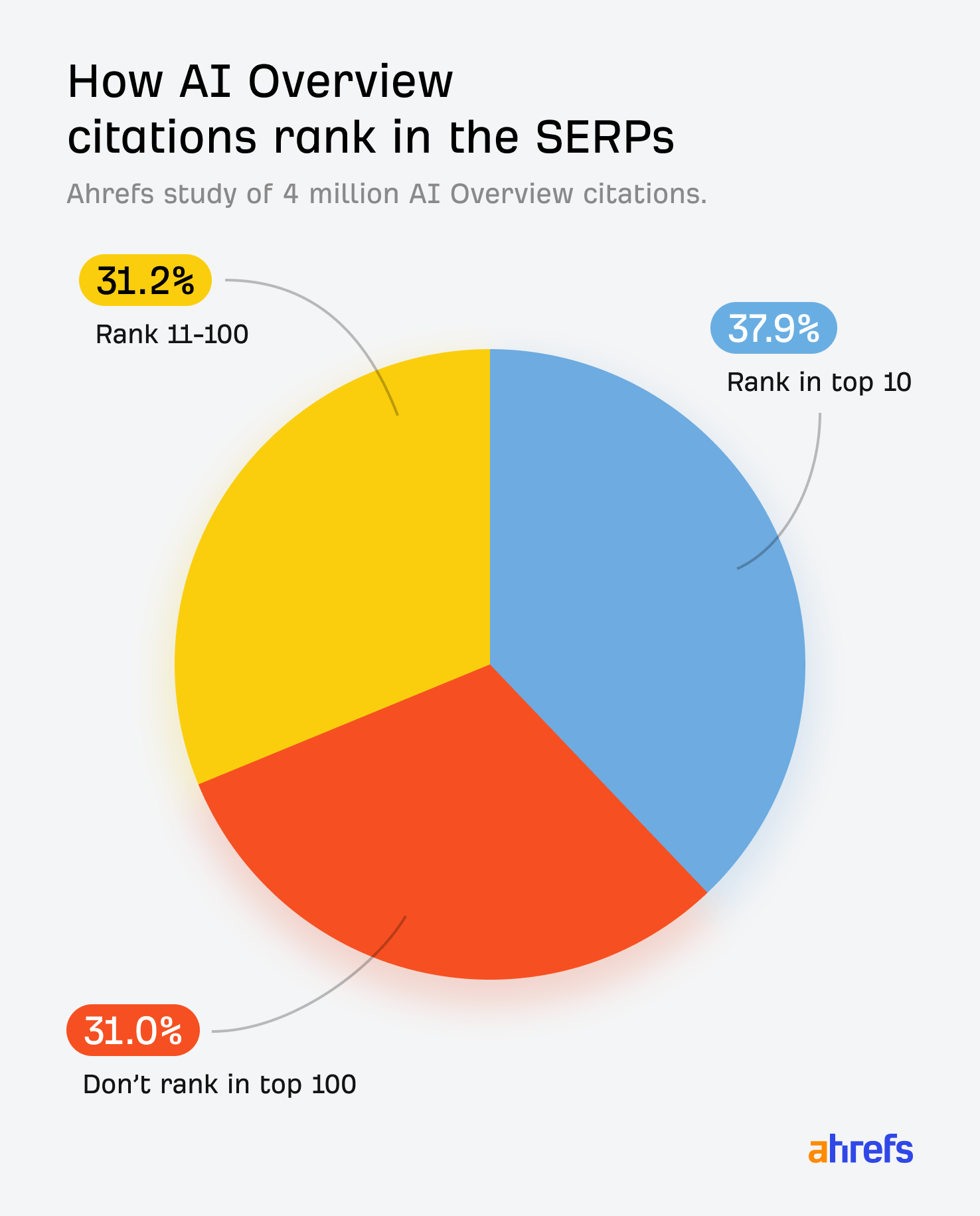
Decreased Reliance on Top-Ranked Pages: In the current analysis, 37.9% of URLs cited in AI Overviews also appeared within the first 10 organic search results for the same query. This represents a substantial drop from the approximately 76% observed in the July 2025 study.
Distribution of Cited URLs: The remaining cited URLs were almost evenly split between positions 11-100 (31.2%) and beyond the top 100 results (31.0%).
Focus on Standard Organic Listings: When excluding SERP features like Ads and Featured Snippets, the distribution remained largely similar. 37.1% of cited URLs ranked in the top 10, 26.2% ranked between 11-100, and 36.7% did not rank within the top 100 organic results.
Implication of Non-Ranking Citations: The finding that a significant portion of cited pages do not rank in the top 100 suggests that AI Overviews may be drawing from sources that appear in SERP features or from related "fan-out" query results.
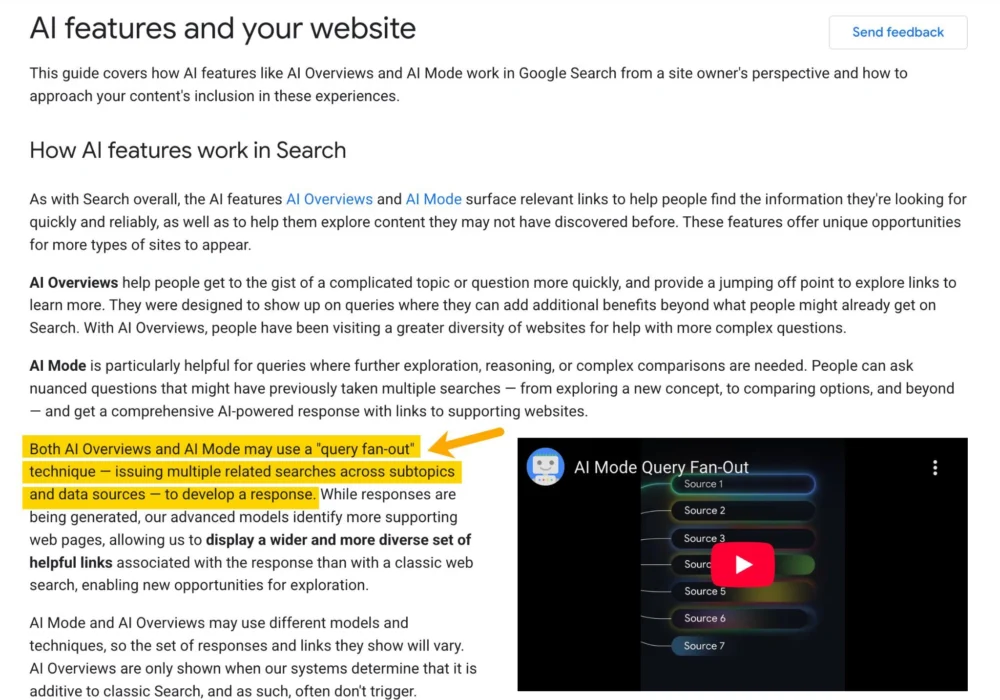
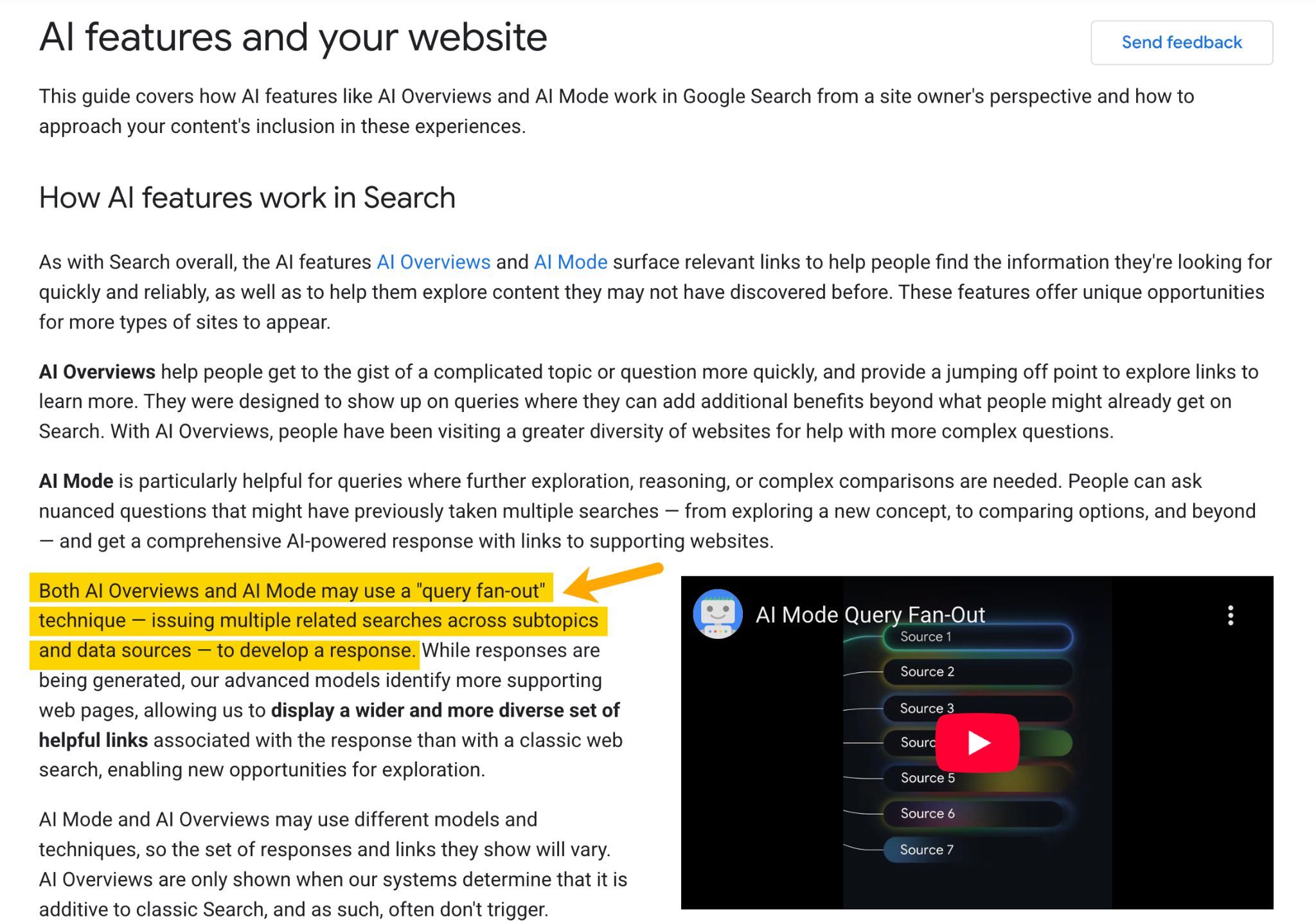
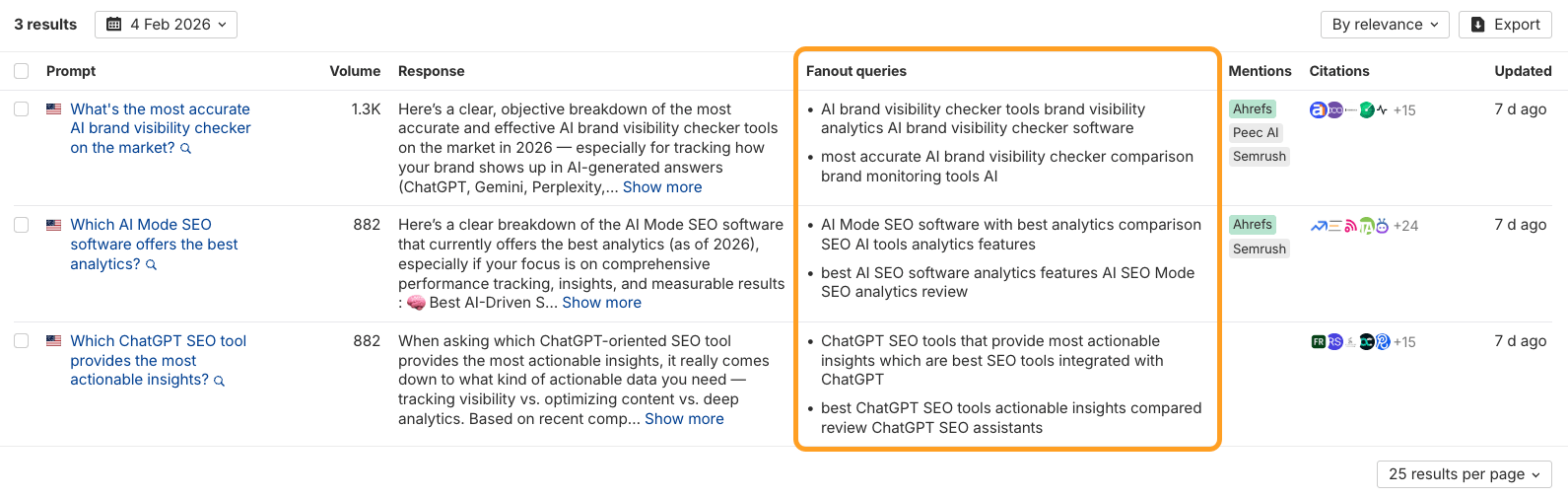
The Role of "Query Fan-Out": Google has confirmed that its AI system utilizes a "query fan-out" technique, where an initial query is broken down into multiple related sub-queries. Pages that frequently appear across these sub-query SERPs are then cited in the AI Overview. The study posits that with Gemini 3, this fan-out process may be expanding queries more aggressively or broadly, thus tapping into a wider range of related SERPs.
YouTube’s Growing Influence in AI Overviews:
A particularly noteworthy discovery from the study is the significant presence of YouTube URLs among cited sources, especially for pages that do not rank within the top 100 for the direct query.
Significant Non-Ranking Citations: Among AI Overview cited pages that didn’t rank in Google’s top 100 results, 18.2% were YouTube URLs.
Overall Citation Share: These YouTube URLs constituted 5.6% of all AI Overview URLs cited across the entire dataset.
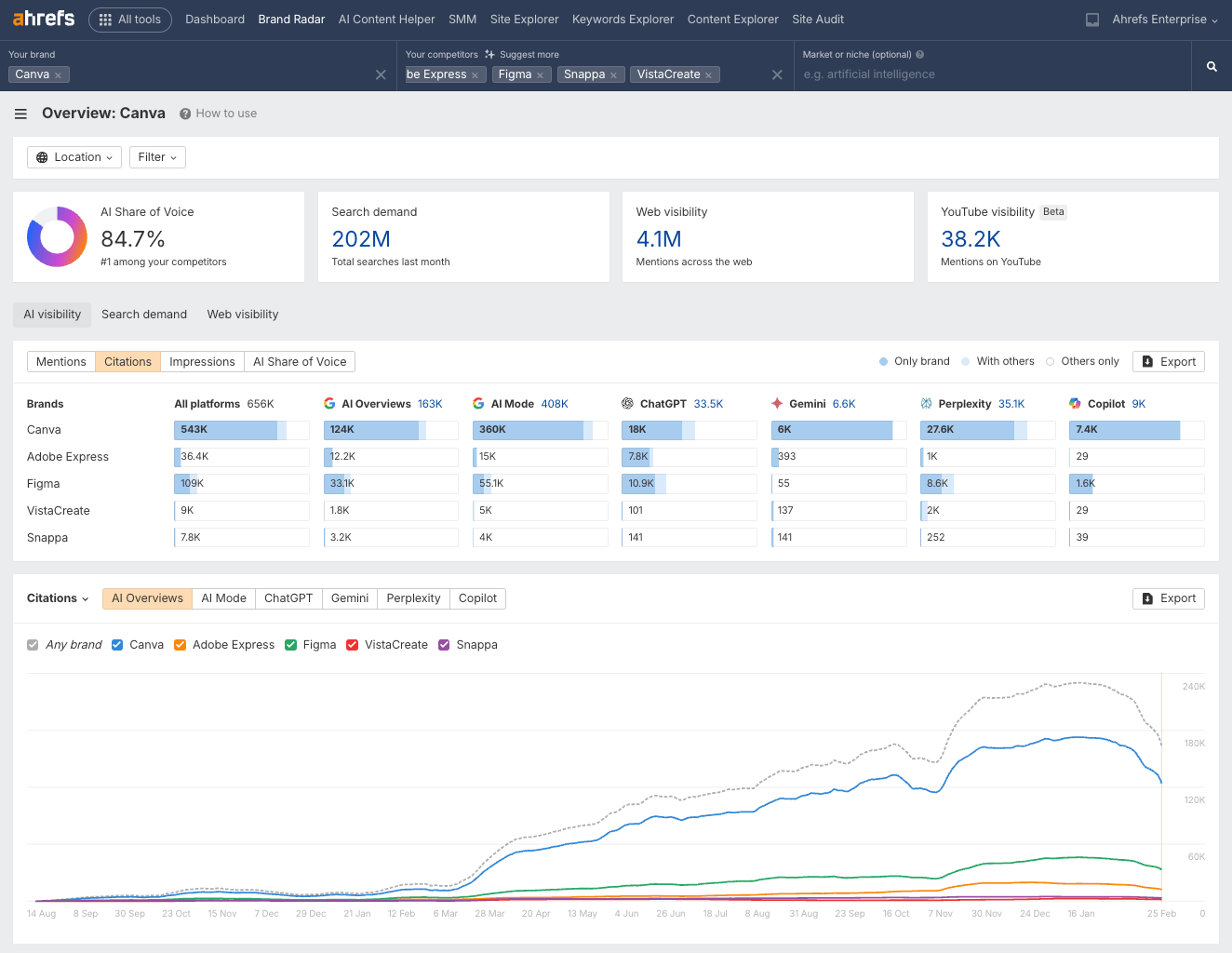
Leading Cited Domain: Data from Ahrefs Brand Radar indicates that YouTube is currently the most cited domain in AI Overviews, showing a 34% growth in the last six months.
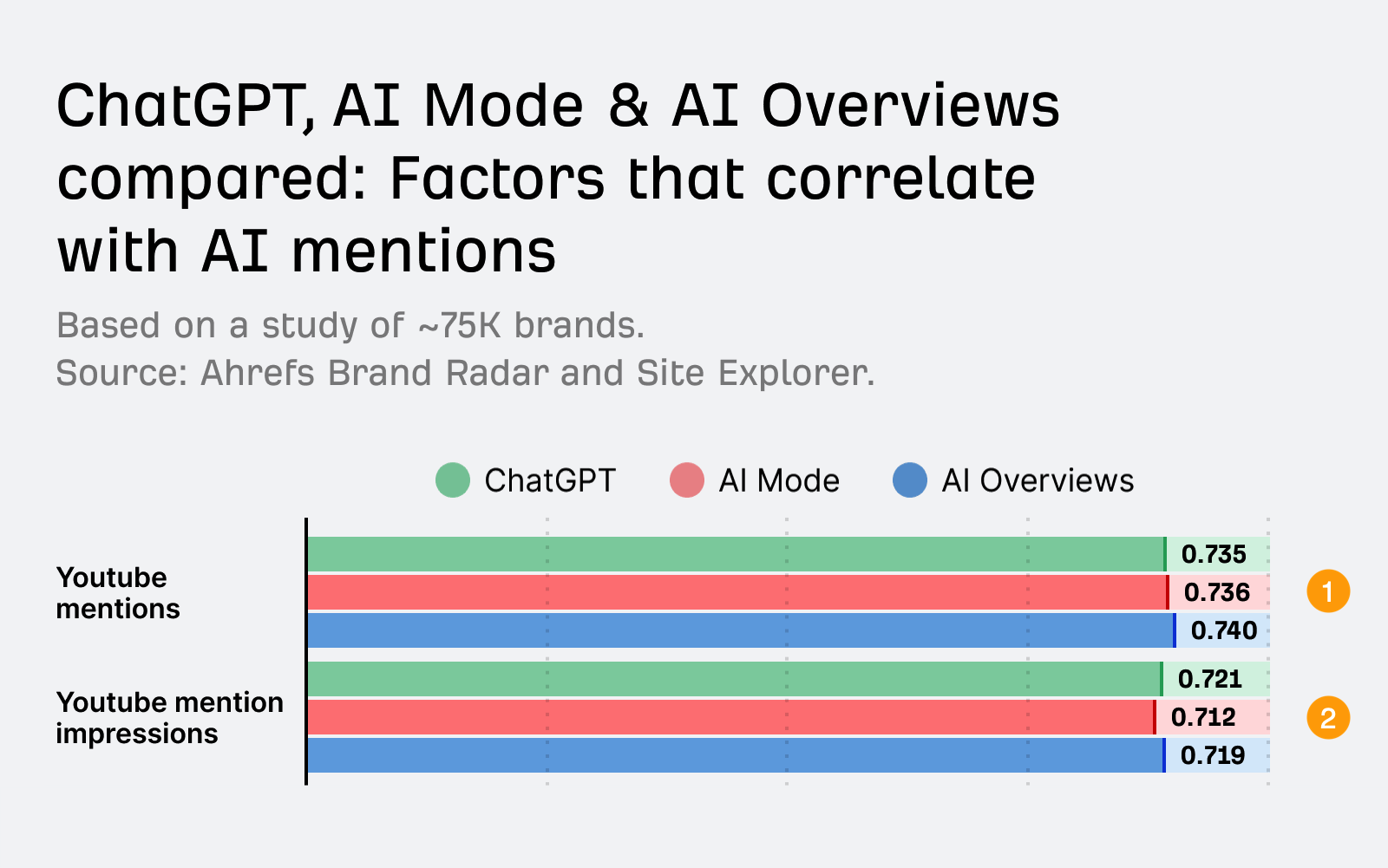
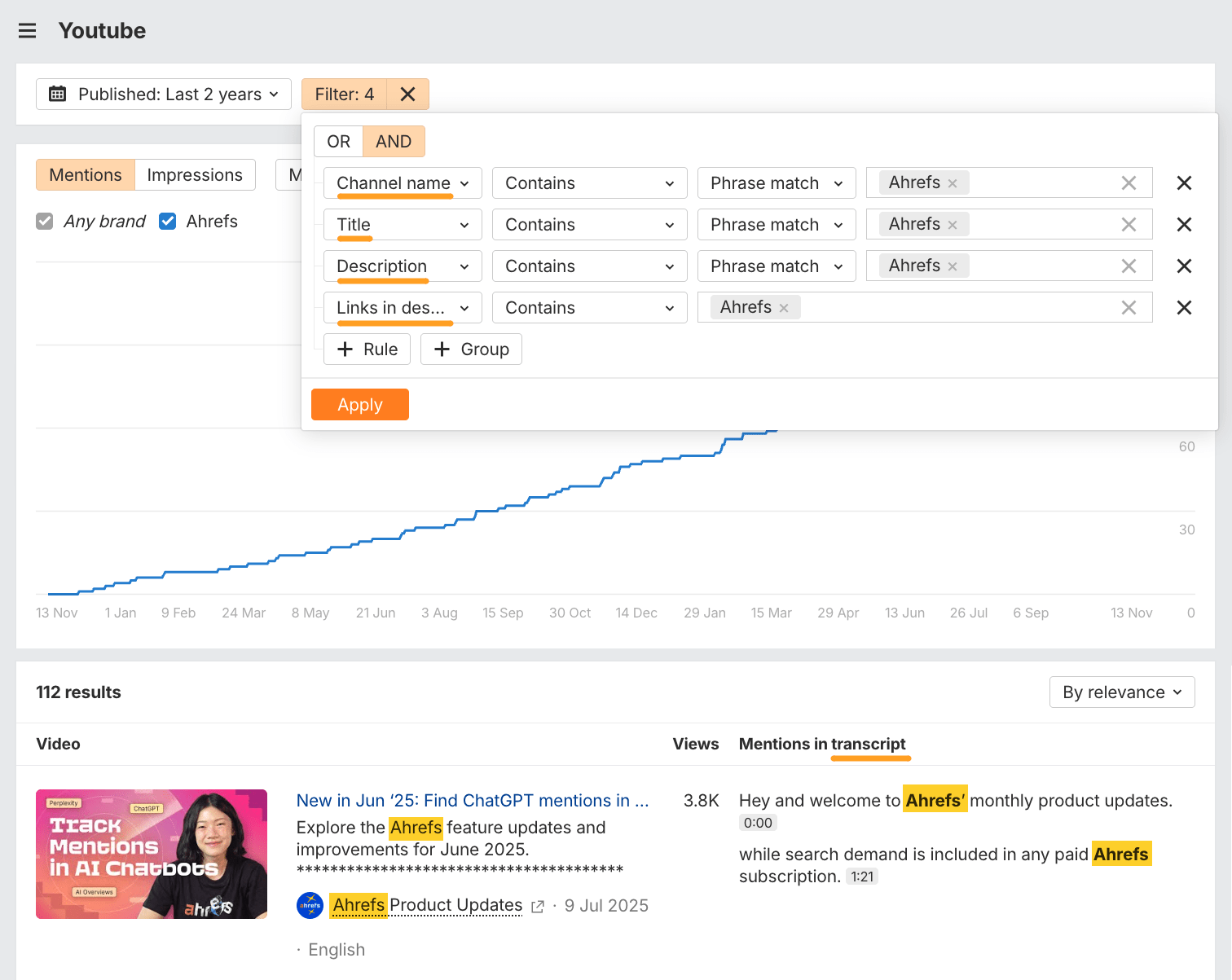
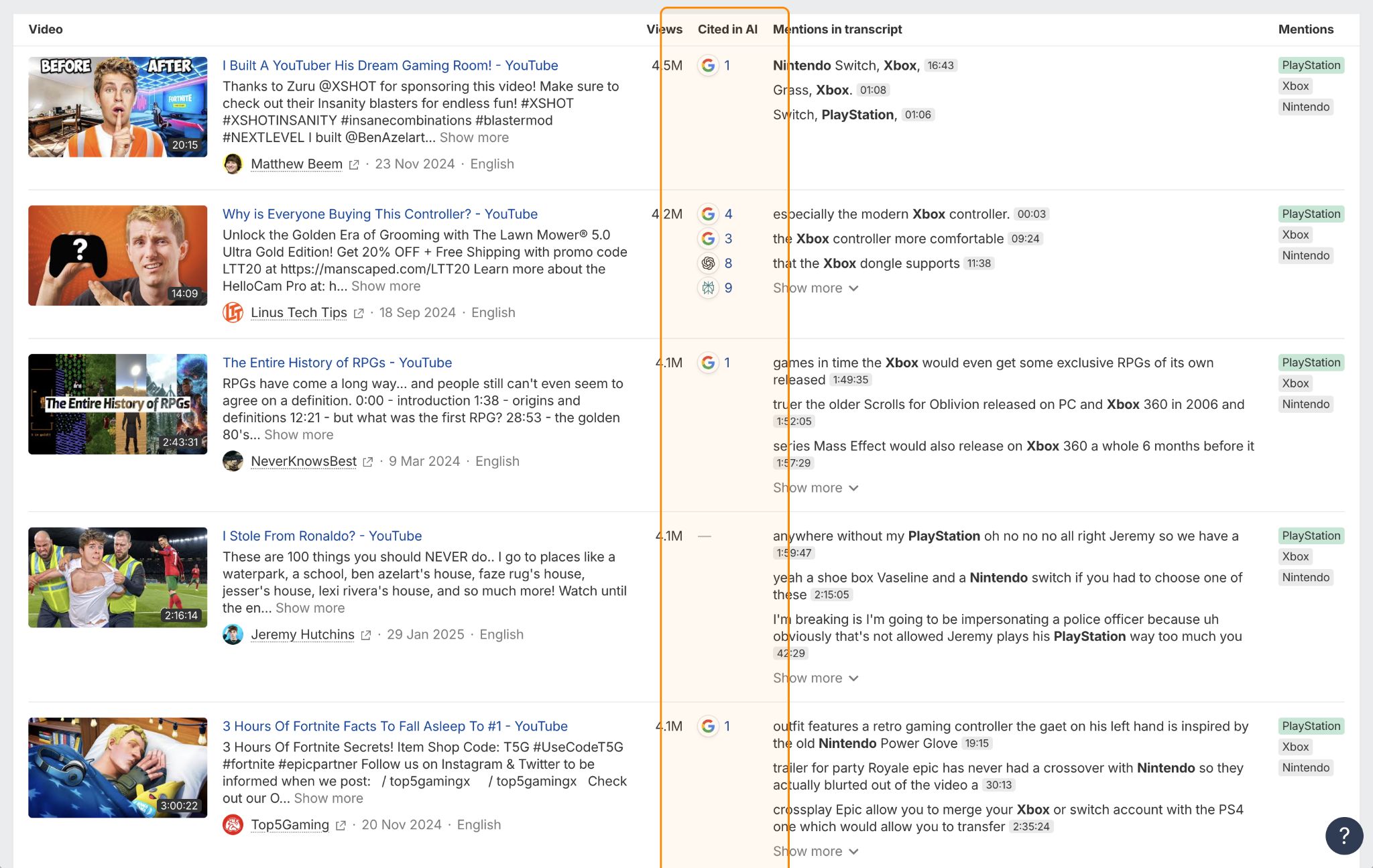
Correlation with AI Visibility: Further research from Ahrefs reinforces YouTube’s importance, revealing that mentions on YouTube—within video titles, transcripts, and descriptions—are the strongest correlating factor with AI Overview visibility.
This highlights the strategic importance for brands to consider YouTube as a key platform for AI search visibility, with mentions on the platform showing a strong link to being featured in AI-generated answers.
Strategies for Earning AI Overview Citations:
Given the evolving nature of AI Overviews and their reduced reliance on top-ranking pages, the Ahrefs study suggests a shift in SEO strategy from optimizing for specific keywords to optimizing for broader user journeys and "fan-out" queries.
Embrace "Query Fan-Out" Optimization: SEO consultants like Ethan Lazuk emphasize that the key to earning AI Overview citations lies in making content passages highly relevant to these simulated fan-out queries. This involves moving beyond single keywords to addressing entire user journeys.
Utilize Ahrefs Tools for Comprehensive Content:
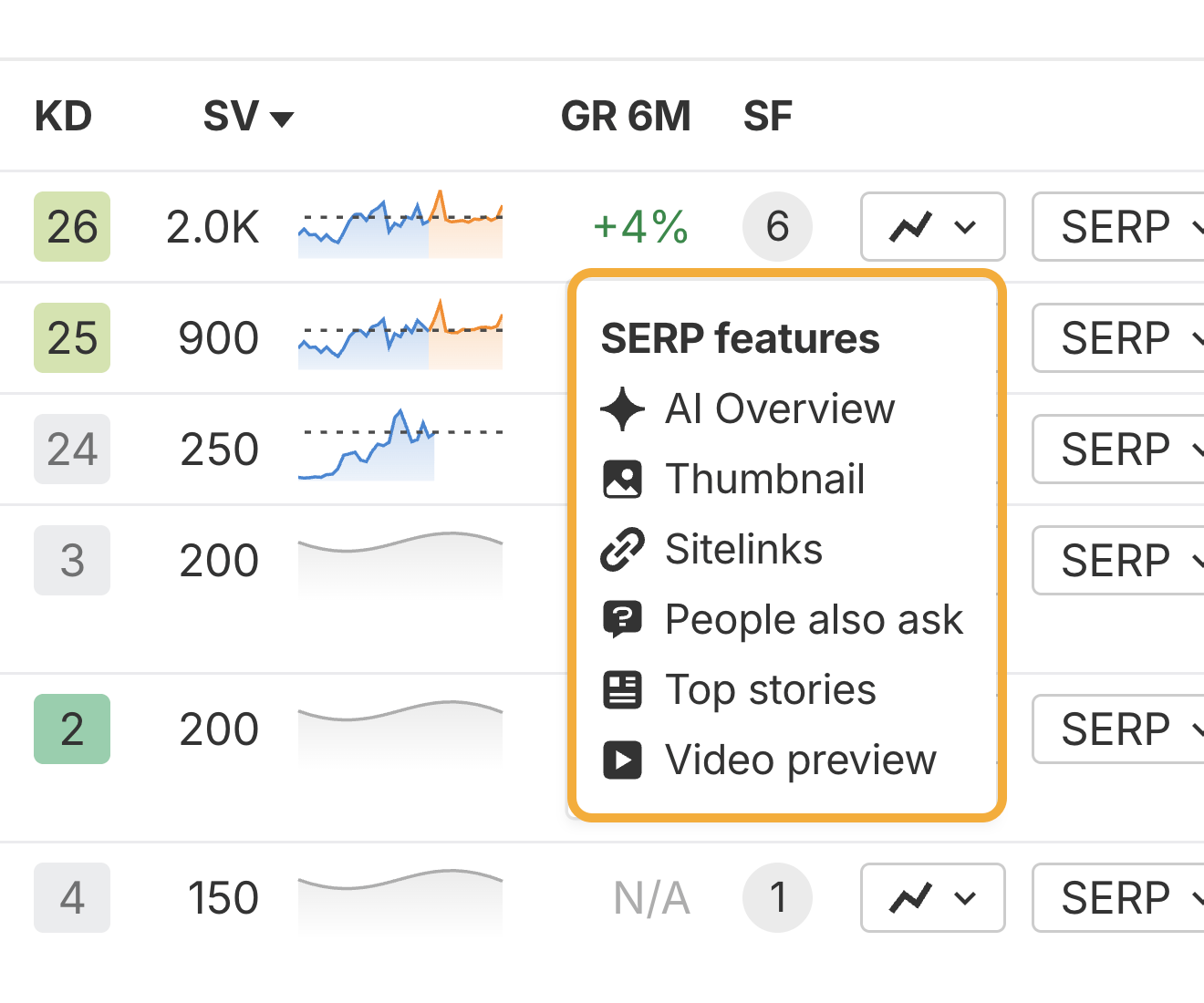
Parent Topics: In Ahrefs Keywords Explorer, Parent Topics help identify related keywords, questions, and intent angles for a given topic, enabling content clustering around broader themes.
AI Responses Report: Within Ahrefs Brand Radar, the AI Responses report allows for the analysis of millions of ChatGPT and Perplexity fan-out query examples, revealing recurring themes and topics that AI models consider.
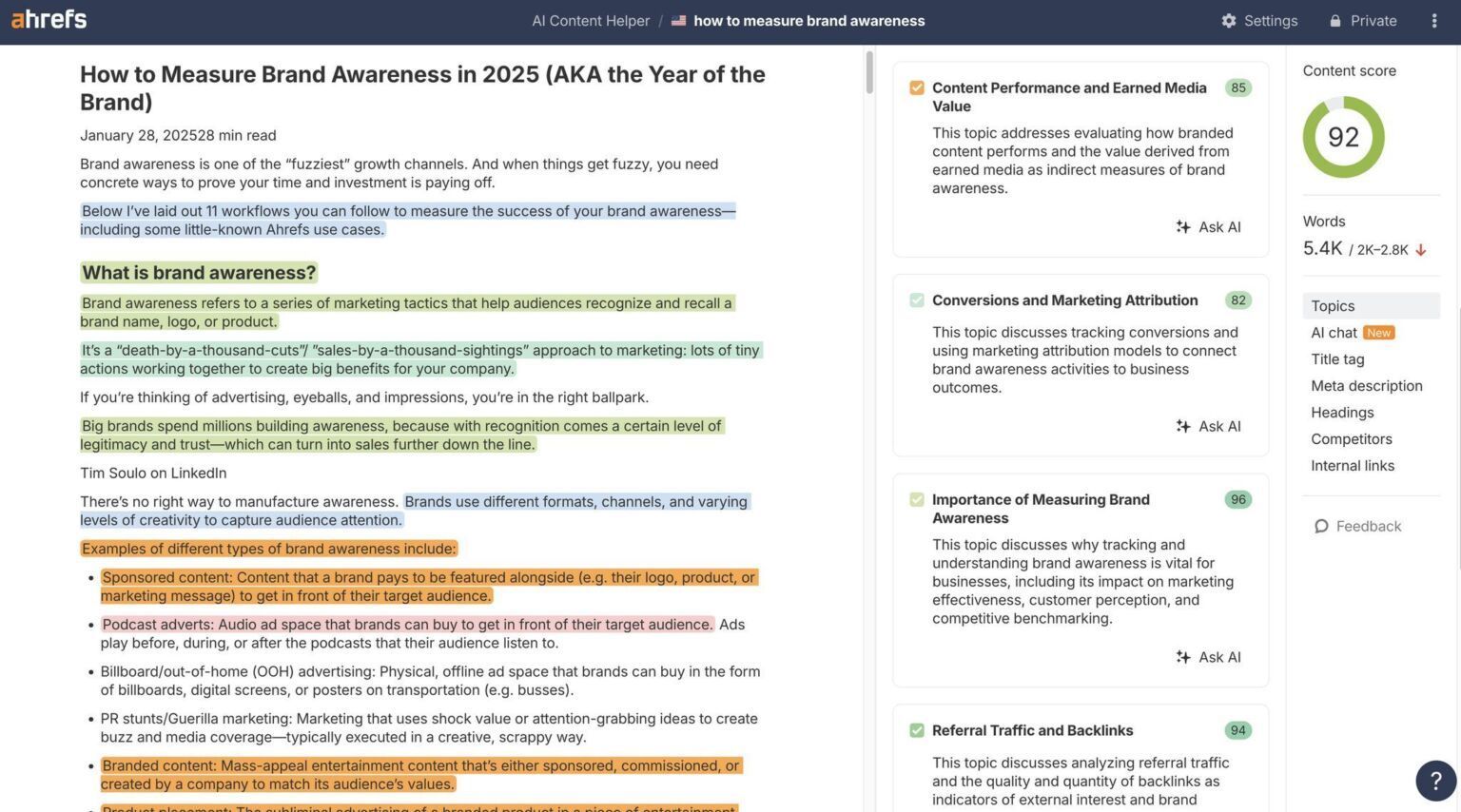
AI Content Helper: This tool is designed to optimize content specifically for AI search. It generates related fan-out queries and measures the cosine similarity between the content’s topics and those likely addressed by SERPs or AI responses. It provides real-time feedback through colored highlights, indicating how thoroughly each topic is covered. Notably, it now allows benchmarking against custom competitors, including those frequently winning AI Overview citations, acknowledging that relevant sources may not always rank on the first page or even within the top 100.
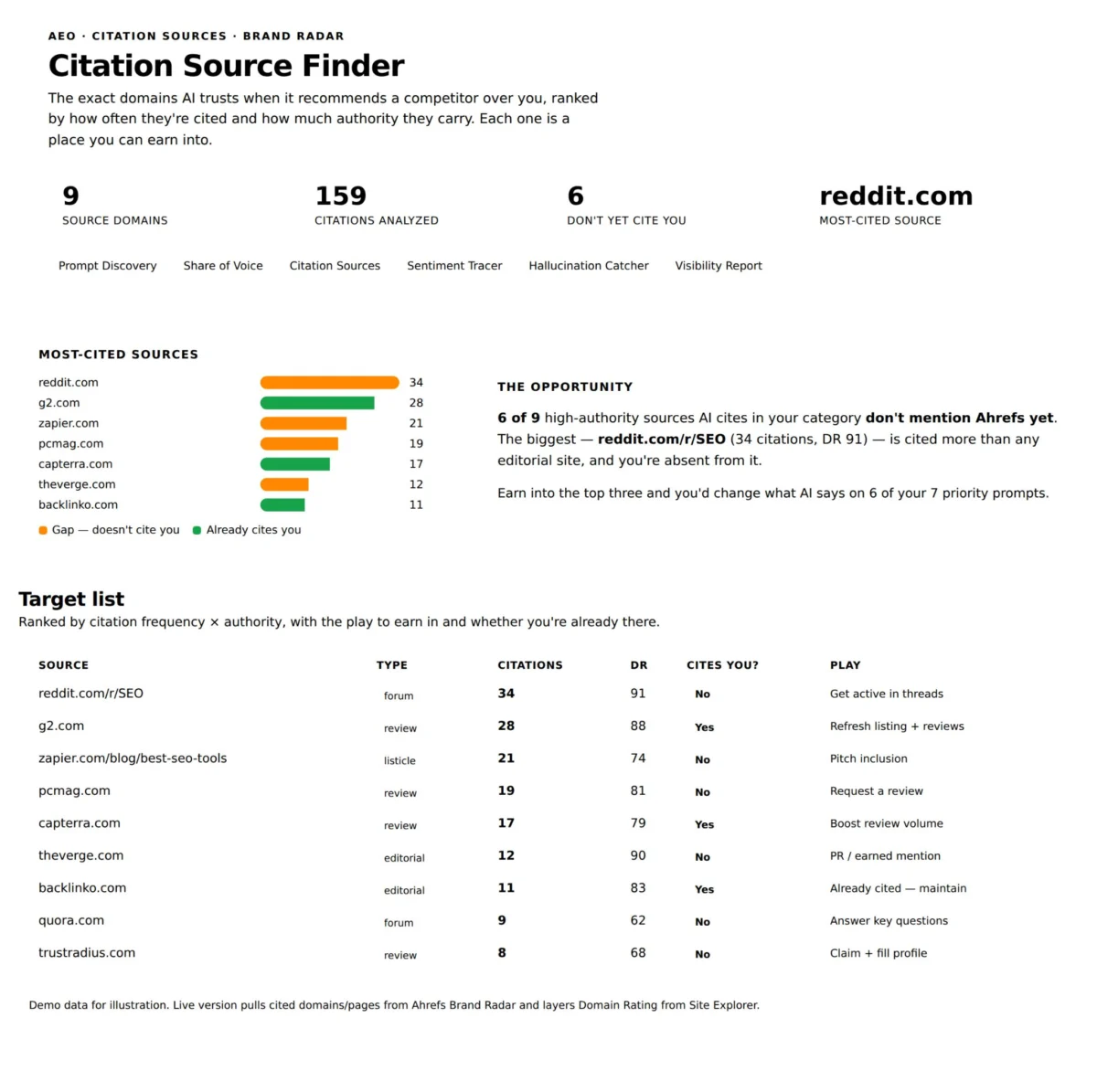
Brand Radar for Citation Analysis: Reviewing one’s own AI Overview citations in Brand Radar can reveal what the AI system already trusts and identify areas where content is "close but not quite" selected. This includes identifying mentions that are not yet cited, and vice versa, providing actionable insights for improvement.
Conclusion:
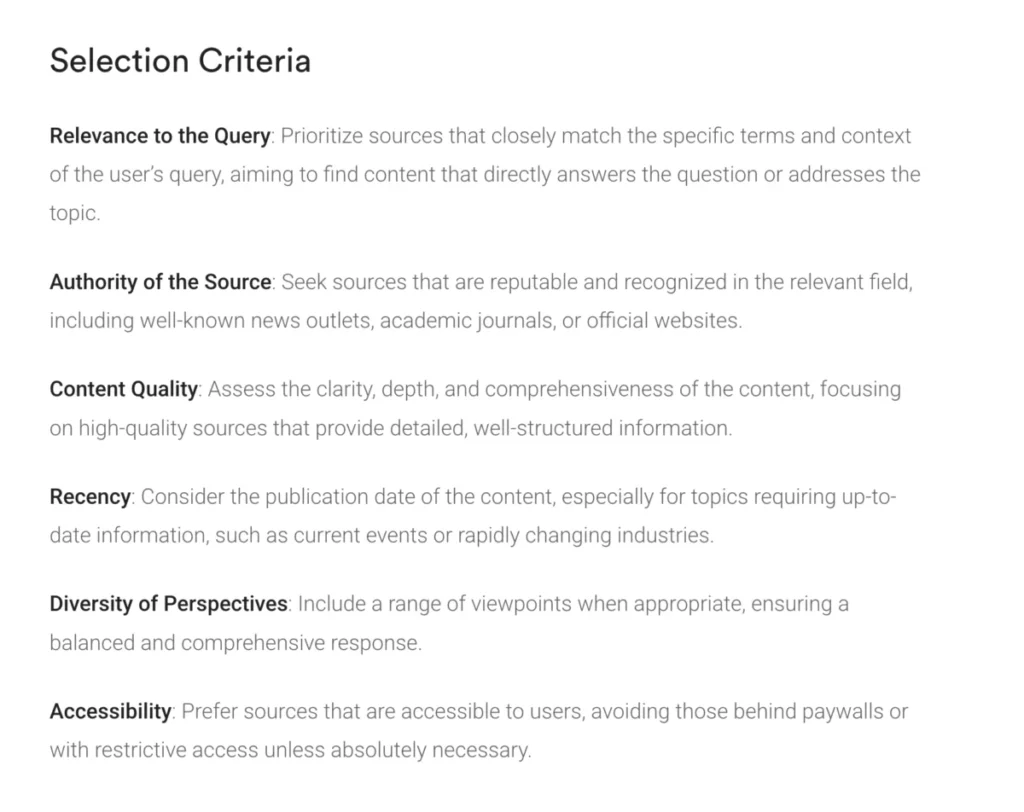
The Ahrefs study underscores a significant evolution in how Google’s AI Overviews function. The diminishing direct correlation between top search rankings and AI citations signals a move towards a more nuanced understanding of user intent and the broader ecosystem of search results. By focusing on comprehensive topic coverage, understanding "query fan-out," and leveraging specialized SEO tools, content creators can better position themselves to be selected as authoritative sources by AI Overviews. The emphasis is shifting from simply "ranking well" to "being selected as a trusted source" for AI-generated information.
 1
1