 11
 1
 2
 3
In the modern digital workplace, every artifact of productivity—from a Jira issue to a design document or a Slack thread—is fundamentally tied to human activity. While Atlassian’s suite of tools has long tracked the technical outputs of these efforts, such as assignees, authors, and reviewers, a critical gap has historically existed between the work being performed and the organizational identity of the people performing it. To bridge this divide, Atlassian has announced the integration of "people context" into its Teamwork Graph and the Rovo AI system, effectively linking institutional knowledge with the structural data found in human resources systems and identity providers.
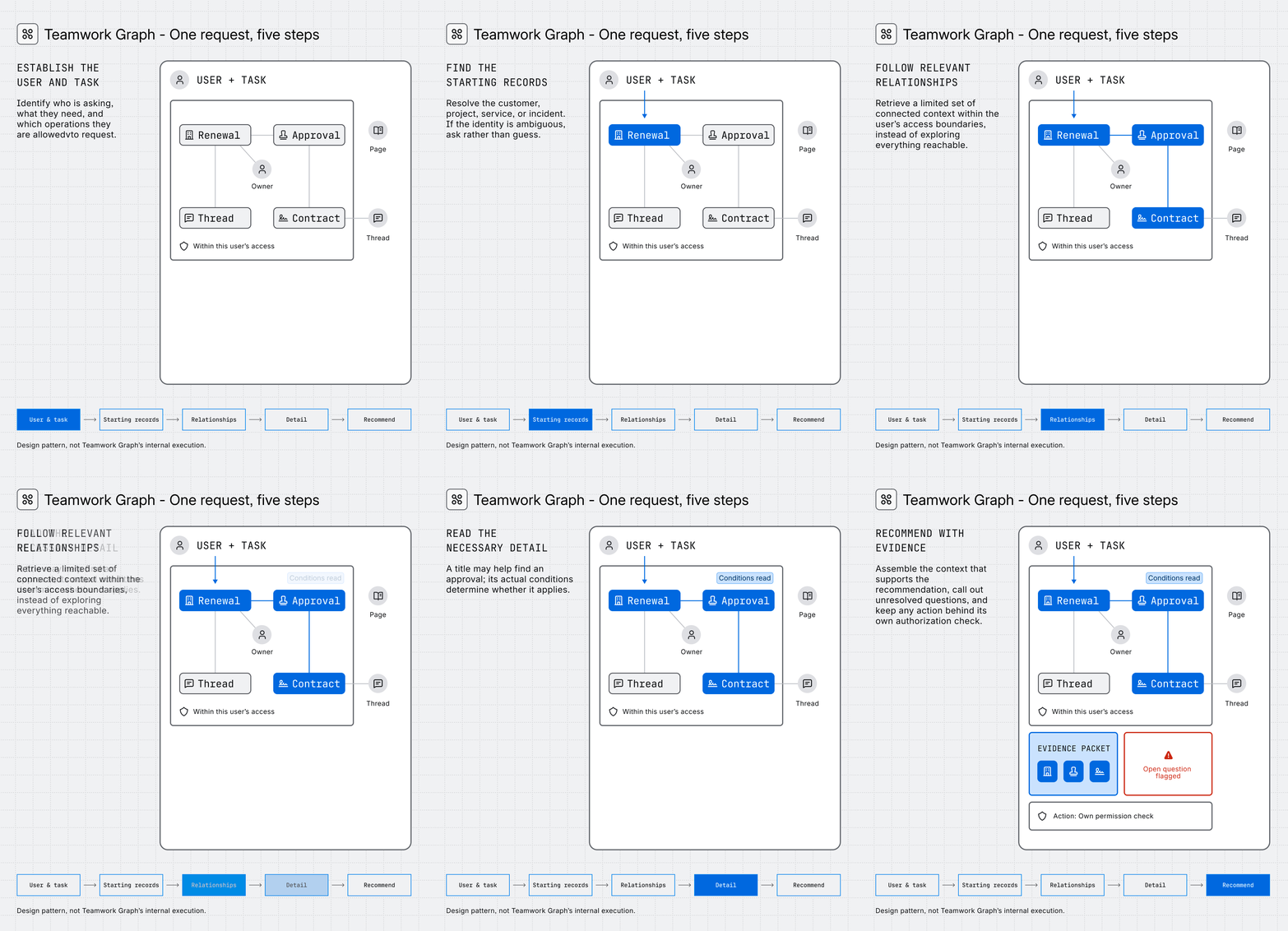
The Teamwork Graph serves as the underlying architecture that connects work across Atlassian products and third-party integrations. However, without integrated people data, the graph previously lacked the "thread" that identifies the professional roles, team affiliations, and reporting lines of individuals. While the system could recognize that a document existed, it could not inherently understand that the document was authored by a team lead whose department owns a specific project. By pulling data from HR systems or identity providers (IdPs), Atlassian is now providing the Teamwork Graph with the ability to understand the "who" behind the "what," fundamentally changing how Rovo and other Atlassian tools interpret work and organizational dynamics.
This enrichment of data significantly impacts the onboarding process and general navigation within a company. For employees joining a new team, the challenge often lies in identifying relevant stakeholders and understanding the hierarchy of priorities. With people context, Atlassian Rovo can now summarize responsibilities and facilitate connections. For instance, a new hire on a payments team can ask Rovo about redesign priorities and receive an answer that identifies not just the projects, but the specific individuals responsible for those priorities and their current progress.
The technical mechanism behind this integration involves a new category of connectors. While traditional Teamwork Graph connectors focus on bringing in work items, documents, and conversations, the new people data connectors import the organizational structure itself. This includes specific profile details such as titles, team memberships, reporting structures, and professional associations. This data acts as a connective tissue, allowing the AI to ground its answers in the most authoritative sources available.
The practical application of this context is most evident in Rovo’s response accuracy. When a user queries the status of a project, such as a "checkout redesign," a system without people context can only surface pages or work items containing those keywords. In contrast, a system enriched with people context understands which team owns the redesign, who the project lead is, and which updates are provided by those closest to the technical work. This allows Rovo to prioritize information from authoritative figures and direct the user to the correct person for follow-up inquiries.
Furthermore, people context enables a high degree of personalization. Because Rovo understands the specific role and team of the person asking a question, it can tailor its responses based on relevance. A software engineer and a product designer might ask the same question about a product launch, but their information needs differ significantly. People context allows the AI to distinguish between these roles and provide the technical or aesthetic details most pertinent to the user.
Atlassian has detailed several common workplace scenarios where this integration provides immediate value. In the case of identifying project ownership, the previous workflow required manual searches through internal documentation to find a team lead. With the new integration, users can simply ask Rovo. For communication, instead of looking up handles in external messaging apps like Slack or Microsoft Teams, users can now message colleagues directly from a "people card" within the Atlassian interface.
When addressing project blockers, the integration streamlines escalation. Previously, an employee would have to open every linked issue in an epic to find a blocker’s owner and then search the HR portal to find that owner’s manager. Now, a user can ask Rovo who is blocking their epic and who they can escalate to, immediately receiving the owner’s details and an interactive organizational chart.
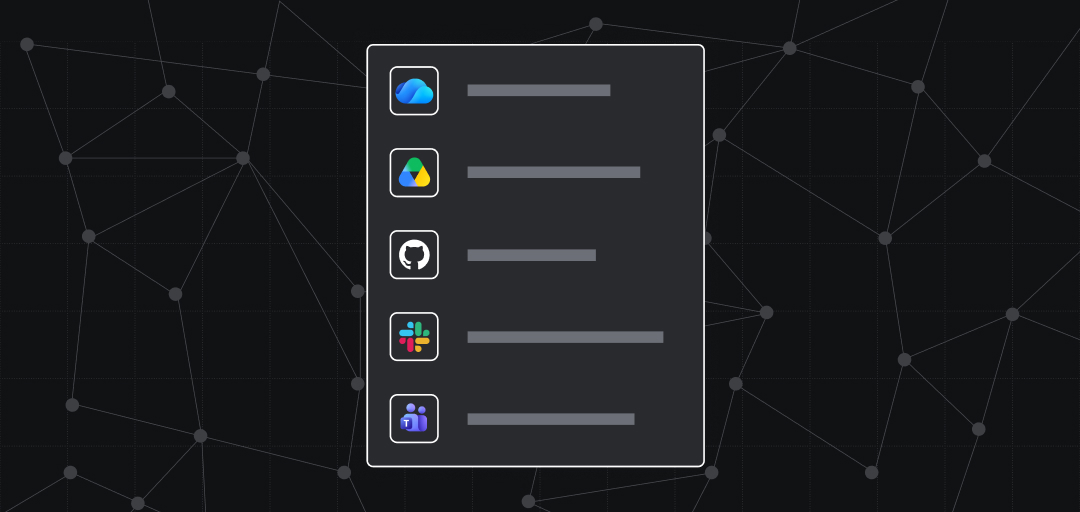
The foundation of this context is the data already managed by organizations within their existing ecosystems. One of the primary methods for providing this data is through SCIM (System for Cross-domain Identity Management) provisioning. Companies that provision Atlassian users through identity providers like Okta can share manager names, job titles, and profile details that the Teamwork Graph can ingest. For organizations requiring deeper data or those not using an IdP for provisioning, Atlassian provides specific connectors for platforms such as Workday, Microsoft Entra ID, Google Workspace Directory, and HRIS S3. The Teamwork Graph matches this incoming data to the existing users within the Atlassian organization to ensure consistency across the platform.
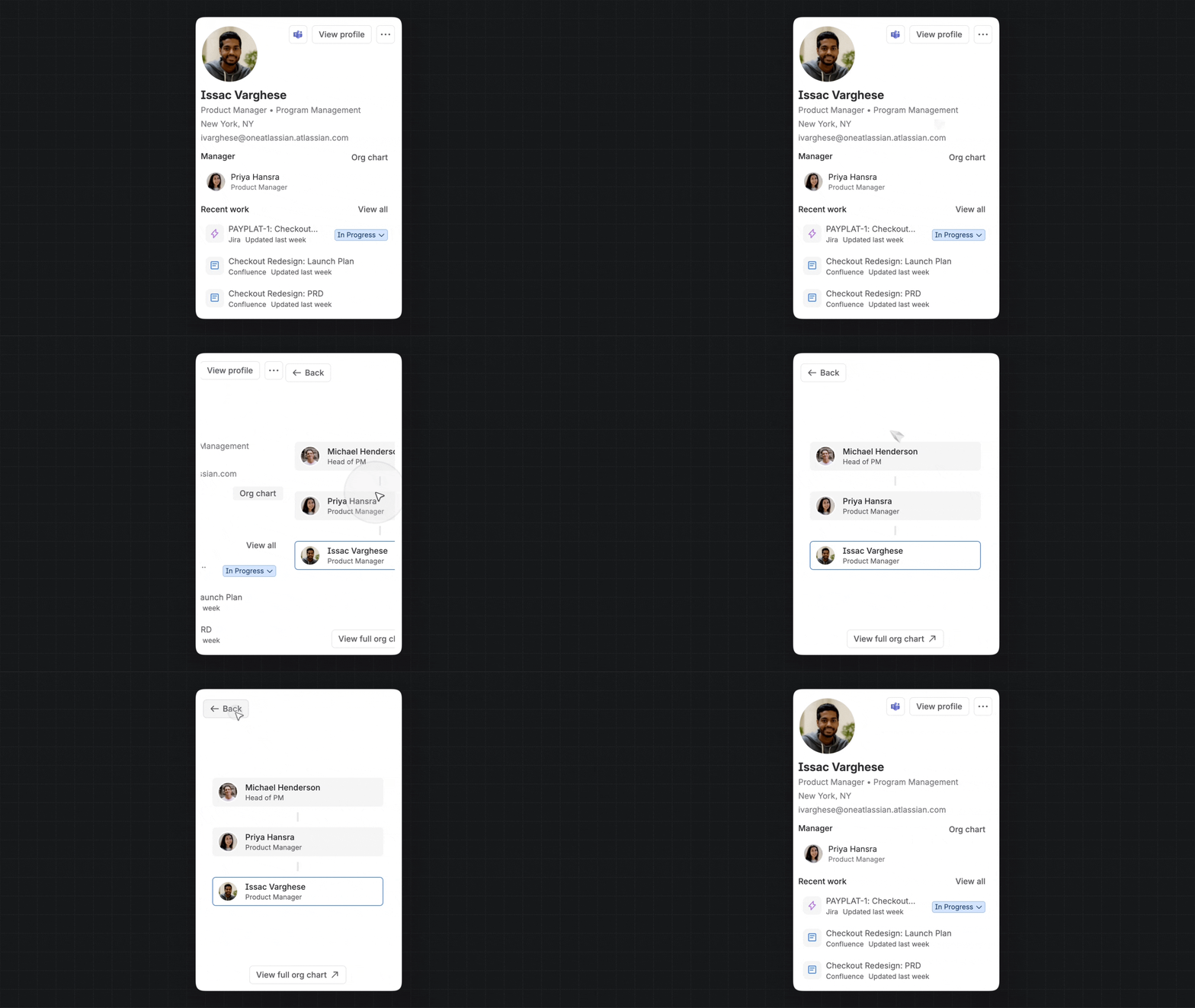
The visibility of this people context is pervasive throughout the Atlassian ecosystem. In Confluence and Jira, users can hover over any mentioned name or assignee to trigger a "people card." This card displays the individual’s title, team, and manager, as well as a summary of their recent activity across both Atlassian and connected third-party tools. This feature ensures that even when working with unfamiliar colleagues, employees have immediate access to the context of their collaborator’s work.
Beyond individual cards, the system introduces interactive organizational charts. These charts allow users to visualize the hierarchy of their company, moving up to see leadership or down to see direct reports and peers. Because this data is pulled directly from the connected HR system or directory, it serves as a "living" document that reflects the actual state of the organization without requiring manual updates to static diagrams.
Atlassian Rovo Chat also leverages this data to answer direct questions about personnel and structure. Users can inquire about reporting lines, team memberships, and specific roles, such as "Who is the head of product management?" or "Who can help me unblock the bug I just got assigned?" In the latter case, Rovo investigates the specific blocker and provides the person’s contact information alongside their people card. Atlassian has also indicated that Rovo will soon include citations for people-related facts, referencing sources like Workday or Microsoft Entra ID to ensure users know where the information originated.
The integration extends to Rovo Agents, which are designed to automate routine tasks. For managers, these agents can now handle team-specific workflows without manual input of team rosters. An agent tasked with preparing a recap for a sprint retrospective can automatically identify the correct team members via the Teamwork Graph. As the team’s composition changes in the HR system, the agent’s scope of review updates automatically, ensuring that the work of new hires is included and former employees are removed from the analysis.
In a significant move toward interoperability, Atlassian is making this people context available outside its own platform through the Teamwork Graph Model Context Protocol (MCP) server. This allows approved external AI tools, such as ChatGPT, Claude Desktop, or Gemini, to access the same organizational intelligence. By connecting these external models to the Teamwork Graph, users can prompt them to perform tasks that require organizational awareness, such as drafting emails tailored to a specific leader’s direct reports or summarizing architecture decisions made by a specific engineering team.
Despite the deep integration of sensitive personnel data, Atlassian emphasizes that organizations remain in control of their information. People context respects existing permissions; users can only see the information they are already authorized to view within the Atlassian environment. Administrators have the authority to choose which systems to connect and which specific data fields—such as reporting lines or titles—are imported into the Teamwork Graph. Furthermore, the data is governed by Atlassian’s standard privacy and security commitments, including data residency controls.
To begin utilizing these features, administrators are encouraged to connect their existing directories through the Atlassian Administration portal. Once the connection is established, the organizational data begins to populate the Teamwork Graph, enabling the hover-over cards, the interactive org charts, and the enhanced Rovo AI capabilities across the suite. This update marks a shift in Atlassian’s strategy toward a more holistic "digital twin" of the organization, where work and the people performing it are no longer treated as separate data points.