 11
 1
 2
 3
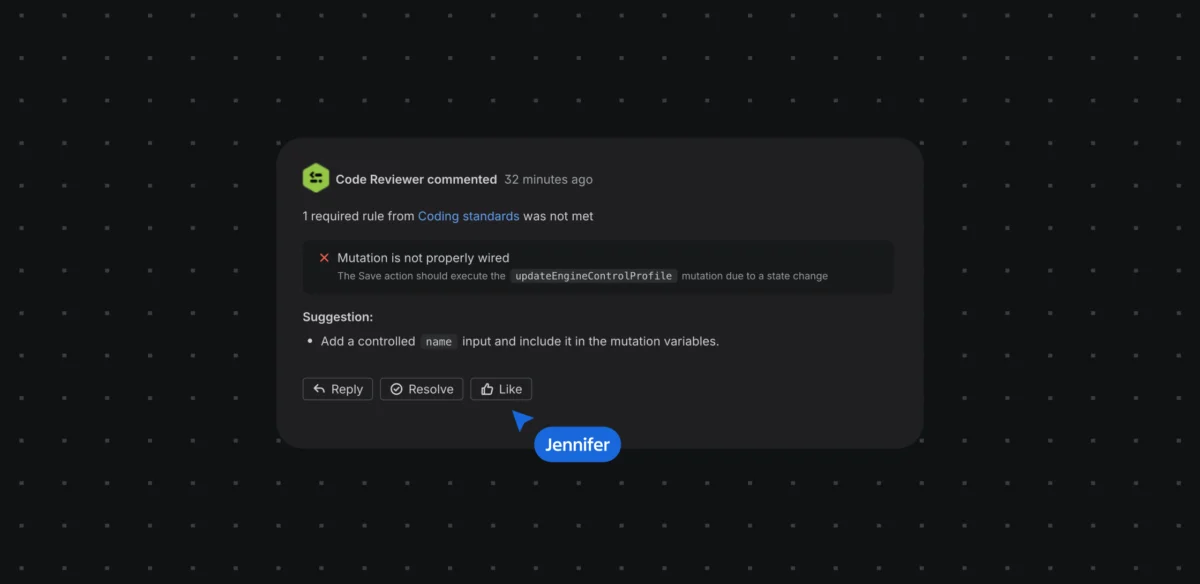
Atlassian has announced the general availability of Code Reviewer, a specialized AI agent designed to provide immediate, contextual feedback on pull requests. Now included with paid Jira and Teamwork Collection licenses, the tool aims to address the growing disparity between the speed of code generation and the speed of human review. As software engineering teams increasingly adopt AI coding assistants to generate blocks of code, the volume and velocity of submissions have begun to overwhelm traditional manual review processes. Code Reviewer is positioned as a solution to this "velocity gap," providing an automated first pass that allows human developers to focus their attention on complex architectural decisions and high-level logic rather than syntax or basic error checking.
The release comes at a critical juncture for the software industry. According to Atlassian’s Q3 State of AI Impact in Engineering Report, the widespread adoption of AI coding agents has significantly altered the landscape of the software development lifecycle (SDLC). The data indicates that while developers are writing code faster than ever, the subsequent stages of production are struggling to keep pace. Specifically, teams that utilize AI for code generation now experience wait times for human pull request reviews that have more than doubled. In the past year, the average wait time for a human reviewer has jumped from 32 minutes to 71 minutes. This delay is compounded by a dramatic increase in the volume of code being submitted; the median size of a pull request has surged from 46 lines of code to 102 lines within the same period. This 121% increase in pull request size suggests that AI agents are not just helping developers work faster, but are also encouraging the submission of larger, more complex changes that require more cognitive load from human reviewers.
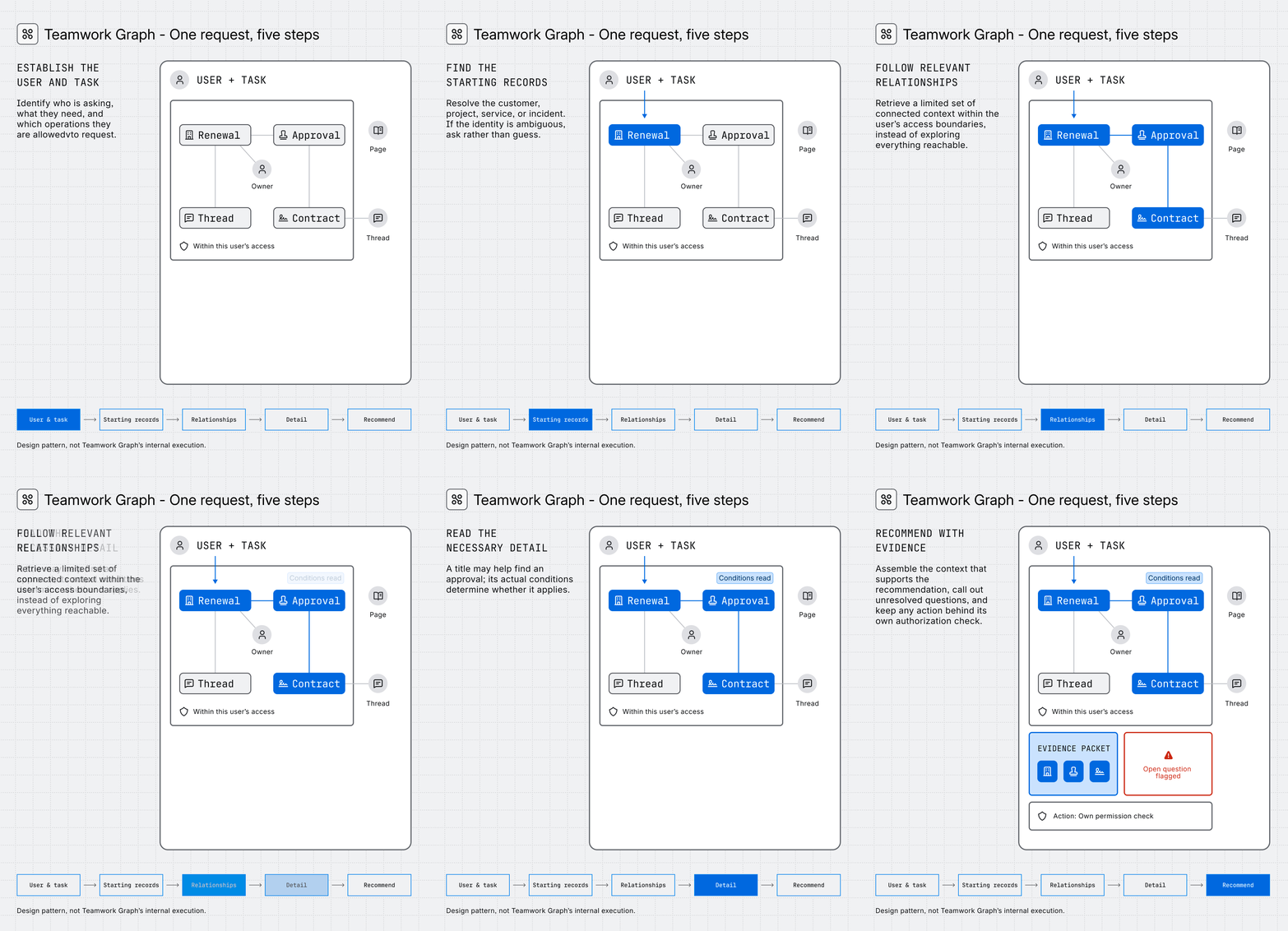
Code Reviewer is designed to integrate directly into existing workflows, supporting Bitbucket Cloud and GitHub at launch, with GitLab support expected in the near future. The agent’s primary differentiator is its deep integration with Jira and the Atlassian Teamwork Graph. Unlike generic AI models that may lack project-specific knowledge, Code Reviewer utilizes the "Teamwork Graph" to ground its feedback in the specific context of the organization. By connecting the code changes to the relevant Jira work items, the agent can verify if the code actually meets the defined acceptance criteria. This contextual awareness ensures that the feedback is not merely a generic assessment of code quality, but a targeted review of whether the submission fulfills its intended business purpose.
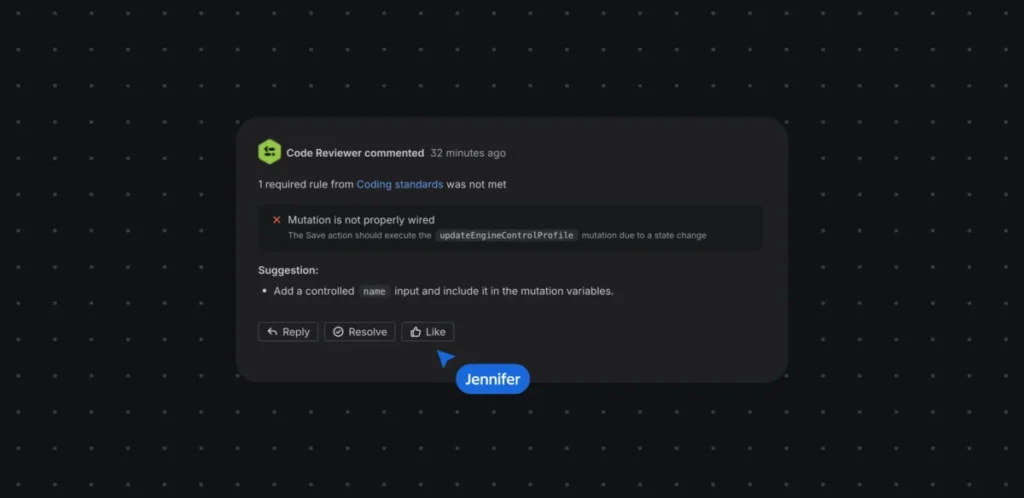
In practice, Code Reviewer functions by scanning pull requests as they are opened and leaving inline comments that flag potential issues. These comments include suggested fixes that the author can apply directly within the pull request interface, streamlining the remediation process. The agent’s diagnostic capabilities cover several critical areas: it identifies functional bugs, detects logic errors, surfaces potential security vulnerabilities, and flags maintainability issues that could lead to technical debt. Furthermore, for particularly large or complex pull requests—which the data shows are becoming the new norm—the agent generates a comprehensive summary. This summary serves to orient human reviewers, providing them with a high-level overview of the changes before they dive into the specific lines of code.
To ensure that the AI agent does not overwhelm developers with trivial or irrelevant feedback, Atlassian has implemented a built-in quality filter. This filter is designed to suppress low-value comments, ensuring that the feedback provided to the team represents "signal" rather than "noise." The goal is to ensure that every comment generated by the AI is worth a human developer’s time to read and act upon. Atlassian’s internal testing of the tool has yielded significant performance improvements. Since the internal rollout of Code Reviewer within Atlassian’s own engineering departments, the company has observed a 31% reduction in the median pull request cycle time. Additionally, the utility of the agent’s feedback is evidenced by the fact that 39% of the comments made by Code Reviewer led directly to a code change in the subsequent commit.
Beyond general code quality, Atlassian is also introducing a new feature in beta called "Standards." This feature allows organizations to document their specific internal coding standards and assign them to various repositories. Code Reviewer then uses these documented standards as a baseline for its reviews, ensuring that organizational requirements are applied consistently across all teams and projects. This addresses a common challenge in large engineering organizations where different reviewers may have varying interpretations of company style guides or architectural requirements. By automating the enforcement of these standards, Code Reviewer helps maintain a uniform codebase regardless of which human developer is assigned to the final review.
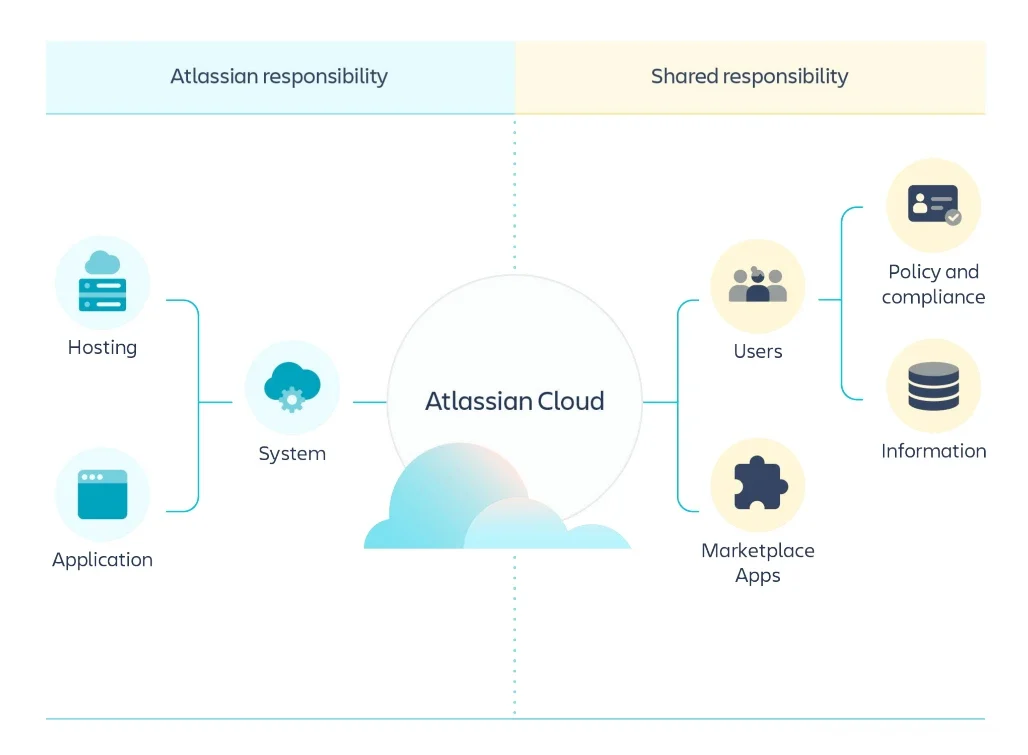
Data privacy and security remain a central focus of the Code Reviewer architecture. Atlassian has built the tool with a "trust and safety" first approach. Each review is executed within a temporary, isolated environment that is strictly ephemeral; the environment is deleted immediately upon the completion of the review. Atlassian has stated that user code is not stored after the review process is finished and, crucially, is never used to train the underlying AI models. This "no-retention" policy is intended to provide enterprise-level security for sensitive proprietary codebases. Furthermore, administrative controls are robust. Organization administrators have the authority to decide exactly where automatic reviews are permitted to run, with the ability to toggle the feature on or off at the workspace or repository level.
The implementation of Code Reviewer follows a tiered adoption model. By default, the tool is set to "manual mode" for eligible sites. In this configuration, the AI agent only initiates a review when specifically requested by the pull request author. However, Atlassian recommends that teams transition to "automatic review" to maximize the tool’s impact. In automatic mode, every new pull request receives an AI-generated first pass as soon as it is opened, without requiring manual intervention. This ensures that the author receives immediate feedback, allowing them to correct basic errors before a human teammate even begins the review process.
For organizations looking to implement Code Reviewer, the setup process varies slightly depending on the hosting provider. For Bitbucket Cloud, workspace admins can enable automatic reviews through the workspace settings, while repository admins can manage settings at the repository level. For GitHub users, the management of repositories is handled through Jira, requiring a Jira site admin to configure the automatic review settings. Atlassian emphasizes that the effectiveness of Code Reviewer is highly dependent on the quality of the context provided to it. To get the best results, the company recommends two primary habits: first, ensuring that code is consistently connected to Jira, and second, providing clear and detailed descriptions within Jira work items. Because the AI checks code against acceptance criteria, the more descriptive the Jira ticket, the more accurate the AI’s assessment will be.
Pricing for Code Reviewer is integrated into Atlassian’s broader AI strategy. The service utilizes "Rovo credits," which are managed under Atlassian’s usage-based pricing policy. This allows organizations to scale their use of the AI agent according to their specific needs and pull request volume. As AI continues to accelerate the "writing" phase of the software development lifecycle, tools like Code Reviewer represent a necessary shift toward automating the "validation" phase. By reducing the manual burden on senior developers and providing authors with instantaneous feedback, the tool aims to restore the balance of the development pipeline and ensure that the speed of innovation is not hindered by the very tools intended to accelerate it.