 11

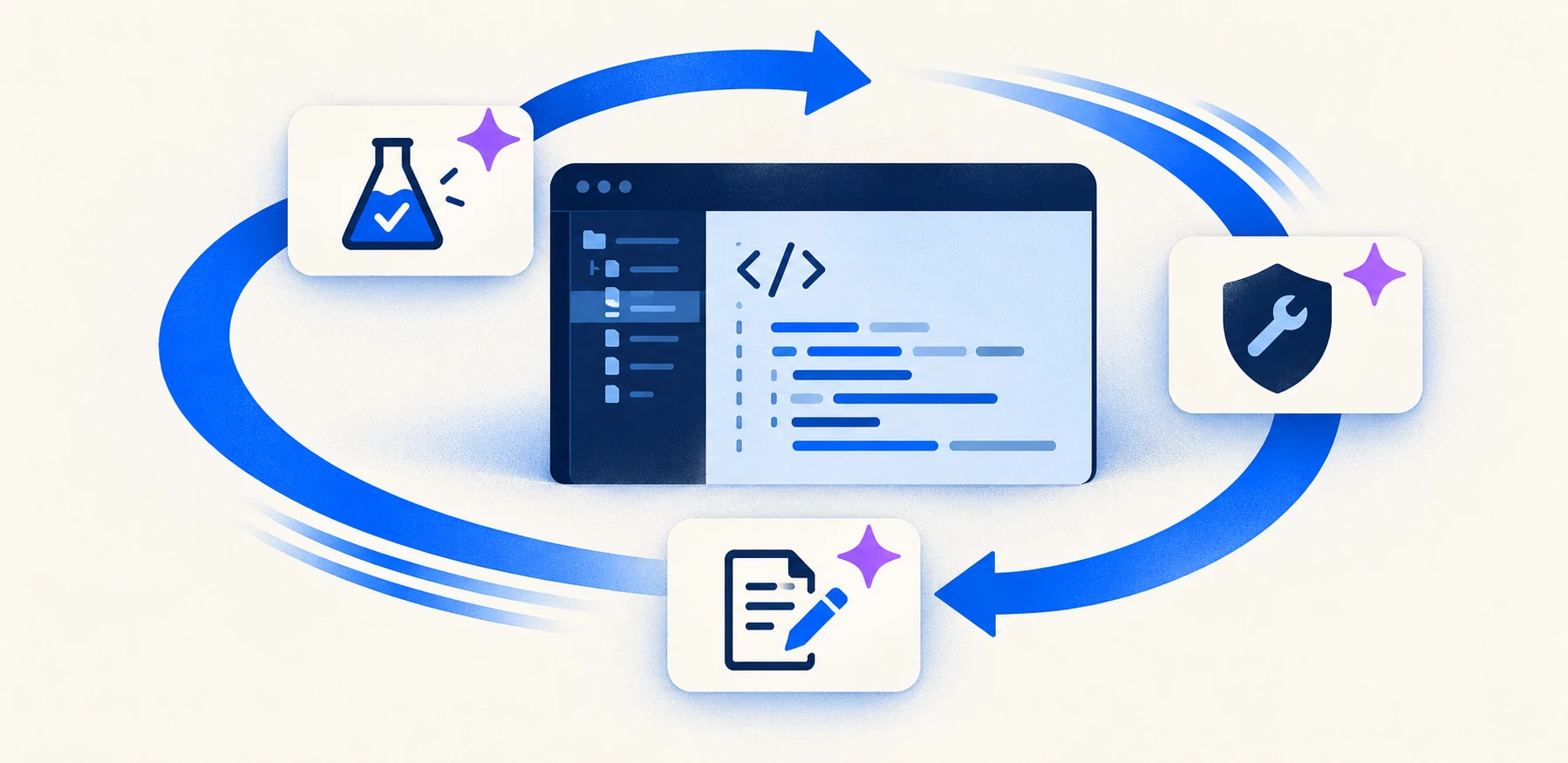
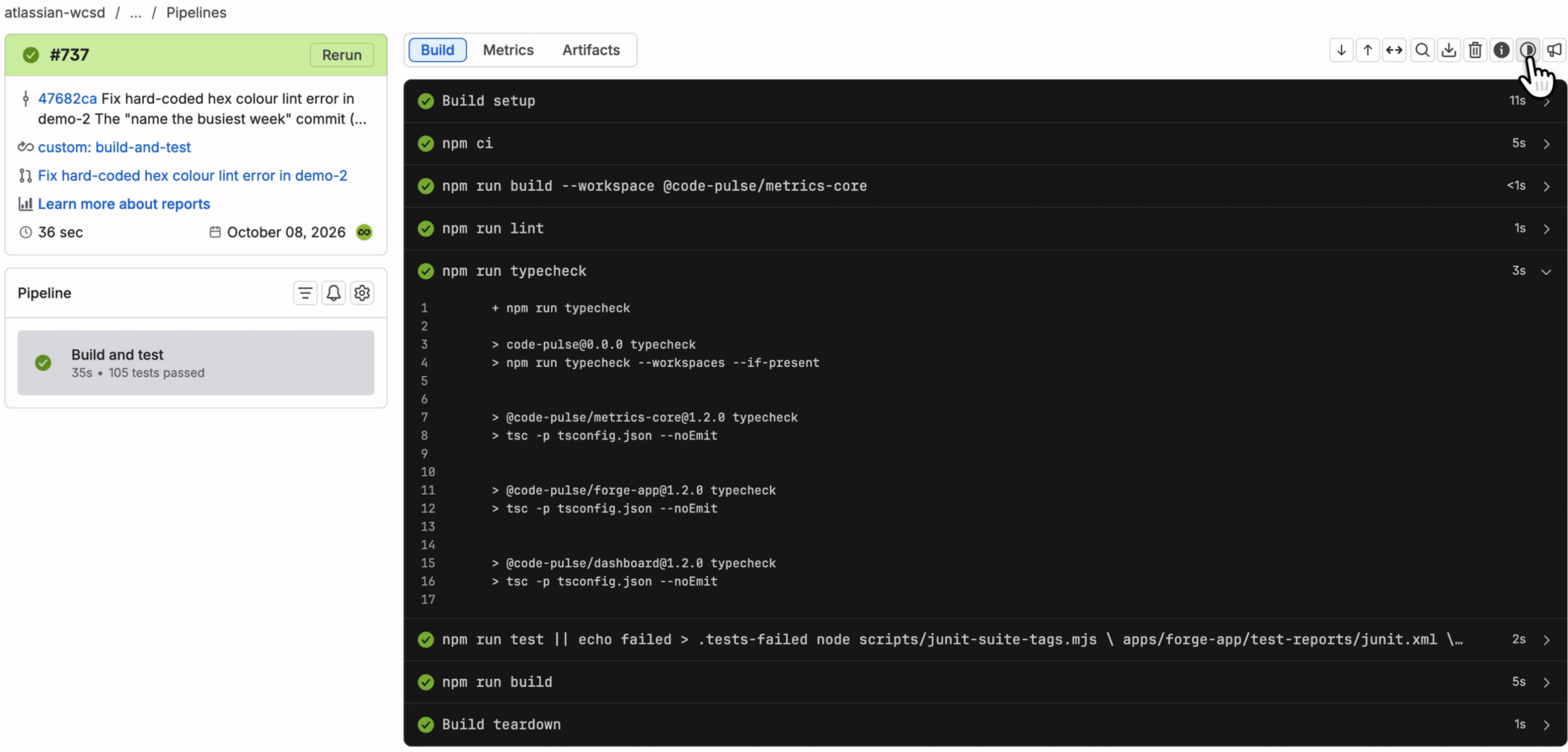
Atlassian has officially announced the general availability (GA) of Agentic Pipelines across all paid Bitbucket Cloud plans, marking a significant evolution in the DevOps landscape. This launch transitions Bitbucket Pipelines from a traditional Continuous Integration and Continuous Deployment (CI/CD) tool into an intelligent, AI-driven workflow engine. By integrating autonomous agents directly into the software development lifecycle, Atlassian aims to eliminate the manual "toil" that frequently disrupts developer flow and slows down the delivery of high-quality software.
The move to general availability follows a successful beta period during which Atlassian refined the platform’s ability to handle routine engineering tasks. The core value proposition of Agentic Pipelines lies in its ability to delegate repetitive, time-consuming chores—such as diagnosing test failures, updating technical documentation, remediating security vulnerabilities, and maintaining CI/CD configurations—to AI agents. This allows developers to maintain their "flow state," focusing on complex problem-solving and feature development rather than the administrative overhead of the pipeline.
For years, CI/CD pipelines have functioned as linear scripts: code is pushed, tests are run, and if everything passes, the code is deployed. However, when a step fails, the process typically halts, requiring a human developer to intervene, download logs, identify the root cause, and manually push a fix. Agentic Pipelines changes this dynamic by introducing "agents" capable of reasoning and taking action.
As a developer, a typical workday is often fragmented by the need to gather context across various tools—switching between Bitbucket for code, Jira for requirements, and Confluence for documentation. Agentic Pipelines addresses this friction by allowing agents to perform these context-gathering tasks autonomously. For platform teams, the GA release provides a mechanism to drive productivity at scale by embedding agentic steps into core pipelines that serve the entire organization.
Atlassian has introduced several critical features to ensure the platform meets the rigorous requirements of enterprise environments. These updates focus on flexibility, security, and integration within the existing Atlassian ecosystem.
One of the most significant additions is the expanded support for self-hosted runners. While Bitbucket provides cloud-based runners, many organizations prefer or require self-hosted infrastructure for security, compliance, or performance reasons. With the GA launch, Agentic Pipelines now supports Linux Docker runners on both x86_64 and arm64 architectures. This allows teams running builds on their own infrastructure to leverage AI agents without compromising their security posture. Atlassian has confirmed that support for MacOS, Windows, and other runner types is currently in development and expected to roll out in the coming quarters.
Recognizing that organizations have diverse security requirements, budgetary constraints, and existing partnerships with AI providers, Atlassian has adopted an open approach to AI models. Users are no longer restricted to a single provider. Since the beta, Bitbucket has added support for Anthropic’s Claude and OpenAI’s Codex. This flexibility allows enterprises to use the models they have already vetted and contracted with, ensuring that data handling aligns with their specific corporate policies.
The configuration for switching providers has been simplified to a single setting within the bitbucket-pipelines.yml file. For example, a developer can define an agent and specify the provider as follows:
definitions:
  agents:
    my-agent:
      prompt: "Explain this repository"
      provider: claude
pipelines:
  default:
    - step:
        script:
- agent: my-agentTo empower agents with the necessary context to make informed decisions, Atlassian has integrated native support for the Model Context Protocol (MCP) via the Atlassian Rovo MCP server. This integration allows agents to securely access data across the Atlassian suite. An agent tasked with fixing a build failure can now pull requirements from Jira tickets, reference architectural documentation in Confluence, and analyze the commit history in Bitbucket. This managed connection eliminates the need for complex, manual API configurations and ensures that agents operate with a holistic understanding of the project’s business and technical context.
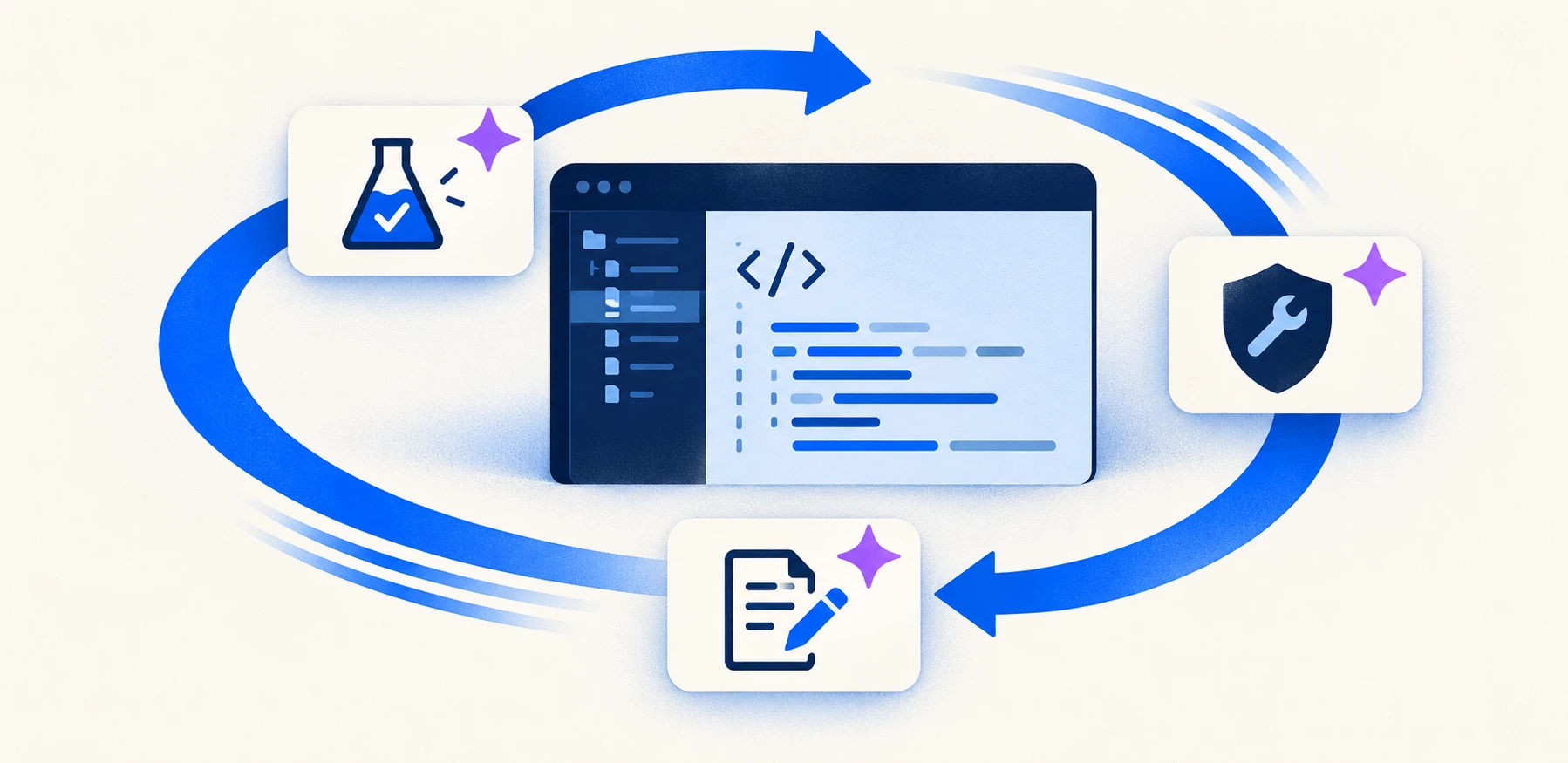
To lower the barrier to entry, Atlassian has introduced four "system agents" designed to handle the most common pain points in the CI/CD process:
These agents provide a "plug-and-play" experience, allowing teams to see immediate benefits while still retaining the ability to define custom agents tailored to unique organizational needs via YAML.
A standout feature of the GA release is the concept of the "self-healing" pipeline. In a traditional setup, a failed test requires manual triage. In an agentic pipeline, the system can be configured to pause upon failure. At this point, an agent is triggered to read the test logs, cross-reference the failure with recent code changes, apply a targeted fix, and automatically open a Pull Request (PR) for human review. This transforms the developer’s role from "investigator" to "reviewer," significantly reducing the Mean Time to Repair (MTTR).
With the transition to GA, Atlassian is implementing changes to how triggers are managed. The company has announced that overriding system triggers (such as fix-failed-step or fix-flaky-test) manually in the YAML file will no longer be supported. Instead, users are encouraged to enable and manage these via Workspace Settings.
For those needing to set a global AI provider for their agents, Atlassian recommends defining a default provider in the definitions section of the bitbucket-pipelines.yml rather than overriding individual trigger definitions.
Agentic Pipelines is available to all users on paid Bitbucket Cloud plans. To get started, administrators must ensure Pipelines is enabled in their workspace, after which they can activate Agentic Pipelines through the workspace settings.
The financial model for these features depends on the chosen AI provider. Using Atlassian’s native Rovo Dev requires a Rovo Dev Standard subscription. Organizations choosing to "Bring Your Own Model" (Claude or Codex) will be billed directly by their respective AI providers based on token usage. Under the BYOM model, code processing is governed by the organization’s existing agreement with the AI provider, ensuring that data privacy and security remain under the customer’s control.
Atlassian’s roadmap for Agentic Pipelines indicates a move toward even greater interactivity and integration. Future updates are expected to include a unified view of agent sessions, allowing developers to monitor and interact with AI agents in real-time. Additionally, Atlassian plans to introduce agents that can be triggered directly from Pull Request comments, allowing for a more conversational approach to code reviews and refactoring.
As the industry moves toward "AI-Native" development, Atlassian’s integration of agentic capabilities directly into the CI/CD pipeline represents a shift in how engineering teams manage scale. By automating the routine and often frustrating aspects of the software delivery process, Agentic Pipelines seeks to return the focus of engineering to innovation and the creation of value for end-users.
For teams looking to adopt these tools, Atlassian has provided extensive documentation, including sample agents for common use cases like applying security patches and increasing test coverage. The company also maintains an active community forum for Agentic Pipelines to gather feedback and facilitate knowledge sharing among early adopters.