 11

In a strategic move poised to redefine the public discourse surrounding artificial intelligence infrastructure, OpenAI is reportedly preparing an extensive public relations campaign to launch immediately following the upcoming midterm elections on Tuesday, November 3, 2026. This initiative, which includes a notable proposal to rebrand contentious data centers as "AI compute campuses," comes as these critical facilities face widespread public disapproval across various regions.
The timing of OpenAI’s "PR blitz," as reported by Axios on November 1, 2026, is highly significant. With Democrats anticipated to regain control of the House of Representatives and potentially the Senate, the political landscape is set for a shift that could bring new legislative scrutiny to the rapidly expanding AI sector. Chris Lehane, OpenAI’s chief global affairs officer, emphasized the profound political implications of the current period, describing the midterms as a "movie trailer for what you’re going to see in 2028." Lehane forecasts that artificial intelligence will escalate to become "the issue" in the next presidential election, underscoring the urgency for proactive engagement in shaping public perception and policy.
At the core of OpenAI’s strategy is a multifaceted approach designed to influence the burgeoning AI debate. Lehane outlined several key proposals aimed at fostering a more favorable and informed public understanding of AI’s role and its underlying infrastructure. These initiatives include advocating for "AI speed limits" to guide responsible development, actively working to help individuals perceive AI as an empowering force in their daily lives, and positioning the United States to lead in the establishment of global AI standards. Crucially, a central pillar of this public outreach effort involves directly confronting the negative perception of data centers by rebranding them as "AI compute campuses."
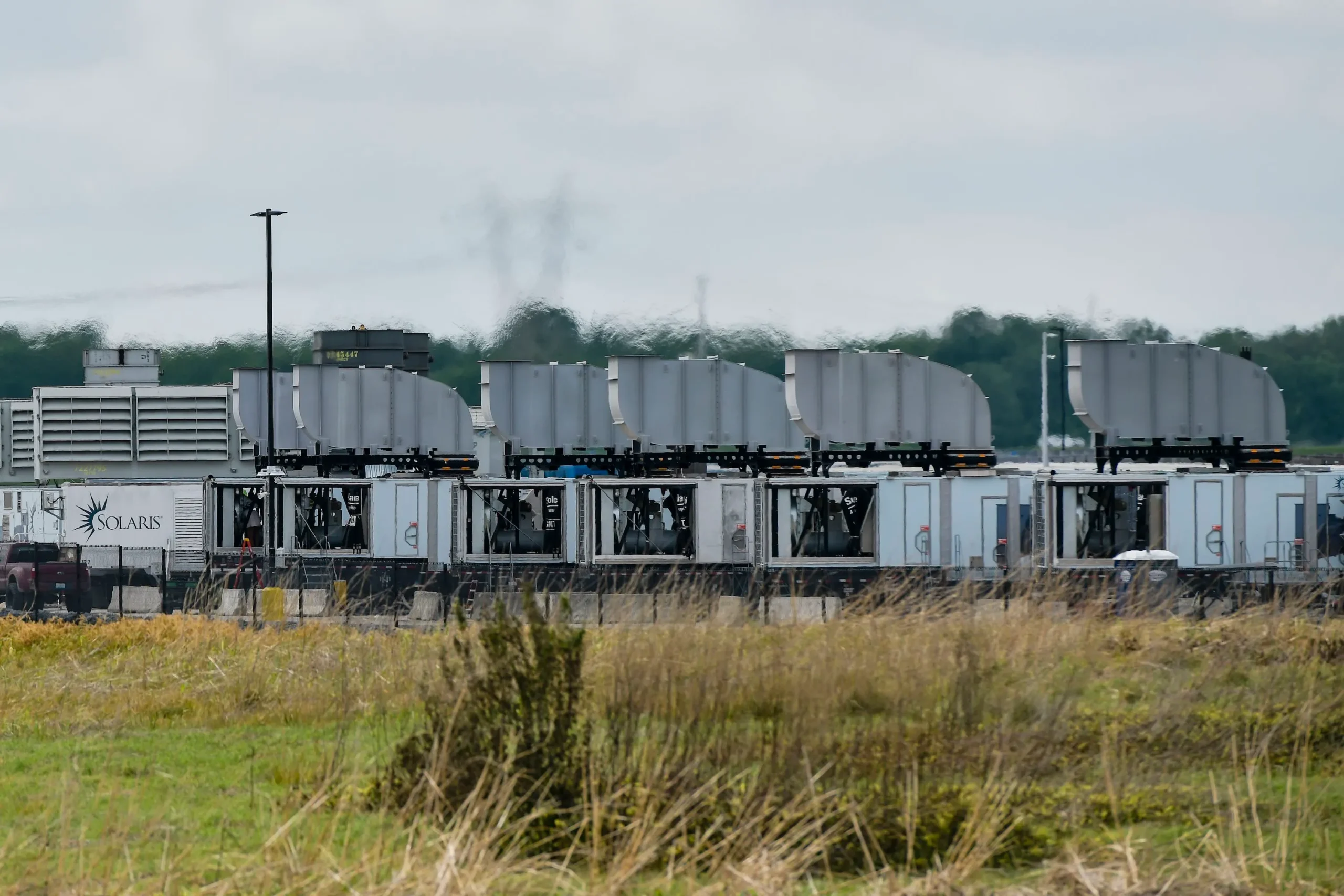
The necessity for such a rebranding effort stems from the undeniable and growing unpopularity of data centers. These large-scale facilities, which are indispensable for powering modern digital services and, increasingly, advanced AI operations, have become flashpoints for community protest and environmental concern. The sentiment against data center construction is "deeply unpopular," as noted in an earlier report, leading to significant backlash in various localities. An illustrative example of this public sentiment is captured in the image from June 27, 2026, depicting a protest in Vancouver, British Columbia, Canada, where individuals held signs opposing AI data centers. Such protests are not isolated incidents; early signs of significant opposition to AI server farms have also emerged in other Canadian provinces, including British Columbia and Manitoba, highlighting a broader societal unease.
The reasons behind this widespread opposition are varied and often complex, ranging from environmental impacts to local community disruption. Data centers are notorious for their substantial energy consumption, often requiring vast amounts of electricity to power servers and cooling systems, which can strain local grids and increase carbon footprints, especially if energy sources are not renewable. Furthermore, their demand for cooling often necessitates considerable water usage, raising concerns in areas prone to drought or water scarcity. Beyond resource consumption, local communities frequently voice objections related to noise pollution from cooling equipment, the aesthetic impact of large industrial buildings on landscapes, and the perception that these facilities, while creating some specialized jobs, do not always provide broad economic benefits to the immediate community proportionate to their demands on local resources and infrastructure. The sheer scale of these developments can also lead to increased traffic during construction and operation, impacting quality of life for nearby residents.
The intensity of this public backlash has already prompted significant responses from major industry players. Amazon and Microsoft, two of the world’s largest cloud providers and operators of extensive data center networks, have publicly committed to no longer utilizing non-disclosure agreements (NDAs) in their negotiations with local governments regarding new data center projects. This shift marks a notable concession, signaling a move towards greater transparency and accountability in response to community pressure. Historically, NDAs have been used to keep details of land acquisition, tax incentives, and environmental impact assessments confidential, a practice that has often fueled distrust and frustration among local populations seeking more open dialogue and oversight. The cessation of this practice by tech giants underscores the efficacy of community activism in forcing changes in corporate behavior and highlights the increasing scrutiny under which these projects operate.

OpenAI’s proposal to rebrand data centers as "AI compute campuses" is a direct attempt to pivot this narrative. The term "data center" often conjures images of nondescript, industrial facilities with significant environmental footprints. In contrast, "AI compute campus" seeks to evoke a sense of innovation, academic rigor, and perhaps even a more integrated, less imposing presence within a community. The word "campus" suggests a hub of activity, learning, and development, potentially implying a more positive contribution to the local intellectual and economic landscape beyond mere computational power. This linguistic reframing is intended to shift public perception from one of resource-intensive, environmentally burdensome infrastructure to one of cutting-edge research and technological advancement that benefits society.
Beyond the rebranding initiative, OpenAI’s broader policy proposals reflect a comprehensive vision for AI governance and public engagement. The concept of "AI speed limits," for instance, addresses growing concerns about the rapid, unchecked development of increasingly powerful AI systems. This proposal suggests a framework for controlled progress, potentially involving regulatory oversight, safety protocols, and ethical guidelines to ensure that AI capabilities advance responsibly and do not outpace society’s ability to manage their implications. Such a framework could involve phased deployment, independent safety audits, and public transparency mechanisms, mirroring calls from other leading AI organizations, such as Anthropic, which has outlined plans to "pace the frontier" of AI development.
Furthermore, Lehane’s emphasis on helping people perceive AI as empowering in their daily lives speaks to a crucial aspect of public acceptance. Many individuals harbor anxieties about AI’s potential to displace jobs, automate decision-making without human oversight, or exacerbate existing societal inequalities. OpenAI aims to counteract these fears by highlighting AI’s positive applications in areas such as personalized education, enhanced healthcare diagnostics, increased accessibility for individuals with disabilities, and tools that boost productivity and creativity across various professions. This involves demonstrating tangible benefits and communicating how AI can serve as a powerful tool to augment human capabilities rather than diminish them.
The call for the U.S. to take a leading role in developing global AI standards is equally significant. As AI technologies transcend national borders, the absence of harmonized international norms could lead to a fragmented regulatory landscape, hindering innovation, creating geopolitical tensions, and potentially undermining efforts to ensure responsible AI deployment worldwide. By advocating for U.S. leadership, OpenAI is signaling the importance of establishing shared principles for AI ethics, safety, and governance that can be adopted internationally, fostering a more secure and collaborative global AI ecosystem. This leadership role would involve diplomatic engagement, collaboration with international bodies, and the promotion of democratic values in the development and deployment of AI.
Despite the challenges posed by public opposition, Chris Lehane characterized the ongoing conversation around data centers as "good and healthy." This perspective suggests that OpenAI views public scrutiny not as an impediment but as an opportunity for constructive dialogue and refinement of industry practices. Lehane’s statement, "Communities should hold companies responsible and accountable so they really and truly get a transformative benefit from these projects," underscores a commitment to addressing local concerns and ensuring that AI infrastructure developments contribute positively to the areas they inhabit. This implies a willingness to engage with local stakeholders, potentially offering community investment, local job creation, educational programs, and environmentally sustainable practices that go beyond mere compliance.
In conclusion, OpenAI’s impending "PR blitz" represents a proactive and comprehensive effort to shape the narrative surrounding artificial intelligence and its essential infrastructure. By addressing public anxieties head-on, proposing strategic rebrandings like "AI compute campuses," and advocating for responsible development frameworks and global standards, the company aims to navigate a complex political and social landscape. As AI increasingly becomes a central issue in national and international policy debates, OpenAI’s strategy highlights the critical importance of public perception and engagement in the continued evolution and acceptance of this transformative technology. The outcome of these efforts will undoubtedly play a pivotal role in determining the future trajectory of AI development and its integration into society.