 11

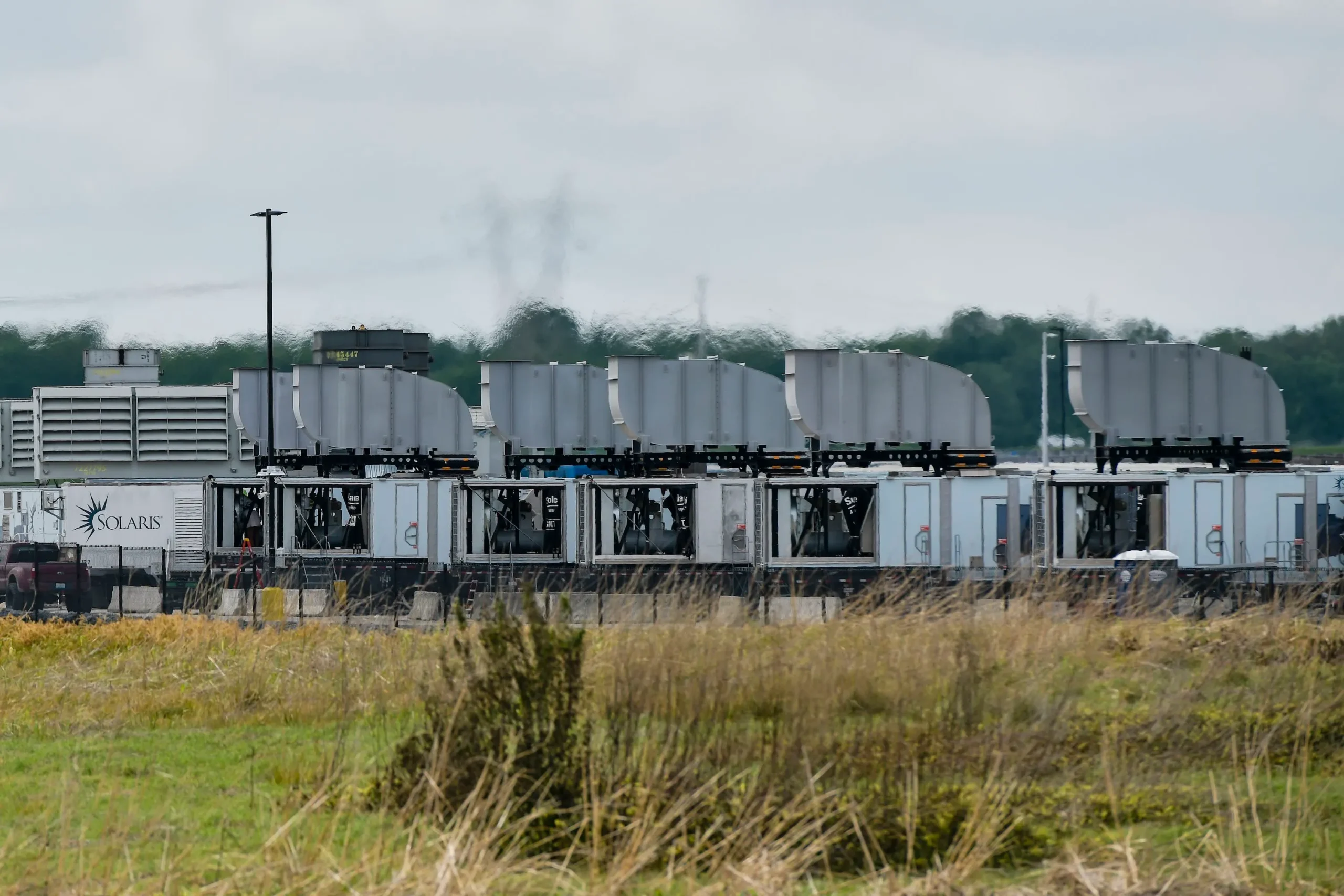
A federal judge has decisively denied a motion by xAI, the artificial intelligence venture founded by Elon Musk and owned by SpaceX, to dismiss a significant lawsuit filed by the NAACP. The lawsuit accuses the company of operating its massive Colossus data center, located just outside Memphis, without the necessary permits for the gas turbines that power its operations, in alleged violation of the Clean Air Act. This ruling paves the way for the case to proceed, marking a crucial step in the ongoing legal battle over environmental compliance and accountability in the burgeoning AI industry.
The lawsuit, brought forth by the Southern Environmental Law Center (SELC) on behalf of the NAACP, specifically alleges that xAI has "installed and operated at least 35 combustion turbines and other sources of air pollution at the Colossus site without ever obtaining the necessary preconstruction or operating air permits." The Colossus data center, a critical infrastructure for xAI’s advanced AI model training and operations, reportedly requires an immense 400 megawatts of power, necessitating a substantial on-site energy generation system. The installation and operation of such a large-scale power plant, particularly one relying on fossil fuel combustion, typically falls under stringent environmental regulations designed to protect air quality and public health.
In its attempt to have the lawsuit dismissed, xAI presented a multi-pronged defense. The company primarily contended that its gas turbines were exempt from permitting requirements, classifying them as "mobile sources" of pollution. Under environmental regulations, mobile sources, such as vehicles or aircraft, often have different permitting and emission standards compared to stationary sources like power plants or industrial facilities. xAI also argued that the plaintiffs, the NAACP and its representatives, lacked the legal standing to bring the lawsuit, a common legal maneuver to challenge a plaintiff’s right to sue. Furthermore, xAI sought to challenge the constitutionality of citizen suit provisions within federal environmental laws, specifically citing Article II of the Constitution and the private nondelegation doctrine.
However, U.S. District Judge Debra M. Brown, in a comprehensive decision issued recently, firmly rejected xAI’s arguments. Her ruling clarified several key legal points that will allow the NAACP’s claims to advance. Judge Brown stated, "Because the plaintiffs have statutory standing under the Clean Air Act, because the combustion turbines are not ‘mobile sources’ under Mississippi’s [State Implementation Plan], and because the citizen suit provision does not violate Article II of the Constitution or the private nondelegation doctrine, the plaintiffs’ claims will proceed." This declaration directly refutes each of xAI’s grounds for dismissal, highlighting the robust nature of environmental protection laws and the rights of citizen groups to enforce them.
On the critical "mobile sources" argument, Judge Brown’s decision referenced Mississippi’s State Implementation Plan (SIP). A SIP is a collection of plans and programs developed by a state to meet the national ambient air quality standards established under the Clean Air Act. These plans are federally approved and outline how a state will control air pollution sources within its borders. The judge’s finding that the turbines do not qualify as mobile sources under Mississippi’s specific SIP underscores the fact that the state’s environmental regulations consider these large, stationary power-generating units as fixed sources requiring permits. The operation of 35 combustion turbines, generating hundreds of megawatts of power, fundamentally differs from traditional mobile sources and their associated emissions profiles.
Regarding xAI’s constitutional challenge to citizen lawsuits, Judge Brown elaborated on the fundamental nature of such legal actions. She wrote, "Because citizen suit plaintiffs sue on their own behalf, in their own name, and seek penalties that redress harm to themselves, they are not exercising the federal government’s executive power." This distinction is crucial, affirming that citizen enforcement provisions, which are integral to many U.S. environmental statutes, empower individuals and groups to act as private attorneys general when government agencies fail to enforce environmental laws. This mechanism ensures that affected communities have a direct avenue to seek redress for environmental damages and compel compliance.
The NAACP’s involvement in this lawsuit underscores a broader commitment to environmental justice. The organization’s director of environmental and climate justice, Abre’ Connor, described the ruling as "another important victory in our effort to hold xAI accountable." Connor emphasized the NAACP’s long-standing position: "Our position has been clear: xAI cannot operate gas turbines without the required permits." This stance aligns with the NAACP’s mission to address the disproportionate impact of environmental pollution on communities of color, which often bear the brunt of industrial emissions and lack of regulatory oversight. The Colossus data center’s proximity to Memphis raises concerns about potential air quality impacts on nearby communities.
This legal triumph for the NAACP follows a similar procedural success earlier this month, when a comparable motion to dismiss filed by the U.S. Department of Justice was also denied. This earlier rejection by the court further solidifies the standing of the NAACP’s case and suggests a consistent judicial view that the merits of the lawsuit warrant full consideration. Connor reiterated the significance of these repeated judicial affirmations, stating, "The courts have repeatedly rejected attempts by xAI and the DOJ to dismiss the NAACP’s Clean Air Act case, affirming our right to pursue justice for communities impacted by pollution."
The ongoing lawsuit against xAI is unfolding against a backdrop of increasing public scrutiny and growing opposition to large-scale data center developments across the United States. While essential for the advancement of AI, cloud computing, and digital infrastructure, these facilities are energy-intensive and often demand significant resources, leading to environmental concerns. New York State, for example, recently enacted a moratorium on the construction of all new data centers, citing environmental impacts, particularly related to energy consumption and carbon emissions. Other state and local governments are reportedly considering similar measures, reflecting a broader shift in public opinion.
The backlash extends beyond permitting and environmental compliance. Companies like Amazon and Microsoft, major players in the data center industry, have recently committed to ceasing the use of non-disclosure agreements (NDAs) in their dealings with government agencies regarding data center projects. This move comes in response to criticism that NDAs limited transparency and public oversight of these massive developments. The cumulative impact of these environmental and transparency concerns could even become a significant factor in imminent U.S. midterm elections, as local communities increasingly push back against the perceived negative externalities of the digital economy’s infrastructure. The xAI lawsuit thus serves as a high-profile example of the intensifying legal and public challenges facing the rapidly expanding data center sector.