 11

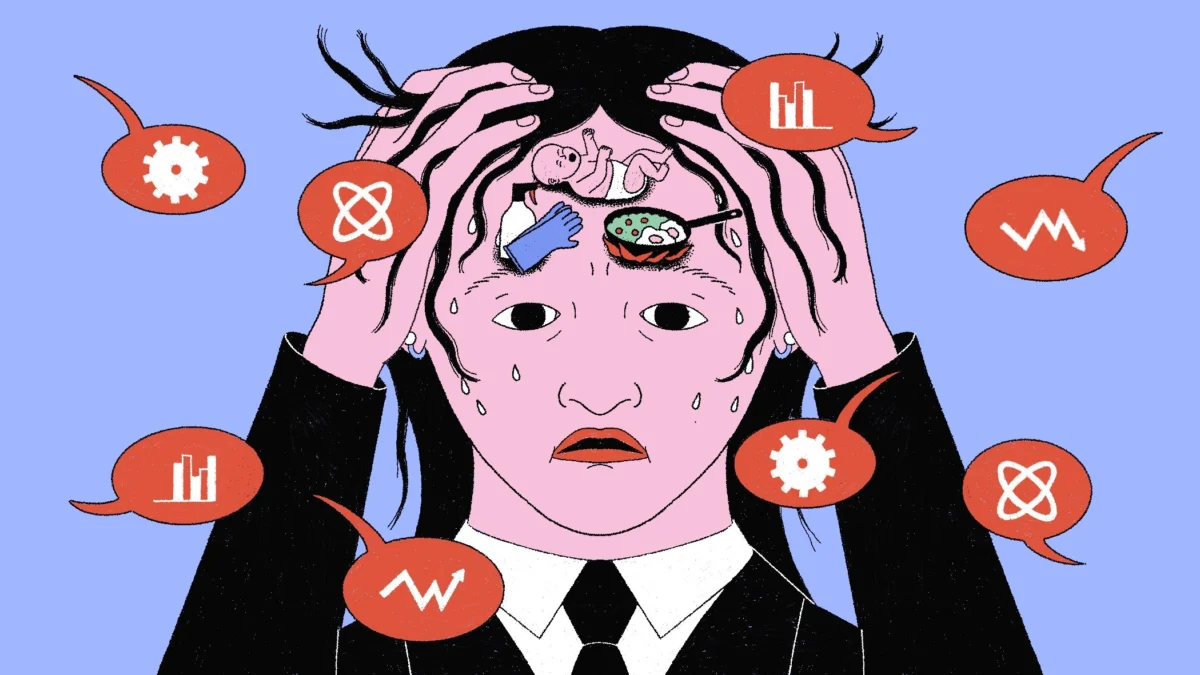
WIRED magazine has unveiled insights from a comprehensive survey of 634 women working in the technology sector, painting a vivid picture of an industry marked by both rapid innovation and persistent cultural challenges. The findings highlight a striking dichotomy: while executives are embracing artificial intelligence to streamline their operations, new hires frequently encounter entrenched "bro culture." These contrasting experiences underscore the complex and often contradictory realities faced by women across different career stages within tech. The survey, a significant undertaking by WIRED, aimed to give voice to these women, allowing them to candidly share their perspectives on the industry’s advancements and its enduring obstacles.
The survey’s key takeaway, as encapsulated by the report’s summary, points to a tech landscape where leadership is "happily automating their days with AI," suggesting a top-down adoption of new technologies for efficiency and strategic advantage. This trend signifies a shift in executive responsibilities, with AI potentially taking over routine tasks, allowing leaders to focus on higher-level decision-making and innovation. For those at the helm, AI is perceived as a powerful tool for progress and optimization, transforming daily operations and shaping the future trajectory of tech companies.
However, this narrative of technological advancement stands in stark contrast to the experiences of those entering the industry. New hires, particularly women, are often "confronting bro culture," a term that describes an exclusionary, male-dominated environment characterized by casual sexism, unprofessional conduct, and a lack of inclusivity. This cultural barrier can manifest in various ways, from subtle microaggressions and limited mentorship opportunities to overt discrimination and an unwelcoming atmosphere that hinders career progression and job satisfaction. The persistence of "bro culture" suggests that despite efforts towards diversity and inclusion, systemic issues remain deeply embedded within many tech workplaces, particularly for those at the entry level.
The disparities revealed in the survey reinforce a broader, ongoing conversation about gender equity in Silicon Valley and beyond. WIRED’s dedication of an entire issue to women in 2026, as noted in a related editorial, might seem "regressive, or obvious, or even unnecessary" to some, yet the magazine firmly disagrees. This stance underscores the belief that the challenges women face in tech are far from resolved, necessitating continued, focused attention. The editorial posits that despite decades of advocacy and initiatives, fundamental issues of bias, representation, and equitable treatment persist, making dedicated coverage not just relevant but essential to drive meaningful change.

The question "Why Is Silicon Valley Still a Boys’ Club?" continues to resonate, reflecting the enduring gender imbalance in leadership roles and technical positions. This persistent male dominance impacts networking, mentorship, promotion opportunities, and overall workplace culture. The invitation for the public to submit questions for a panel discussion on this topic highlights a community-wide acknowledgment of the problem and an ongoing search for solutions. It suggests that the "boys’ club" is not merely a perception but a lived reality for many, impacting everything from startup funding to corporate decision-making.
Cultural phenomena within the tech hub also come under scrutiny. The emergence of a "Silicon Valley ‘Hot Girl Renaissance’" points to a peculiar intersection of social dynamics and professional life. This trend, centered around a "San Francisco ‘Hot List’," attempts to challenge prevailing stereotypes about dating and attractiveness within tech circles. While ostensibly aimed at empowering women, it also brings to the forefront wider debates about the value placed on physical appearance in professional environments and how these perceptions can either empower or further objectify women in an industry already grappling with gender bias. It illustrates the complex and sometimes contradictory ways women navigate their identities and careers in tech.
Beyond the immediate experiences of women in tech, the broader industry landscape is undergoing significant transformations, with AI playing a central, often controversial, role. While executives embrace AI for automation, not all segments of the workforce share this enthusiasm. For instance, a separate report by WIRED indicates that "Insurance Claims Adjusters Really Hate AI," with a staggering 98 percent of Glassdoor reviews mentioning AI being negative. This sentiment stems from concerns that AI is being "given the keys" to decision-making, potentially undermining human judgment and job security. This illustrates the dual nature of AI’s impact: a tool for empowerment and efficiency for some, and a source of apprehension and job displacement for others. These broader anxieties about AI’s role in the workforce inevitably shape the environment for all tech professionals, including women, who may face unique vulnerabilities or opportunities depending on their roles and industry sectors.
Major tech companies are also grappling with how to integrate AI internally. Meta, for example, is reportedly "pushing its new AI agent on employees—but easing off on Tokenmaxxing." This strategy involves encouraging internal experimentation with advanced AI projects like "Hatch," while simultaneously reducing pressure on employees to conform to specific AI usage metrics. This nuanced approach reflects the challenges companies face in fostering innovation without alienating their workforce, especially as AI continues to evolve rapidly.
The post-pandemic era has also witnessed significant economic shifts within the tech sector. The "Postpandemic Tech Bust Sent Billionaires to Trump," a consequence of mass layoffs in 2022 and 2023, led to widespread disillusionment among tech workers. This disaffection was compounded when liberal politicians also began to rally against Silicon Valley, prompting some of the industry’s financial backers to turn towards Donald Trump. This political realignment underscores the volatility of the tech industry, where economic downturns can trigger unexpected shifts in alliances and ideologies, affecting the stability and culture of tech companies for all employees.

Furthermore, the tech industry is experiencing a nascent labor movement, exemplified by "Wikipedia Workers Unionizing for the First Time." Over 200 employees across various roles, including engineering, finance, and communications, are now represented by the Communications Workers of America. This landmark event signals a growing trend of tech workers seeking greater collective bargaining power, better working conditions, and increased job security. Such unionization efforts reflect a broader desire for more equitable and transparent workplace practices, which could ultimately benefit women in tech by providing additional avenues for addressing grievances and advocating for their rights.
Even specific technical domains carry gendered connotations, as highlighted by an article titled "Justice for CSS," which defends the programming language often perceived as "girly." This piece subtly reveals how even tools and technologies can be subject to gendered stereotypes, reinforcing the broader "bro culture" by implicitly devaluing aspects of tech associated with femininity. Such perceptions contribute to the larger narrative of women’s experiences in tech, where their contributions might be undervalued or dismissed based on ingrained biases.
Finally, the cutting edge of AI research itself is not immune to controversy. "OpenAI Just Claimed a Huge Math Discovery. Some Academics Are Crying Foul," indicating that a major announcement from the frontier AI lab has been overshadowed by accusations of impropriety. This incident highlights the intense competition and ethical dilemmas inherent in advanced AI development, where the pursuit of groundbreaking discoveries can lead to disputes over academic integrity and credit. These high-stakes debates shape the scientific and ethical landscape in which all AI researchers, including women, operate. Even corporate maneuvers, such as "OpenAI Cut Off a Billion-Dollar Customer to Avoid Elon Musk" after his company SpaceX acquired an AI coding startup, demonstrate the complex interplay of business, power, and competition that characterizes the modern tech industry.
The extensive reporting and analysis, much of which is overseen by Sandra Upson, a features editor at WIRED, draws upon a wealth of journalistic experience. Prior to her role at WIRED, Upson served as a senior editor at Medium and co-founded Backchannel with Steven Levy as its executive editor. Her distinguished career also includes contributions to esteemed publications such as Scientific American, Newsweek, IEEE Spectrum, and The Wall Street Journal. Her profound background in covering science, technology, and business lends considerable depth and credibility to WIRED’s ongoing examination of these critical issues.
In conclusion, the WIRED survey and related investigations reveal that the experiences of women in tech are multifaceted, ranging from the pervasive challenges of "bro culture" and gender stereotypes to the transformative, yet sometimes unsettling, impact of artificial intelligence. The industry is in a constant state of flux, marked by economic shifts, evolving labor dynamics, and high-stakes technological and corporate developments. Through dedicated reporting, WIRED continues to amplify the voices of women in tech, providing essential insights into their struggles, triumphs, and the ongoing quest for a truly equitable and inclusive future in the technology sector.






