 11

Society has long grappled with the pervasive impact of digital technology on our cognitive functions, frequently lamenting the rise of "digitally addled minds" and the diminishing "goldfish-like attention spans." A significant share of this blame has been directed towards practices like doomscrolling, identified as a primary culprit behind our collective inability to engage in sustained activities such as reading a book or dedicated study for examinations. This widespread concern posits that the incessant consumption of short-form, often superficial digital content erodes our capacity for deep focus and prolonged intellectual effort. However, an innovative Palo Alto-based startup, ScrollEd, is challenging this prevailing narrative, suggesting that the solution might not lie in abandoning digital scrolling altogether, but rather in fundamentally reimagining the nature of the content we engage with.
ScrollEd is making a bold bet that the digital native generation’s inclination towards scrolling can be harnessed for productive learning. The company’s core premise is simple yet revolutionary: if students are increasingly reluctant to open traditional textbooks, then the textbooks themselves should adapt to the students’ preferred mode of consumption, presenting information as a dynamic, scrollable feed. This novel approach positions ScrollEd as a potential disruptor in the educational technology landscape, and the startup is set to showcase its vision at the highly competitive TechCrunch Disrupt Startup Battlefield 200 competition. Their participation underscores the industry’s growing recognition of the need for innovative solutions to bridge the gap between traditional learning methodologies and contemporary digital habits.
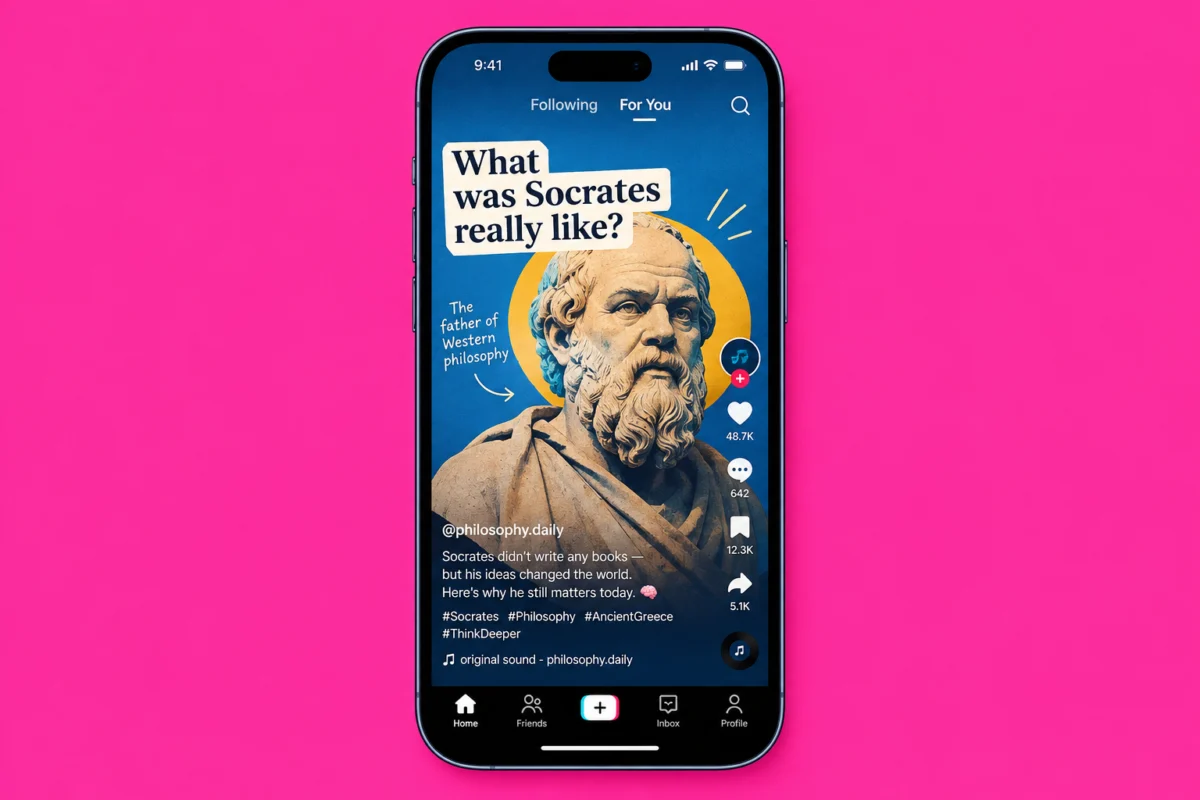
At the heart of ScrollEd’s offering is an intuitive application designed to transform any conventional text file – including dense, often intimidating PDFs or comprehensive textbooks – into an engaging feed reminiscent of popular social media platforms like Instagram Reels or TikTok. This transformation is not merely aesthetic; it’s a sophisticated integration of artificial intelligence and interactive design. As users scroll through the content, information is presented in a multi-modal format, leveraging AI to generate video clips, audio explanations, concise text summaries, and even interactive quizzes. This dynamic presentation aims to cater to diverse learning styles and maintain user engagement, making the learning process feel less like a chore and more like an immersive digital experience.
The user interface of the ScrollEd app is specifically engineered to mirror the familiar gestures of short-form video platforms, thereby lowering the barrier to entry for digital natives. Swiping upwards seamlessly transitions the user to a new topic or lesson, encouraging continuous exploration across a broader curriculum. Conversely, swiping sideways allows users to delve deeper into the current subject matter, providing additional layers of detail, supplementary content, or alternative perspectives. This horizontal swipe functionality is often followed by a quiz, strategically placed to reinforce learning and assess comprehension, transforming passive consumption into active recall. This design choice directly addresses the challenge of depth in short-form content, providing an accessible pathway for users to expand their knowledge beyond initial snippets.
Utsav Gupta, co-founder of ScrollEd, articulated the driving philosophy behind their creation in an email to TechCrunch, highlighting the critical shift in how younger generations consume media. "The younger generation is increasingly going short form, vertical feed only (especially the 18 year olds we’ve spoken to!), and this poses challenges for any kind of media that requires depth," Gupta observed. This insight underscores a fundamental disconnect between traditional educational materials, which often demand sustained, linear engagement, and the prevalent digital consumption habits characterized by rapid, fragmented interactions. ScrollEd’s mission, as Gupta puts it, is to "meet them where they are," acknowledging and leveraging these ingrained behaviors rather than fighting against them.
Crucially, Gupta emphasized that ScrollEd’s design philosophy consciously diverges from the engagement-maximizing algorithms typical of mainstream social media. "We just have to be deliberate about how we use it and choose not to maximize engagement on the platform," he stated. This distinction is vital; while the app adopts the engaging format of social media, its underlying purpose is educational, not merely retention-driven for advertising purposes. Gupta further elaborated on this nuanced approach: "A short video can make you curious; following that curiosity can mean searching for another explanation or leaving the app. We wanted going deeper to be as easy as moving to the next video." This design ensures that the app facilitates the natural progression from curiosity to in-depth learning, keeping users within a focused educational environment rather than dispersing their attention across the broader internet.
The genesis of ScrollEd emerged from a shared personal experience between its co-founders, Utsav Gupta and Rebecca Neff. Both noticed a recurring sense of dissatisfaction after engaging in mindless doomscrolling before bedtime. This personal frustration, coupled with their academic pursuits, catalyzed the idea for a more purposeful digital interaction. Gupta, currently studying AI and human purpose at Stanford University, brings a deep understanding of artificial intelligence’s potential and ethical implications. Neff, his co-founder and wife, is pursuing computer science at the University of Pennsylvania, contributing expertise in software development and technical architecture. Their combined academic backgrounds and personal motivations provided a robust foundation for bootstrapping ScrollEd earlier this year.
ScrollEd’s market strategy targets a diverse range of users, reflecting the broad applicability of its innovative learning platform. The startup is specifically aiming at educational institutions, recognizing the immediate need for engaging tools in classrooms and lecture halls. Beyond traditional academia, corporate training programs represent another significant target, offering a dynamic way for companies to deliver internal education, compliance training, and professional development content to their employees. Furthermore, ScrollEd also caters to individuals who, as Gupta describes, "just want something better to scroll on" – a demographic seeking more enriching and productive alternatives to conventional social media feeds. This multi-pronged approach positions ScrollEd to address various segments of the lifelong learning market.
The business model for ScrollEd is structured around a freemium offering, designed to attract a wide user base while providing clear pathways for monetization. A free consumer feed allows individual users to access a curated library of educational content, providing an entry point to experience the platform’s unique format. For more advanced features, personalized content, or an ad-free experience, users can opt for a paid ScrollEd Pro subscription. Critically, for its institutional clients, ScrollEd offers annual institutional licenses. These licenses enable educational organizations and corporations to deliver their proprietary educational materials through the platform. In exchange, institutions gain access to valuable analytics and reports detailing engagement levels, lesson progress, and other pertinent data, allowing them to track and optimize their educational delivery.
Looking ahead, ScrollEd has outlined an ambitious roadmap for the coming months. A primary focus will be on its consumer launch, which is strategically planned to coincide with its appearance at TechCrunch Disrupt. Gupta humorously noted, "We’re hoping to ‘disrupt’ social media and short form!" reflecting their aspiration to redefine digital engagement. Concurrently, the company will dedicate significant efforts to building out its lesson library, expanding the breadth and depth of available educational content. A robust source-checking workflow is also under development to ensure the accuracy and reliability of all information presented on the platform. Furthermore, ScrollEd intends to develop pilot programs with various institutions, gathering feedback and demonstrating the efficacy of its platform in real-world educational settings.
Beyond these immediate goals, ScrollEd is also investing in the foundational infrastructure that will support its long-term vision. The startup is building capabilities that will eventually allow educators to assess individual learners with greater precision and adapt educational content and pathways to their specific needs and learning styles. This move towards personalized adaptive learning underscores ScrollEd’s commitment to leveraging technology for more effective and individualized education. Ultimately, Gupta articulated the startup’s grand ambition: "The ambition is a social network that’s better for you." This statement positions ScrollEd not merely as an educational app but as a paradigm-shifting platform aiming to cultivate a digital environment that actively promotes intellectual growth and well-being, rather than passive consumption.
ScrollEd, alongside other innovative startups vetted by TechCrunch’s editorial team, is poised to make a significant impact at TechCrunch Disrupt, scheduled for October 13-15 in downtown San Francisco. This event offers an unparalleled opportunity for industry leaders, investors, and the public to discover groundbreaking technologies like ScrollEd. Further details regarding the event and ticket information are available through TechCrunch’s official channels. It is important to note that when purchases are made through links provided in TechCrunch articles, the publication may earn a small commission, though this does not influence its editorial independence or coverage decisions.
Rebecca Bellan is a senior reporter at TechCrunch, where her extensive work covers the business, policy, and emerging trends within the rapidly evolving field of artificial intelligence. Her insightful reporting has also been featured in esteemed publications such as Forbes, Bloomberg, The Atlantic, and The Daily Beast, among others. For inquiries or to verify outreach, Rebecca can be contacted via email at [email protected] or through encrypted message at rebeccabellan.491 on Signal.