11

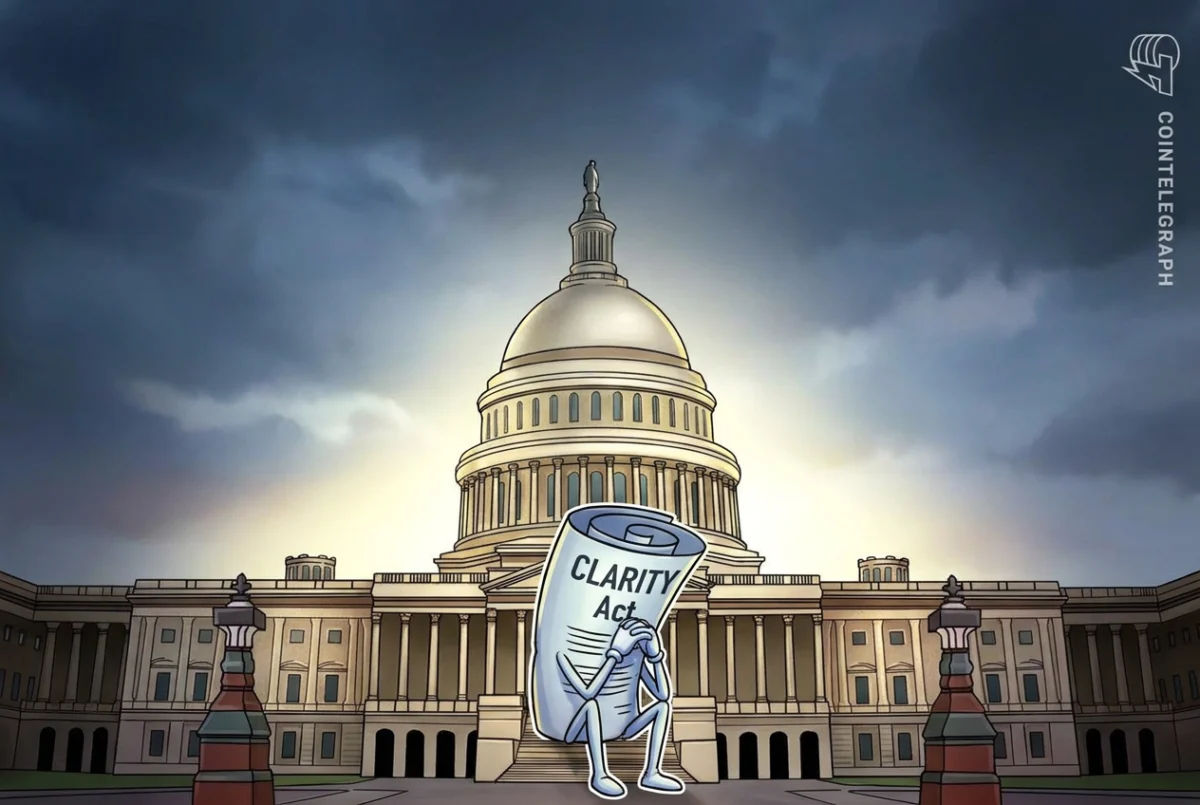
Despite a recent setback in the Senate, there is a renewed possibility that the cryptocurrency market structure bill, known as the CLARITY Act, could be brought forward for another vote before the current Congress concludes its term. Adrian Wall, managing director of the Digital Sovereignty Alliance, revealed that senators from both major political parties are exploring strategies to reintroduce the legislation during the post-election "lame-duck" session.
Wall, speaking on Cointelegraph’s "Chain Reaction" show on X (formerly Twitter) on Wednesday, indicated that he had engaged in direct conversations with senators who are actively considering another attempt to advance the crypto market structure legislation. "There is an appetite to put this forward even during the lame duck period of Congress," Wall stated, acknowledging the inherent difficulties and low probability of success. He described the potential endeavor as "very complicated" and a "long shot."
Crucially, Wall emphasized that this information came directly from senators themselves, rather than from congressional staff. He relayed that he had "heard it directly from senators on both sides… saying they have a strategy to engage the other side and see if there’s a last chance to do it." This suggests a bipartisan, albeit potentially fragile, interest in revisiting the bill.
The CLARITY Act faced a significant hurdle earlier this week when it failed to advance in the Senate. A cloture vote, which requires 60 votes to overcome a filibuster and move a bill to a final vote, did not garner sufficient support. Wall characterized this vote as a "huge blow" to the legislation’s immediate prospects. However, he cautioned against viewing it as a definitive end to the bill’s journey. He suggested that even if a lame-duck session attempt falters, the next Congress could still take up the mantle of cryptocurrency market structure legislation.
The Digital Sovereignty Alliance, as described in the provided context, is a nonprofit advocacy group that actively collaborates with lawmakers and regulators on matters pertaining to digital asset policy. Their engagement with senators from both parties underscores their role in facilitating dialogue and potentially shaping legislative outcomes in the digital asset space.
The failure of the CLARITY Act in the Senate vote has had ripple effects within the cryptocurrency market. A related article highlights that the "Bitcoin Coinbase Premium hit monthly low as CLARITY Act vote squeezes US demand," indicating that the legislative uncertainty or outcome has a tangible impact on market dynamics and investor sentiment within the United States. This connection suggests that the CLARITY Act is not merely a technical piece of legislation but one with broader economic implications for the burgeoning crypto sector.
The CLARITY Act, while not fully detailed in this excerpt, is generally understood to be legislation aimed at establishing a clearer regulatory framework for the digital asset market in the United States. Such legislation often seeks to define the roles of different regulatory bodies, such as the Securities and Exchange Commission (SEC) and the Commodity Futures Trading Commission (CFTC), in overseeing cryptocurrencies and related products. The complexity of this issue, involving novel financial technologies and evolving market practices, contributes to the challenges in achieving legislative consensus.
The concept of a "lame-duck" session refers to the period between a federal election and the inauguration of a new Congress. During this time, outgoing lawmakers may have an opportunity to pass legislation that they were unable to advance during their regular term, sometimes due to a shift in political power or a desire to leave a legislative legacy. However, these sessions can also be fraught with political maneuvering and often see a reduced legislative agenda as focus shifts to the incoming administration and Congress.
Wall’s direct communication with senators from "both sides" of the aisle is a significant indicator of potential bipartisan engagement. Historically, bipartisan support is often crucial for the passage of significant legislation, especially on complex and politically charged issues like cryptocurrency regulation. The mention of senators developing a "strategy to engage the other side" suggests a proactive effort to bridge divides and find common ground, even in the face of previous legislative failure.
The quote, "Is it easy? No. It’s going to be very complicated. It’s a long shot," from Wall, encapsulates the current political climate surrounding cryptocurrency legislation. The industry remains a subject of intense debate, with differing views on its potential benefits, risks, and appropriate regulatory oversight. Lawmakers grapple with balancing innovation and economic opportunity with consumer protection and financial stability.
The source material also directs readers to additional resources, including a link to the Digital Sovereignty Alliance’s "about" page, providing further insight into the organization’s mission and work. Additionally, a link to a Cointelegraph article discussing the impact of the CLARITY Act vote on Bitcoin’s Coinbase Premium offers a broader perspective on the market implications of this legislative development.
In summary, the potential for the CLARITY Act to be revisited during the lame-duck session of Congress, as revealed by Adrian Wall of the Digital Sovereignty Alliance, signifies a persistent, albeit challenging, effort to establish a clearer regulatory landscape for the U.S. cryptocurrency market. While the path forward remains uncertain and fraught with difficulty, the reported bipartisan interest suggests that the conversation around crypto market structure legislation is far from over. The outcome of any future attempts will likely depend on the ability of senators to forge consensus and navigate the complex political dynamics inherent in addressing this rapidly evolving sector.