11

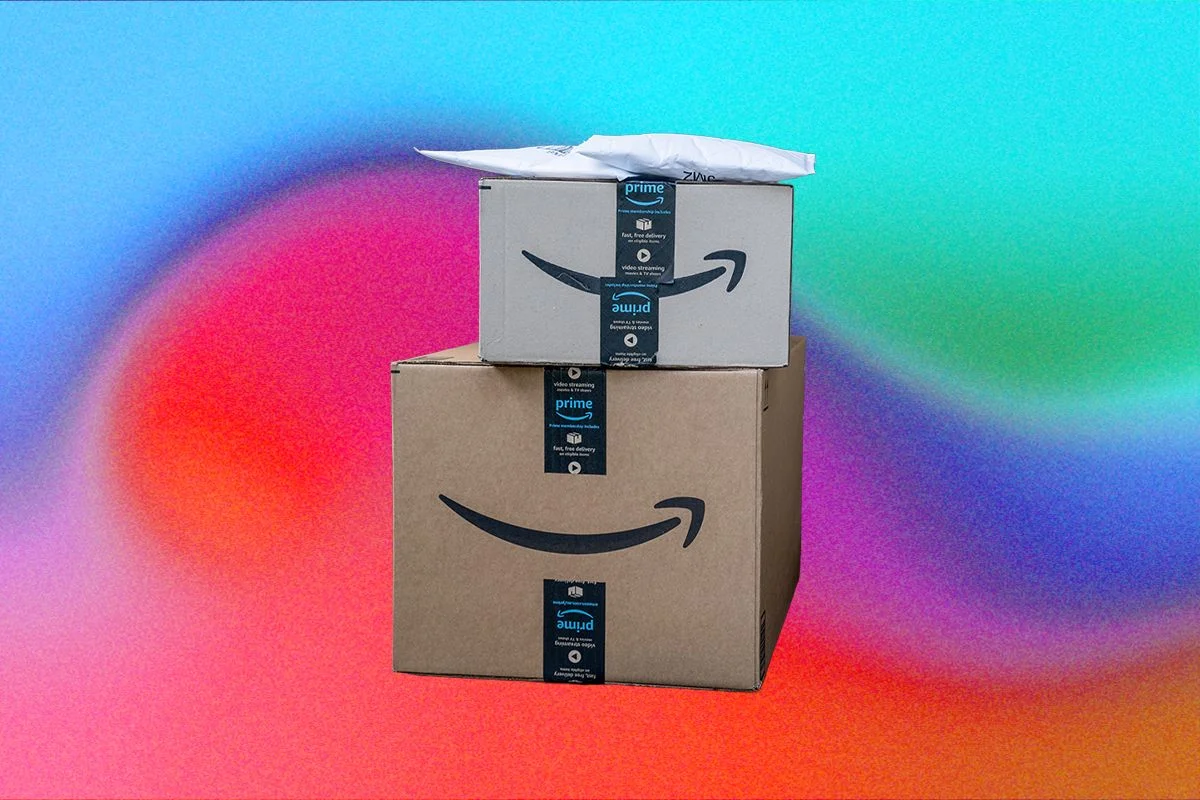
Amazon Prime Day events have evolved into some of the most intricate and often confusing shopping spectacles of the modern retail landscape. Far from being a singular "day," these promotional periods now stretch across multiple days, presenting a dizzying array of "millions of deals." However, the sheer volume and aggressive marketing tactics can make it challenging for consumers to discern genuine savings from cleverly disguised discounts. Many advertised price drops are often misleading, and while the event is widely promoted as members-only, a surprising number of deals become accessible to non-subscribers, further blurring the lines. This environment, coupled with the high-pressure urgency of limited-time "Lightning Deals," creates a potent recipe for consumers to overspend on items they may not genuinely need or even want.
Fortunately, seasoned experts are on hand to demystify these complex shopping occasions. With over a decade of experience covering consumer deals, the Reviews team at WIRED is intimately familiar with the common pitfalls that ensnare shoppers during major sales. Their collective expertise is channeled into closely tracking the best prices during Amazon’s marquee fall event, officially dubbed "Amazon Prime Big Deal Days." This year, the anticipated sale is scheduled to take place on Tuesday, October 6, and Wednesday, October 7. This comprehensive guide, compiled from their insights, aims to equip shoppers with the knowledge to navigate the event successfully, understand deal timings, and crucially, identify whether a discount is truly a deal.
When Is Amazon Prime Day (or Prime Big Deal Days)?
Amazon typically hosts two major Prime-exclusive sales events each year. The primary "Prime Day" sale usually occurs in the summer months, while a secondary, significant sale, now known as "Prime Big Deal Days," takes place in the fall. For the current year, the "Prime Big Deal Days" event is set for October 6 and October 7. These dates are crucial for planning your shopping strategy, allowing you to mark your calendar and prepare for the 48-hour shopping window.
When Do Prime Day Deals Start?
The "Prime Big Deal Days" event is scheduled to commence precisely at 3:01 am Eastern Time (midnight Pacific Time) on October 6, and will continue uninterrupted for a full 48 hours. To keep the excitement and urgency high, Amazon plans to release new waves of deals three times each day of the event. Shoppers can expect fresh discounts to drop at 3 am, 11 am, and 4 pm Eastern Time. In addition to these scheduled releases, the highly coveted "Lightning Deals"—time-sensitive and often stock-limited promotions—will go live sporadically throughout the 48-hour period. Keeping track of these fluctuating timings can be a challenge, which is why resources like WIRED will provide real-time coverage, highlighting the most compelling deals not only from Amazon but also from other major retailers that invariably launch competing sales.
Are Prime Day Deals Only for Prime Members?
The official stance from Amazon is that Prime Day, and by extension Prime Big Deal Days, is an exclusive event for its Amazon Prime subscribers. To access the majority of the advertised deals, shoppers are indeed required to have an active Prime membership. For individuals who are not yet Prime members but wish to participate in the sale, Amazon offers a convenient solution: a free 30-day trial for eligible new accounts. This trial provides full access to all Prime benefits, including the sales event. However, a critical piece of advice for trial users is to remember to cancel the membership before the 30-day period expires to avoid the subsequent monthly renewal charge, which typically stands at around $15. Beyond just deal access, a Prime membership encompasses a broad array of perks, including expedited shipping, access to Prime Video streaming, Prime Music, Prime Gaming, and more.
Despite the "members-only" advertising, it’s also important to note that a significant number of discounts are often available to non-subscribers. This typically occurs through other major retailers such as Best Buy, Target, and Walmart, which strategically schedule their own competing sales to coincide with Amazon’s event. These rival sales frequently offer prices that are comparable to, or even exactly match, Amazon’s Prime Day deals on identical products. This competitive landscape provides a valuable avenue for savvy shoppers, including those who may have ethical objections to shopping on Amazon, to still secure substantial savings.
Is Prime Day Worth It?
The value of Prime Day is not a universal constant; it largely "depends" on what you’re looking for and how diligently you shop. For certain product categories, particularly Amazon’s own hardware, Prime-exclusive event prices are often among the lowest seen throughout the entire year. This holds especially true for popular devices such as Kindles, Fire tablets, Fire TV sticks, and Echo smart speakers. Amazon frequently uses these events to drive adoption of its ecosystem, offering its proprietary hardware at deeply discounted rates, sometimes even acting as "loss leaders" to encourage future engagement with Prime services.
However, the broader retail landscape is characterized by constant price fluctuations. Many products are discounted on a frequent basis outside of major sales events. Therefore, even if a price appears good during Prime Day, the overall quality of the offer can diminish if the product regularly goes on sale at similar prices.
The sheer volume of deals promoted by Amazon during sales like Prime Day is a double-edged sword. While it theoretically offers more opportunities for savings, it also makes it incredibly difficult to pinpoint the truly standout discounts. Browsing the site can quickly become overwhelming, leading to decision fatigue and potentially missed opportunities. Nonetheless, if you are actively in the market for something specific, there’s a strong likelihood that your desired item will see a discount. Past Prime events have featured fantastic, exclusive discounts on a wide range of products, from affordable Kindles and video doorbells to more elusive price drops on popular gaming consoles and essential office furniture. The critical challenge lies in sifting through the noise to uncover these genuine "diamonds in the rough."
To assist consumers, reputable publications like WIRED maintain year-round coverage of "legitimately good deals," including during Prime Day. Their editorial policy is strict: they only feature deals on products that a team member has personally used, reviewed, and would genuinely recommend or purchase themselves, thereby avoiding the promotion of low-quality or "junk" items. Furthermore, they only highlight "actual deals"—meaning the price must be genuinely lower than its normal selling price. They also strive to provide crucial pricing context, informing readers how often a product goes on sale and what its typical discount might be, allowing for a more informed purchasing decision.
How Do I Know Whether a Deal Is Good?
The cardinal rule of smart shopping, especially during events like Prime Day, is "ABC: Always Be Checking (prices, that is)." Thoroughly researching an item’s price is the single most important step in determining the true quality of a discount. Shoppers should be wary of deceptive marketing language, such as inflated Manufacturer’s Suggested Retail Prices (MSRPs) that make a discount seem larger than it is. The simplest initial step is to perform a quick Google search for any item you’re considering. This allows you to compare prices across multiple retailers and gain an immediate sense of the market value. Amazon product pages themselves have started to incorporate a "Price History" link, offering up to 365 days of past pricing data, though its accuracy may not always be foolproof.
To gain a deeper, more reliable insight into price history, several third-party tools are invaluable:
When in doubt, the best practice is always to cross-reference multiple sources. These tools may not always capture every single price change, but they provide a robust framework for understanding a product’s pricing trends. Being able to see a product’s price just before a sale, and whether its MSRP might have been artificially increased, is immensely helpful. By combining insights from these tools, shoppers can make a much more informed decision about whether a deal is genuinely worth their money. WIRED’s rigorous fact-checking process for deals employs these very methods, ensuring that their recommendations are based on solid pricing analysis.
What Are Lightning Deals?
Lightning Deals are a specific type of limited-time promotion that Amazon utilizes to create a sense of urgency and scarcity. These deals are typically active for only a few hours, or until the allotted stock sells out, whichever comes first. While not exclusive to Prime Day, they become particularly prevalent and aggressive during major sales events, designed to encourage impulse purchases. The selection for Lightning Deals often leans towards items that lend themselves to quick decisions, such as makeup, skincare products, toys, and various gadgets.
For Prime members, Amazon offers the ability to browse upcoming Lightning Deals on its website and within the mobile app, allowing for some strategic planning. The app can also be configured to send alerts just before a specific Lightning Deal begins. During "Prime Big Deal Days," publications like WIRED will often run live blogs, sharing some of the most compelling Lightning Deals as they appear, helping shoppers cut through the noise.
Beyond Lightning Deals, shoppers should also keep an eye on "Amazon Haul," Amazon’s dedicated discount page featuring novelties, fashion accessories, and various gadgets, often starting at prices as low as $1. Additionally, during the fall "Big Deal Days," rumors often circulate about further discounts on seasonal items like holiday decor and tailgating essentials, catering to pre-holiday shopping needs.
Are There Other Ways to Make Sure a Deal Won’t Sell Out?
When you’ve identified a truly desirable deal, especially one with limited stock or a short timeframe, taking proactive steps can significantly increase your chances of securing it before it sells out.
Should I Buy It?
Amidst the excitement and perceived urgency of sales events like Prime Day, it’s remarkably easy to fall into the trap of impulse buying. You might stumble upon an item with an incredibly attractive discount, even if it’s something you don’t genuinely need or hadn’t planned to purchase. This is precisely where consumer discipline becomes paramount.
A highly effective strategy is to create a detailed list of items you have genuinely been wanting or needing to buy before the event begins. Save the direct links to these products. When Prime Day commences, refer back to your curated list. Take the time to check if any of these specific items are on sale, and then diligently apply the price-checking practices mentioned above to confirm that it truly is a good deal. Resist the urge to buy a product just because it carries a nice price tag; focus on value and genuine utility for your personal needs.
It’s also crucial to remember that Prime Day is not the final opportunity for significant savings this year. The retail calendar is punctuated by other major sales events, most notably Black Friday and Cyber Monday, which typically occur around Thanksgiving weekend. These later sales often feature even bigger price drops on a wider array of products, especially as retailers push to clear inventory before the end of the year. Therefore, if you miss a deal or are unsure about a purchase, exercising patience might lead to even greater savings down the line.
Power up with unlimited access to WIRED. Get best-in-class reporting and exclusive subscriber content that’s too important to ignore. Subscribe Today.