11

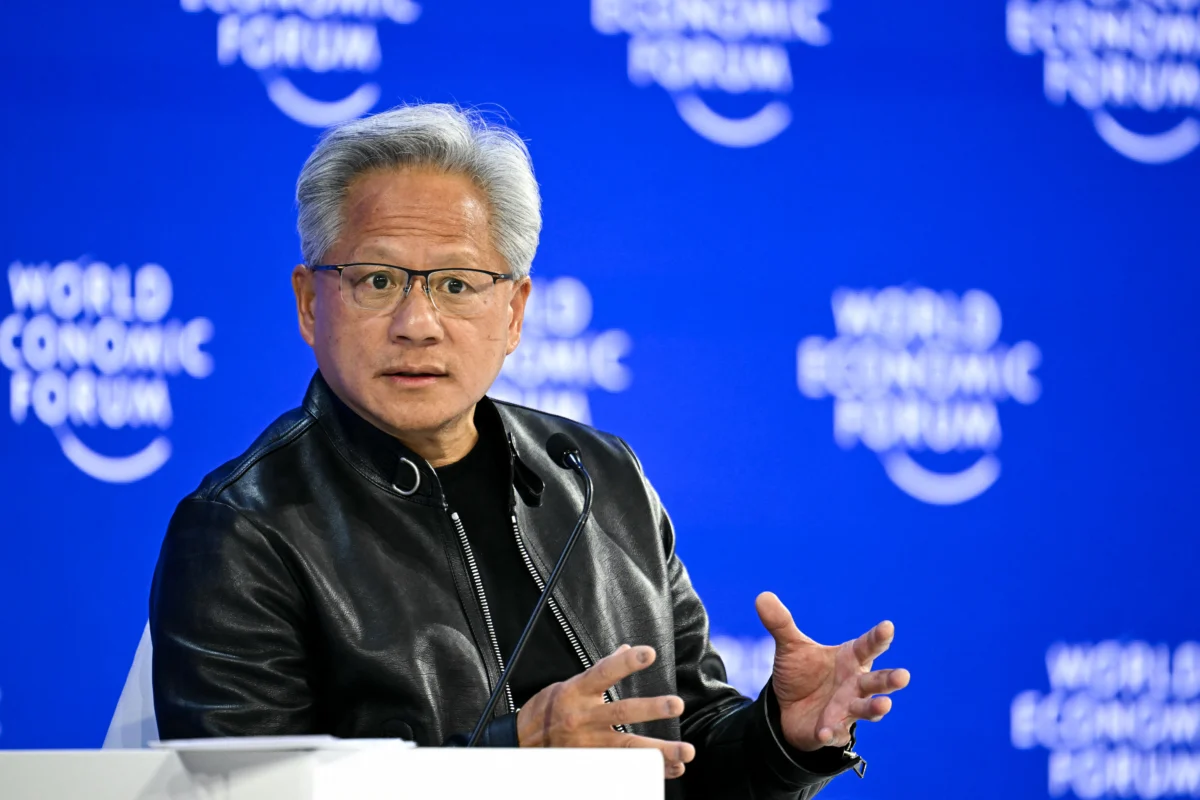
In an unprecedented moment that blurred the lines between high-stakes tech discourse and political theater, Nvidia CEO Jensen Huang received a direct phone call from former President Donald Trump while onstage at the prestigious All-In Summit. The unexpected interjection, which Huang candidly took and amplified for the entire audience, immediately became a focal point of the event, shifting the conversation from the intricacies of AI development to the geopolitical and domestic implications of technological advancement.
The All-In Summit, a gathering known for bringing together influential figures in technology and venture capital, serves as an extension of the popular "All-In" podcast hosted by a quartet of prominent tech investors: Chamath Palihapitiya, Jason Calacanis, David Friedberg, and David Sacks. These hosts, often referred to by Huang as "the besties," command significant attention within Silicon Valley and beyond, with Sacks and Friedberg having previously held advisory roles within the White House, underscoring their deep connections to political spheres. Huang’s comfort level with President Trump was immediately apparent, as he informed the caller, "I’m onstage with the besties," a casual remark that set the tone for the ensuing dialogue.
The decision by Huang to put President Trump on speakerphone for the conference attendees to hear was a move that, for many public relations professionals, would induce "night terrors." Such an unscripted, direct engagement with a high-profile political figure during a live, public event is highly unconventional for a CEO of a global tech giant like Nvidia. It signaled either an extreme level of personal comfort between Huang and Trump, or a deliberate choice by Huang to allow the audience direct access to the former President’s views on critical tech issues. The moment was further colored by Trump’s characteristic wit, as he quipped, "The great thing about life is Jensen can develop the most complex computer chip in the world… but he can’t figure out how to put you on speaker." This lighthearted jab, however, overlooked Huang’s actual intention, which was to solicit an additional microphone from stagehands to ensure Trump’s voice would project clearly to the entire auditorium, highlighting his desire for transparency and audience engagement.
Prior to the presidential interruption, Huang and the All-In hosts had been engaged in a robust discussion concerning a contentious topic within the AI community: the optimal pace of artificial intelligence development. The conversation revolved around Anthropic CEO Dario Amodei’s recent call to "slow the pace at which we improve the capabilities of AI." This sentiment, rooted in concerns about AI safety, ethics, and potential existential risks, has garnered support from other leading figures in the tech world, including SpaceX CEO Elon Musk and OpenAI CEO Sam Altman, both of whom have publicly aligned with Amodei’s cautious approach. Jensen Huang, however, whose company Nvidia is at the forefront of powering the rapid expansion of AI capabilities through its advanced chip technology, has consistently held a diverging view, advocating for continued acceleration.
It was into this nuanced debate that President Trump interjected with his distinct perspective. Addressing the proponents of slowing AI development, Trump stated, "They’re just playing right in the hands of a lot of people that don’t want to see it happen." He then elaborated on his concerns, suggesting, "That could be political people. It could also be China. And we’re not going to let that happen. It’s a hoax." This strong dismissal framed the call for a slower pace not as a safety precaution but as a potentially politically motivated or foreign-influenced attempt to hinder American progress. Huang’s immediate response, "You’re right. We’re not going to let that happen, sir," met with a wave of applause from the audience, signaling a significant alignment between a segment of the tech community and Trump’s stance on aggressive AI advancement.
Trump’s "hoax" assertion echoes broader narratives propagated by him and his allies, such as Y Combinator CEO Garry Tan, who have publicly posited that growing public sentiment against the construction of data centers, crucial infrastructure for AI, is part of an "international psyop" designed to stifle American economic growth. This theory suggests that concerns over the environmental impact and local disruptions caused by data centers are not organic public grievances but rather orchestrated efforts by foreign adversaries or rival political factions to undermine the nation’s technological leadership.
However, the reality of public opposition to data centers, as revealed by recent polling, presents a more straightforward picture. According to Gallup, a significant seven in ten Americans express opposition to the construction of data centers in their immediate vicinity. The primary drivers of this concern are directly related to local impacts. More than 50% of respondents cited the detrimental effect of data centers on "environmental resources," highlighting issues such as immense energy consumption and substantial water usage for cooling. Additionally, about 20% expressed worries about potential "cost-of-living increases" and broader negative "effects on their quality of life," which can include noise pollution, visual impact, and strain on local infrastructure and services. These findings suggest that public resistance stems from tangible local concerns rather than an orchestrated international campaign.
Despite these documented public concerns, Trump maintained his position of unwavering support for uninhibited technological expansion. He conveyed this directly to Huang, stating, "We have to be a little bit careful… We have to do things and we have to do them prudently, but that doesn’t mean we’re going to stop an industry." This statement encapsulated a perspective that prioritizes economic and technological leadership, even while acknowledging the need for some level of careful management. Trump concluded by reinforcing his solidarity with Huang’s vision: "So I’m with you all the way. I didn’t even know how you felt about it. I just hoped you felt the same way as me. We’re going to lead." The former President’s direct endorsement of Huang and Nvidia’s trajectory underscored a significant convergence of political and technological agendas.
The impromptu phone call served as a vivid demonstration of the increasingly intertwined nature of technology, politics, and public opinion. It highlighted the intense debate surrounding the future of AI, pitting calls for caution and ethical governance against a drive for rapid innovation and geopolitical dominance. Furthermore, it cast a spotlight on the growing friction between the ambitious expansion plans of the tech industry, particularly concerning data centers, and the legitimate concerns of local communities. Jensen Huang’s decision to share this highly unusual and unscripted interaction with President Trump with the All-In Summit audience not only created a memorable moment but also provided a revealing glimpse into the complex dynamics shaping the technological landscape of tomorrow.