 11

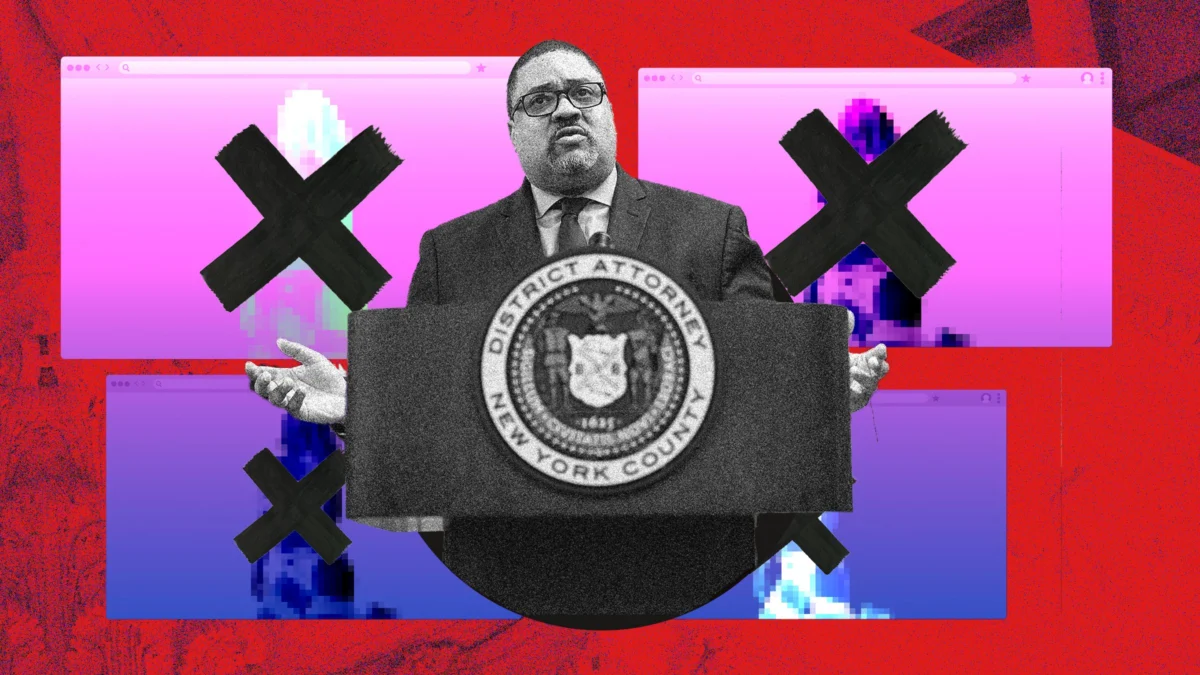
In a landmark enforcement action, New York officials have seized more than a dozen abusive deepfake "pornography" websites, marking what is likely the largest takedown of explicit deepfake platforms to date. For nearly a decade, these illicit sites have been a source of immense harm, publishing thousands of nonconsensual videos that falsely depict women, including high-profile celebrities, politicians, and public figures, in sexually explicit situations. This significant intervention aims to dismantle a pervasive dark industry that exploits artificial intelligence for gender-based digital abuse.
The Manhattan District Attorney’s Office announced the seizure of 12 domains on Monday, confirming that these platforms had been unlawfully sharing, publishing, and selling celebrity deepfake videos. The scope of the abuse uncovered is staggering: approximately 1,200 individuals, overwhelmingly women, were depicted in nonconsensual sexual images and videos across these websites. The victims represent a broad spectrum of public life, including social media influencers, actors, activists, athletes, musicians, and politicians. This widespread targeting underscores the indiscriminate nature of deepfake abuse, which preys on public visibility and trust.
Manhattan District Attorney Alvin Bragg underscored the profound and lasting impact on victims, stating, “These horrific violations of privacy follow victims into their careers and personal lives and take an immense toll on emotional and mental well-being.” Bragg issued a strong call to action, urging potential victims to come forward and contact his office’s cybercrime bureau, emphasizing the critical role of victim cooperation in ongoing investigations. The office confirmed that its inquiries into identifying those responsible for operating these websites, as well as those who uploaded the damaging videos, are actively underway. This commitment signals a sustained effort to bring perpetrators to justice and dismantle the infrastructure supporting this illicit content.
The seizures were executed under New York’s criminal procedure laws, providing a robust legal framework for taking down digital platforms engaged in criminal activity. This action represents perhaps one of the most significant and sweeping measures against websites hosting explicit deepfake videos since the technology first emerged in late 2017. The intervening years have seen rapid advancements in artificial intelligence, which, while offering numerous beneficial applications, has also fueled the rise of a nefarious industry. This "dark industry" leverages sophisticated AI tools, apps, and bots designed to "undress" photos of women or generate graphic sexual videos with alarming speed and increasing realism. What once required specialized skills can now be accomplished in seconds, democratizing the ability to create and disseminate highly convincing fake content.
While deepfake technology is often used against non-famous women and girls—with content frequently shared in private social media groups, compounding the trauma for everyday individuals—celebrities have also been vocal about their experiences. Prominent figures such as Scarlett Johansson, Grimes (mother of Elon Musk’s child), teen Marvel star Xochitl Gomez, and Megan Thee Stallion have publicly spoken out about the profound harms of being depicted in such content and the formidable challenges involved in getting these malicious images and videos removed. Their testimonies highlight the emotional distress, reputational damage, and constant battle against the spread of false narratives.
The legislative landscape, though slow to adapt to the pace of technological change, has begun to provide new tools for combating deepfake abuse. The US Take It Down Act is increasingly empowering victims to seek the removal of nonconsensual intimate imagery. A crucial component of this legislation allows law enforcement officials the authority to take down and seize websites hosting such material, providing a legal precedent for actions like those seen in New York. This growing legal framework is vital in giving authorities the necessary teeth to combat this evolving form of digital exploitation.
Ahead of District Attorney Bragg’s official announcement, WIRED independently observed clear indications of the impending crackdown. Late last week, several of the targeted websites’ homepages were replaced by stark takedown notices, emblazoned with the message: “THIS DOMAIN HAS BEEN SEIZED.” These notices further clarified that the sites had been taken over following a seizure warrant issued by a New York State Supreme Court, providing public confirmation of the legal authority behind the action. This coordinated effort demonstrates a sophisticated legal and technical approach to disrupting these online criminal enterprises.
Leonie Oehmig, a researcher at the Institute for Strategic Dialogue (ISD) who has extensively studied the deepfake creation ecosystem, hailed the takedowns as “a significant win in the fight against synthetic nonconsensual intimate imagery (NCII).” Oehmig’s analysis suggests that the enforcement of state laws proves that harmful content can indeed be effectively tackled. She noted that the seized sites appeared to be genuinely inaccessible, even when attempts were made to bypass the blocks using VPNs from different geographical locations. “This shows that meaningful, coordinated enforcement is achievable even where regulation itself remains fragmented across jurisdictions,” Oehmig commented, emphasizing the potential for such actions to serve as a model for global efforts.
The seized websites likely garnered millions of views, amplifying the harm inflicted upon their victims. Many of these platforms employed sensational and misleading names, such as phrases like “sex celebrity” or promises of “real deepfakes,” to attract users seeking illicit content. They openly hosted false videos of some of the world’s most famous individuals, with one site explicitly stating that “various actresses’ faces are used for deepfakes.” Archived versions of these websites reveal that some videos had been watched tens of thousands of times, with one particular platform boasting that it had been online since 2018, indicating the long-standing nature of this illicit operation.
Benjamin Shultz, lead researcher at the American Sunlight Project, a nonprofit dedicated to documenting deepfake abuse, provided further insights into the nature of the content found on these sites. Shultz explained that “most videos took the shape of actual pornographic movies, manipulated to instead show targets’ faces instead of the original actors.” He noted that a significant portion of the content appeared to be reposts from the notorious MrDeepFakes website, a prominent deepfake platform that was eventually taken offline after its creators were unmasked by investigative reporters. This connection highlights the interconnectedness of the deepfake ecosystem and the tendency for content to proliferate across multiple platforms, making comprehensive takedowns even more challenging.
Shultz’s research also shed light on the specific targeting of political figures. He revealed that on at least two of the seized websites, elected officials were given dedicated profiles containing their name and position, alongside a grid of manipulated videos featuring their likeness. Through recent investigations, Shultz identified that 56 European politicians, 16 US politicians, and two UK-based politicians had been mentioned or appeared on these websites. The targeting of politicians poses unique risks, not only to their personal lives but also to democratic processes by undermining trust and potentially impacting public discourse.
While the takedowns offer significant encouragement, Oehmig from the ISD stressed that many other facets of the deepfake industry continue to cause serious harm. She advocated for a comprehensive, multi-pronged approach to effectively intervene. “Effective intervention needs to target the ecosystem at multiple points, including the tools used for the creation of synthetic NCII, the discovery and promotion of these, the hosting and technical infrastructure that keeps them online, and the payment and affiliate systems that enable operators to monetize them,” Oehmig elaborated. This holistic perspective underscores the complexity of combating deepfake abuse, requiring collaboration across technology companies, law enforcement agencies, financial institutions, and international jurisdictions to truly dismantle the entire illicit network. The recent seizures by the Manhattan District Attorney’s Office serve as a powerful testament to the escalating fight against deepfake pornography and a vital step towards safeguarding digital privacy and personal integrity.






