11

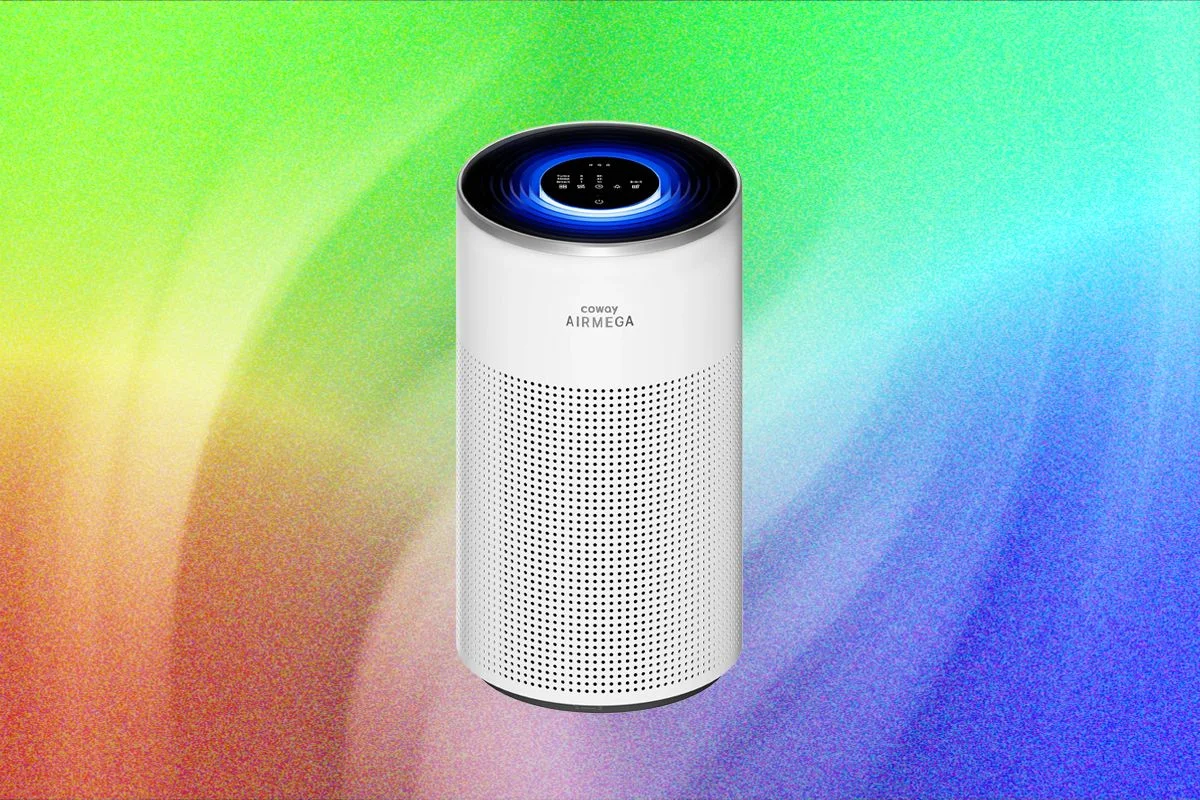
The Airmega Halo air purifier, a new entrant in the home air purification market, distinguishes itself with a robust cylindrical IEST-certified HEPA three-stage filtration system. This advanced system is engineered to capture an impressive 99.97 percent of nano-sized particles, effectively targeting airborne contaminants as minute as 0.3 microns. Beyond its formidable filtration capabilities, the device integrates a sophisticated MegaScan Particle Sensor, a standout feature that continuously monitors air quality in real time. This sensor is adept at detecting a range of common indoor pollutants, including smoke, fine dust, and various allergens, with precision down to PM2.5 levels.
Understanding the significance of PM2.5 is crucial when evaluating air purifiers. As highlighted by the U.S. Environmental Protection Agency (EPA), PM2.5 refers to particulate matter that measures 2.5 micrometers or less in diameter. These microscopic airborne particles are widely recognized as the standard measurement for an air purifier’s ability to detect and reduce levels of airborne allergens and pollutants. Their exceptionally small size poses a significant health risk, as they can bypass the body’s natural defenses and penetrate deep into the lungs. Prolonged exposure to PM2.5 has been linked to severe health conditions, including asthma, heart disease, and lung cancer, underscoring the critical need for effective air purification in indoor environments.
The Airmega Halo offers intuitive control through a top-mounted touchscreen panel, allowing users to easily adjust fan speed, set timers, and configure various operational settings. This user-friendly interface ensures that managing indoor air quality is straightforward and accessible.
One of the purifier’s most remarkable attributes is its acoustic performance, particularly in its quietest sleep setting. During testing, a decibel monitor application was unable to register any noise from the unit, as its operation was imperceptible above the ambient sounds of a typical household, even when nearby appliances were deliberately switched off. Coway, the manufacturer, claims a noise level of just 17 decibels in sleep mode, a figure that aligns with the reviewer’s experience of the machine being virtually inaudible. This exceptionally low noise output makes the Airmega Halo an ideal choice for bedrooms and other quiet spaces where undisturbed rest is paramount. Conversely, when operating at its highest turbo setting, the decibel reader indicated noise levels hovering around 75 decibels. This level of sound is comparable to that of a running dishwasher or a vacuum cleaner, signifying a trade-off between maximum purification power and acoustic comfort.
Beyond its whisper-quiet operation, the Airmega Halo incorporates a suite of intelligent sleep features designed to enhance user comfort and optimize performance during nighttime hours. These include a subtle, low yellowish night light that activates in sleep mode. For users who prefer complete darkness, this light can be easily deactivated, ensuring the top panel remains entirely unlit. Furthermore, the purifier is equipped with an integrated light sensor, enabling it to automatically transition into sleep mode when low light conditions are detected. In this mode, the device intelligently dims its operational lights and reduces its fan speed to the quietest setting, creating an optimal environment for sleep.
The purifier’s smart mode functionality extends to energy conservation. When operating in smart mode, if ambient darkness persists for more than three minutes, the machine autonomously enters sleep mode. Additionally, if the detected pollutant levels remain in the "good" category for a continuous period exceeding three minutes, the fan automatically ceases operation, thereby conserving energy. However, should the MegaScan Particle Sensor detect a resurgence of pollutants, the fan promptly restarts, ensuring continuous protection against airborne contaminants. This dynamic response system highlights the purifier’s commitment to both efficient performance and environmental responsibility.
To keep users informed about their indoor air quality, the Airmega Halo features a distinctive halo-shaped light display around its top panel, utilizing a four-color coding system. Blue indicates "good" air quality, green signifies "moderate," yellow denotes "unhealthy," and red warns of "very unhealthy" conditions. While this visual indicator provides at-a-glance information, the reviewer noted some difficulty in quickly distinguishing between levels due to a divergence from the widely recognized U.S. Air Quality Index (US AQI) standards. The US AQI typically uses green for good, yellow for moderate, red for unhealthy, purple for very unhealthy, and maroon for hazardous. This discrepancy in color-coding could potentially cause confusion for users accustomed to the national standard, making immediate interpretation slightly less intuitive than desired.
WIRED Reviews prides itself on its rigorous and comprehensive testing protocols, ensuring that all recommended gear undergoes thorough evaluation. The Airmega Halo was subjected to an extensive testing regimen, moving beyond mere specification review and instruction manual perusal. The objective was to ascertain its real-world performance under challenging air quality conditions, to determine if it could indeed "hold its own" against significant indoor air pollution.
The model underwent nearly a month of intensive use, during which it was strategically relocated to various challenging environments within the reviewer’s home. These testing scenarios were specifically chosen to simulate common sources of indoor air pollution. One such scenario involved placement near an unventilated gas stove during cooking, a frequent generator of particulate matter, volatile organic compounds, and other airborne contaminants. Another test involved positioning the purifier under a living room window known to admit substantial building and exhaust fumes from the external environment, simulating urban pollution infiltration. Furthermore, the Airmega Halo was tested near a cat’s litter box, an area typically associated with pet dander, odors, and other allergens. To ensure objective assessment and validate the machine’s stated performance, an independent indoor air quality monitor was consistently used throughout these tests, providing a reliable baseline against which the purifier’s claims could be measured. This comprehensive, real-world testing approach underscores the commitment to delivering accurate and informative evaluations of air purification technology.