11

The planet experienced its hottest August ever recorded, concluding a summer characterized by a series of alarming heat records across the globe. This unprecedented warmth is largely attributed to a strengthening El Niño phenomenon coupled with the persistent effects of human-induced climate change, signaling that more temperature records are highly probable well into the coming year. The implications of this sustained heat are far-reaching, impacting communities, economies, and ecosystems worldwide, and serving as a stark reminder of the urgent need for global action on climate change.
Data released by Copernicus, the European Union’s authoritative climate agency, indicates that last month, August, reached an unparalleled temperature milestone, tying with July 2023 as Earth’s hottest month on record. This occurs in a context where July is typically the warmest month of the year globally. Further illustrating the severity of recent conditions, July also tied with July of 2024 for the distinction of being the second-hottest July ever recorded. Adding to this pattern of extreme warmth, June 2026 was documented as the second-hottest June in historical climate records. These global findings align with a separate announcement from the National Oceanic and Atmospheric Administration (NOAA) in the United States, which confirmed that the recent summer season was the hottest on record for the U.S., surpassing a previous benchmark established during the infamous Dust Bowl era.
This sweltering summer serves as a grim and undeniable indicator of how the continued burning of fossil fuels is systematically elevating global temperatures. The resulting warming trend is not only pushing average temperatures higher but is also unleashing more intense, prolonged, and frequent heat waves across various regions. These extreme weather events are becoming a hallmark of our changing climate, with severe consequences for human health, natural environments, and infrastructure. The scientific consensus underscores that the observed trends are directly linked to anthropogenic greenhouse gas emissions, emphasizing the need for a rapid transition away from carbon-intensive energy sources.
Samantha Burgess, the strategic lead for climate at the European Centre for Medium-Range Weather Forecasts, underscored the gravity of the situation in a recent statement. She described August 2026 as "a remarkable month in the global climate record," highlighting its significance within the broader context of accelerating climate change. Burgess further elaborated that these observations, combined with record global sea surface temperatures and the warmest summer on record experienced by Western Europe, unequivocally demonstrate how climate change is actively driving extremes across both atmospheric and oceanic systems. The tangible impacts of these conditions, she noted, are increasingly being felt by diverse communities, intricate economies, and sensitive ecosystems across the entire world, signaling a widespread and escalating crisis.
Quantifying the scale of the recent warming, Copernicus reported that the global average temperature for August stood at an alarming 1.65 degrees Celsius (equivalent to 3 degrees Fahrenheit) above the preindustrial average. This figure represents a critical deviation from historical norms, underscoring the rapid pace of global warming. While the summer witnessed globally elevated temperatures, the effects of this heat were far from uniform, playing out with dangerous and, in many instances, deadly consequences at the local level. These localized impacts illustrate the differential vulnerabilities of regions and populations to extreme heat, often exacerbating existing social and economic inequalities.

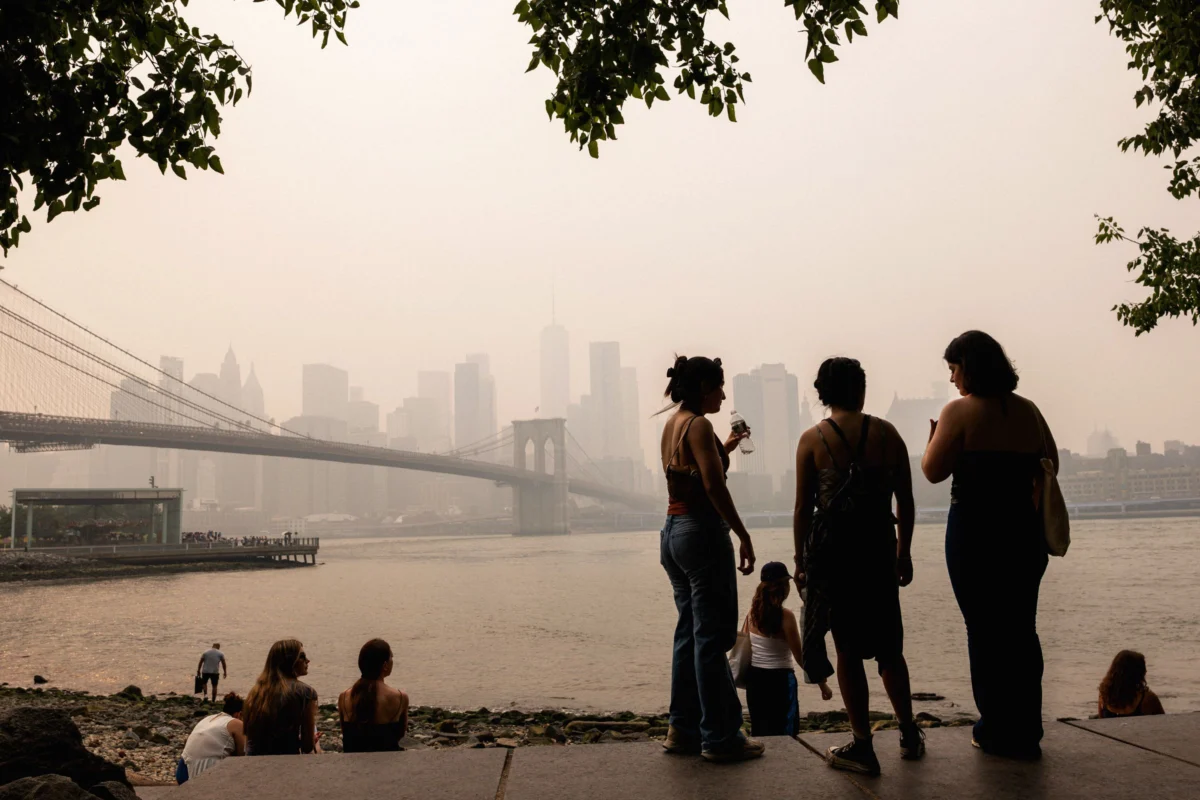
The human toll of these extreme conditions was particularly severe in Europe. Researchers have conservatively estimated that a staggering 35,000 excess deaths occurred during the consecutive heatwaves that swept across Germany, France, and Spain alone this summer. Beyond the direct loss of life, record-breaking wildfires ravaged extensive parts of the continent. These infernos were so intense that they triggered the first documented instance of a pyrocumulonimbus cloud formation in France, a rare and powerful phenomenon that can inject smoke and aerosols high into the atmosphere, further affecting weather patterns. Simultaneously, wildfires in Spain posed a direct threat to a key NASA observatory, highlighting the widespread peril to critical infrastructure. Across the Atlantic, North America also grappled with the devastating impacts of a superheated summer. Enormous wildfires raging across Canada and extending into northern parts of the United States blanketed vast areas of the Northeast with dense smoke, severely impacting air quality and public health for millions of residents. The smoke plumes traveled thousands of miles, causing hazy skies and respiratory warnings in major cities, demonstrating the far-reaching atmospheric consequences of these intense blazes.
Adding another layer of complexity to the current climate crisis is the ongoing El Niño phenomenon, a naturally occurring climate pattern characterized by the warming of ocean surface temperatures in the central and eastern tropical Pacific Ocean. While climate change has been steadily boosting background temperatures over decades, the strengthening El Niño in the eastern Pacific has piled on additional heat, contributing to the recent record-breaking warmth. Historically, El Niños typically coincide with a temporary uptick in global average temperatures, usually ranging between 0.1 to 0.2 degrees Celsius. However, this year’s El Niño is not just an ordinary event; it is currently forecast to reach record strength, promising to significantly upend weather patterns and climate conditions around the globe in the coming months. Crucially, the full impact of this powerful El Niño on the planet’s overall temperature is not expected to be fully realized until next year. This ominous projection suggests that the summer season of next year may prove to be even hotter and more extreme than the one humanity has just endured, presenting formidable challenges for adaptation and mitigation efforts.
Climate scientists have issued repeated and urgent warnings that the world must prevent the long-term average warming from breaching the critical threshold of 1.5 degrees Celsius above preindustrial levels. Exceeding this benchmark is projected to unleash the most catastrophic and irreversible impacts of climate change, including more frequent and severe extreme weather events, widespread ecosystem collapse, and significant disruptions to human societies. While recording temperatures above this threshold for a single month, as seen recently, does not inherently represent a permanent breach of this long-term temperature target, these occurrences serve as powerful and alarming indicators that the world is rapidly approaching this perilous benchmark. Each successive record-breaking month and year underscores the diminishing time available to avert the worst-case scenarios.
Earlier this month, a sobering report from the United Nations delivered a stark message, warning that the world is likely to cross the 1.5 degrees Celsius threshold within a matter of a few years, rather than decades. To effectively slow and eventually reverse the relentless rise in global temperatures, the international community must undertake a transformative shift. This imperative demands a concerted global effort to drastically reduce and ultimately cease the burning of fossil fuels, alongside an aggressive and rapid reduction in carbon emissions across all sectors of the economy. The urgency of this transition cannot be overstated, as every fraction of a degree of warming avoided translates into lives saved, ecosystems preserved, and a more stable future for humanity.
UN Secretary-General António Guterres articulated the profound urgency of the moment in a powerful statement, emphasizing the critical juncture humanity now faces. "This summer’s scorching heat, raging wildfires and deadly floods are a warning of what lies ahead," Guterres declared, painting a vivid picture of the escalating climate crisis. He stressed the paramount importance of ensuring that any temporary overshoot above the 1.5 degrees Celsius target is kept "as small and short as possible." To achieve this, the Secretary-General asserted, "That demands an overshoot of ambition," calling for a level of commitment, innovation, and international cooperation far exceeding current efforts. His words serve as a rallying cry for world leaders, industries, and individuals to accelerate climate action, implement transformative policies, and embrace sustainable practices to secure a habitable future.