 11

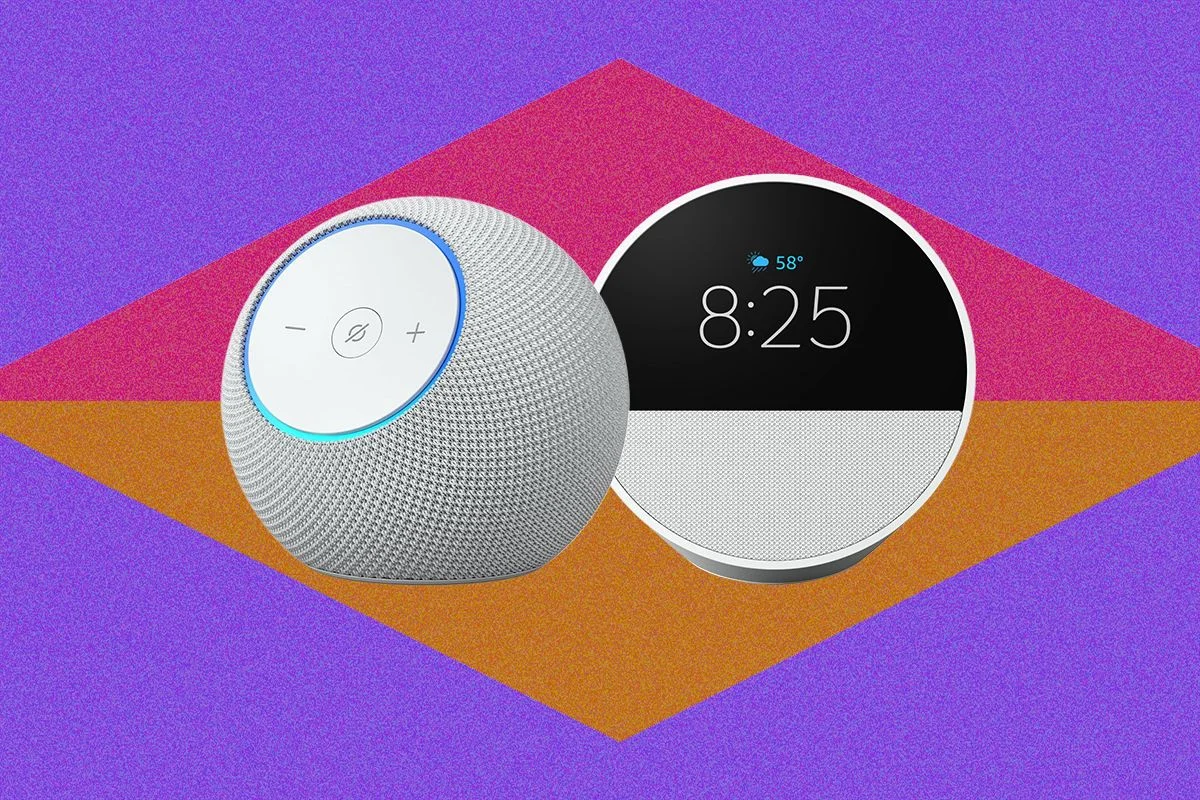
Amazon’s ecosystem of smart speakers continues to evolve, offering a diverse range of devices designed to meet various user needs, from audiophile-grade sound to dedicated smart home control and kid-friendly functionalities. This report delves into the standout Alexa speakers, explores recent pricing adjustments, and sheds light on the significant advancements and privacy implications of the new Alexa+.
Highlighting Top Alexa Speakers: Honorable Mentions
While Amazon boasts a vast lineup of Echo models, several smart speakers distinguish themselves with excellent qualities, earning them "Honorable Mention" status.
Echo Studio (2nd Gen): Unrivaled Sound Quality
For those prioritizing audio fidelity, the Echo Studio (2nd Gen) remains the premier choice among Alexa speakers. This updated version solidifies its position as the audiophile’s pick, delivering a musical experience that defies its relatively compact size. During testing, the Echo Studio effortlessly filled a large, open-plan second-floor great room with rich, immersive sound, often without needing to reach maximum volume. The speaker’s power is notable, producing not only high volume but also exceptional clarity and a satisfying amount of bass. It beautifully rendered the soft, nuanced tones of Tracy Chapman’s "Fast Car" and the intricate piano riffs in Jack’s Mannequin’s "Dark Blue." The vocal harmonies in "What Is This Feeling?" by Ariana Grande and Cynthia Erivo were reproduced with stunning clarity and depth. This impressive audio performance is attributed to its sophisticated speaker array, which includes three 1.5-inch mid-range drivers and a powerful 3.75-inch woofer.
Beyond its sonic prowess, the Echo Studio (2nd Gen) offers a comprehensive smart home experience. It features a built-in smart home hub, simplifying the control of compatible devices. Advanced audio technologies like spatial audio and Dolby Atmos create a more immersive listening environment. Additionally, it incorporates intuitive tap controls, similar to the Echo Dot Max, and provides early access to Alexa+, Amazon’s new generative AI assistant. Compared to competitors like the Apple HomePod, the Echo Studio is praised for its superior sound quality at a more accessible price point, making it an attractive option for serious music lovers integrating smart technology into their homes.
Echo Spot (2nd Gen): The Ideal Bedside Companion
After a brief discontinuation, the Echo Spot made a welcome return in 2024, proving itself to be an excellent smart speaker for bedside tables. Its distinctive half-circle screen is perfectly suited for displaying essential information like the time and any set alarms, which are conveniently visible beneath the main clock display. Users can personalize the clock face with various color and style options. A key feature for bedroom use is its adaptive display, which dims beautifully in low light, casting a gentle red glow that is easy to read without disrupting sleep. The Echo Spot excels at managing alarms, allowing users to wake up to their favorite playlists or calming lo-fi music through simple voice commands.
Unlike the larger Echo Show devices, the Echo Spot deliberately omits a constantly moving slideshow display, which can be distracting in a bedroom environment. Crucially, it also lacks a built-in camera and does not display ads, addressing common privacy concerns for a device placed in such a personal space. While its sound quality is not designed for critical listening, it is more than adequate for alarm functions or casual listening while getting ready in the morning, making it a functional and discreet addition to any bedside.
Echo Dot Kids (5th Gen): Smart Technology for Younger Users
The question of whether children require their own smart speaker is a personal decision for parents, but for those who opt in, the Echo Dot Kids (5th Gen) offers a thoughtfully designed solution. This special edition of the Echo Dot, visually distinct with charming owl or dragon themes, provides robust parental controls. These controls empower parents to set time limits for usage, filter explicit content, and review their child’s activity, ensuring a safe and age-appropriate experience. The device comes with a complimentary year of Amazon Kids+, a subscription service that grants access to thousands of Audible books, educational games, and other kid-friendly features. After the initial year, the service costs $3 per month. Alexa on the Kids Dot can assist children with spelling, play their preferred music, and even facilitate inter-device communication, such as reminding them of dinner time via another speaker in the house.
Exploring the Wider Alexa Ecosystem: More Speakers and Compatible Devices
Amazon’s smart speaker portfolio extends beyond these top picks, encompassing a variety of Echo devices and select third-party speakers compatible with Alexa. Many of these models have seen price adjustments, making their current value proposition worth considering.
Amazon Echo Dot (5th Gen) With Clock ($60): This iteration of the popular Echo Dot features an integrated LED clock, a convenient addition that also displays information like weather updates upon request. While praised for its utility, its availability has been sporadic, with temporary stock shortages.
Amazon Echo Hub ($180): Positioned as a dedicated smart home control center, the Echo Hub resembles an Echo Show but without a focus on high-fidelity audio. Its slim, tablet-like design is intended for wall mounting or use with a separately purchased stand. It excels at managing smart home devices, allowing users to interact with Alexa for commands and even initiate music playback on other, more capable speakers. Its thin, integrated speakers are not optimized for music listening, making it a companion device rather than a primary audio source.
Amazon Echo Pop ($40): The Echo Pop stands out as Amazon’s most visually appealing and compact speaker. While its sound quality is generally deemed "fine" for background music or smaller spaces like dorm rooms, it doesn’t match the audio performance of the slightly more expensive Echo Dot. Its primary appeal lies in its aesthetics and affordability.
Amazon Echo Show 5 (3rd Gen) ($100): This smart display offers a "just-fine" experience. Its screen is considered too small for a truly impactful visual display, and the inclusion of a camera makes it less ideal for a bedside table, where privacy is often a concern. It saw a $10 price increase.
Amazon Echo Show 8 (4th Gen) ($200): Historically a strong performer, the latest Echo Show 8 model has been noted for a decline in sound quality compared to its predecessor. For users seeking a smart display in this size range, the Echo Show 11 ($220) is suggested as a superior alternative, offering a comparable user experience with a slightly larger screen (a 3-inch difference that feels modest) and improved audio. This model experienced a $20 price hike.
Amazon Echo Show 15 (2nd Gen) ($350) and Echo Show 21 ($500): These large-format smart displays offer expansive screens (15.6-inch and 21-inch, respectively) that excel at displaying widgets and providing visual information. However, their ambition to double as televisions falls short, with current performance in this area needing significant improvement. Both models saw substantial price increases, with the Show 15 going up by $50 and the Show 21 by $100.

Third-Party Alexa-Compatible Speakers:
Understanding Amazon’s Recent Price Increases
In recent months, Amazon implemented price increases across a broad spectrum of its product line, including the popular Amazon Echo series, Kindle e-readers, Fire TV streaming sticks, and Eero routers. This move aligns with similar adjustments seen from other tech companies, often attributed to rising manufacturing costs and global chip shortages. Amazon specifically cited increased storage and memory costs as contributing factors. These price hikes are a notable disappointment for consumers, particularly as they precede the traditional fall sale season, potentially diminishing the appeal of discounts compared to previous years. Echo devices, specifically, saw increases ranging from $20 to $100, with the larger Echo Show displays experiencing the most significant jumps.
The Advent of Alexa+ and Its Implications
Amazon has introduced a new, enhanced version of its voice assistant, dubbed Alexa+. Built upon generative AI technology, Alexa+ promises a more powerful and intuitive assistant capable of handling more conversational topics and complex requests.
Users can experience Alexa+ through a free 30-day trial. Following the trial period, access requires either a $20 monthly subscription or an active Amazon Prime membership. The design clearly incentivizes Prime membership, as it presents a more cost-effective way to access the advanced features. While the updated, more conversational voice of Alexa+ has been positively received, and its ability to answer a wide range of questions quickly and thoughtfully is evident, early reviews suggest that the features alone may not justify the standalone monthly subscription for many users.
The introduction of Alexa+ has also brought about significant changes that affect all Alexa users, regardless of whether they subscribe to the new service. Previously, Amazon offered a "Do Not Send Voice Recordings" privacy feature, which allowed voice requests to be processed locally on the device. However, this feature was discontinued on March 28, 2025, to support the new Alexa+ architecture. Consequently, all voice recordings, even from regular Alexa interactions, are now sent to Amazon for cloud processing.
Another notable change with Alexa+ is its extended listening capability. After a user asks a question, Alexa+ will remain "on" for a short period to listen for potential follow-up questions, eliminating the need to repeat the wake word. Both standard Alexa and Alexa+ provide visual cues when actively listening: regular speakers display a blue light ring, while displays show a blue bar on the screen. Most Echo devices also include a physical mute button, which, when activated, illuminates a red light or bar to indicate that the microphones are disengaged for privacy.
Frequently Asked Questions (FAQs)
What’s the Difference Between an Echo and an Echo Show?
An Amazon Echo device is primarily a smart speaker, equipped with microphones to hear and respond to voice commands. It delivers audio responses and music. An Echo Show, conversely, is a smart display, featuring a screen and often a camera. This allows for video calls, streaming visual content, and displaying answers to questions visually. Both device types offer similar core functionalities for smart home control, information retrieval, and music playback, but Echo Shows provide an enhanced visual interaction experience. All Echo Show models include a physical camera cover for user privacy.
When’s the Best Time to Buy an Echo?
The most opportune times to purchase any Amazon speaker are during major sales events such as Black Friday or Amazon Prime Day. These periods consistently feature significant discounts, often up to 50 percent off for more affordable speakers and substantial price reductions on larger, premium models.
How and Where Should You Set Up Your Alexa?
Alexa speakers are most beneficial when placed in areas of frequent activity within your home. Common recommendations include the kitchen and living room. A smart display, like an Echo Show, is ideal for the kitchen, allowing users to quickly access recipes or check the weather while engaged in daily routines. A speaker in the living room facilitates music playback and smart lighting control without the visual distraction of a screen. For bedroom use, an Alexa device can serve as an effective alarm clock; however, choosing a model without a camera is highly recommended for enhanced privacy. The critical factor for placement is ensuring the speaker can reliably hear your commands, which will vary based on your home’s layout. Setup for Amazon-branded Alexa speakers is managed through the Alexa app, which also enables the management of multiple devices. Third-party Alexa-compatible speakers may have slightly different setup procedures.
Is Alexa Always Listening?
Alexa devices are designed to continuously listen for their designated wake word (e.g., "Alexa," "Echo"). While they are "always listening" in this sense, they are programmed to only begin recording and processing audio after detecting the wake word. Occasionally, the device may misinterpret a word or phrase as the wake word, leading to an unintended activation and response. With Alexa+, the system will remain active for a short period after a command to detect follow-up questions without needing the wake word again. All Alexa devices provide a visual indication (a blue light ring or bar) when they are actively listening and processing a command. Most models also feature a physical mute button, which, when engaged, displays a red light or bar, signaling that the microphones are physically disconnected.
How Do You Remove Ads and Spam From an Echo Show?
Echo Show devices often display a default array of content, including sports scores, local news, and recipe suggestions, which some users find intrusive. To manage this, navigate to the device’s settings. You can customize the "Home Content" and "Notifications" sections to reduce unwanted information. While it’s possible to disable interest-based ads from third-party Alexa skills (found under Alexa Privacy in the Settings menu), this will not eliminate all advertising content on the device. The only truly ad-free viewing mode is the "Photo Display" option, which transforms the Echo Show into a digital photo frame using either Amazon’s stock images or your personal photos, but this mode removes access to other features like the clock or widgets.
Can I Have My Alexa Requests Locally Processed, or Do They Have to Go to the Cloud?
Previously, Amazon offered a privacy feature called "Do Not Send Voice Recordings," which allowed users to have their voice requests processed locally on their Alexa device, bypassing Amazon’s cloud storage. However, this feature was retired on March 28, 2025, to support the infrastructure of Alexa+. As a result, all Alexa voice requests, even from older models not utilizing Alexa+, are now sent to Amazon’s cloud for processing.
How Does WIRED Select Smart Speakers to Test? How Are These Speakers Tested?
For this specific guide, WIRED focuses exclusively on speakers compatible with Amazon Alexa, a criterion that significantly narrows the selection primarily to Amazon’s proprietary Echo ecosystem, though some third-party options are considered. Each selected speaker undergoes rigorous in-home testing by a reviewer for day-to-day use. This involves assessing microphone performance, evaluating sound quality across various music genres, testing the efficacy of smart home control features with compatible devices like smart lights and video doorbells, and examining other specific features pertinent to smart displays or speakers.
How Does WIRED Get Models? What Does WIRED Do After Testing Them?
WIRED typically acquires review units as press samples provided by manufacturers. In some cases, if necessary, samples are purchased independently. All review units featured in this guide were supplied as press samples without any obligation for coverage or predefined expectations regarding the content of that coverage. Following testing, most selected products are either retained for long-term evaluation in testers’ homes or stored for future comparison against updated models and newly released speakers. If a sample becomes obsolete or no longer serves a testing purpose, it is responsibly donated to local organizations.






