 11

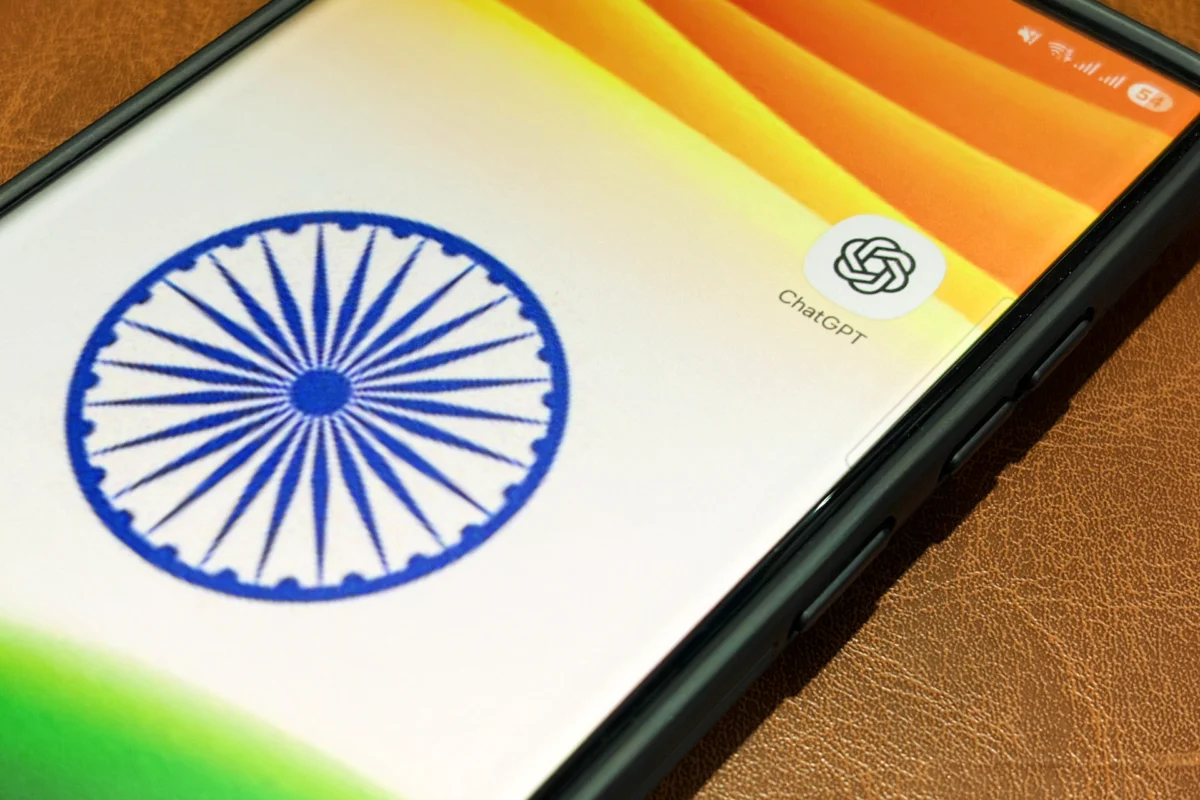
OpenAI announced on Thursday its decision to begin displaying advertisements on its ChatGPT Free and Go subscription tiers in India. This strategic shift follows an earlier amendment to the company’s terms of service, which now explicitly states that users will encounter ads while interacting with the artificial intelligence assistant. The move marks a significant step in OpenAI’s global monetization strategy, extending a model previously rolled out in the United States and Europe to one of its largest and fastest-growing markets.
India represents a critical battleground for OpenAI, with the company reporting in February that it boasts over 100 million weekly active ChatGPT users in the country. A substantial portion of this vast user base is concentrated on either the free tier or the more affordably priced Go subscription, making India an ideal candidate for the expansion of its ad-supported model. This demographic reality underscores the potential for ad revenue to significantly contribute to OpenAI’s financial objectives.
The introduction of advertising in India is not an isolated event but rather the latest phase in a broader global initiative. OpenAI first began displaying ads to its U.S. user base in February of the current year. Building on this initial rollout, the program was subsequently expanded to serve ads across Europe earlier this month. The phased implementation suggests a carefully considered strategy to test, refine, and then scale the advertising model across key international markets, with India now taking center stage due to its immense user volume and strategic importance.
To facilitate this new revenue stream, OpenAI has partnered with leading global advertising agencies WPP and Omnicom. These partnerships are crucial for onboarding major brands and effectively integrating advertising into the ChatGPT ecosystem. The company plans to kick off its ad initiative in India by featuring campaigns from 50 brands. Furthermore, OpenAI is set to launch a dedicated ad manager next month, a platform designed to empower marketers to create and manage their campaigns efficiently. A key feature of this ad manager is its accessibility, with a daily minimum budget requirement of just ₹725 (approximately $7.60), a figure set to attract a diverse range of advertisers, including small and medium-sized enterprises (SMEs) eager to reach ChatGPT’s extensive user base.
Dave Dugan, head of global ads solutions at OpenAI, articulated the company’s vision for this new venture in a statement, emphasizing the strategic placement of these advertisements. "With ChatGPT Ads, businesses of every size can introduce themselves at relevant, high-context moments when decisions are beginning to take shape," Dugan stated. This philosophy suggests a sophisticated approach to ad delivery, aiming for contextual relevance that enhances rather than detracts from the user experience, by connecting users with services or products pertinent to their ongoing AI-powered queries or discussions. For instance, a user asking for travel advice might see ads for airlines or hotels, or someone seeking recipe ideas might encounter ads for food delivery services or kitchen appliances.
OpenAI has invested considerable resources and effort into cultivating its user base in India, recognizing the country’s potential as a powerhouse for digital adoption and AI engagement. In August 2025, the company launched a sub-$5 plan for ChatGPT Go, specifically tailored to appeal to India’s price-sensitive market. This was followed by an even more aggressive promotion in October 2025, which offered the ChatGPT Go tier free for a full year to all users in India, a move designed to rapidly expand adoption and foster user loyalty. Beyond pricing strategies, OpenAI has actively engaged in extensive marketing campaigns, notably advertising its products during major sporting events like the Women’s Premier League (WPL) and the immensely popular Indian Premier League (IPL) cricket leagues, reaching millions of potential users across the nation. Further solidifying its commitment to the Indian market, OpenAI recently, in June 2026, appointed Uber’s former India chief to spearhead its expansion efforts, signaling a serious intent to deepen its presence and capitalize on the region’s growth.
The pivot towards an ad-supported model is intrinsically linked to OpenAI’s broader financial strategy, particularly as the company positions itself for a potential initial public offering (IPO), which is anticipated either this year or the next. Ramping up and cementing diverse revenue sources is paramount for a successful IPO, demonstrating a robust and sustainable business model to potential investors. According to a report by The Wall Street Journal, OpenAI recorded revenue of $6.7 billion in the second quarter ending June 2026, marking a notable increase from $5.7 billion in the previous quarter. While these figures indicate strong growth, the report also highlighted "tepid growth compared with Anthropic," a key competitor, suggesting that OpenAI is under pressure to accelerate its revenue trajectory and diversify its income streams beyond subscriptions and API usage.
The strategic importance of advertising revenue is further underscored by OpenAI’s ambitious long-term targets. In November 2025, The Information reported that OpenAI was aiming to achieve an impressive 220 million paying subscribers by 2030. At that time, approximately 35 million users were subscribed to its Plus and Pro plans. The significant gap between current paying users and the 2030 target illustrates the necessity of exploring multiple monetization avenues. Ad revenue from the vast free and Go tier user base provides a crucial mechanism to bridge this gap, allowing OpenAI to monetize a segment of its users who may not be willing or able to pay for premium subscriptions, while simultaneously demonstrating broader market appeal and revenue generation capabilities to investors.
The integration of advertising into ChatGPT represents a natural evolution for a platform that has achieved widespread adoption. By monetizing its free and lower-cost tiers through ads, OpenAI aims to sustain its rapid development in artificial intelligence, continue offering its powerful AI tools to a broad audience, and solidify its financial standing in a highly competitive and capital-intensive industry. This move not only broadens OpenAI’s revenue base but also signals a growing trend within the AI industry, where companies are increasingly seeking diverse strategies to convert user engagement into sustainable financial growth.






