 11

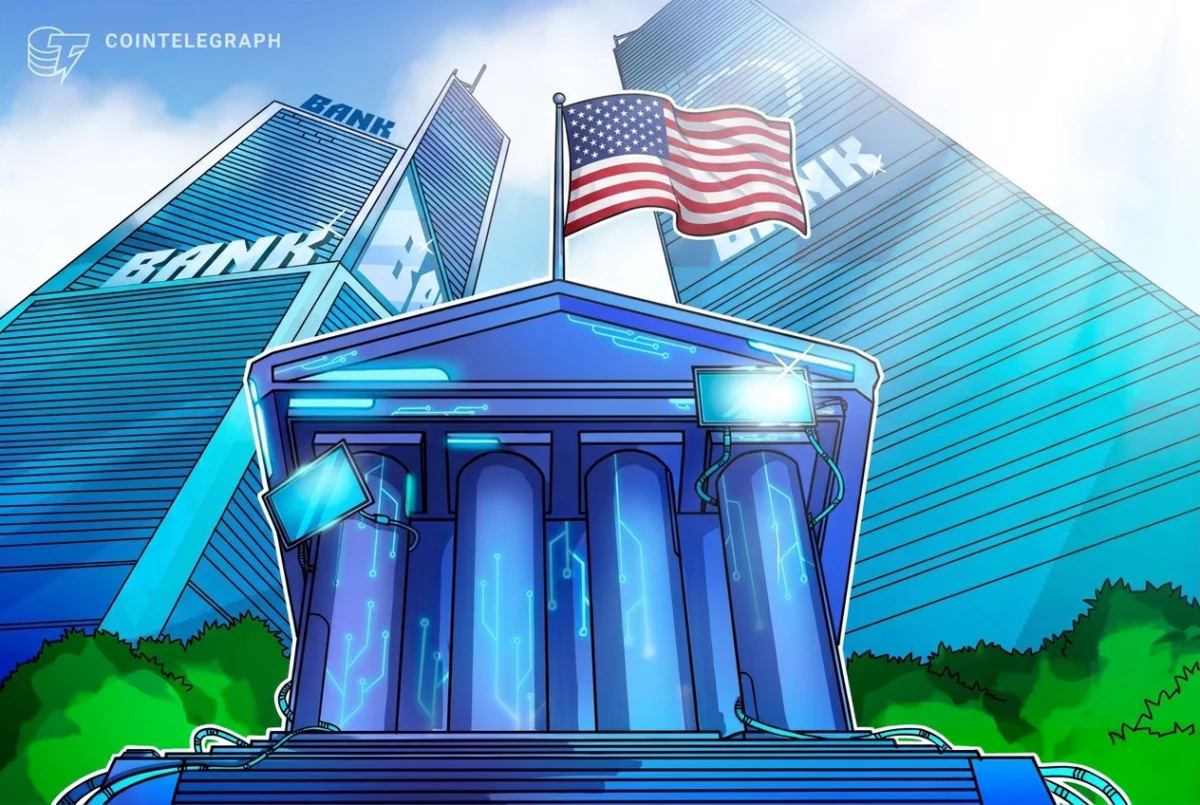
Thirty-nine state banking associations across the United States have collectively established the BankChain Alliance, a groundbreaking initiative to develop and operate a nationwide, industry-owned blockchain network specifically for financial institutions. The ambitious project is targeting a full launch by 2027, with the stated intention of modernizing payment systems, enhancing deposit management, and fostering interoperability within the regulated banking sector.
The alliance officially announced its formation and strategic objectives on Tuesday, detailing plans for the network to support a suite of advanced functionalities. These include smart payment tools, which enable automated execution of payment terms based on predefined conditions; tokenized deposits, representing digital claims on actual bank funds; stablecoins, cryptocurrencies pegged to a stable asset like the US dollar; and automated settlement processes designed to expedite and secure the transfer of funds. A key element of BankChain’s vision is interoperability, with the network designed to seamlessly connect with other existing and future blockchain platforms. The alliance is currently in the process of selecting a technology partner to build and implement this complex infrastructure.
The participating state banking associations represent a significant portion of the US financial landscape, collectively encompassing thousands of individual financial institutions, ranging from large national banks to smaller community lenders. BankChain has indicated its intention to extend invitations to banks nationwide to acquire ownership stakes in the network, thereby ensuring broad industry backing and shared governance. However, the initial announcement did not provide specific details on which individual banks have committed to joining the alliance, nor did it elaborate on the proposed governance structure or the funding mechanisms that will underpin the network’s development and operation.
BankChain’s emergence signifies a growing trend within the US banking sector, where multiple bank-led networks have been announced or have advanced significantly since late 2025. These initiatives, driven by major, regional, and community banks alike, are focused on building shared infrastructure to facilitate the onchain movement of deposits and payments, all while operating within the established regulatory framework for banking. This collective effort underscores a strategic pivot towards leveraging distributed ledger technology to create more efficient, secure, and programmable financial services.
The initiative by the BankChain Alliance builds upon and aligns with other significant developments in the onchain payment space. In June, The Clearing House, a prominent payments company owned by major US banks, unveiled its own onchain money initiative. This project, backed by industry giants such as JPMorgan Chase, Bank of America, Citi, BNY Mellon, and Wells Fargo, aims to create a network capable of clearing and settling tokenized deposits between participating banks. Crucially, it also seeks to integrate blockchain activity with The Clearing House’s existing payment systems, bridging the gap between traditional and emerging financial technologies.
A key distinction highlighted by these initiatives, particularly in relation to tokenized deposits, is their nature as claims on individual banks. Unlike independently issued stablecoins, tokenized deposits are designed to retain their classification as commercial bank money, ensuring regulatory compliance and maintaining customer trust. This structure is intended to empower banks to offer enhanced services, such as programmable and round-the-clock transfers, while simultaneously ensuring that customer funds remain securely held on their balance sheets.
Regional lenders are also actively pursuing their own onchain payment networks. Through Cari, a platform developed in collaboration with banks like Huntington, First Horizon, M&T Bank, KeyBank, and Old National, regional institutions are working to build a dedicated network. Cari launched a minimum viable product (MVP) in March, and by July, it had already attracted over 30 participating banks, demonstrating significant traction and interest among this segment of the banking industry.
Community banks are not to be outdone, with the DTX Consortium forming under the auspices of the Independent Bankers Association of Texas (IBAT). IBAT announced in June that membership in the DTX Consortium had surpassed 50 banks, as the group actively prepared for a tokenized-deposit pilot program. This indicates a concerted effort by smaller financial institutions to embrace blockchain technology and explore its potential for modernizing their operations and services.
The trend towards consortium models extends to stablecoin developers as well. In June, Open Standard announced its involvement with Open USD, a dollar-backed stablecoin project expected to launch later in 2026. The initiative boasts a broad coalition of over 140 companies from the payments, banking, technology, and cryptocurrency sectors. Open Standard’s project aims to offer businesses fee-free minting and redemption of the stablecoin, with plans to distribute reserve earnings to participating companies, fostering a collaborative ecosystem.
These parallel developments—the formation of the BankChain Alliance, the initiatives by The Clearing House, Cari, and the DTX Consortium, and the efforts of stablecoin developers like Open Standard—collectively paint a picture of a rapidly evolving financial landscape. US banks, across all tiers, are increasingly recognizing the transformative potential of blockchain technology to create more efficient, transparent, and customer-centric payment and deposit systems. The BankChain Alliance’s ambitious 2027 launch target signifies a serious commitment from a broad spectrum of state banking associations to build a foundational, industry-owned infrastructure that could reshape the future of banking in America. While many details regarding governance, funding, and specific technology partners remain to be disclosed, the formation of BankChain marks a significant step towards a more interconnected and technologically advanced financial ecosystem.






