11

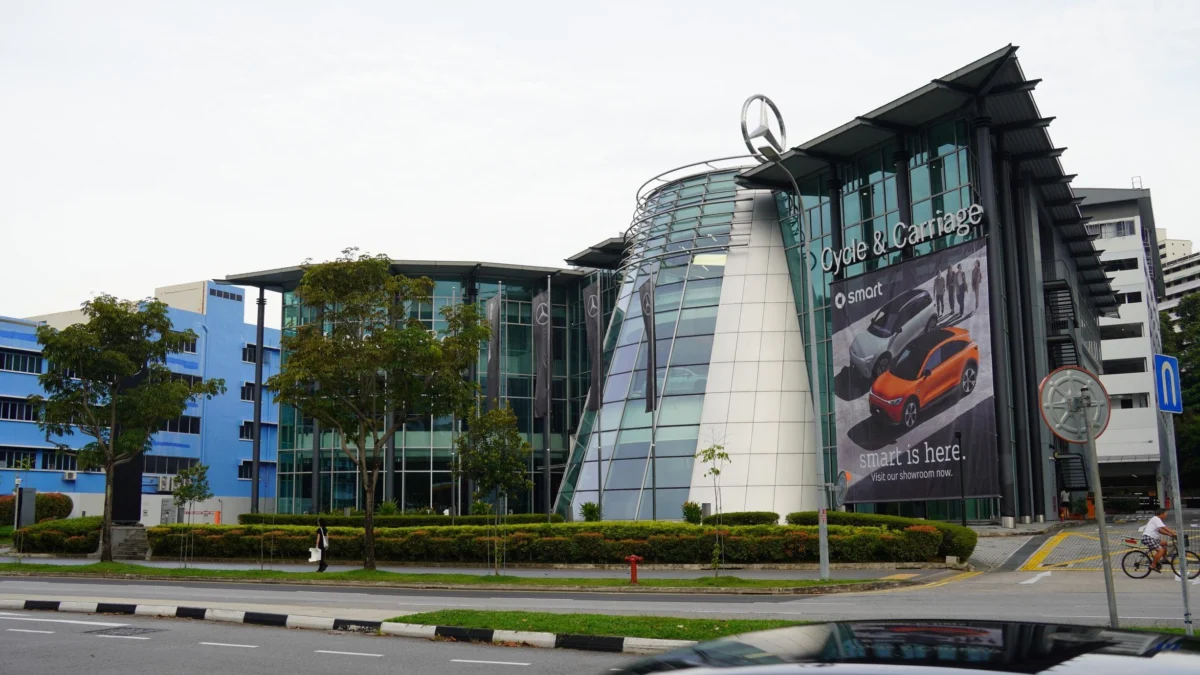
Chandra Asri Pacific, the Indonesian energy and petrochemical behemoth controlled by tycoon Prajogo Pangestu, has made a significant strategic move into the automotive sector, agreeing to acquire Jardine Cycle & Carriage’s car dealership businesses in Malaysia and Singapore for S$265 million (approximately $208 million USD). This landmark transaction marks the group’s initial foray into the dynamic automotive industry, signaling a notable diversification from its traditional energy and petrochemical core. The acquisition is currently pending approvals from several of Jardine Cycle & Carriage’s partners and other customary conditions, as outlined in the agreement.
This strategic expansion is poised to complement Chandra Asri Group’s already robust energy business presence in Singapore. Furthermore, it builds upon a series of recent expansions by the group within the city-state, including its notable acquisition of the Esso-branded fuel retail network. The Jakarta-based company emphasized the transformative nature of this deal in a statement released on Friday, highlighting its ambition to evolve into a comprehensive regional provider of energy, chemicals, infrastructure, and mobility solutions.
Erwin Ciputra, President Director & CEO of Chandra Asri, articulated the company’s vision, stating, “The proposed acquisition of Cycle & Carriage will represent another important milestone in Chandra Asri Group’s transformation into a leading regional energy, chemicals, infrastructure, and mobility solutions provider.” This statement underscores the multifaceted nature of the group’s growth strategy, moving beyond its foundational segments to embrace new, interconnected markets. The integration of automotive dealerships into its portfolio suggests a future where Chandra Asri could leverage synergies between its existing energy infrastructure and the burgeoning mobility sector, particularly in the context of electric vehicle adoption and associated services.
Jardine Cycle & Carriage (JCC), the entity divesting its car dealership operations, boasts a rich history spanning over a century, having been in business since 1899. The company is under the control of Jardine Matheson Holdings, an influential conglomerate itself, which is ultimately linked to the prominent Keswick family. In Singapore, JCC operates a substantial network comprising six facilities, representing a prestigious array of automotive brands including Mercedes-Benz, Kia, and Mitsubishi. Beyond new car sales, the company’s comprehensive offerings in Singapore extend to the used car market through its Republic Auto brand, alongside providing vehicle leasing services and supplying electric vehicles (EVs) to logistics companies, reflecting its engagement with modern transportation solutions. In Malaysia, JCC maintains a significant footprint as a Mercedes-Benz dealer, supported by an extensive network of 11 sales and after-sales facilities, demonstrating its deep-rooted presence and operational scale in the region’s automotive landscape.

From Jardine C&C’s perspective, the divestment is a strategic move designed to “crystallise value from the Cycle & Carriage business,” as articulated in a separate statement by Jardine. This decision aligns with the conglomerate’s broader strategy to concentrate its resources and efforts on its core markets, primarily Indonesia and Vietnam. The transaction is also expected to deliver a positive outcome for shareholders, with the proceeds earmarked for the reduction of the company’s debts, thereby strengthening its financial position. This recalibration allows Jardine C&C to streamline its portfolio and optimize its operational focus in key growth regions.
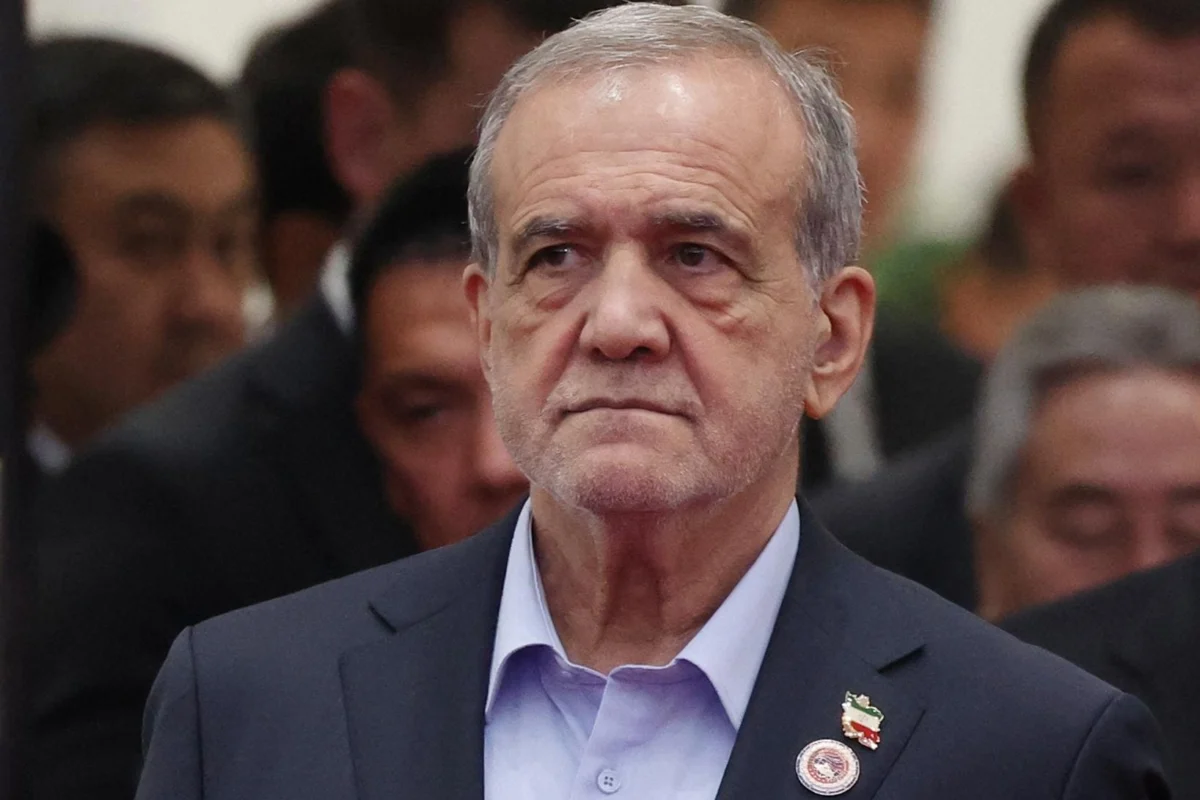
Prajogo Pangestu, the Indonesian business magnate at the helm of Chandra Asri Pacific, has been meticulously orchestrating the expansion of his conglomerate’s footprint in Singapore. This latest acquisition is consistent with a series of strategic moves in the city-state, which is recognized as a pivotal economic and logistical hub in Southeast Asia. Earlier, in April 2025, Chandra Asri, in partnership with commodities giant Glencore, completed the acquisition of Shell’s refinery and petrochemical assets located in Singapore. Following this significant transaction, approximately five months later, the group further bolstered its presence by acquiring Esso’s extensive network of petrol stations across Singapore. These preceding acquisitions demonstrate a clear and consistent strategy by Pangestu to consolidate and expand Chandra Asri’s energy and petrochemical infrastructure, laying the groundwork for broader integration into related sectors.
Chandra Asri itself is a pivotal component of Barito Pacific, an expansive conglomerate founded by Pangestu. Originating as a timber company, Barito Pacific underwent a profound transformation under Pangestu’s visionary leadership, evolving into a dominant force in the energy and petrochemical industries. Prajogo Pangestu’s business acumen and strategic foresight have cemented his status as one of Indonesia’s wealthiest individuals, with a staggering net worth of $17.2 billion, according to Forbes’ real-time data. His diverse business interests further extend to the mining sector, notably through coal mining firm Petrindo Jaya Kreasi, which successfully went public in 2023, showcasing his continuous pursuit of growth and diversification across multiple high-value industries.
The entry into the automotive dealership business represents a calculated step for Chandra Asri. While seemingly disparate from petrochemicals, the automotive sector offers numerous points of synergy. For instance, petrochemical products are fundamental to car manufacturing, used in everything from plastics and synthetic fibers to rubber for tires and various fluids. Furthermore, the ownership of fuel retail networks, as acquired with Esso, creates a direct link to the operational needs of vehicle fleets and individual car owners. As the automotive industry shifts towards electric vehicles, Chandra Asri’s existing energy infrastructure could be leveraged for developing EV charging solutions, battery components, or even advanced materials for lightweight vehicle construction. This vertical and horizontal integration potential could position Chandra Asri as a comprehensive player in the future of mobility.
Singapore and Malaysia, the target markets for this acquisition, are dynamic automotive landscapes. Singapore, despite its smaller size, is a crucial market for premium brands and advanced mobility solutions, often serving as a testbed for new technologies and services. Malaysia, with its larger population and manufacturing base, represents a significant volume market for both domestic and international brands. By acquiring established dealership networks in these two strategic countries, Chandra Asri gains immediate market access, operational expertise, and a strong brand presence, accelerating its diversification strategy. This move not only broadens its revenue streams but also enhances its resilience against market fluctuations in its traditional energy and petrochemical segments. The acquisition also positions Chandra Asri to capitalize on the growing demand for personal mobility and the ongoing transformation of the automotive industry in Southeast Asia, a region characterized by a rapidly expanding middle class and increasing urbanization. The focus on “mobility solutions provider” suggests a long-term vision that extends beyond traditional car sales, potentially encompassing smart city initiatives, integrated transport systems, and sustainable logistics solutions, further cementing Chandra Asri’s role as a multifaceted regional powerhouse.