11

The internet’s most visited pages are increasingly not articles, but functional tools. From grade calculators and file converters to color palette generators and email outreach templates, these resources directly address user needs in a way that traditional blog posts cannot. Searchers aren’t looking to read; they’re looking to do. This insight forms the foundation of the free-tools SEO strategy: instead of publishing another guide, businesses can build a small, genuinely useful tool, host it on a dedicated page, and aim for high search rankings. When executed effectively, a single tool can capture hundreds of keywords and generate consistent traffic for years.

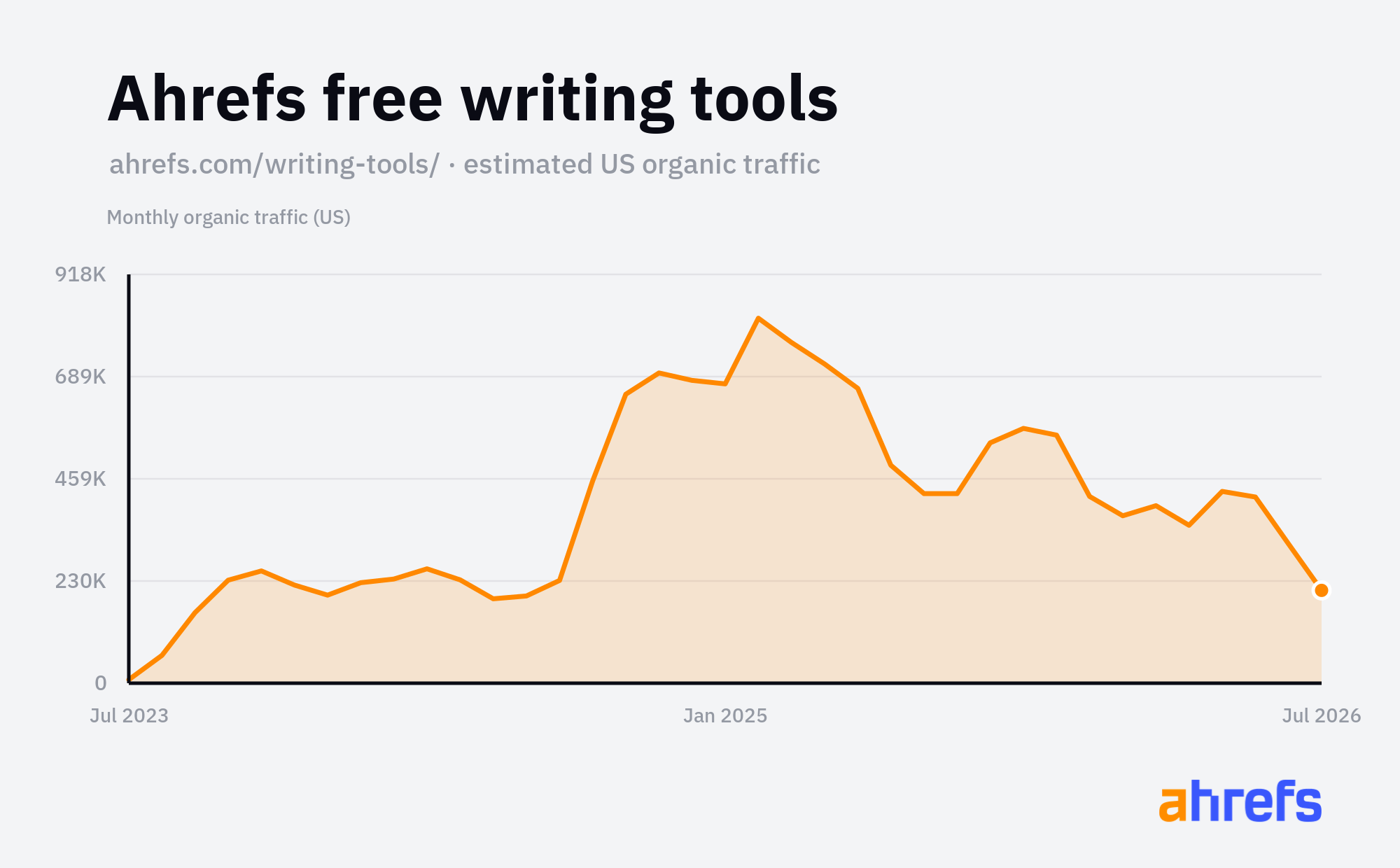
This strategy is demonstrably effective, as evidenced by Ahrefs’ own success. Their /writing-tools/ subfolder, launched in mid-2023, peaked at nearly one million U.S. organic visits per month and currently maintains hundreds of thousands of monthly visits. Their free SEO tools, including a keyword generator, backlink checker, and traffic checker, are consistently among their highest-traffic pages.
Furthermore, free tools offer unusual resilience against the growing impact of AI. While AI is adept at synthesizing informational content, making it difficult for traditional articles to retain traffic, tools are harder to circumvent. AI Overviews can describe how to perform a task, but they cannot provide a functional calculator or converter. Historically, building such tools was a significant barrier due to cost and development time. However, with platforms like Letaido and ChatGPT, creating a functional tool can now be achieved in an afternoon, shifting the bottleneck from engineering to identifying the right tool to build. This presents a timely opportunity for creating durable search traffic with AI-generated tools.
The Four Pillars of the Free Tools Strategy: Calculators, Converters, Generators, and Templates
The free-tools SEO strategy can be broadly categorized into four types of offerings, each addressing a specific user intent:
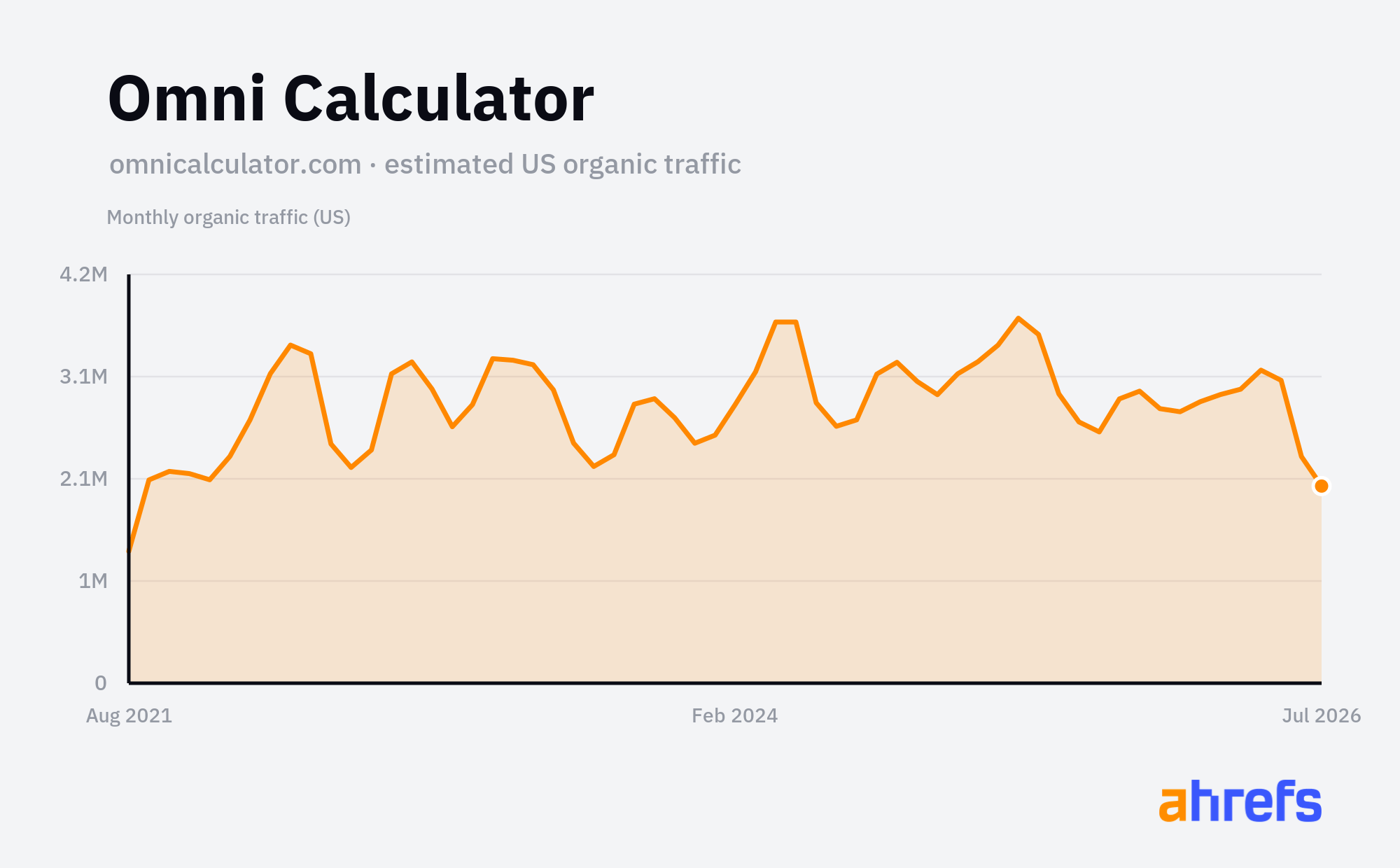
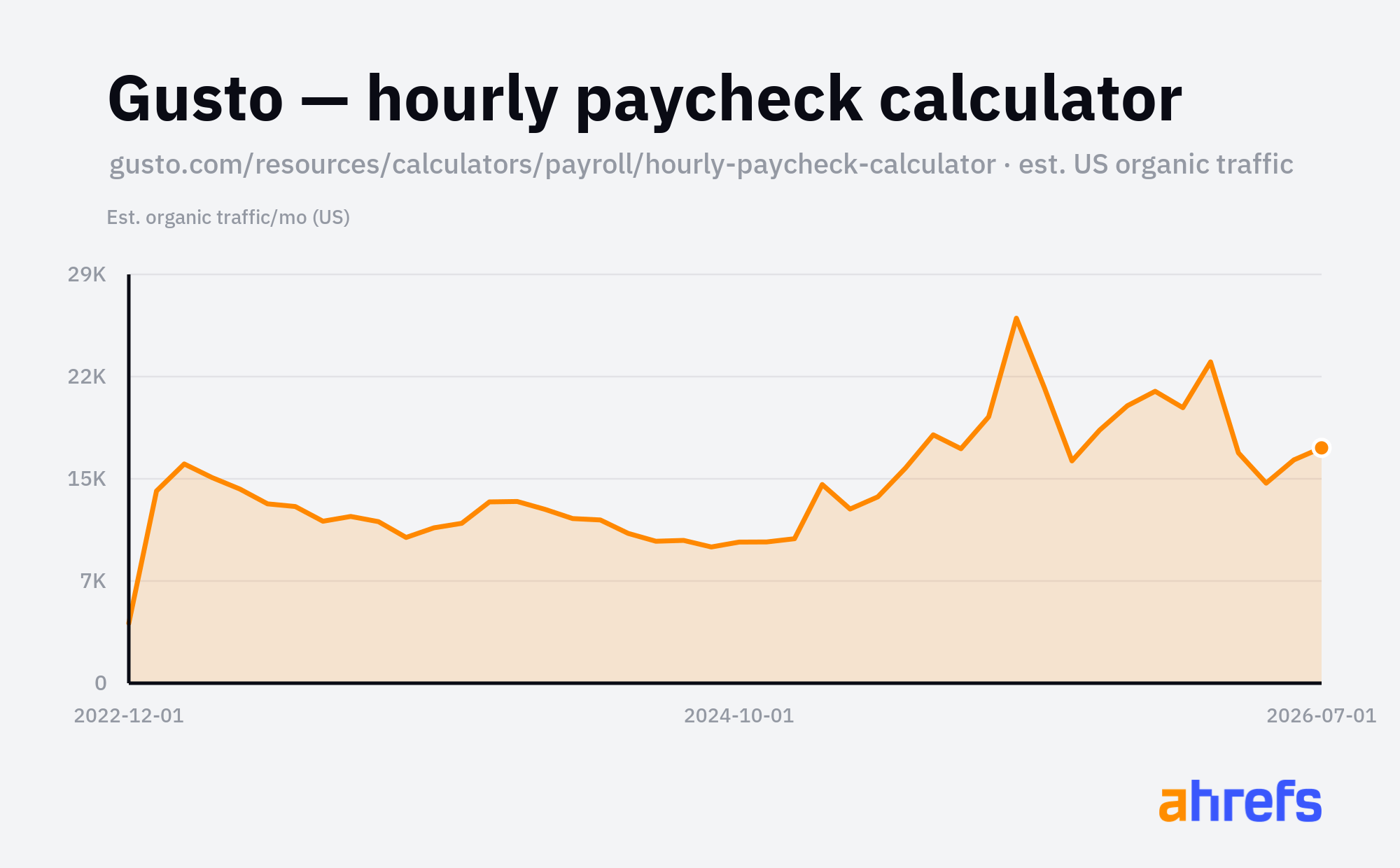
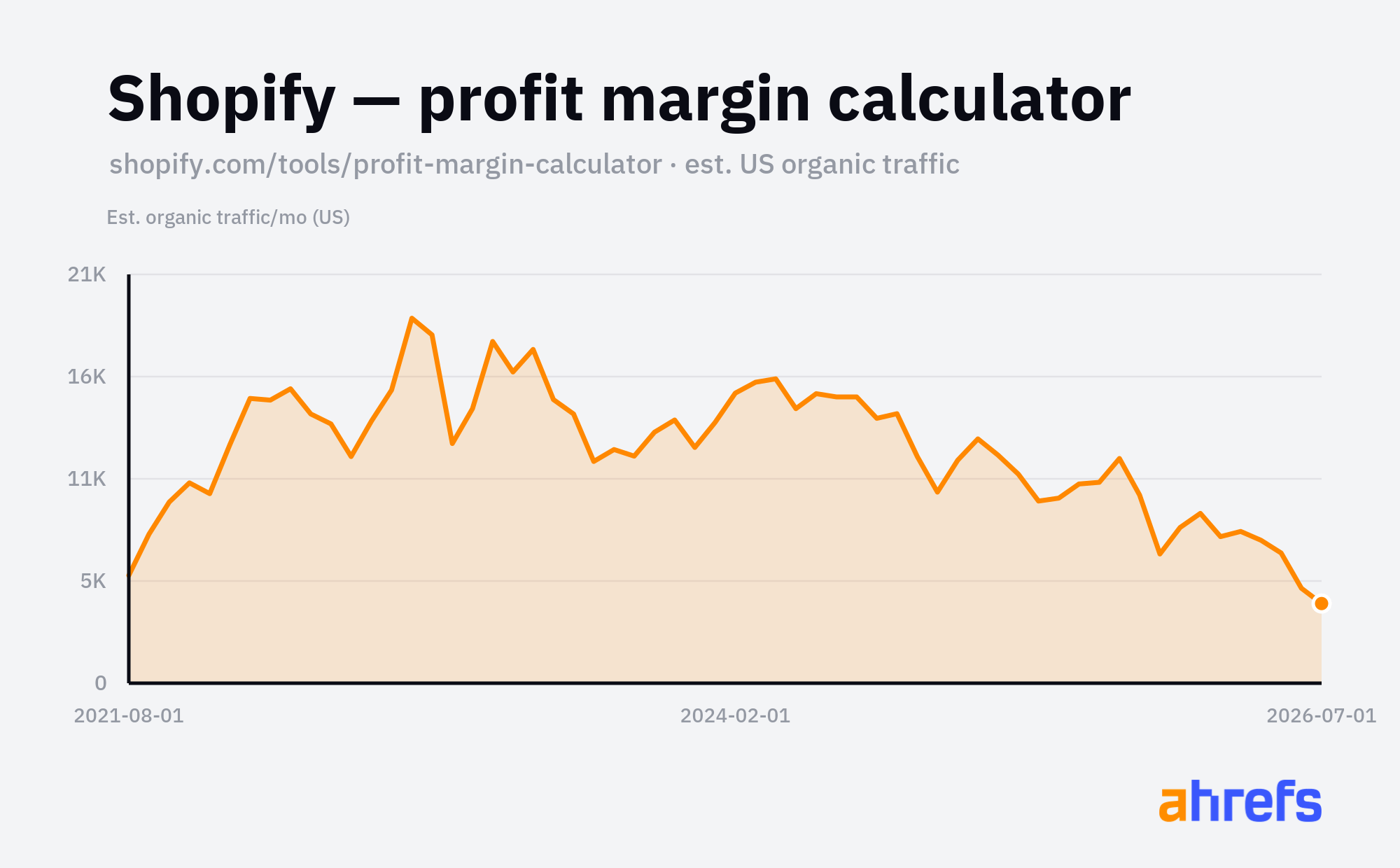
1. Calculators: These tools take user inputs to return a much-needed numerical output. Omni Calculator exemplifies this by hosting thousands of single-purpose calculators, attracting millions of U.S. visits monthly through specific "calculator" searches. For example, their "test grade calculator" page garners significant traffic. Businesses like Gusto, a payroll and HR software provider, leverage calculators like their free hourly paycheck calculator to attract small business owners, a key demographic for their services. Similarly, Shopify utilizes a profit-margin calculator to engage merchants considering pricing strategies. While broad terms like "mortgage calculator" are highly competitive, niche calculators with lower difficulty and high traffic potential, such as "amazon fba calculator" or "deck material calculator," offer more accessible opportunities.
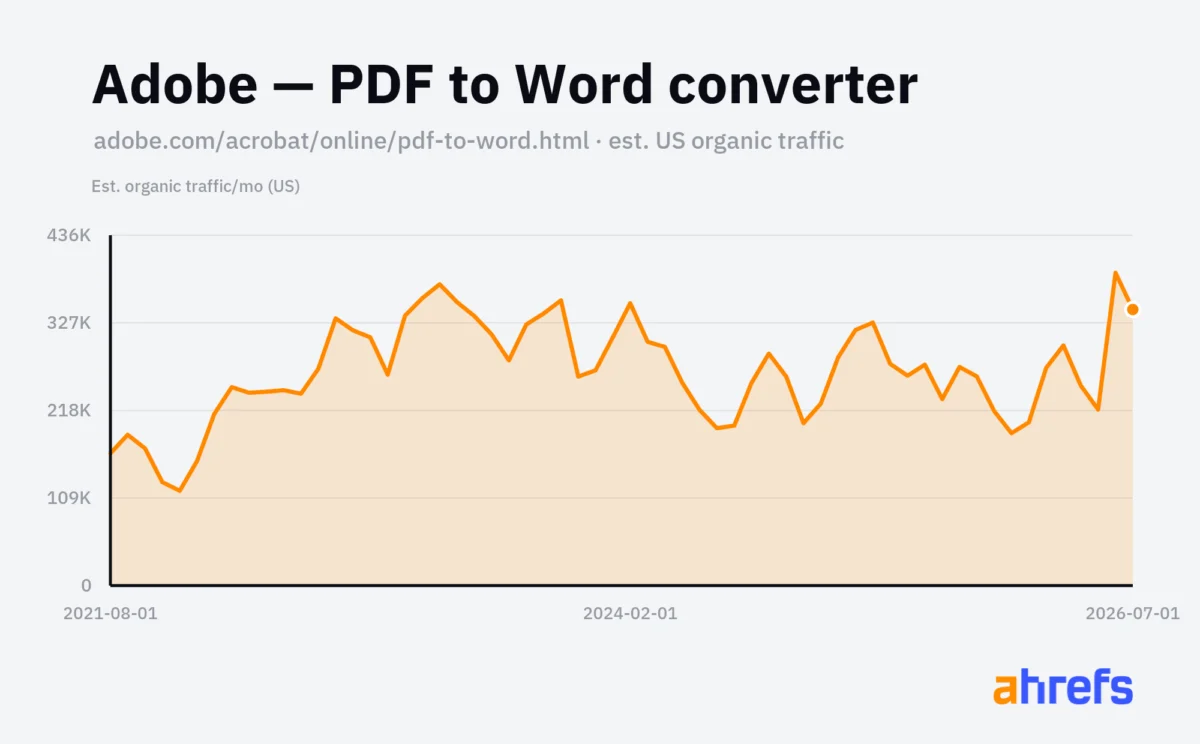
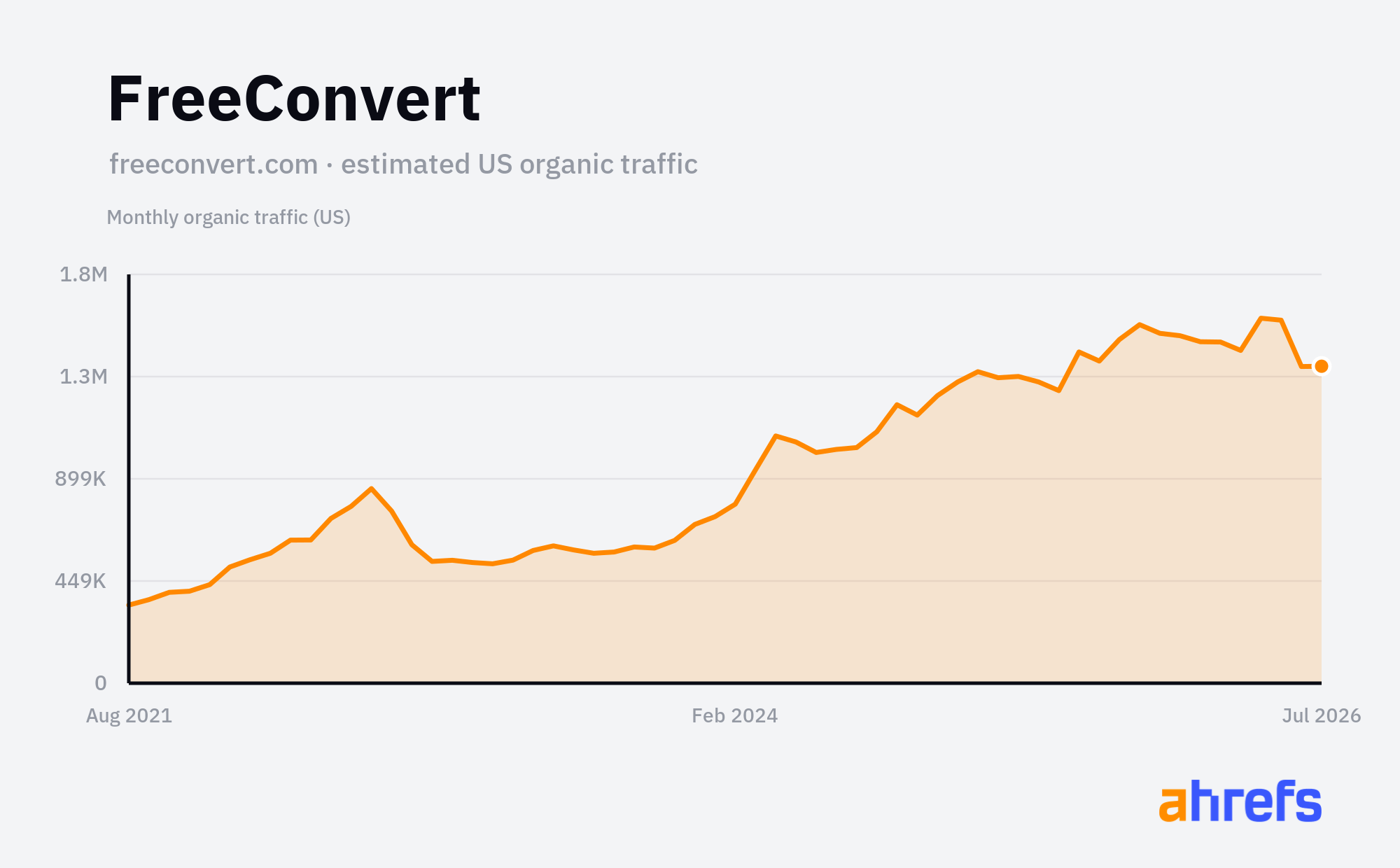
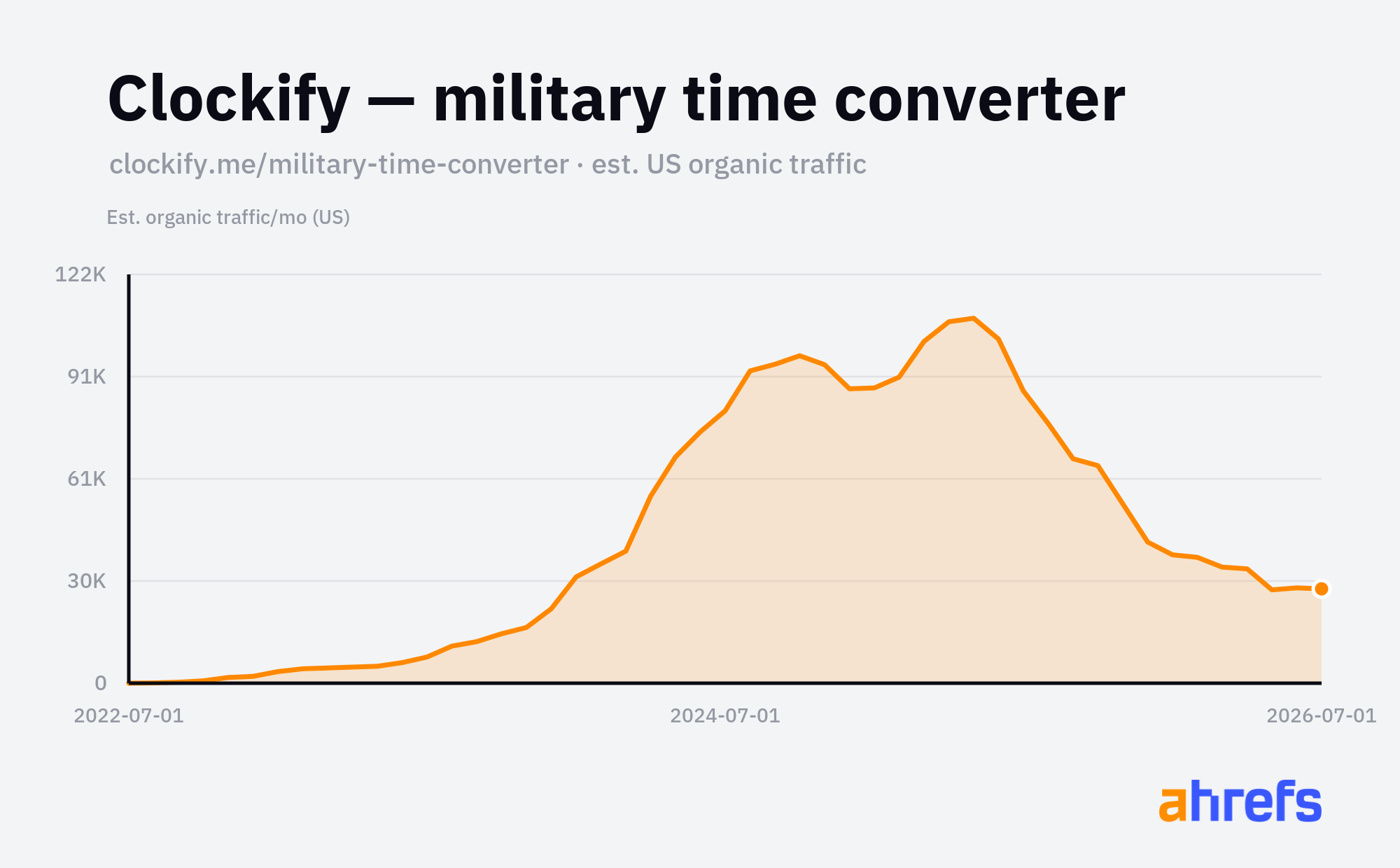
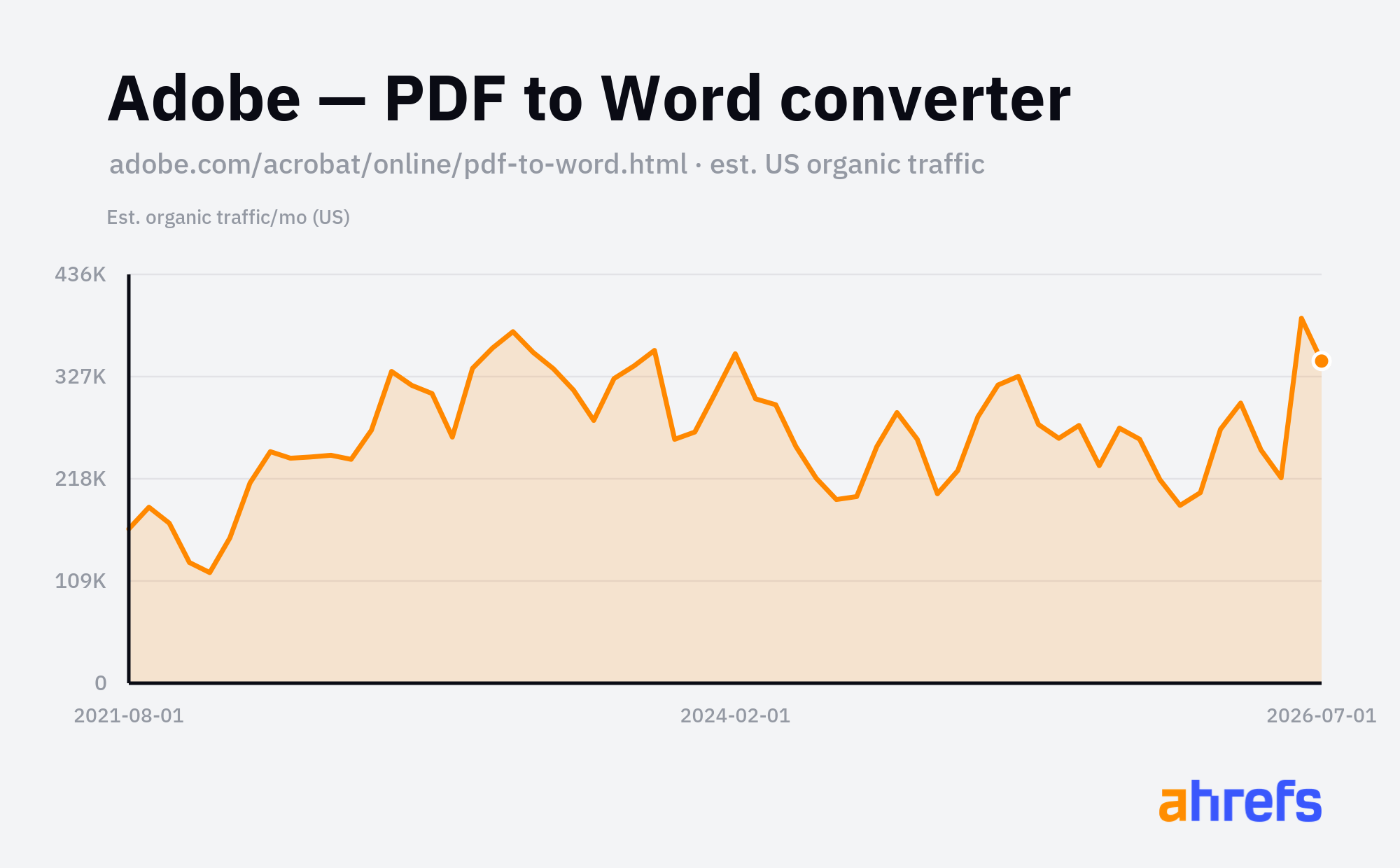
2. Converters: Converters transform data from one format to another. FreeConvert has seen substantial growth by targeting "convert X to Y" searches, offering tools for video, image, and document conversions. Each format pair constitutes a unique landing page, catering to the constant need for file transformations. Clockify, a time-tracking software, uses a military-time converter to attract users interested in time management, while Adobe’s free online converters, like their PDF-to-Word tool, serve as a significant top-of-funnel tactic for their Acrobat Pro product. Similar to calculators, niche conversion needs, such as "pdf bank statement to csv" or "psd to png," present opportunities with lower competition.
3. Generators: Generators create new content based on user input or prompts. Coolors, a color palette generator, has expanded to offer a suite of design tools, including font and gradient generators. This broad appeal has nearly doubled its U.S. organic traffic. Kapwing, a video-editing tool, attracts users with free generators like a meme maker and subtitle generator, introducing them to their core product. HubSpot’s email signature generator is another example of a free tool driving relevant traffic for their CRM and marketing software. While head terms like "qr code generator" are highly competitive, niche generators such as "band name generator" or "podcast name generator" offer more achievable targets.
4. Templates: Templates provide ready-made files for users to download and customize. Template.net thrives by offering a vast library of templates, including doctor’s notes, obituaries, and letters, attracting hundreds of thousands of monthly visitors. Venngage, an infographic maker, uses its template hub to showcase hundreds of pre-designed graphics, encouraging users to edit them within their platform. Canva, a leading design platform, operates a massive template hub, drawing significant traffic for various document types, from budgets to meeting agendas. For templates, the strategy involves targeting specific document needs within a niche, such as "wedding seating chart template" or "construction estimate template," which often have low difficulty and high relevance.
Finding, Building, and Deploying Your Own Tool
The process for implementing the free-tools strategy across all categories involves three key steps:
1. Search Seed Keywords: Utilize Ahrefs’ Keywords Explorer with "Matching terms" reports, using seed patterns like "[thing] calculator," "[format] to [format] converter," "[thing] generator," and "[document] template."
2. Filter for Winnable Terms: Apply a Keyword Difficulty filter (e.g., KD ≤ 30) and a Lowest DR filter to identify keywords with lower competition and potential for ranking. Sort by Traffic Potential or Search Volume to find relevant, low-difficulty terms.
3. Niche Identification and SERP Analysis: Scan results for terms relevant to your specific audience and niche. Analyze the Search Engine Results Page (SERP) overview to confirm that focused tool pages, rather than lengthy articles, rank well. The "Page types" column in Ahrefs can quickly reveal this.
4. AI-Powered Tool Development: Leverage AI platforms like Letaido, ChatGPT, or Claude to build the tool. Provide detailed prompts outlining inputs, outputs, and on-page copy to optimize for search rankings. For instance, a prompt for a deck material calculator would specify inputs like dimensions and material costs, and outputs like board count and estimated cost. The AI can generate a self-contained HTML page for the tool.
5. Deployment and Optimization: Integrate the generated tool onto your website. Ensure the URL is descriptive, the tool is crawlable within the HTML, and the page is mobile-friendly. Including an FAQ section can enhance text content for SEO.
Free tools represent a significant opportunity in the current digital landscape. They are largely immune to AI-driven traffic shifts, offer a cost-effective development path, and are genuinely appreciated by users, fostering goodwill and links. This combination of defensible traffic, decreasing development costs, and user satisfaction makes the free-tools strategy a compelling avenue for businesses seeking to grow their online presence.