11

In the rapidly evolving landscape of artificial intelligence-assisted software development, the primary obstacle to productivity has shifted from the speed of code generation to the clarity of engineering intent. Atlassian has addressed this critical disconnect with the introduction of Jira Planner, a new tool designed to serve as the essential layer between high-level team decisions and the technical execution performed by AI agents. As organizations increasingly integrate AI into their development lifecycles, the industry is discovering that while models can write code at unprecedented speeds, they often struggle to capture the nuance, constraints, and specific architectural requirements of a complex project. Jira Planner aims to solve this "intent bottleneck" by transforming rough ideas into structured, agent-ready specifications that are deeply grounded in a company’s unique codebase and organizational standards.
The current challenge in AI-assisted development is rooted in the tendency of large language models to fill in information gaps with assumptions. When a developer or product manager provides a prompt that omits specific scope details, architectural constraints, or edge cases, the AI agent often solves a different problem than the one intended. This phenomenon leads to what engineers describe as being "confidently wrong"—an agent moving rapidly in the wrong direction. The result is a significant increase in technical debt, wasted tokens, and the need for extensive debugging of intent rather than just the code itself. The cost of rework in these scenarios often offsets the initial time gains promised by AI automation.
Market research conducted by Atlassian underscores a growing demand for more rigorous planning in the AI era. In a recent survey of engineering leaders, 60% of respondents indicated that their teams are actively shifting toward spec-driven development. This methodology emphasizes the creation of comprehensive technical specifications before any code is written. However, despite this strategic shift, fewer than 15% of those leaders reported having a structured framework in place to facilitate this process. This disparity highlights a significant "planning gap" that Jira Planner is designed to fill. By providing a dedicated environment for building, reviewing, and refining specifications, the tool ensures that both human teams and AI agents have a shared, accurate understanding of the work to be done.
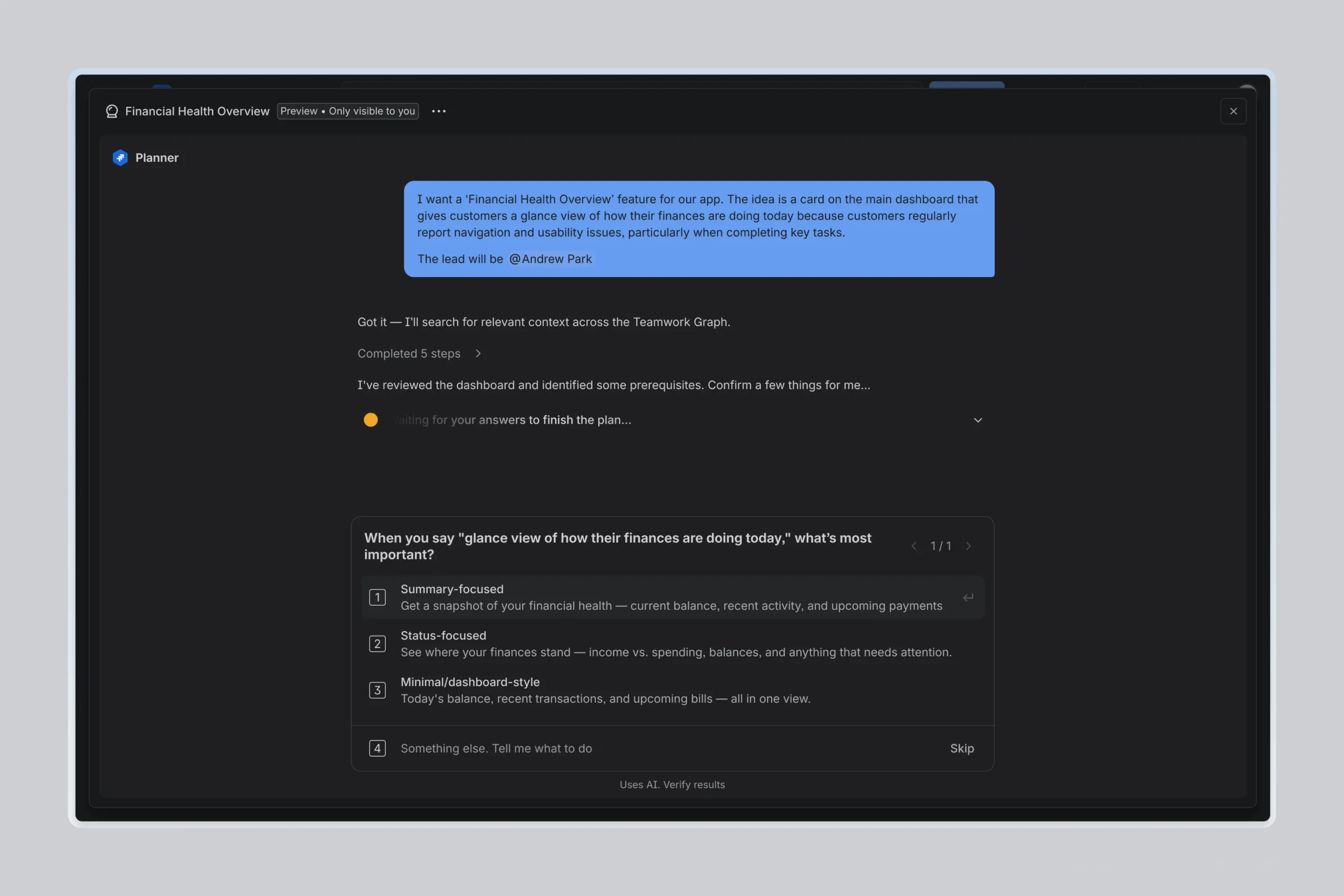
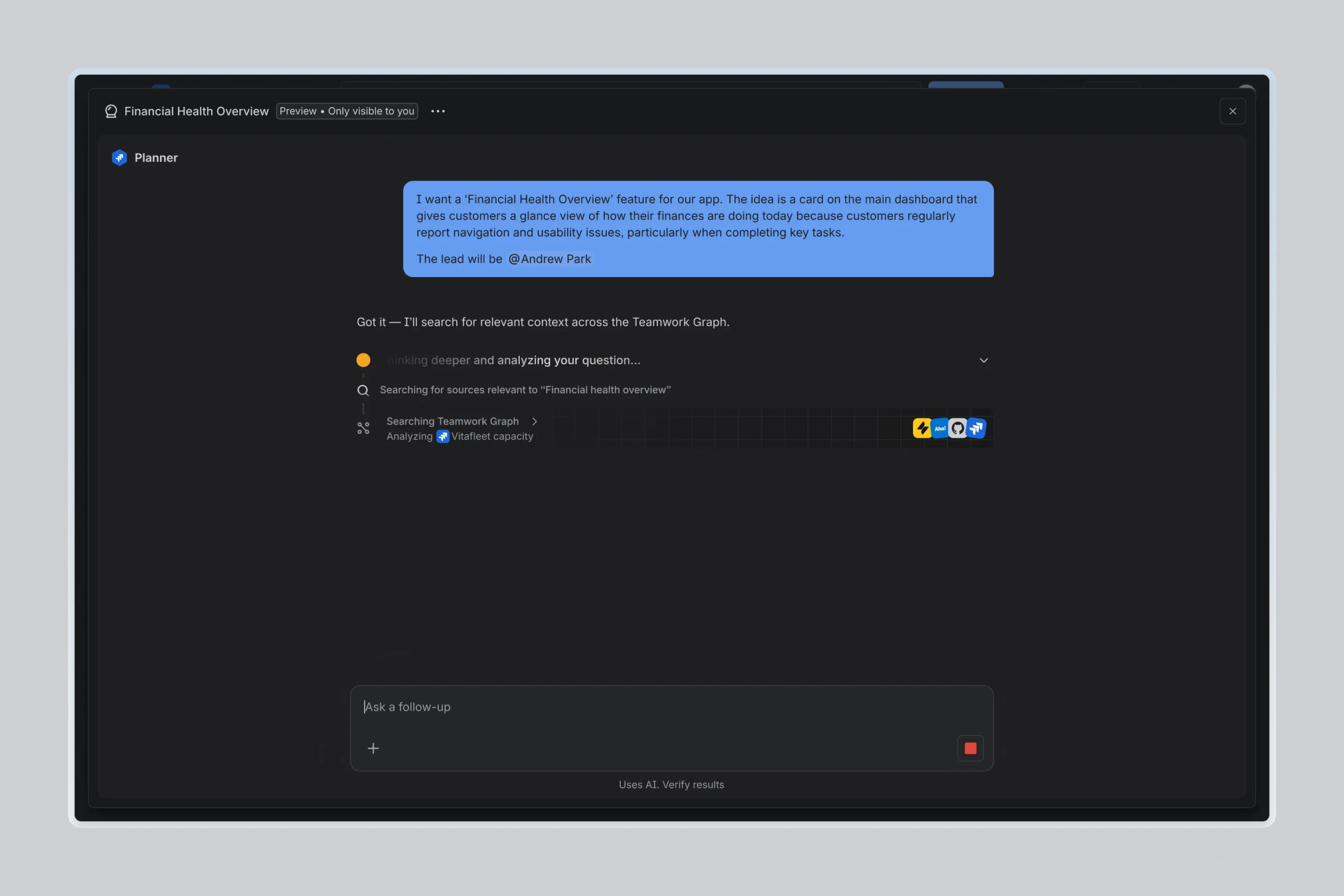
Jira Planner operates through a sophisticated six-step workflow that integrates seamlessly with the existing Atlassian ecosystem, including Jira, Confluence, and the recently introduced Atlassian Rovo. The process begins with the "Idea or Goal" phase. Unlike traditional documentation tools that require a fully formed draft, Jira Planner allows users to start with a rough concept. The system then utilizes AI to ask targeted follow-up questions, prompting the user to clarify the scope, identify potential constraints, and define what success looks like for the specific task. This interactive dialogue ensures that the foundational elements of a project are captured before the planning moves forward.
The second stage of the workflow is "Contextual Grounding." This is a pivotal feature that differentiates Jira Planner from generic AI writing tools. The system is designed to read and analyze code across multi-repository setups and pull in data from the Atlassian Teamwork Graph. By doing so, the generated plans are not based on generic programming assumptions but are instead grounded in the organization’s actual architecture, ownership structures, and historical technical decisions. This semantic understanding of the codebase allows the tool to suggest solutions that are compatible with existing systems and adhere to established internal standards.
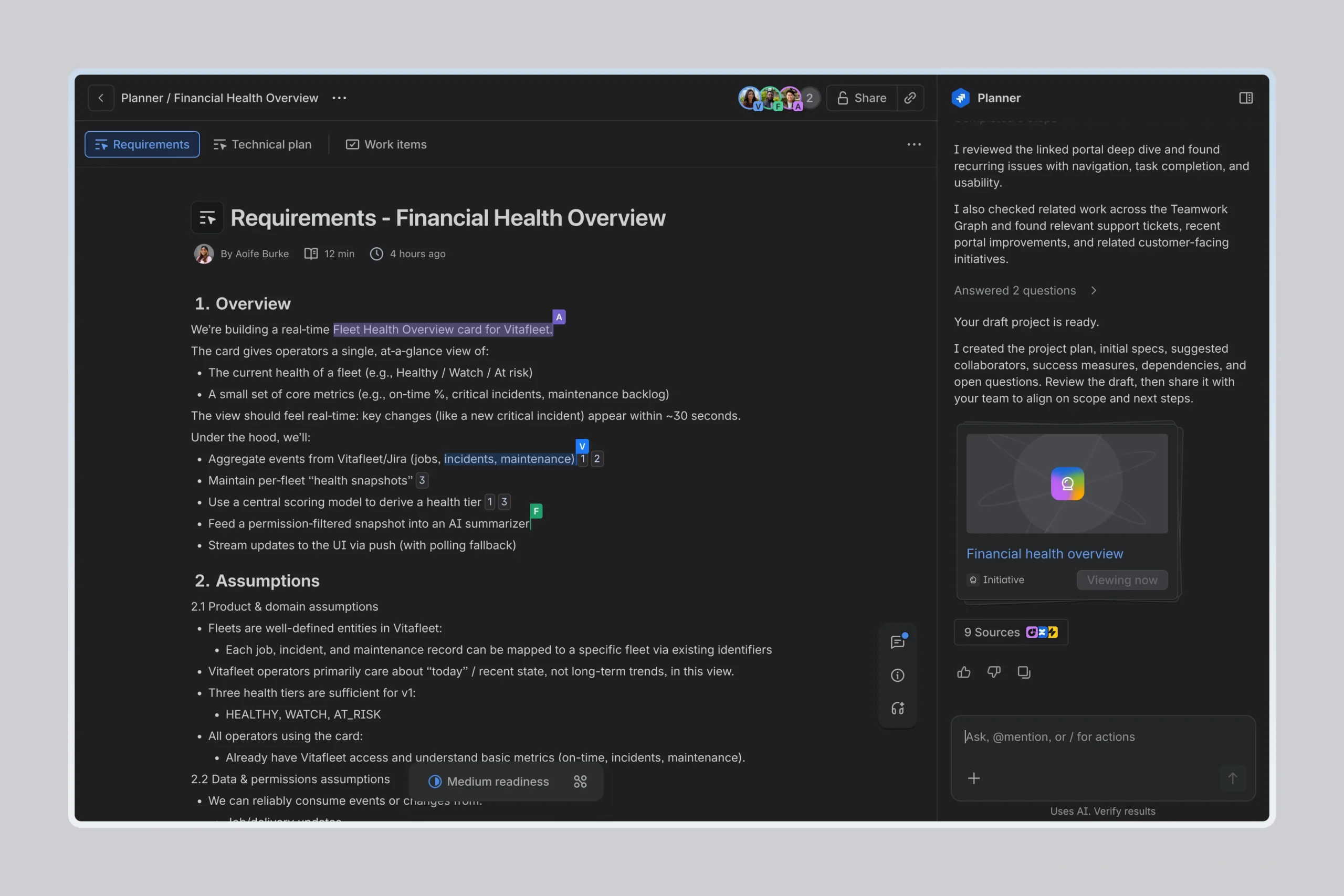
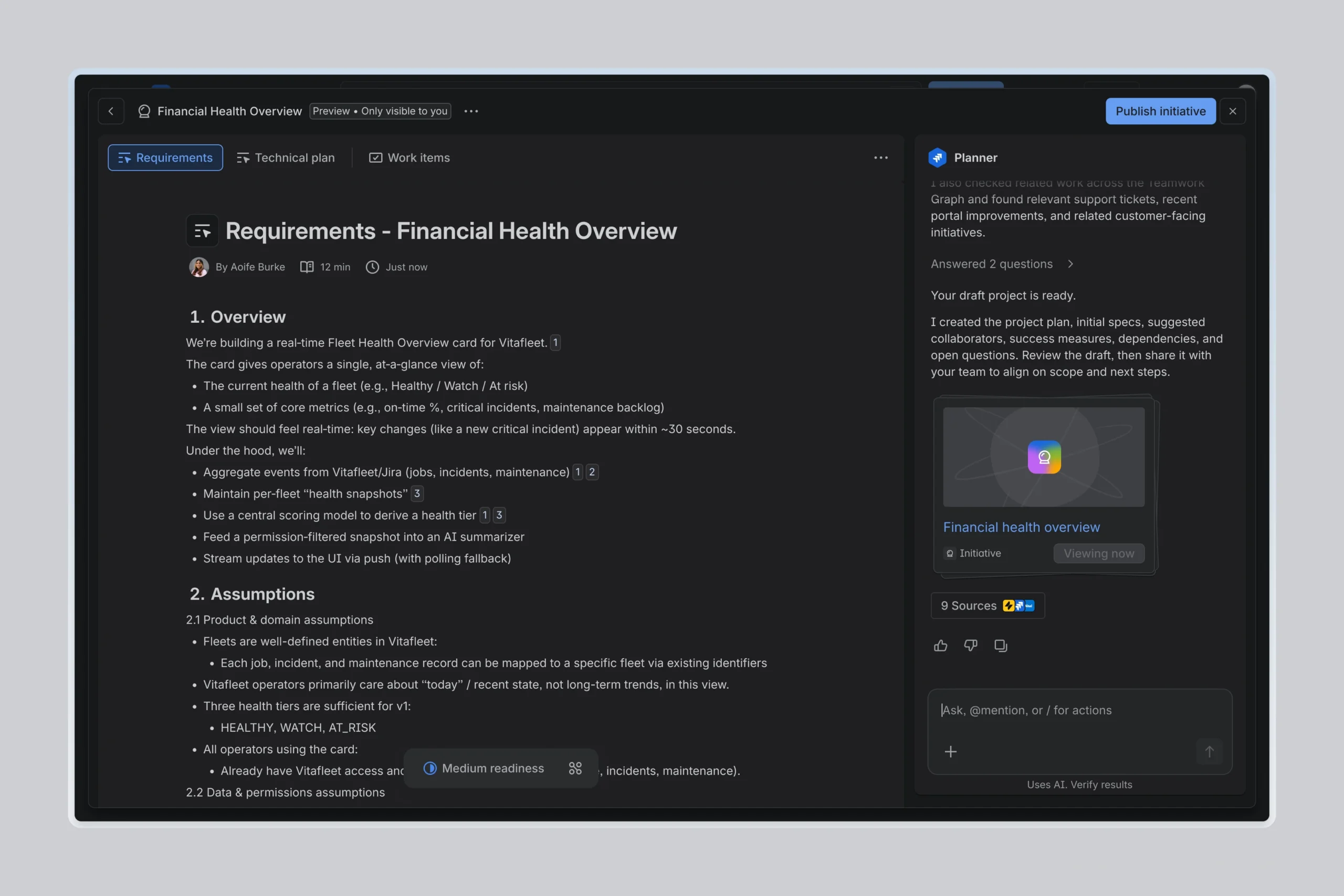
Once the context is established, Jira Planner moves to the "Artifact Generation" phase. Rather than producing a static "wall of text," the tool generates editable Confluence Live Docs. These documents are dynamic and remain connected to the relevant Jira tasks. Because these artifacts live where the team already works, there is no friction involved in moving data between platforms. These Live Docs serve as the "source of truth" for the project, allowing for a seamless transition from a high-level plan to a working document that can be refined over time.
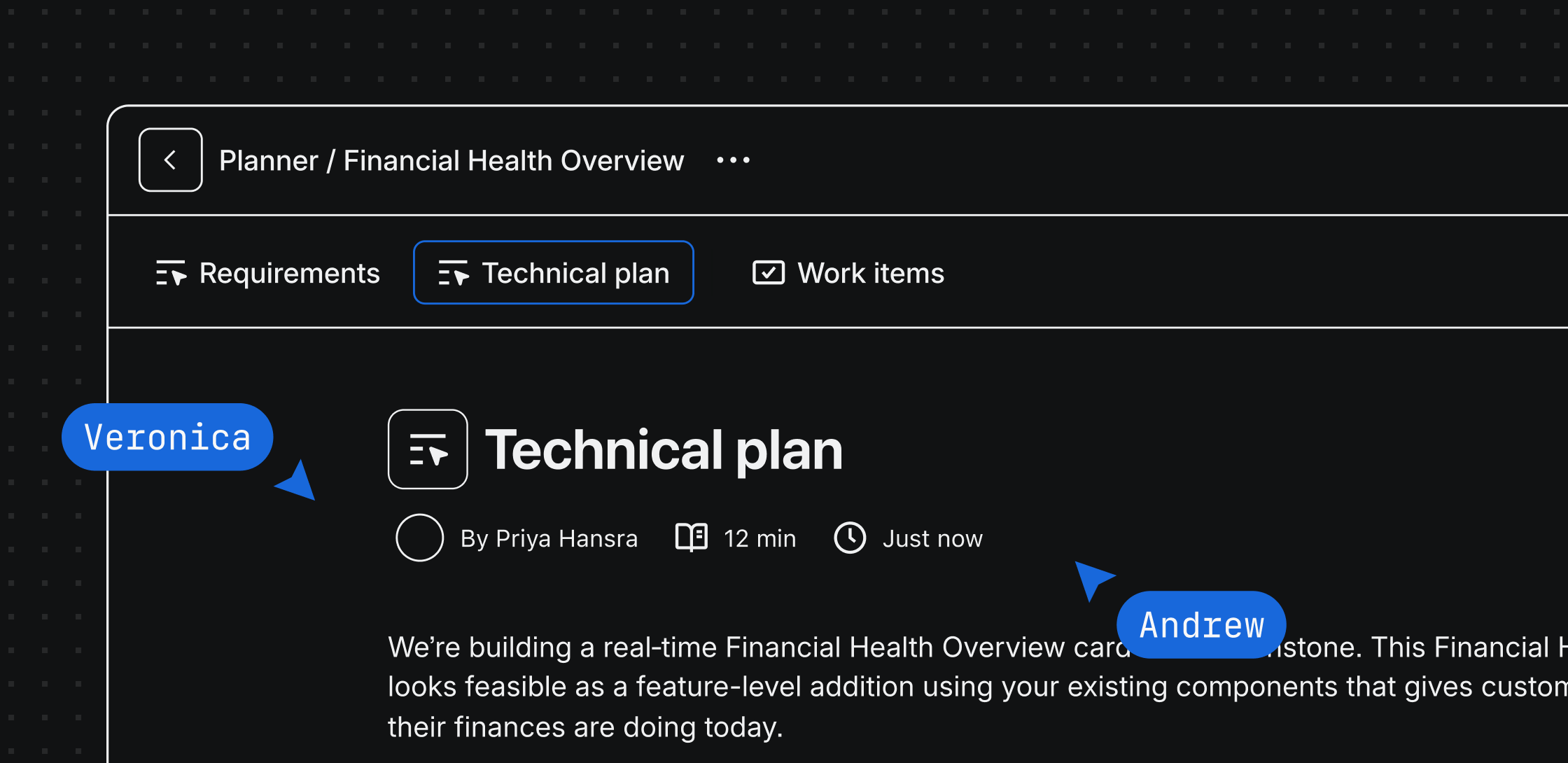
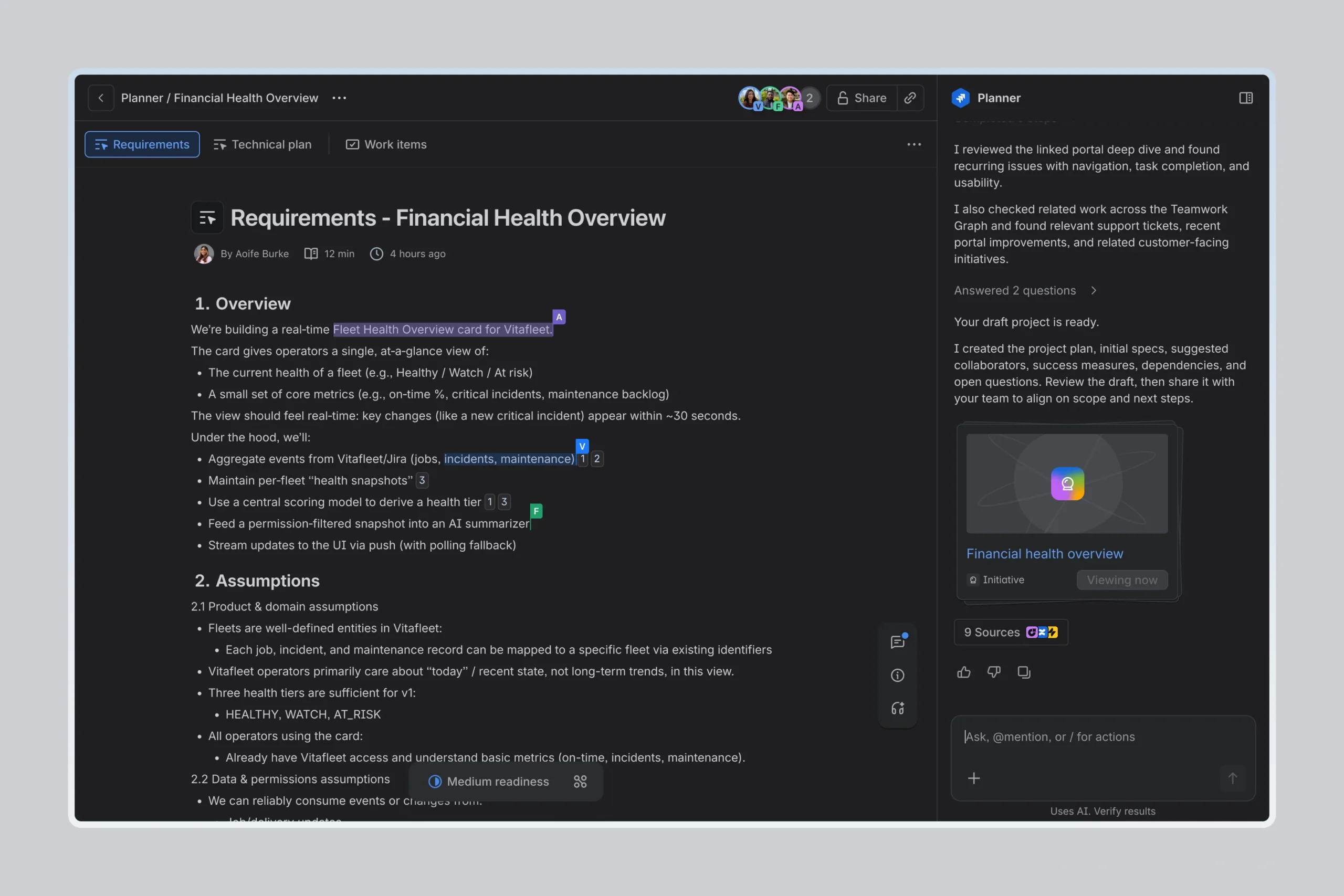
Collaboration is central to the Jira Planner philosophy, as evidenced in the "Team Planning" phase. The tool is built to facilitate alignment between tech leads, senior engineers, engineering managers, and product managers. It allows multiple stakeholders to co-edit the plan, leave inline comments, and navigate technical trade-offs together. This collaborative approach ensures that alignment occurs while the plan is still taking shape, rather than after it has been finalized. By involving designers and engineers early in the specification process, organizations can avoid the common pitfalls of siloed planning.
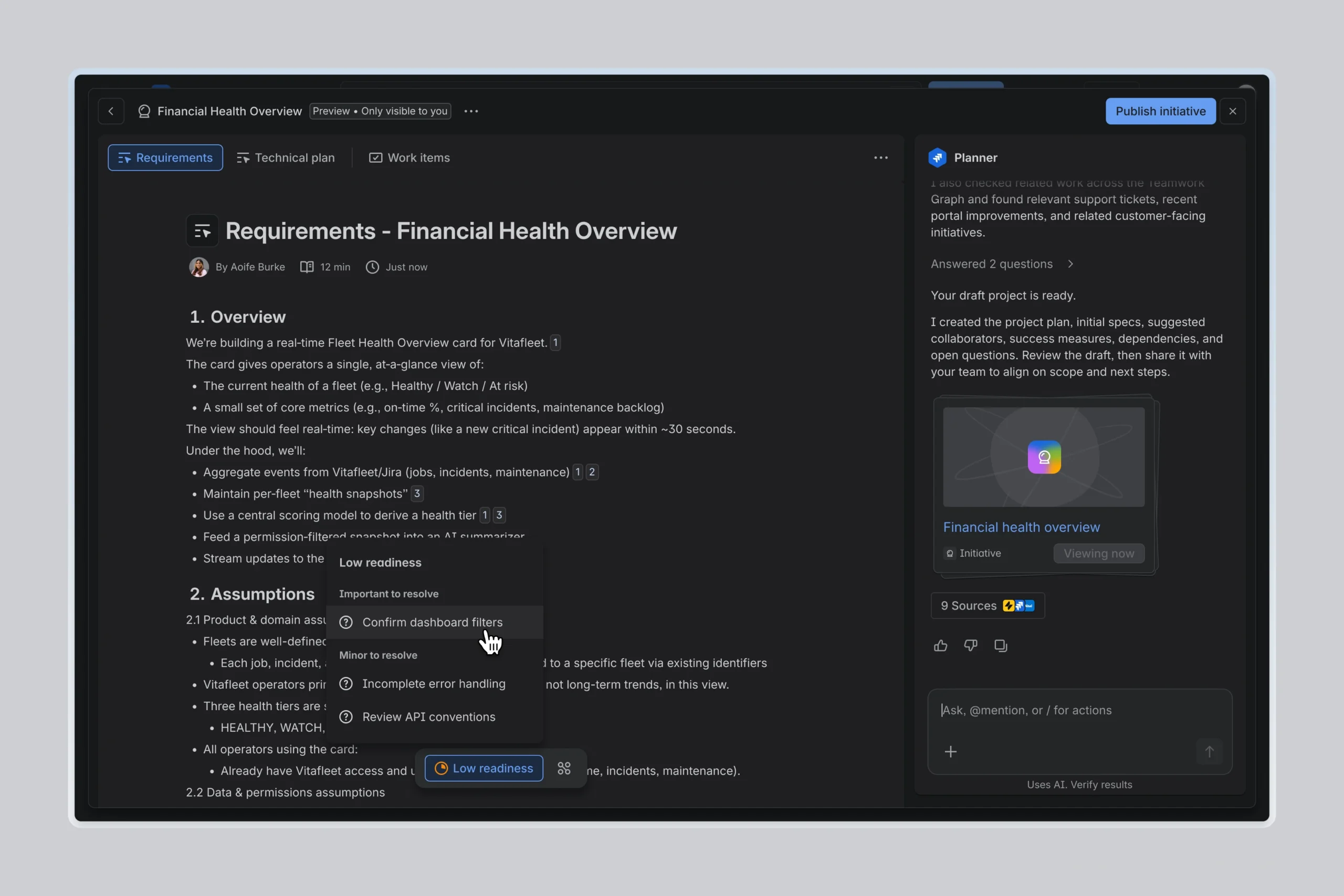
To ensure the quality of the final output, Jira Planner includes a "Readiness Check" feature. This stage of the process is designed to surface ambiguity upfront. The system evaluates the draft specification and informs the user whether it is detailed enough for an AI agent or a human developer to execute without further clarification. If the plan is found wanting, the tool provides specific suggestions regarding what is missing—such as performance requirements, security protocols, or specific edge cases. This feedback loop minimizes the risk of "hallucinations" or incorrect assumptions during the coding phase.
The final stage of the workflow is the transition "From Plan to Work." Once a plan is finalized, Jira Planner automatically breaks the specification down into actionable Jira work items. These items are sequenced logically, accounting for dependencies and milestones. Crucially, each work item carries its own specific acceptance criteria and retains the context of the full, overarching plan. At this point, agent orchestration can take over. AI agents can pick up these well-defined tasks and begin execution with a high degree of confidence, knowing exactly what is required and how it fits into the broader architectural vision.
Jira Planner is specifically tailored for those who define the "what" and "how" of software construction. This includes tech leads and senior engineers who must make complex architectural decisions, as well as product managers tackling multi-sprint features that require cross-functional alignment. It is particularly effective for projects where multiple stakeholders must agree on a scope before resources are committed. By grounding proposals in the reality of the team’s actual repositories and organizational context, the tool turns a rough proposal into a rigorous technical contract that can be confidently handed off to agents or developers.
The technical requirements for utilizing Jira Planner reflect Atlassian’s broader strategy of integrated AI. The tool is currently available in Early Access for Jira Cloud customers who have enabled Atlassian Rovo and have their Teamwork Graph connected. Additionally, a connection to Confluence is required, as the tool relies on Confluence to publish and manage the Live Docs that serve as the primary planning artifacts. Atlassian has indicated that it is rolling out access in waves, seeking feedback from early adopters to shape the future development of the product.
By addressing the missing layer of intent, Jira Planner represents a significant step forward in the industrialization of AI-assisted software engineering. It acknowledges that the speed of code generation is only valuable if the code being generated is correct and aligned with the organization’s goals. As more teams move toward spec-driven development to harness the power of AI agents, tools that facilitate structured, grounded, and collaborative planning will become essential components of the modern developer toolchain. Atlassian’s focus on bridging the gap between human decision-making and machine execution positions Jira Planner as a foundational tool for the next generation of software delivery. For organizations looking to reduce rework and maximize the efficiency of their AI investments, the waitlist for early access is now open, marking the beginning of a new era in structured, agent-ready project planning.