Popular Posts

AI-Powered Marketing Workflows: Letaido Simplifies Tool Building for Marketers

While the buzz around "learning to build," "shipping your own tools," and "automating busywork" is pervasive, a significant gap exists in explaining how to actually start. This was starkly illustrated when Canva provided 5,000 employees a full week to explore AI, yet a majority struggled to even begin. This difficulty stems from many AI-centric tools requiring users to manage files, navigate terminals, and deploy to servers, mirroring a developer’s workflow.
Vibe Coding for Marketers: A Beginner’s Guide

Fortunately, building custom marketing tools and workflows doesn’t necessitate such technical expertise. The author introduces Letaido, an AI workspace that operates entirely within a browser, eliminating the need for any software installation, file management, or prolonged system operation.
Vibe Coding for Marketers: A Beginner’s Guide

Letaido: An AI Workspace Revolutionizing Marketing Tool Creation
Vibe Coding for Marketers: A Beginner’s Guide

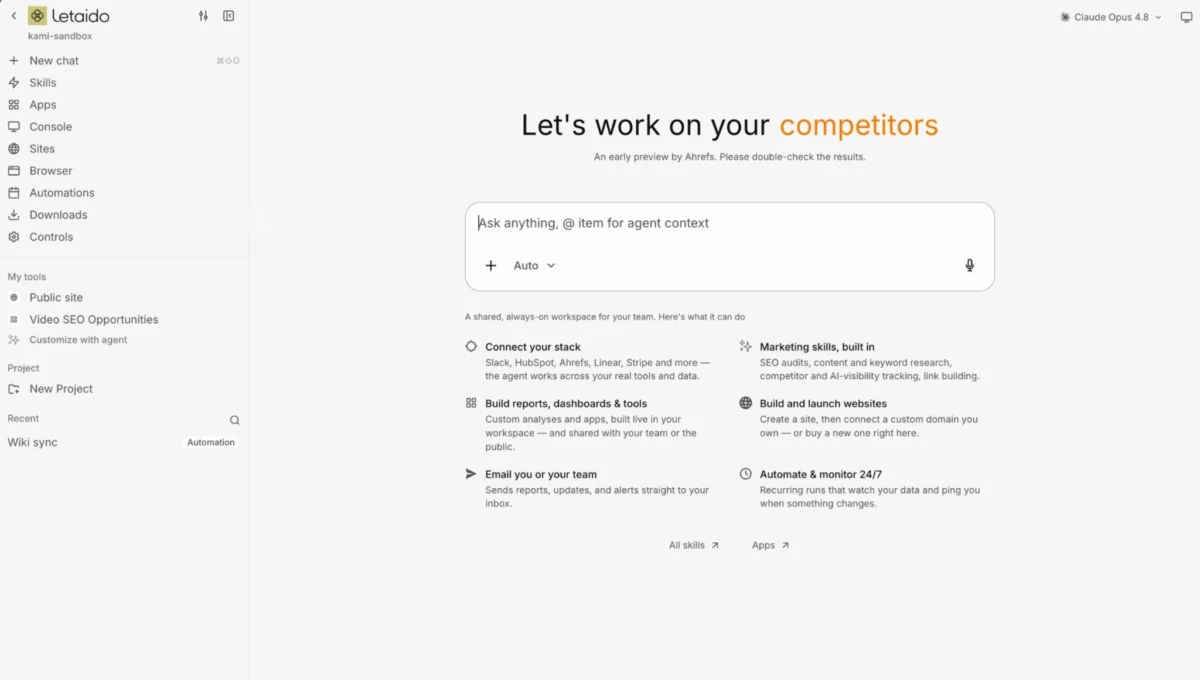
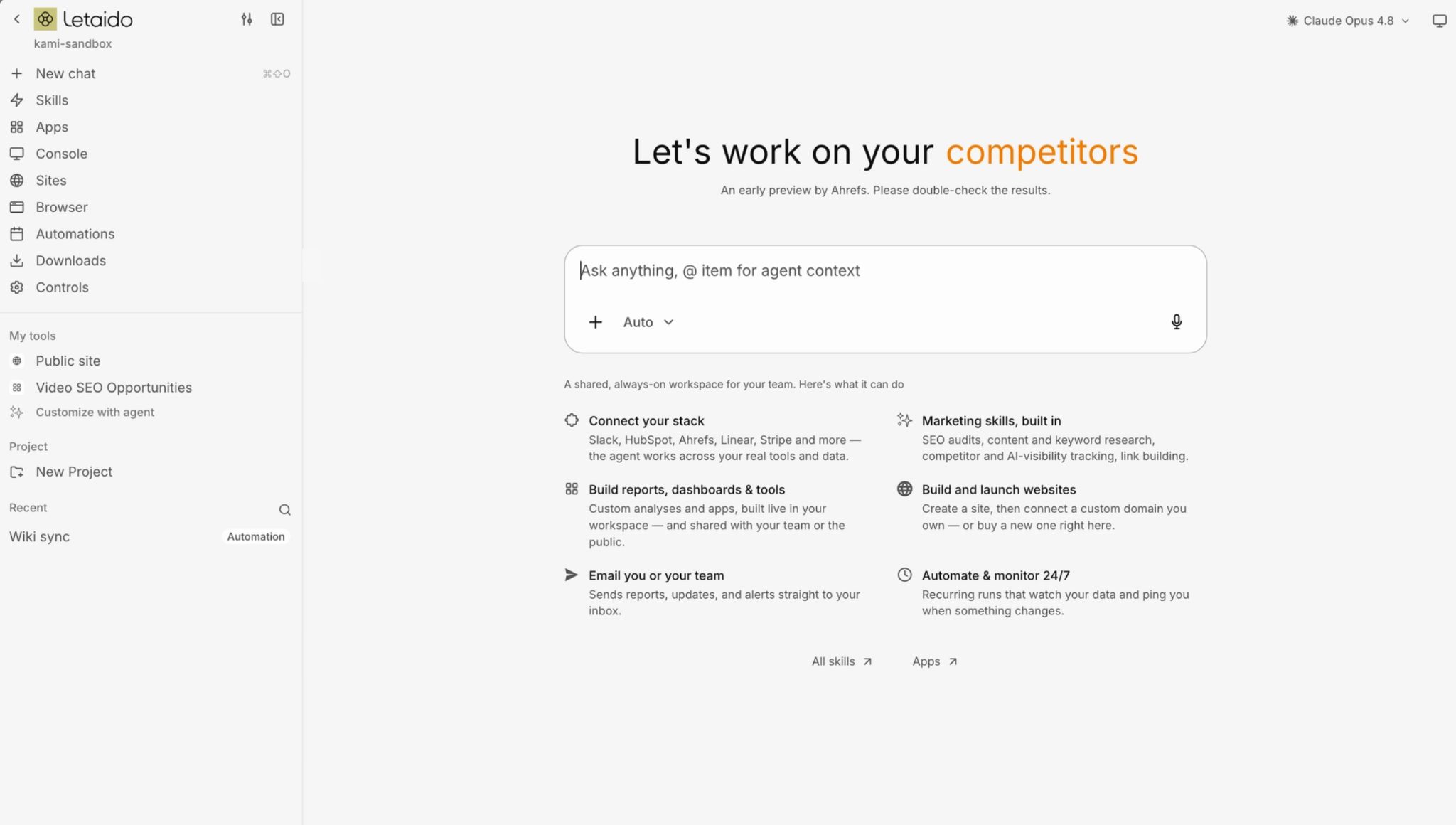
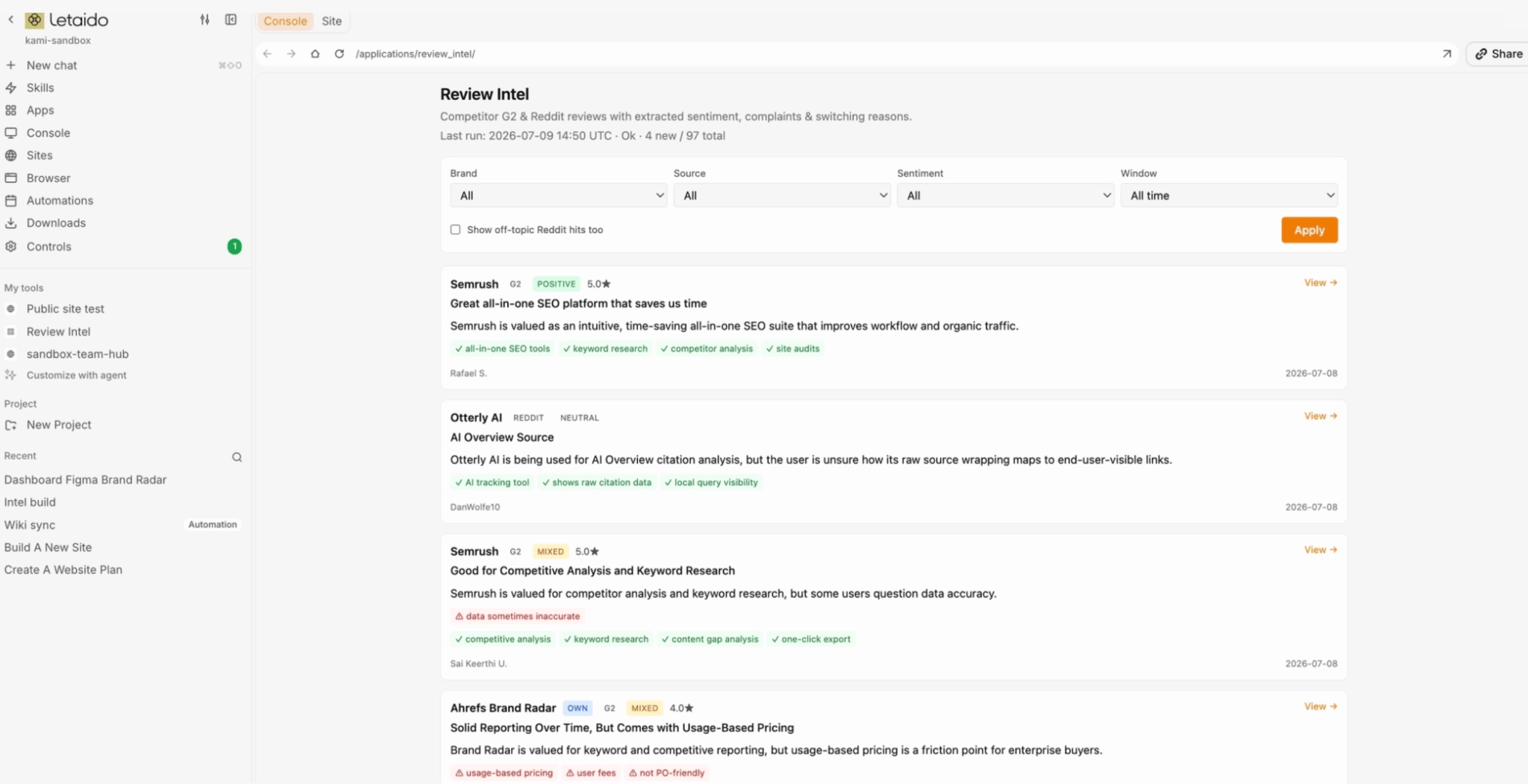
Letaido is positioned as an AI marketing platform designed to empower marketers to build custom reporting dashboards, competitor monitoring tools, keyword clustering solutions, and content workflows without relying on development teams or extensive budgets. The platform allows users to describe desired workflows as they would explain them to a new hire, and the AI constructs them.
Vibe Coding for Marketers: A Beginner’s Guide

The platform offers two primary environments for creating these builds:
Vibe Coding for Marketers: A Beginner’s Guide
  • Private Console: Accessible only to a team, this space is ideal for internal tools and dashboards.
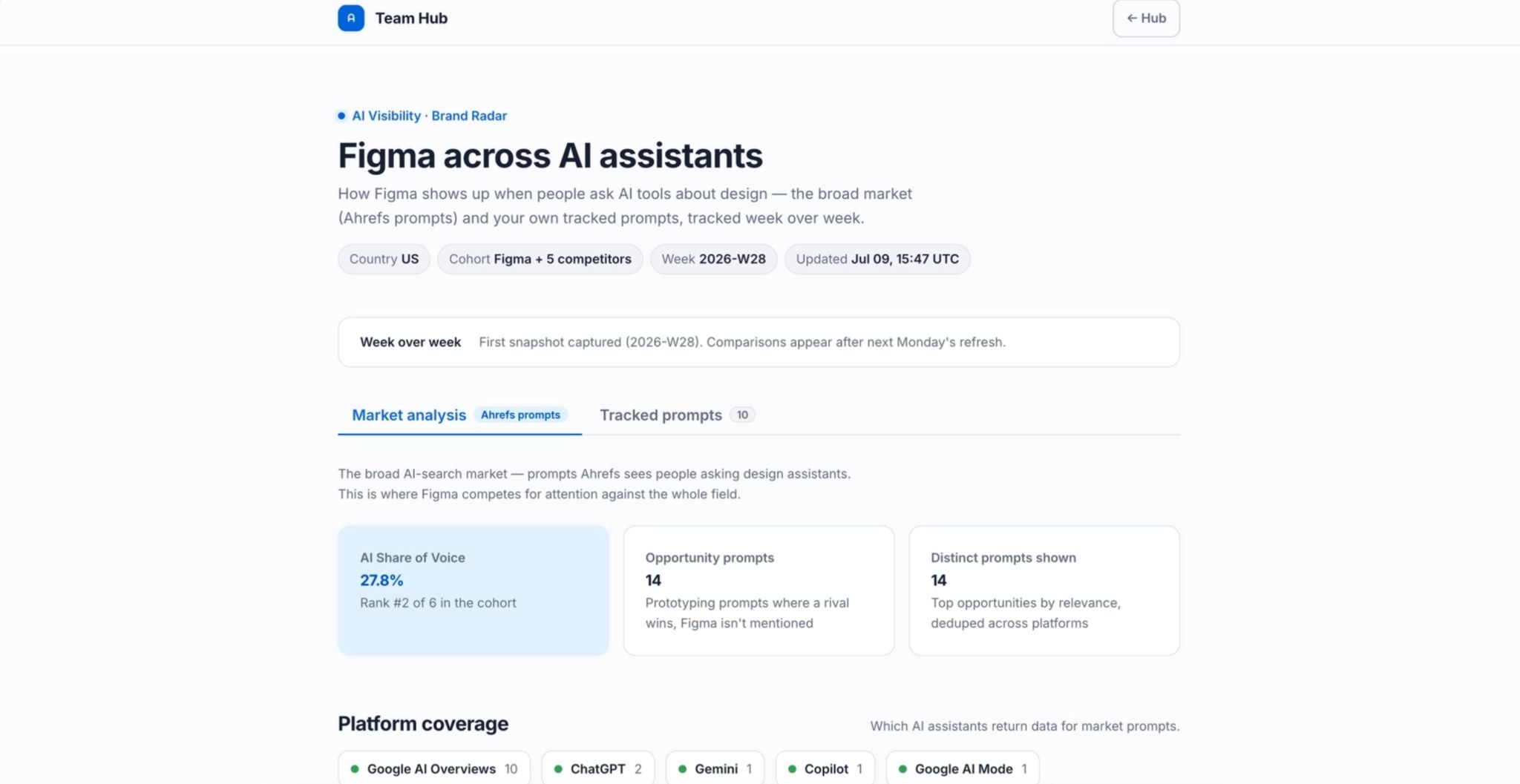
  • Public Site: This environment is for pages intended for public sharing.

Key features that distinguish Letaido include:
Vibe Coding for Marketers: A Beginner’s Guide
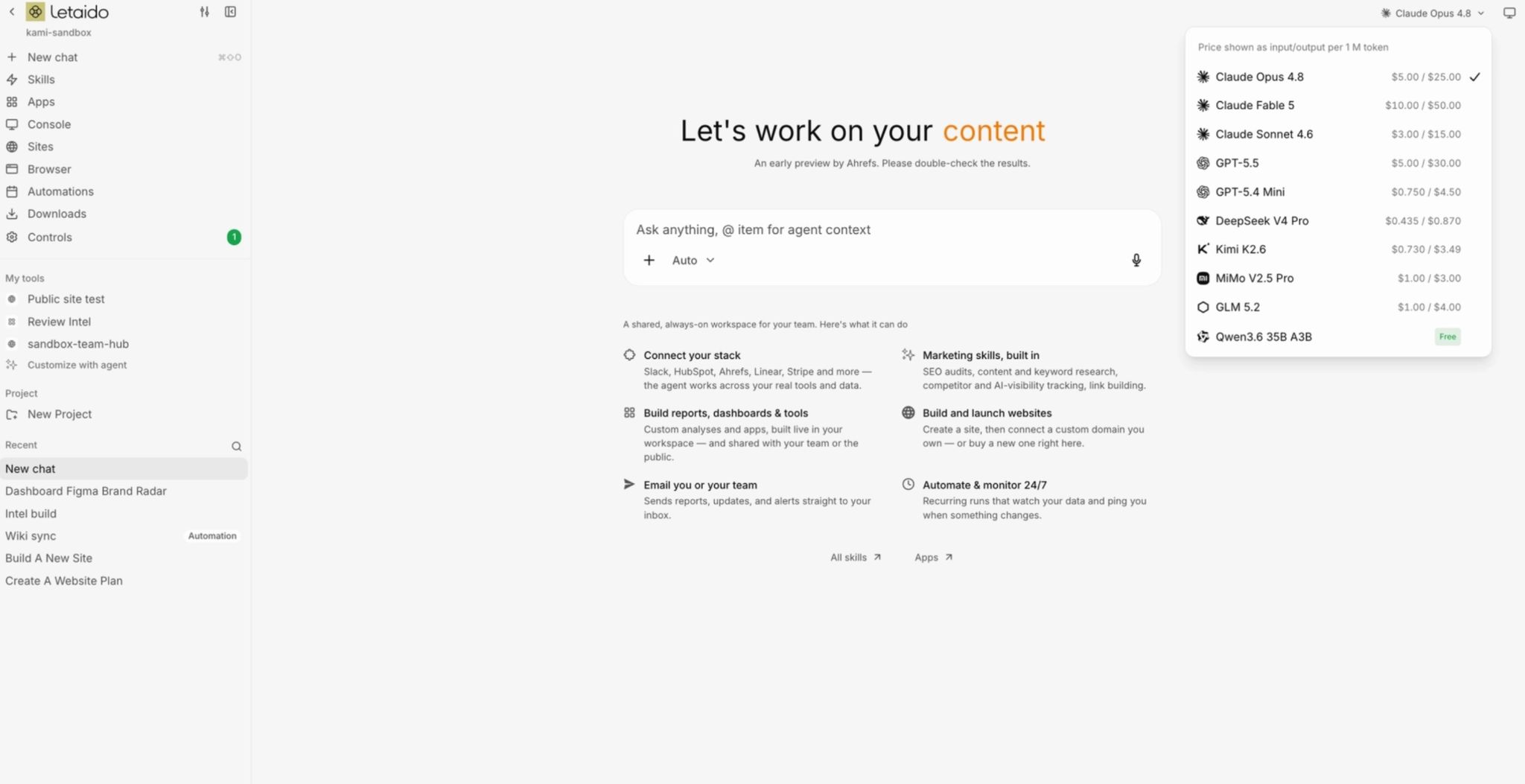
  • Unified AI Model Access: Users can seamlessly switch between various AI models such as Claude, GPT, and Gemini from a single dropdown menu for each task, eliminating the need for multiple subscriptions or API keys.
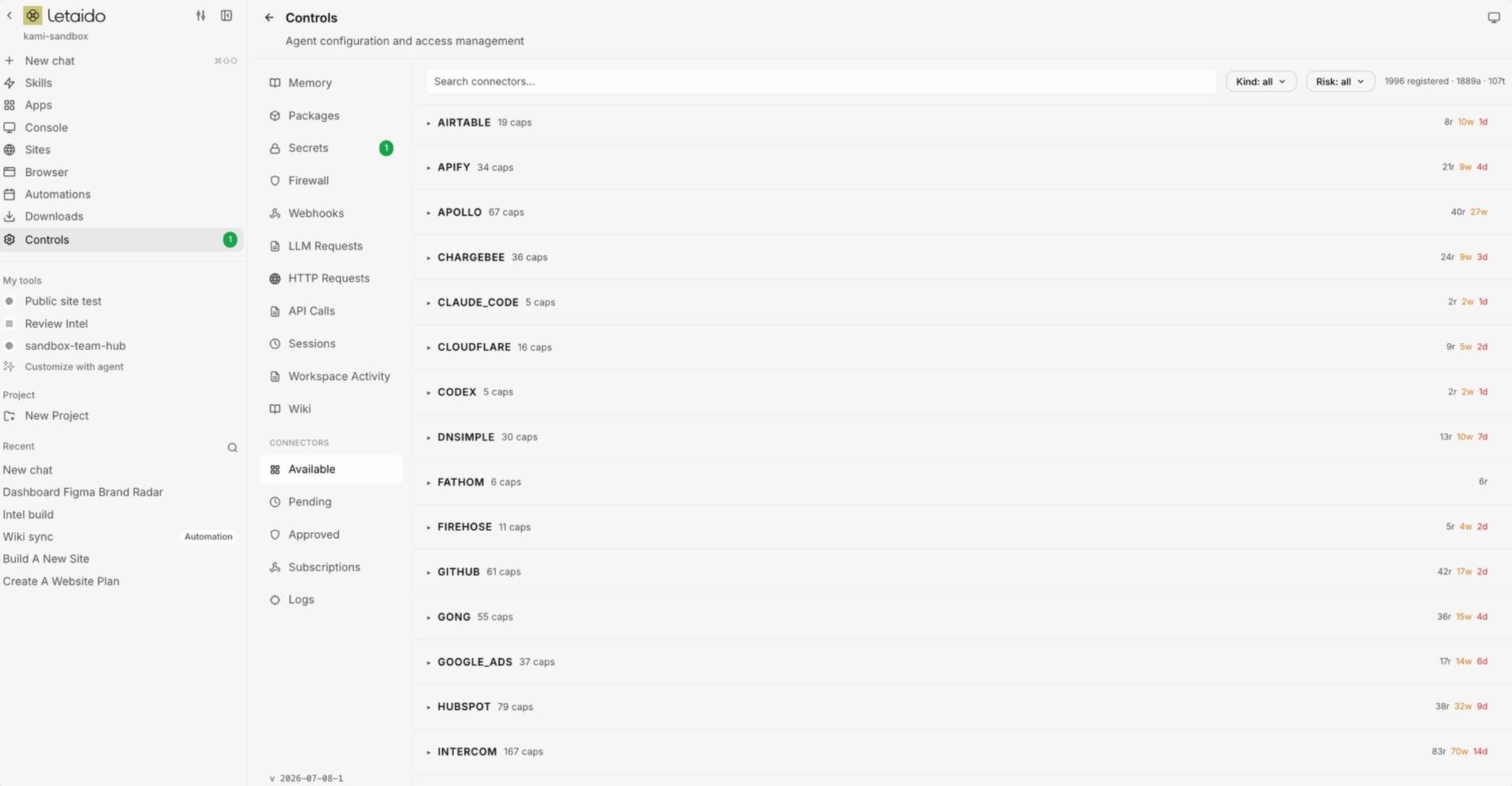
  • Extensive Native Connectors: Letaido boasts over 35 pre-integrated marketing tools, including Slack, HubSpot, Notion, GitHub, Linear, Mailchimp, Stripe, WordPress, and Airtable, simplifying data integration.
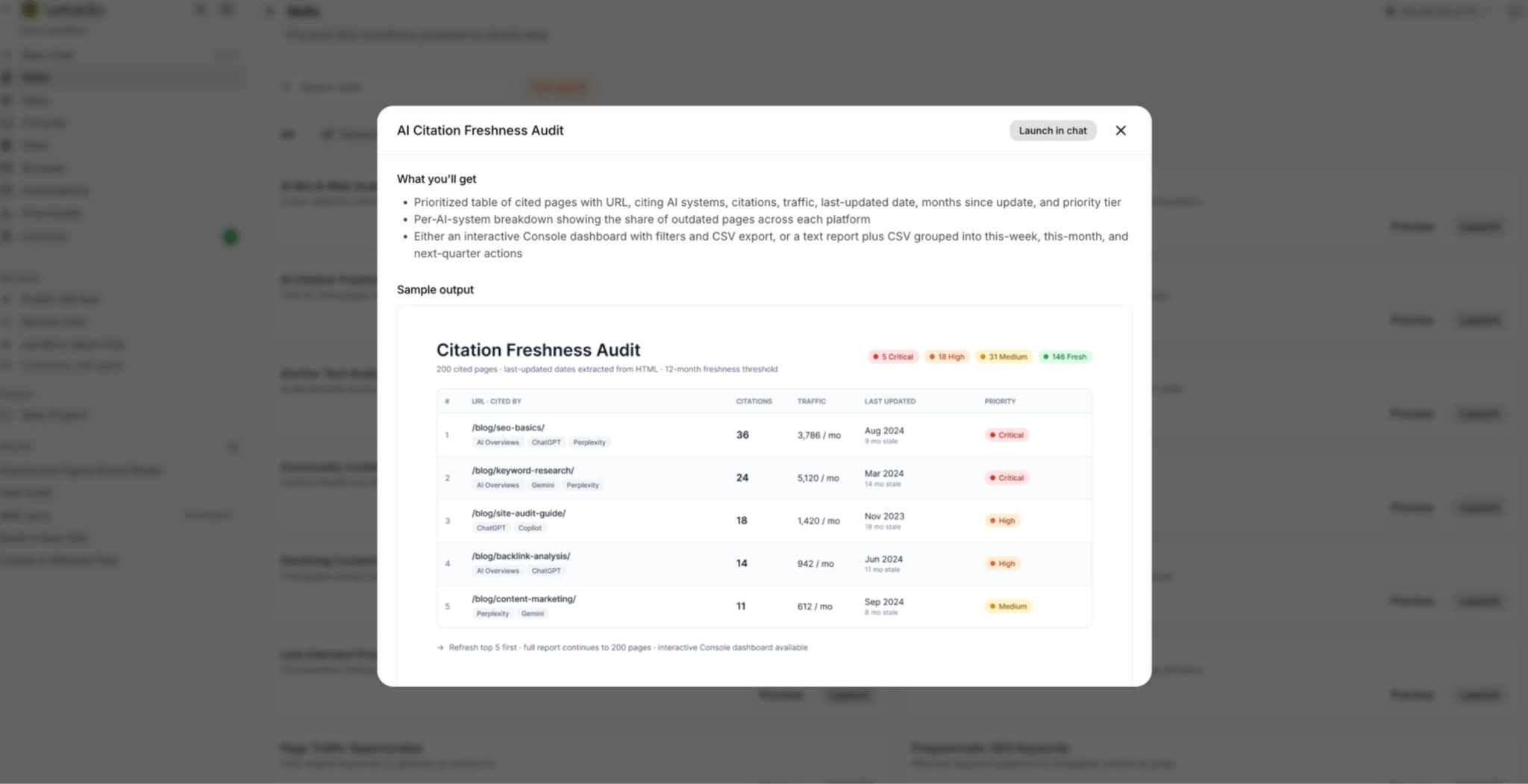
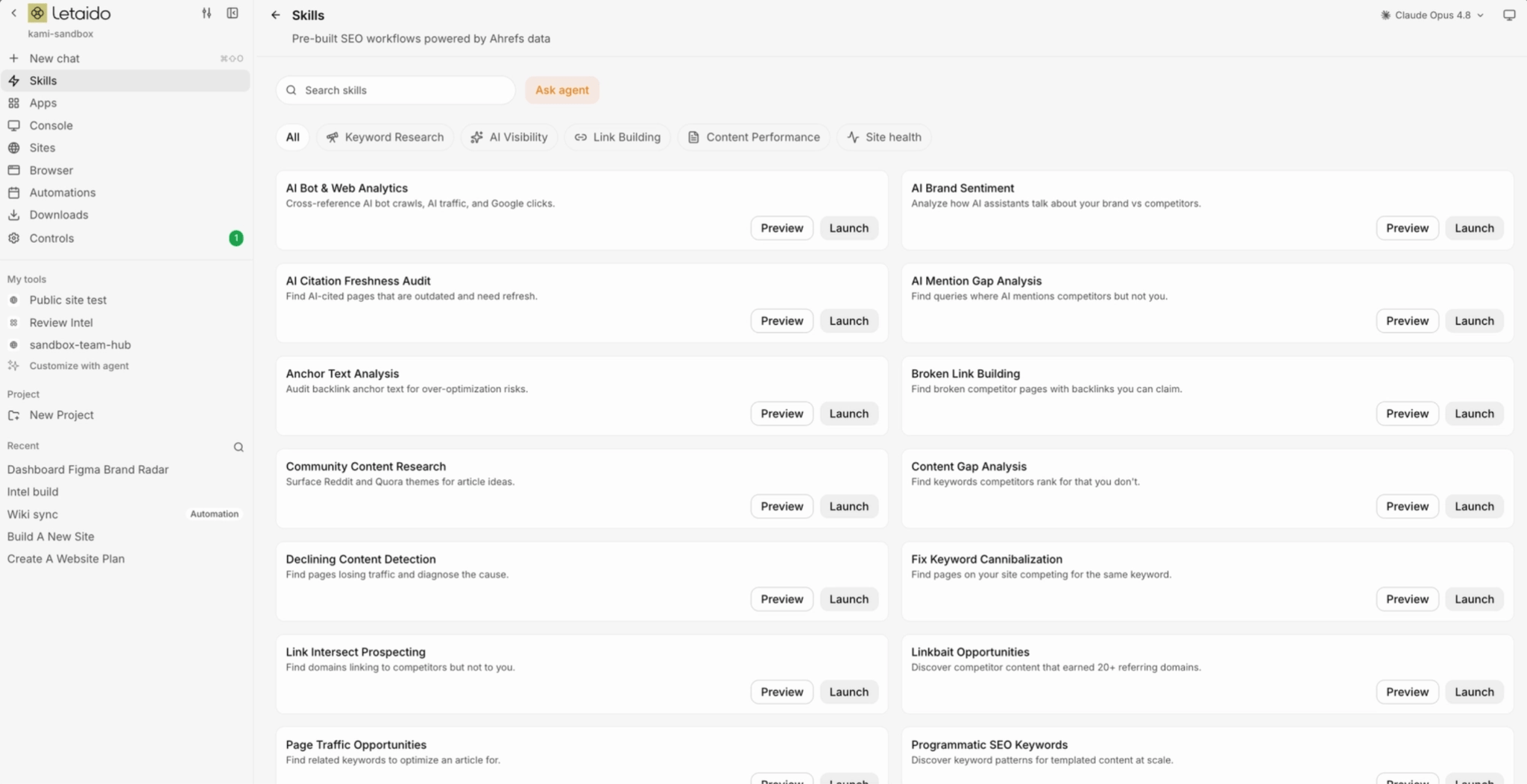
  • Pre-built Marketing Skills: A curated library of "skills" – pre-defined sets of steps for AI agents based on best practices – is maintained by Ahrefs, providing a strong starting point for users rather than beginning from scratch.
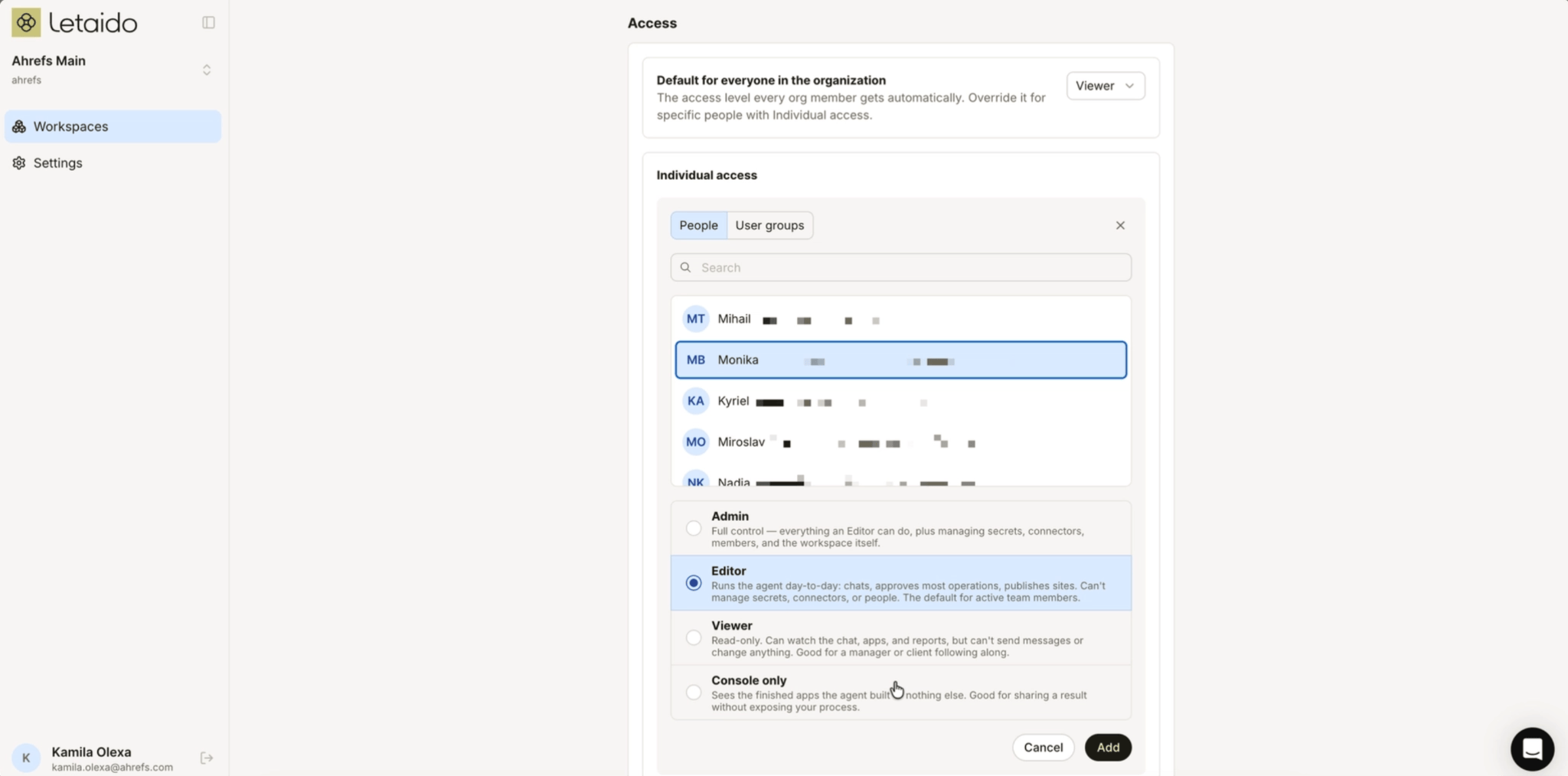
  • Team Collaboration Features: All configurations, including skills and connectors, are shared across a team, fostering cumulative progress. Workspace seats are free, with the $99/month fee applying per workspace, not per user. Role-based access (members, owners, admins) ensures secure management of connectors and secrets.
  • External Sharing Capabilities: For one-off needs like client reports, Letaido allows the creation of guest links for apps or reports, generating a public site with a default domain. Custom domains are also supported, with Letaido handling security certificate management.
  • Managed Hosting and Secrets: The platform handles hosting and security secrets, mitigating beginner risks such as exposed API keys or accidental public disclosures. Users are cautioned to carefully review content before publishing to the public site.

Setting Up Letaido: A Streamlined Process
Vibe Coding for Marketers: A Beginner’s Guide

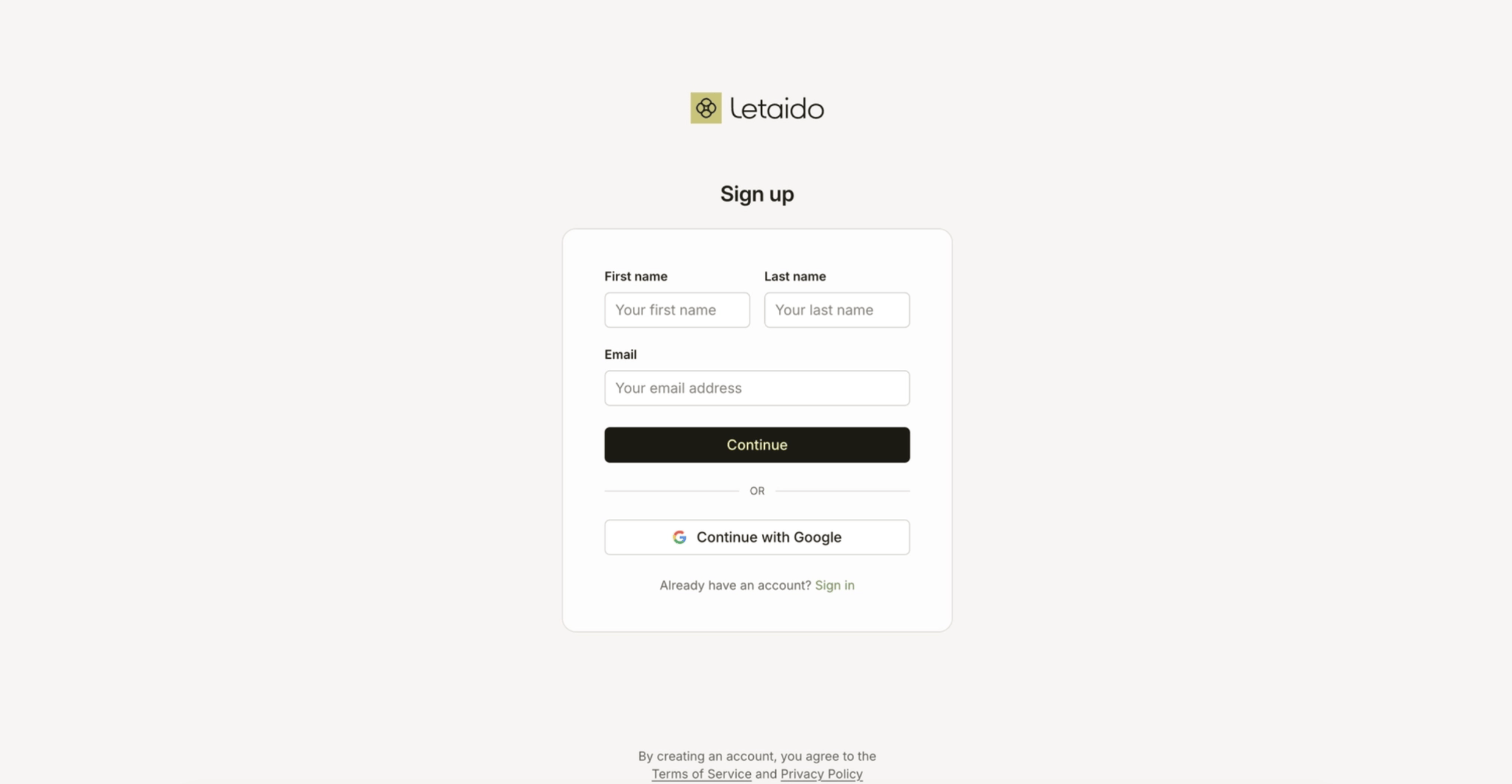
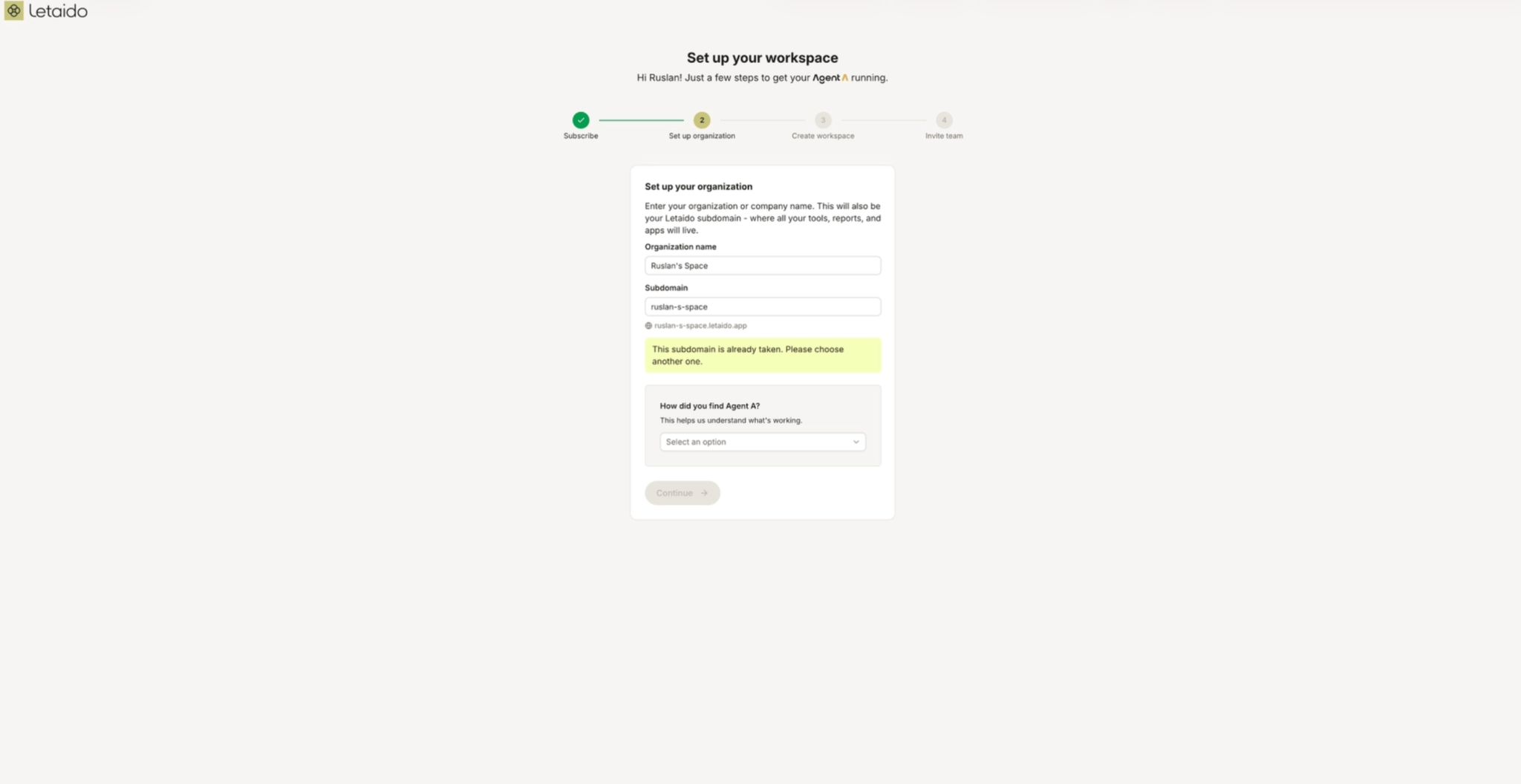
The setup process for Letaido is designed to be straightforward, requiring no complex installations or configurations. The core steps involve selecting an AI model, defining the build mode, creating a knowledge base, and then building the desired components.
Vibe Coding for Marketers: A Beginner’s Guide

Choosing AI Models and Building Modes:
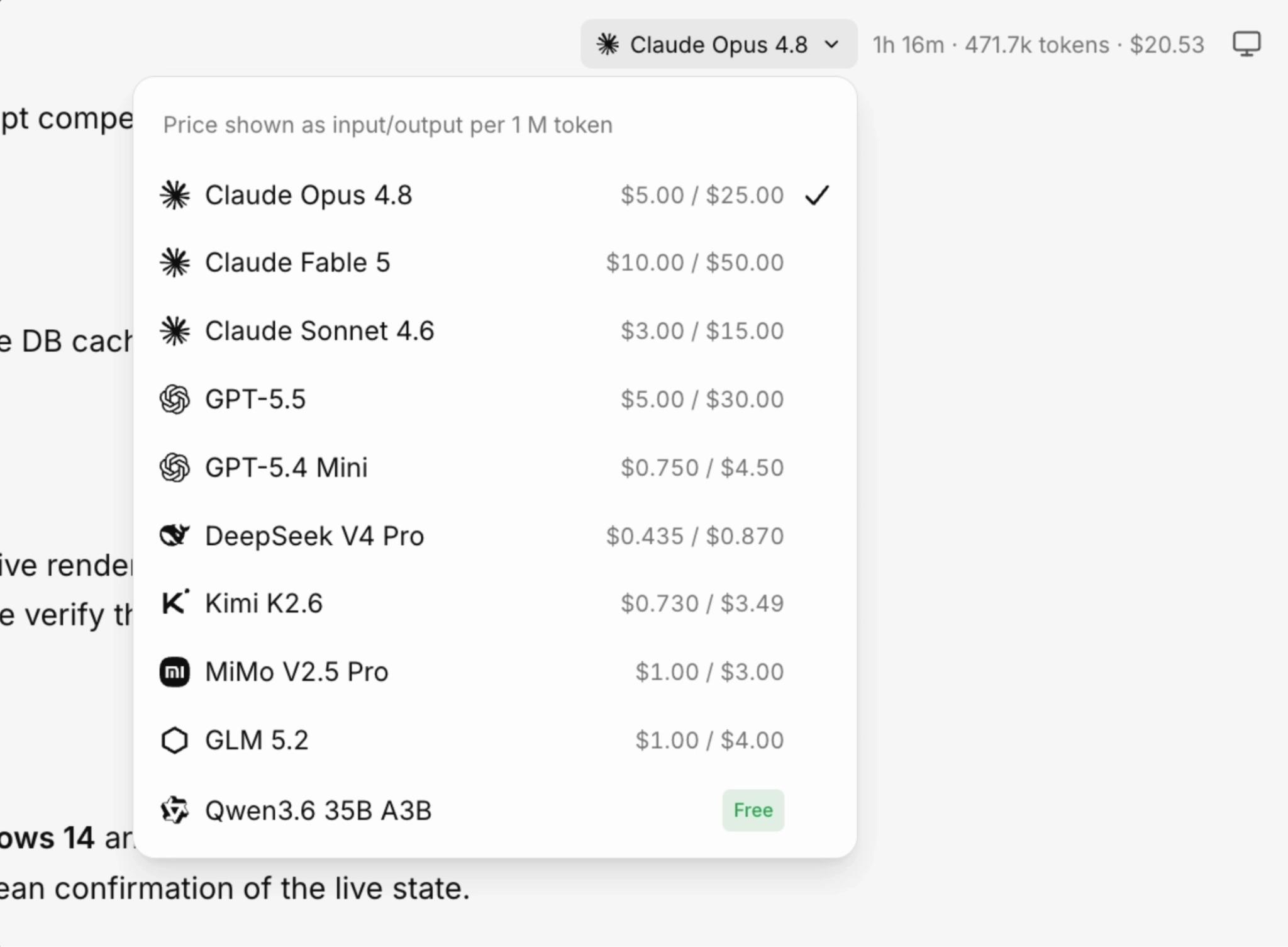
Vibe Coding for Marketers: A Beginner’s Guide

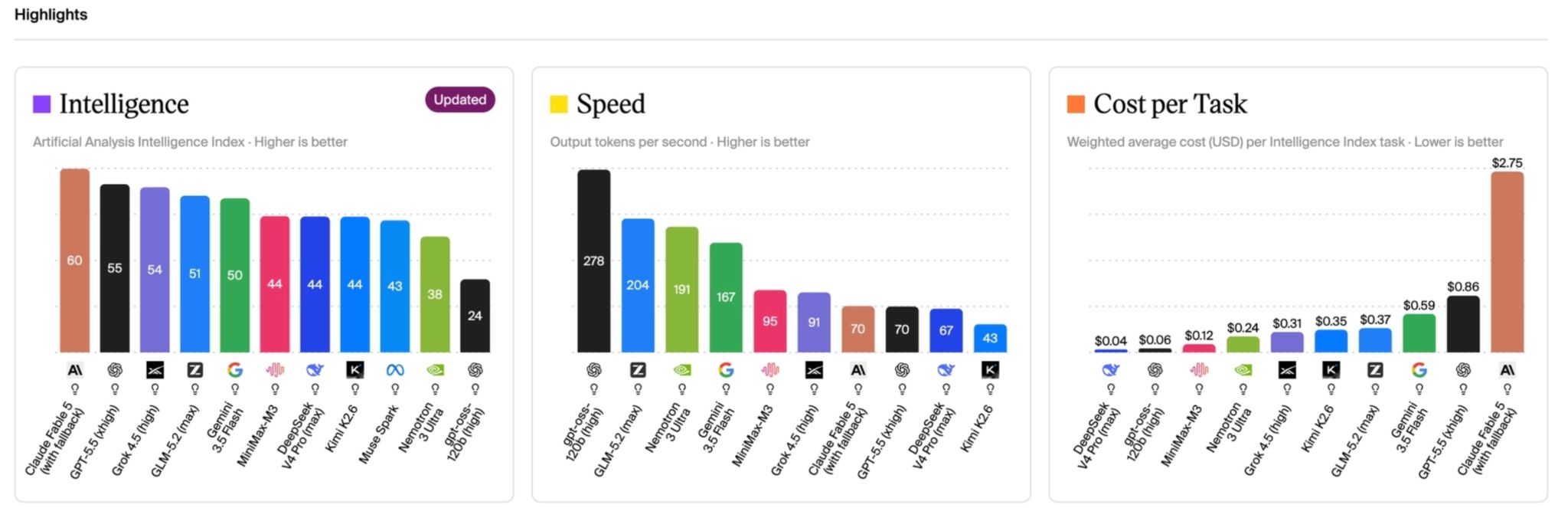
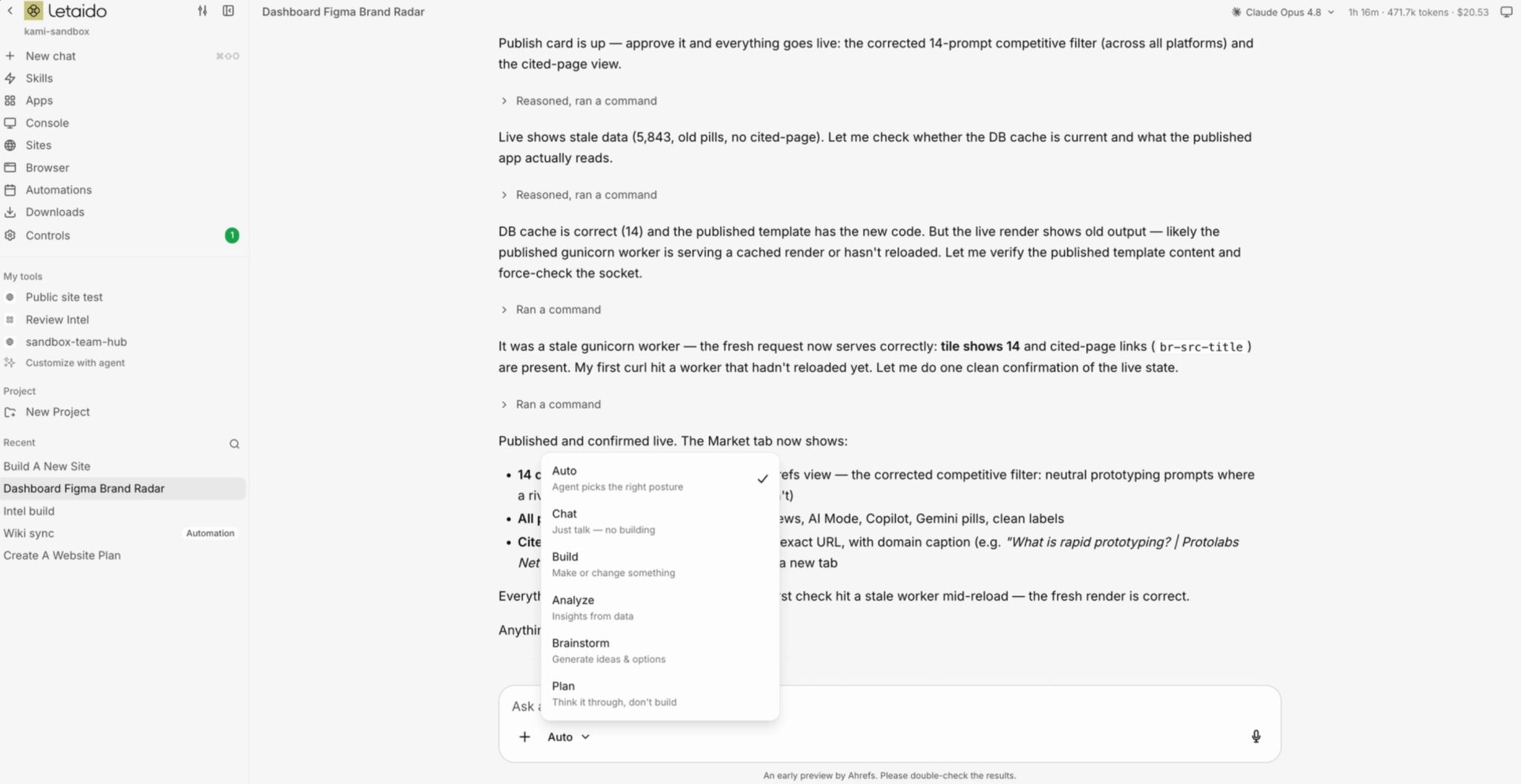
Letaido offers flexibility in AI model selection, with an initial $50 credit allowance for users to experiment. The choice of model is influenced by quality, speed, and cost, with resources like Artificial Analysis providing comparative data. The platform supports different building modes, with "Auto" serving as a common default. Users can initiate tasks in "Chat" mode and switch to a build mode when necessary. The author advises against running heavy models on simple tasks and suggests using cheaper models for routine operations to conserve credits.
Vibe Coding for Marketers: A Beginner’s Guide

Knowledge Base Creation:

Vibe Coding for Marketers: A Beginner’s Guide

A crucial aspect of Letaido is the creation of a knowledge base to provide the AI with company-specific context, including features, positioning, and brand voice. This is managed through two primary mechanisms:
Vibe Coding for Marketers: A Beginner’s Guide
  • Memory (.memory.md): An essential notes file, automatically referenced at the start of every chat session, ideal for recurring vocabulary, stylistic rules, and pointers to the Team Wiki.
  • Team Wiki (wiki/): A workspace knowledge base for more extensive documentation, including strategy documents, Ideal Customer Profiles (ICPs), competitor analysis, and product FAQs.

Building Skills, Apps, Reports, Artifacts, and Automations:
Vibe Coding for Marketers: A Beginner’s Guide

Letaido categorizes its creations into five distinct types, each serving a specific purpose:
Vibe Coding for Marketers: A Beginner’s Guide
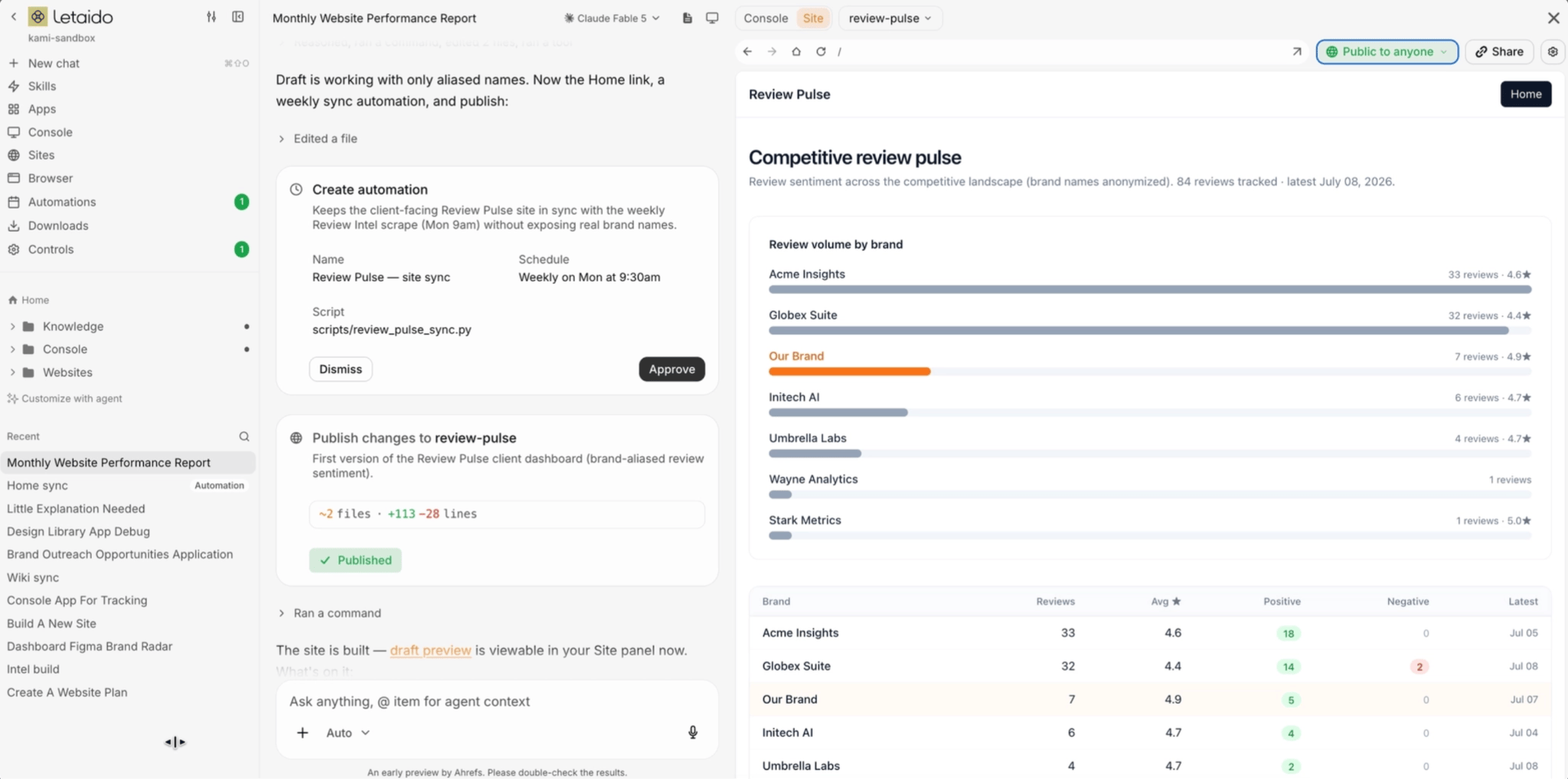
  • Skill: A reusable set of steps and an output format that an agent can execute on demand when a user’s request matches. Users can clone existing skills from the Ahrefs library or create new ones via chat.
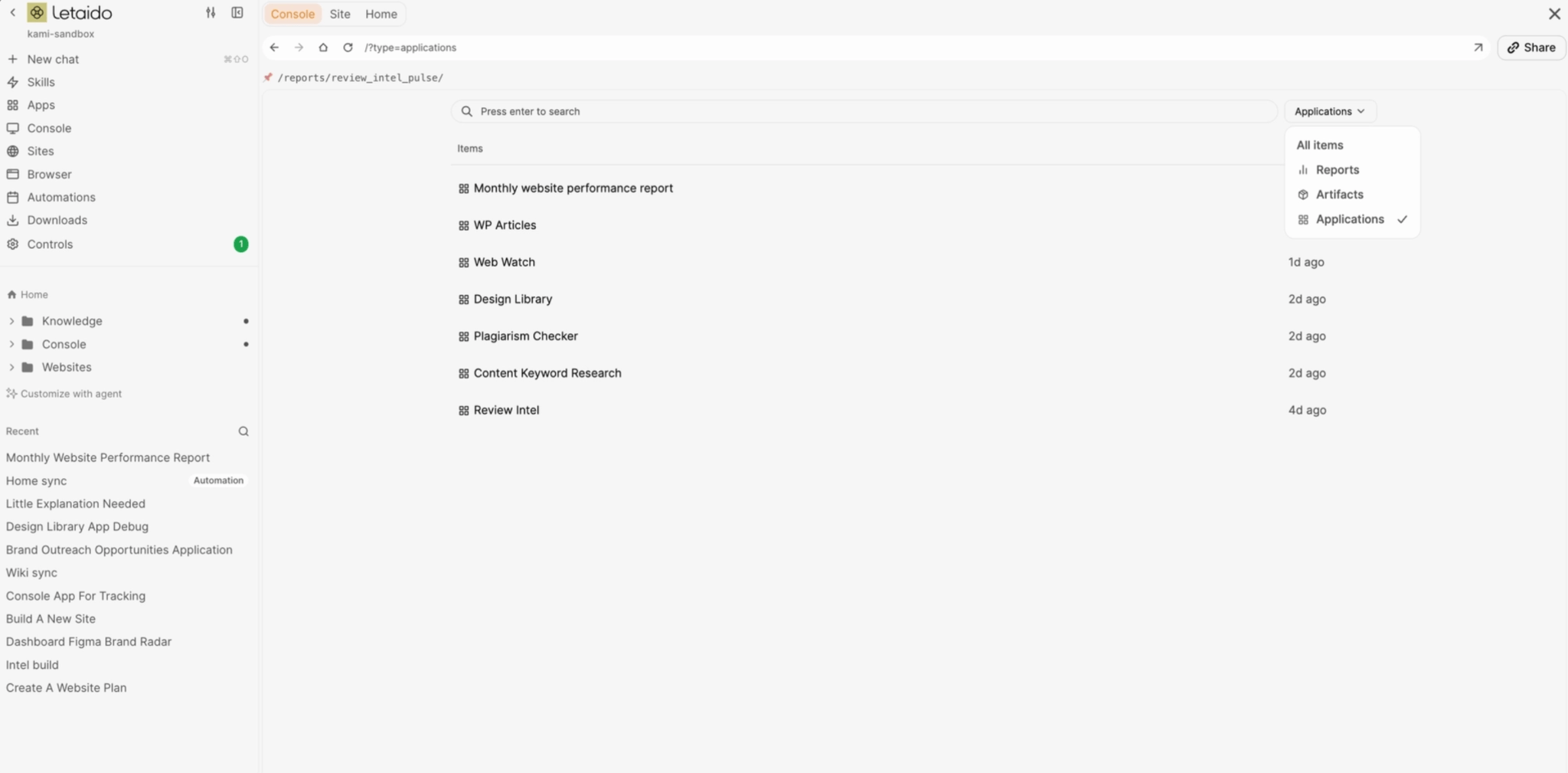
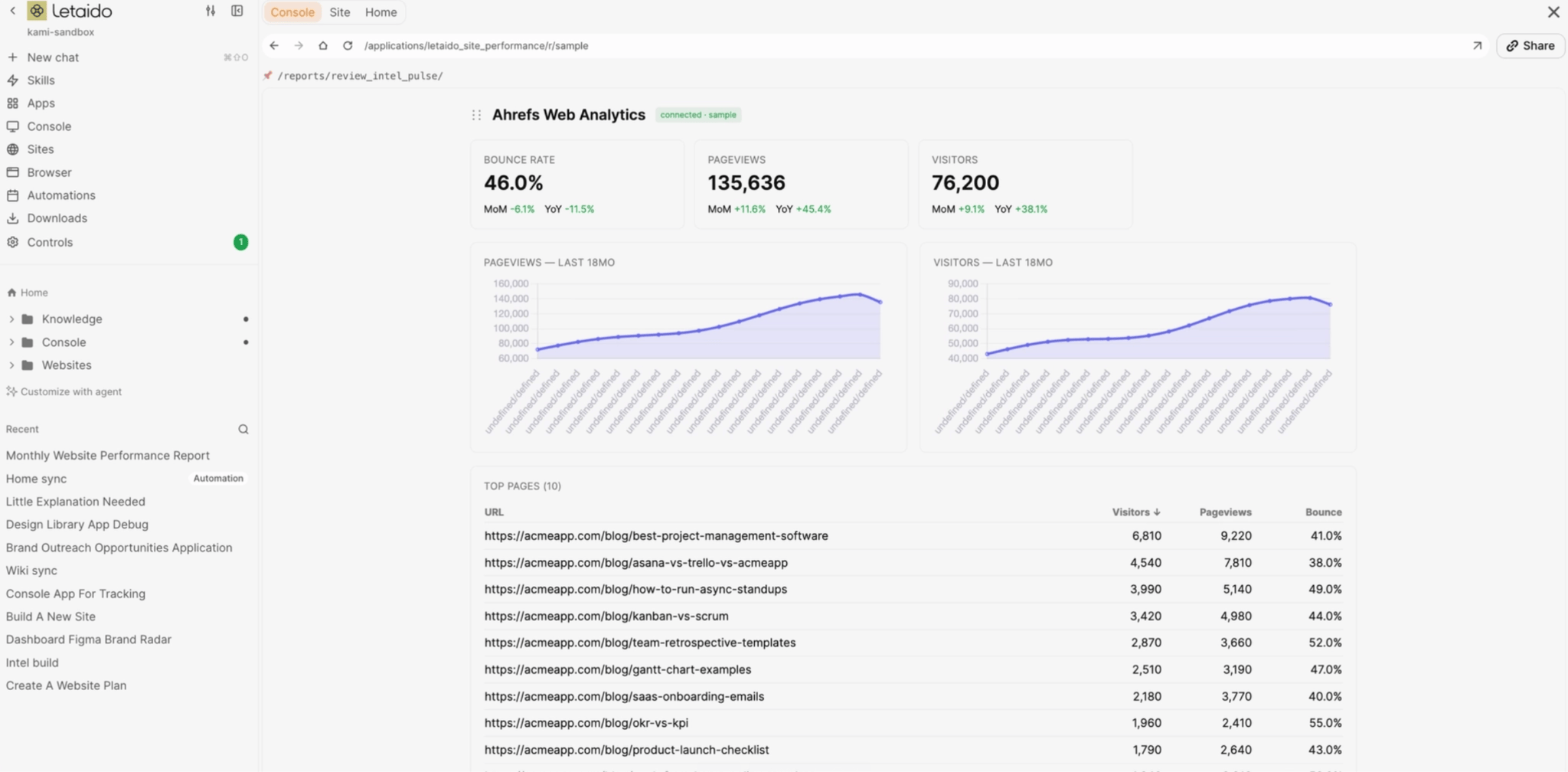
  • App: An interactive tool built by the agent that can access databases, utilize connectors, and display results. This includes monthly reports configured and checked within the console, or workflows like content generation.
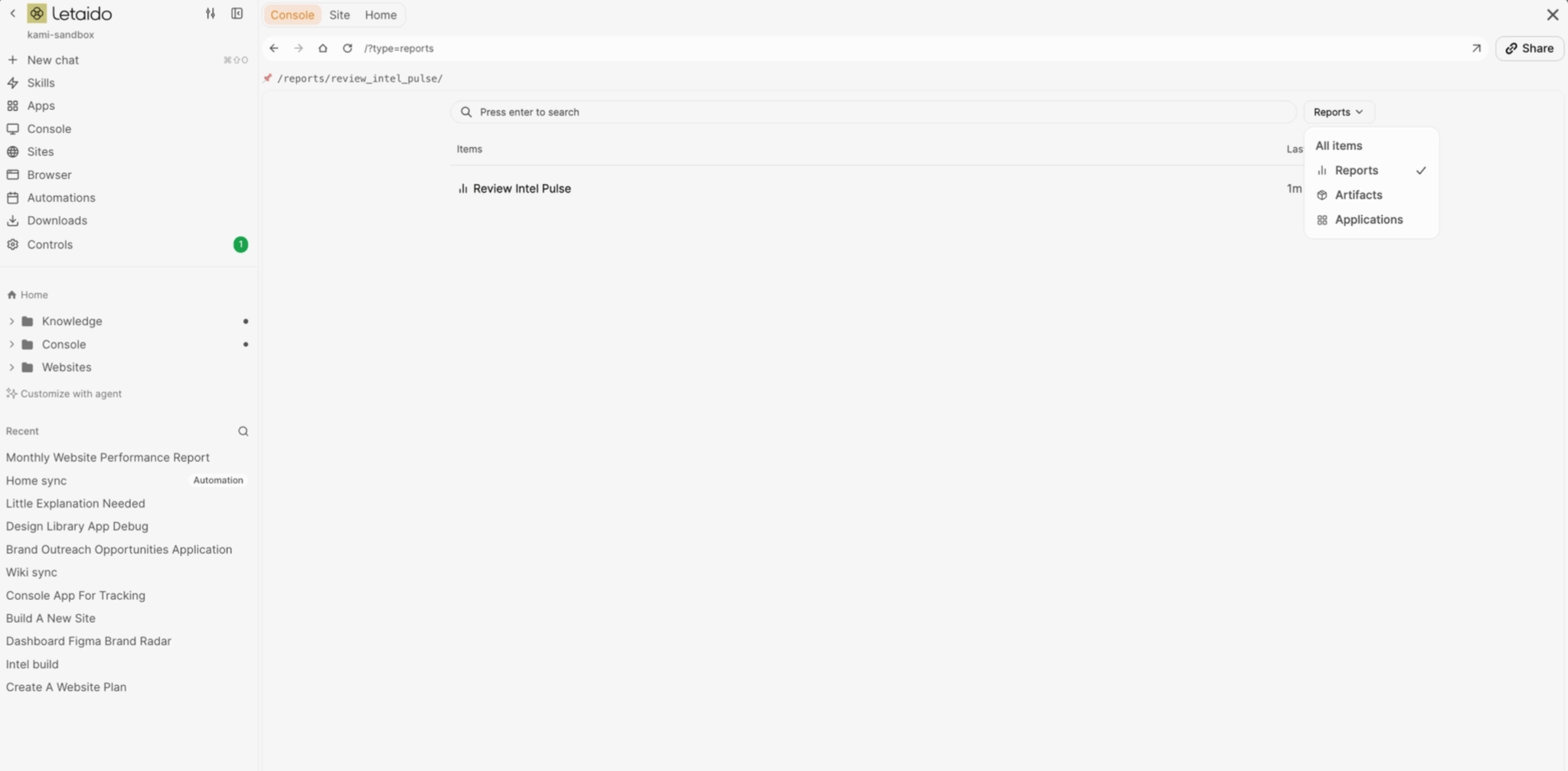
  • Report: A live, read-only view of data that updates whenever accessed. Examples include sentiment overviews or lead-quality breakdowns.
  • Artifact: A frozen output from the agent, essentially a snapshot of a result that does not change. This is suitable for one-off visualizations or findings.
  • Automation: A task that runs on a schedule without manual triggering. Automations can be set up via an agent, where the user describes the task and schedule, or manually, configuring an agent or script with specific limitations.

Integrating External Tools:

Vibe Coding for Marketers: A Beginner’s Guide

Letaido facilitates integration with external tools through connectors, API keys, and web scraping. Connectors offer seamless integration with supported platforms, while API keys can be used for tools not yet listed. Web scraping is available for public web pages. The platform allows users to connect tools like HubSpot, Slack, and WordPress to enable data reading and action-taking capabilities.

Vibe Coding for Marketers: A Beginner’s Guide

Building Workflows in Letaido:

Vibe Coding for Marketers: A Beginner’s Guide

The process of building in Letaido involves four core steps: writing a clear prompt, defining data sources, sharing with the team, and starting with a familiar workflow.
Vibe Coding for Marketers: A Beginner’s Guide
  • Writing Effective Prompts: Prompts must be precise, as they are executed repeatedly. Key elements include defining the agent’s role, providing context, specifying the desired output format, and outlining constraints.
  • Mapping Data Sources: Users must identify all relevant tools, applications, and websites they use for work, noting the specific data points each holds. This data can then be integrated into Letaido via connectors, API keys, or web scraping.
  • Starting with a Single Workflow: The author recommends beginning with a single, well-understood workflow to build upon and iterate, rather than attempting numerous complex builds simultaneously. Examples provided include automating SEO keyword research, creating paid ad campaigns, and updating old articles.

Reality Check and Future Potential:

Vibe Coding for Marketers: A Beginner’s Guide

While acknowledging the current hype surrounding AI, the article emphasizes that these tools will not replace strategic thinking, taste, or relationships. Initial builds may be rudimentary, but the leverage comes from automating repetitive tasks, freeing up time for more strategic and creative endeavors. The ultimate goal is to empower individuals to build one small, context-specific solution and iteratively refine it to their standards. The author encourages users to share their builds and explore the potential of Letaido for transforming their marketing operations.