11

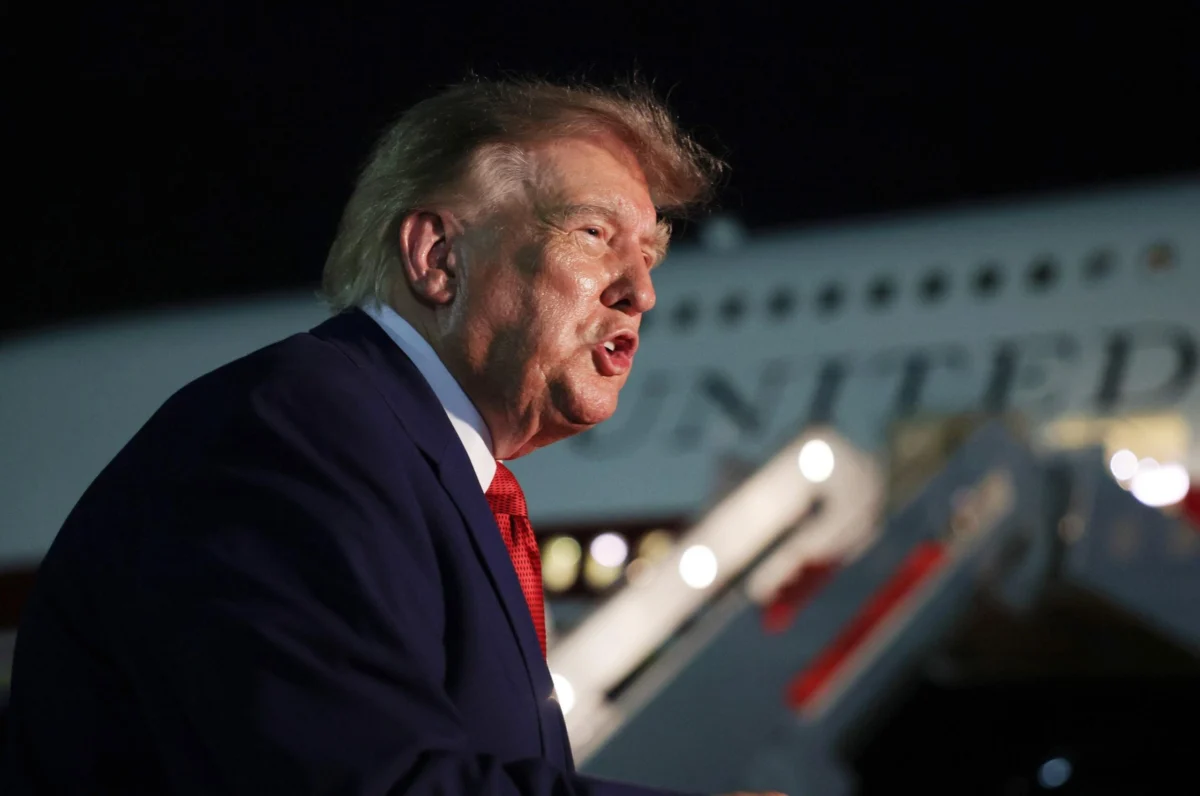
President Donald Trump on Tuesday confirmed reports that he had secretly swapped planes while departing from Turkey last month following a NATO summit. The decision, he stated, was made by the Secret Service due to a potential threat targeting his aircraft, an extraordinary measure that highlighted the severe security concerns surrounding his travel. The incident, first brought to light by major news outlets, involved a complex maneuver designed to deceive potential adversaries, underscoring the constant, high-stakes efforts involved in presidential protection.
When questioned by reporters after returning from an event in Ohio, President Trump emphasized that the decision to swap aircraft was "only up to the Secret Service." He clarified that he routinely defers to the recommendations of the Secret Service or the military on such critical security matters, indicating that he viewed their directive as non-negotiable. Trump explained that the security detail desired him to switch to a different plane that offered "equal safety," and he complied, signaling that he had little personal discretion in the matter given the gravity of the assessment. This statement aligns with standard presidential security protocols, where the commander-in-chief typically follows the expert guidance of his protective detail.
Regarding the specifics of what might have prompted such an unusual security measure, Trump offered a general assessment, stating he "guessed there was a threat out there." He claimed not to have delved too deeply into the details of the threat, adding that he receives "a lot of threats" as president, which he approaches with a characteristic nonchalance. This response, while seemingly dismissive, is often interpreted as a way for the president to project an image of steadfastness and resilience in the face of danger.
When pressed further on whether he was concerned about the specific threat of a shoulder-launched missile attack, as some reports from the Wall Street Journal and New York Times had suggested, Trump reiterated his dismissive stance. He asserted that he doesn’t "worry about anything," describing his attitude on such matters as "whatever." This public posture, while typical for Trump, stands in stark contrast to the meticulous and highly serious planning undertaken by the Secret Service and military personnel responsible for his safety.
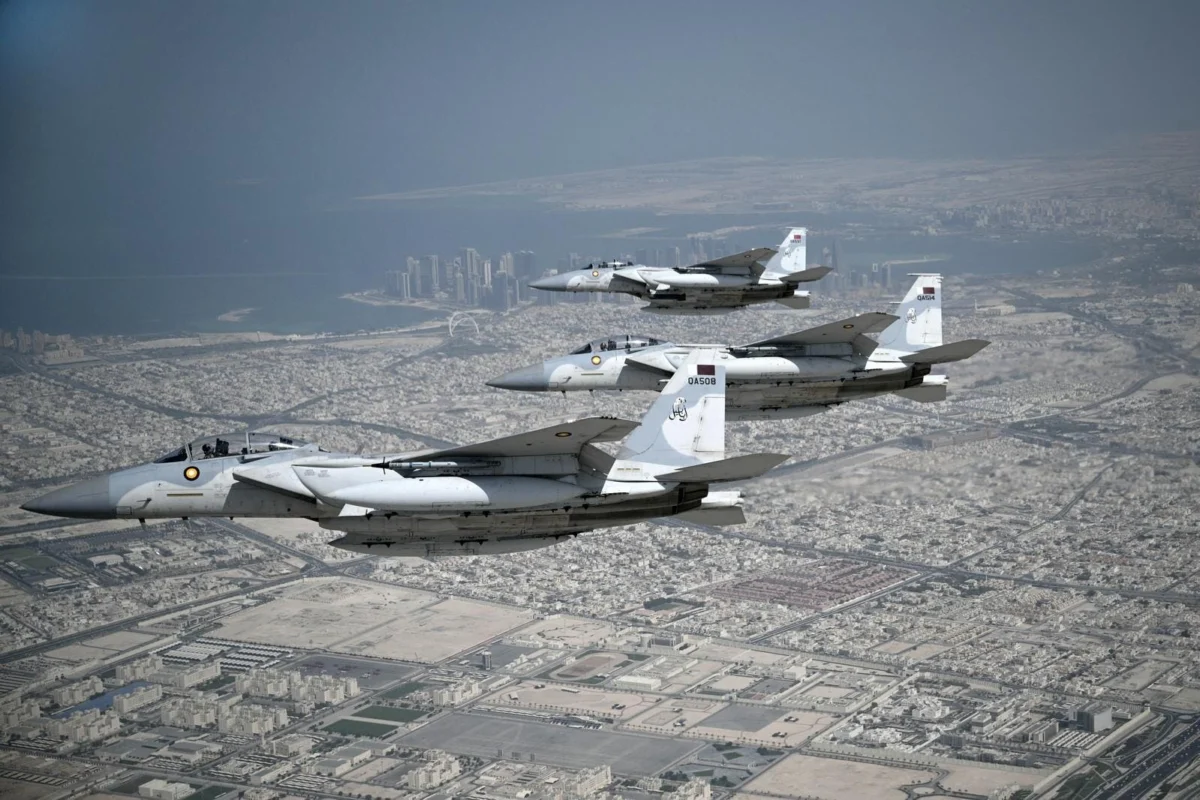
Perhaps one of the most striking aspects of the incident was the use of a decoy plane, which carried some White House staffers and the press corps, unknowingly putting them at potential risk. Trump, however, downplayed concerns about the safety of those on the decoy aircraft. In a surprising twist, he claimed that he believed the plane he actually flew on, a smaller Air Force Boeing C-32A, "was at greater risk." His rationale was that attackers, if aware of the swap, would likely target the aircraft he was genuinely aboard, rather than the more conspicuous Air Force One acting as a diversion. This statement offered a glimpse into the strategic thinking behind the Secret Service’s complex deception, aiming to confuse and mislead potential attackers about the President’s true location.
The extraordinary details of the plane swap first came to public light on Monday night, when the Washington Post reported the clandestine maneuver. The incident took place last month as President Trump was departing from Turkey after attending a crucial NATO summit. The backdrop to this event was already notable: Trump had arrived in Turkey aboard the newly acquired Qatari-gifted jet, which was on its inaugural international trip as the updated Air Force One. This new aircraft had been the subject of earlier discussions regarding its purported advanced security features and capabilities.
Initially, the White House had publicly announced that President Trump would depart Turkey on board the older Air Force One jet. This public declaration served as part of the elaborate ruse. After Trump was seen boarding the designated "old" Air Force One in full public view, he was then secretly whisked away from the aircraft. The clandestine transfer involved him being moved to a C-32A, a type of plane primarily utilized by the vice president and other senior cabinet members, via a discreet catering truck. This intricate transfer highlights the extreme lengths taken to ensure the President’s safety, utilizing common airport logistics to mask a high-stakes security operation. Earlier reporting about the President’s departure from Turkey had primarily focused on the decision to use the old Air Force One jet instead of the Qatari-gifted plane, which was incorrectly attributed to the new jet’s purported lack of security features at the time, unknowingly playing into the larger deception.
The deception extended to those on board the decoy aircraft. The New York Times reported that a significant number of White House staff members and the accompanying press corps on the larger, decoy jet were entirely unaware of the secret swap. They genuinely believed they were flying with the President, unknowingly serving as part of a crucial security measure designed to draw attention away from the actual presidential aircraft. This aspect of the operation raises questions about the ethical implications of knowingly exposing non-protective personnel to potential danger, even if the overall aim was to protect the President.
The elaborate ruse continued even after the initial flight. After the two jets landed in the United Kingdom, President Trump was quietly transferred back into the old Air Force One, from which he then disembarked in full view of the assembled reporters. This second transfer ensured that the public perception aligned with the initial narrative of his travel. The final leg of the journey, from the U.K. airbase back to Washington, D.C., was then completed on board the new Qatari-gifted plane, bringing the complex series of switches to an end.
The specific nature of the threat that prompted such an extraordinary security measure was detailed by the Wall Street Journal. Citing an unnamed U.S. official who had been briefed on the matter, the Journal reported that Israel had provided intelligence to the Trump administration concerning potential threats. These threats specifically included the use of shoulder-launched missiles, commonly known as Man-Portable Air-Defense Systems (MANPADS), to target Air Force One. MANPADS are a significant concern for aviation security due to their portability, relative ease of operation, and effectiveness against low-flying aircraft. The report, however, confirmed that despite the intelligence, no missiles were actually fired at any of the planes departing Ankara.
Further emphasizing the credibility and precision of the threat intelligence, the New York Times corroborated the reports of a shoulder-launched missile threat. Crucially, the Times noted that the intelligence indicated the Iranians specifically knew where President Trump was staying in Ankara, including highly granular details such as the exact floor of the building. This level of specific intelligence about the President’s movements and location underscores the seriousness of the threat and the sophisticated capabilities of the perceived adversary. Such precise targeting information would undoubtedly heighten the alert level for any protective service.
The decision to implement such a complex and secretive plane swap highlights the paramount importance placed on presidential security by the Secret Service. Their role involves constant vigilance, meticulous planning, and rapid adaptation to evolving threats. When intelligence indicates a credible and specific danger, especially one involving a weapon as potent as a shoulder-launched missile, extraordinary measures are deemed necessary. The deployment of a decoy, the use of a less conspicuous aircraft, and the intricate choreography of transfers are all part of a comprehensive strategy to mitigate risk and ensure the safety of the President of the United States. This event serves as a stark reminder of the often unseen and elaborate lengths to which security agencies go to protect the nation’s highest office, navigating a complex landscape of geopolitical tensions and sophisticated threats.